Adapting Physical Education for Students with Disabilities
9 January 2026
Physical education is more than just running laps and playing dodgeball. It’s about growth, movement, inclusion, confidence, and feeling like you’re part of the team. But what happens when one size doesn’t fit all? What if a student faces physical, cognitive, or emotional challenges? Should they be left sitting on the sidelines?
Absolutely not.
Adapting physical education for students with disabilities is not only possible—it’s essential. Let’s unpack what it means, why it matters, and how we can make fitness and fun accessible to everyone.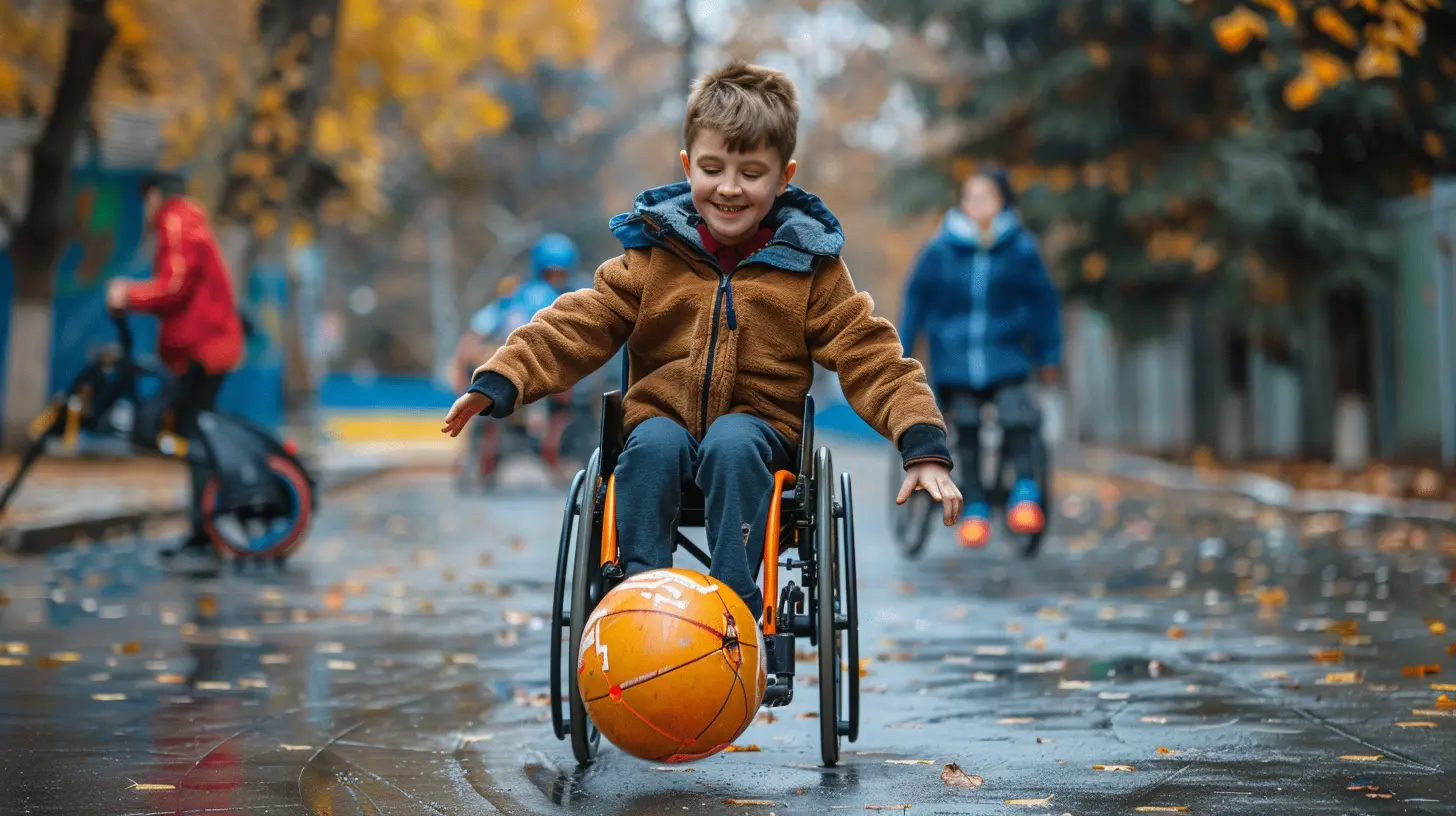
Why Adapted Physical Education Matters
Imagine being told that recess or gym isn’t for you because of your disability. That’s not just disappointing—it’s isolating. Physical education (PE) plays a huge role in building self-esteem, teaching teamwork, and improving health.Students with disabilities deserve those same benefits. Adapting PE levels the playing field by creating environments and experiences where everyone can participate meaningfully. It’s not about lowering expectations—it’s about adjusting the approach.
Equal Access Doesn’t Mean Identical Activities
There’s a big difference between fairness and equality. Giving every student a basketball may be equal, but giving each student what they need to play basketball? That’s fair. And that’s exactly what adapted PE aims to do.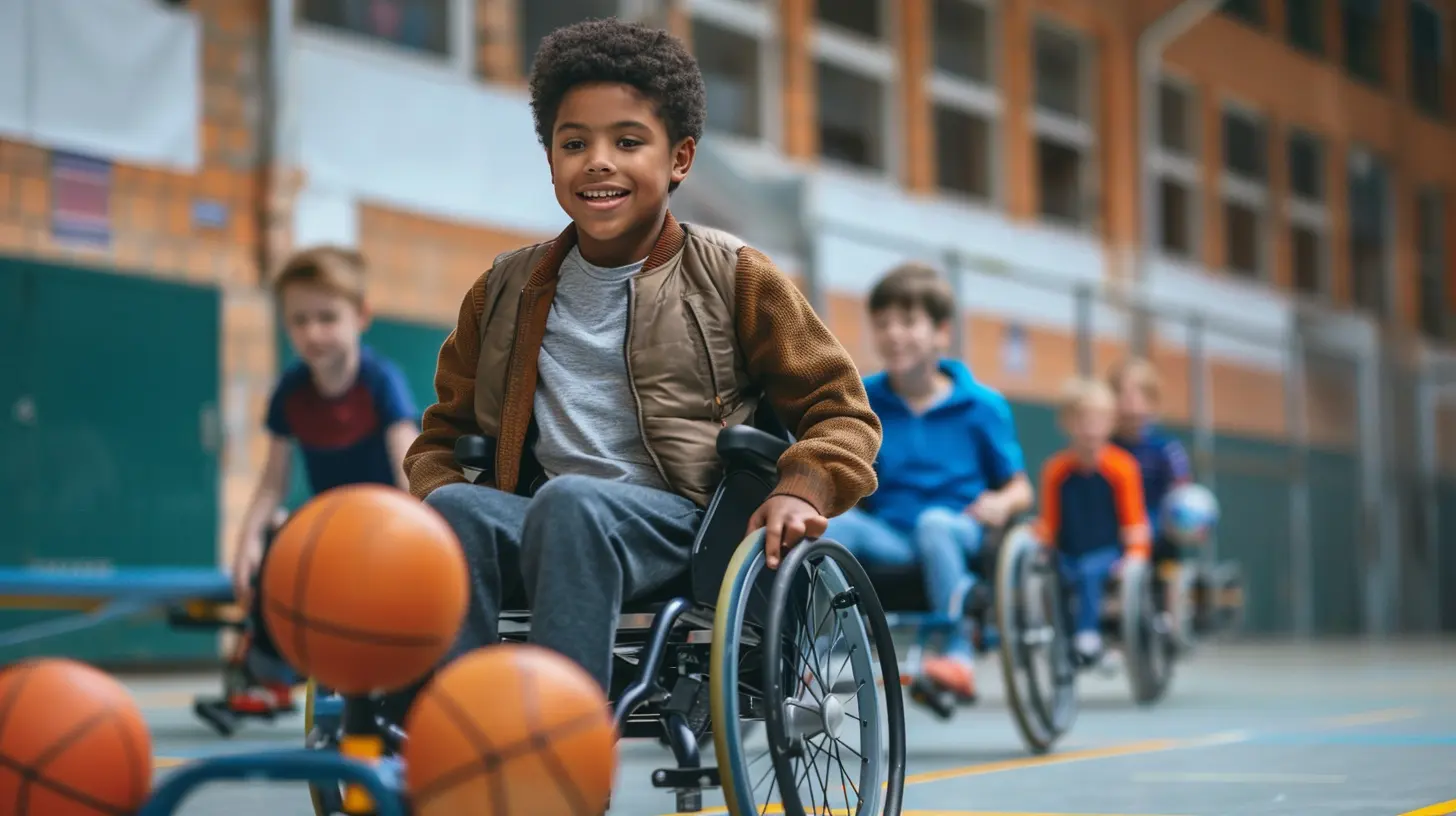
Who Needs Adapted Physical Education?
Adapted PE isn’t just for students with physical impairments. It also supports those with:- Developmental delays
- Autism spectrum disorders (ASD)
- Sensory processing disorders
- Emotional or behavioral challenges
- Cognitive impairments
- Chronic health conditions (like asthma or epilepsy)
If a student's disability impacts their ability to safely or successfully participate in general PE, they may benefit from adapted instruction.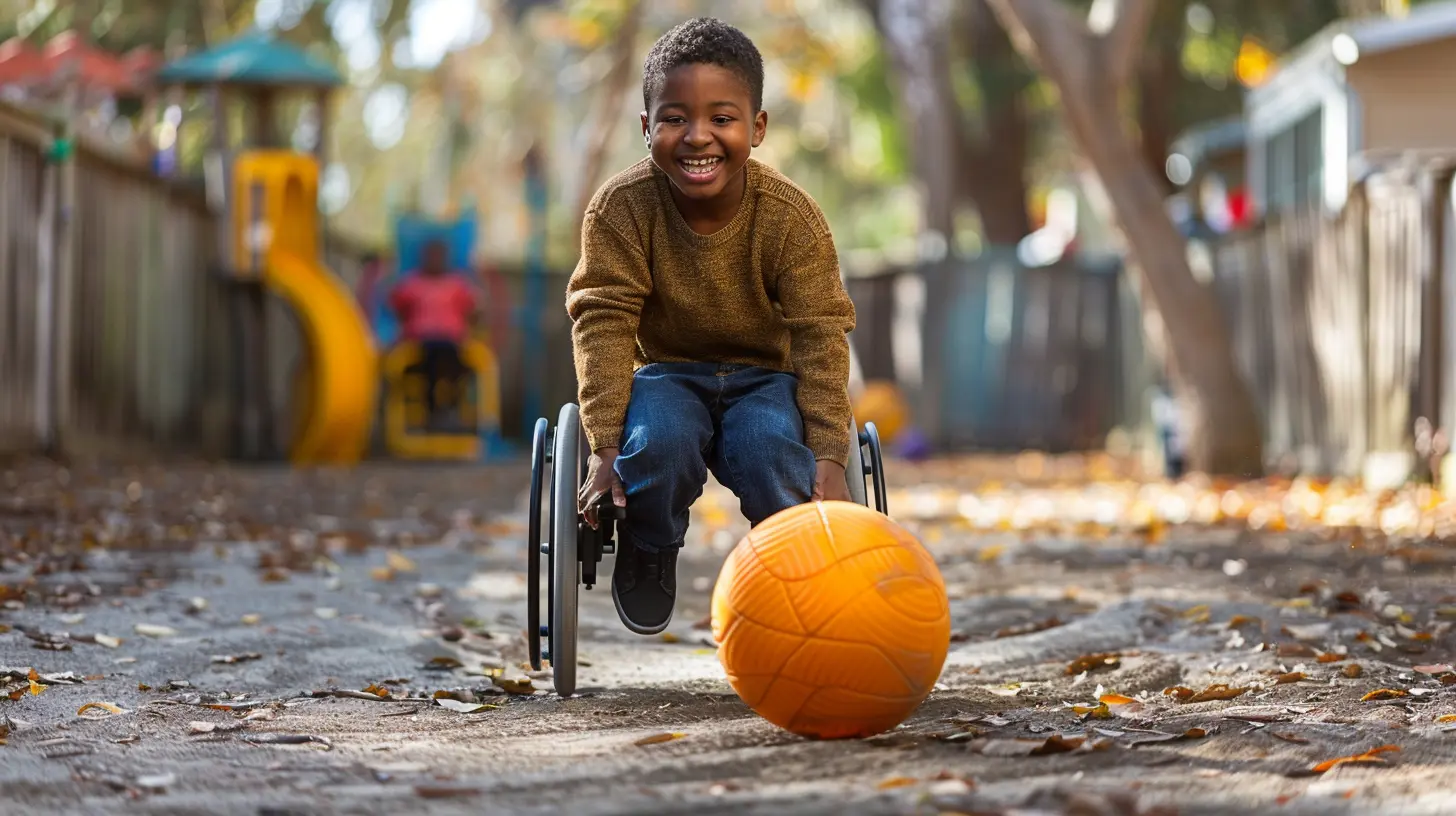
Core Principles of Adapted Physical Education
Let’s break down the foundations of adapting PE:1. Individualization is Key
Every student is different—what works for one may not work for another. Adapted PE starts with a personalized approach. Teachers must consider a student’s abilities, interests, and needs to create a plan that works for them.Think of it like tailored clothing. You wouldn’t wear your best friend’s jeans and expect them to fit perfectly, would you?
2. Focus on Ability, Not Disability
Rather than zooming in on what a student can’t do, good adapted PE looks at what they can do. Maybe a wheelchair-using student can’t run bases in kickball—but maybe they can roll and use upper-body strength to participate.Adapted PE celebrates progress, however small.
3. Promoting Inclusion
Sometimes adapted PE happens in separate classes. Other times it happens alongside peers in what's called an inclusive setting. Both can be effective. The goal? Help students feel valued, involved, and empowered—never singled out or left out.4. Safety First, Always
Adapting activities isn’t just about accessibility—it’s also about keeping students safe. This means using proper equipment, modifying rules, and ensuring proper supervision.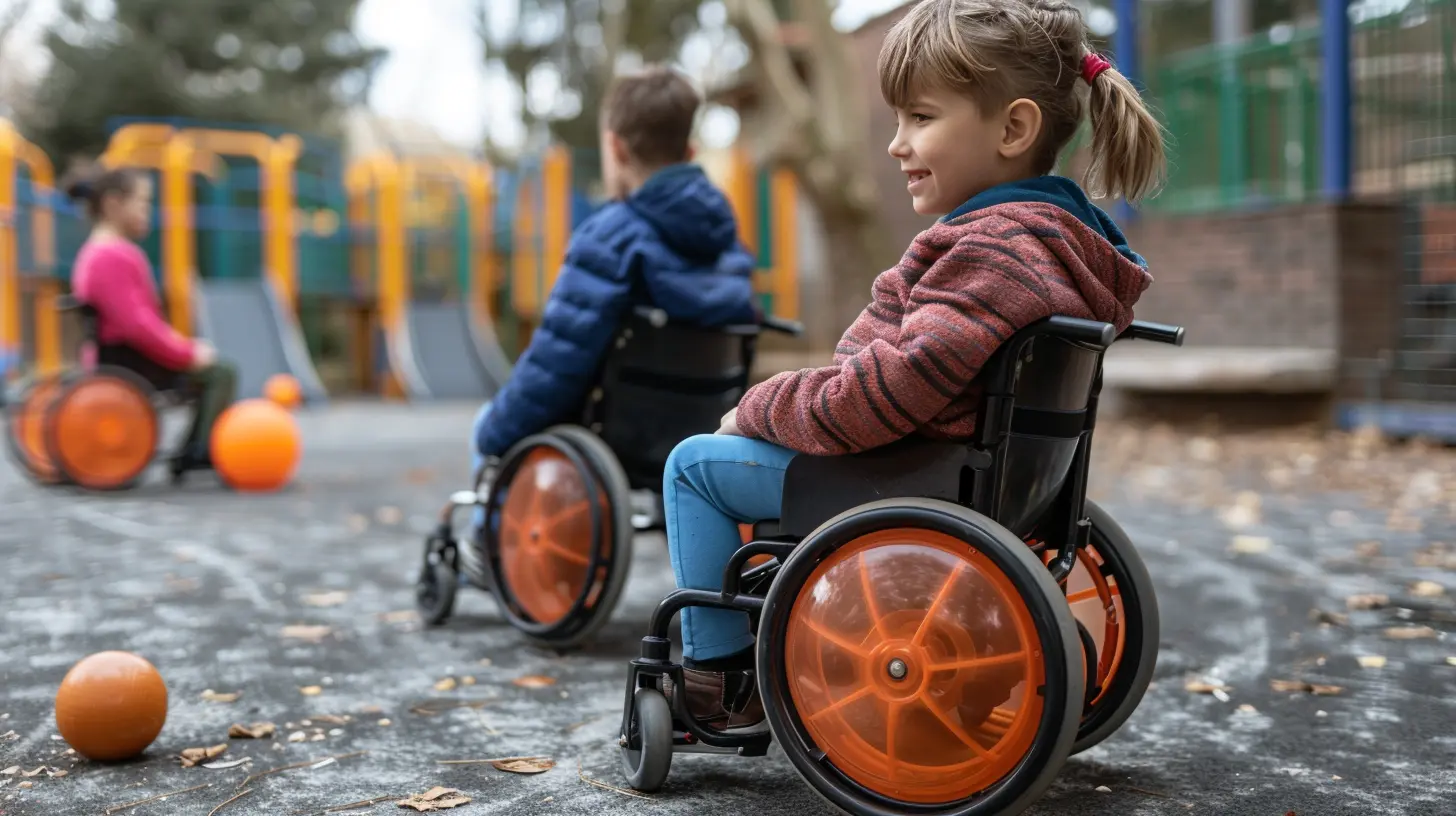
Strategies for Effective Adaptation
Okay, so how do we actually do this? Let’s look at some practical ways to adapt PE.Modify Equipment
Sometimes, a simple equipment swap can make a world of difference.- Use lighter or larger balls for easier grip.
- Add bells or textures to objects for visually impaired students.
- Use scooters, harnesses, or walkers for mobility support.
It’s like customizing a video game controller—you adjust to suit the player.
Adjust the Rules
Changing the rules isn’t “cheating”—it’s leveling the field.- Allow extra time for certain skills.
- Shorten distances for running or throwing.
- Replace competitive games with cooperative ones.
Do what makes the activity fun and accessible.
Break Down Skills
Break down complex moves into smaller steps. For example, teaching basketball might start with just gripping the ball and then gradually build up to dribbling and shooting.Think of it like Lego—you build one brick at a time.
Use Visuals and Demonstrations
Some students benefit from seeing rather than hearing instructions. Try:- Picture cards or posters
- Video modeling
- Peer demonstrations
Keep it visual, and keep it simple.
Offer Choices and Encourage Self-Advocacy
Let students have a say. Ask them what they enjoy and what they’re uncomfortable with. When students feel heard, they feel more motivated to participate.Adapted Activities: Real-Life Examples
Let’s walk through some examples of adapted sports and activities. These ideas aren’t just helpful—they’re fun!1. Parachute Games
Low impact and high engagement. Students can grasp the edges or have the parachute placed on laps. Great for motor skills and social interaction.2. Seated Basketball
Wheelchair or seated basketball focuses on upper-body strength and teamwork. Hoops can be lowered, and balls can be lighter.3. Modified Relay Races
Use scooters, walking aids, or even crawling. The key is to encourage movement—however it looks—for each student.4. Dance and Rhythmic Movement
Great for students with autism or cognitive disabilities. Add music, scarves, or visuals. Let them move freely and explore rhythm.5. Yoga and Stretching
Perfect for students with limited mobility or anxiety. Calming, adaptable, and beneficial for flexibility and focus.The Role of Teachers and Support Staff
Awesome adaptations don’t happen by accident. They require commitment, creativity, and compassion—especially from PE teachers and aides.Training Matters
Teachers need proper training in adaptive techniques, disability awareness, and inclusive practices. The more equipped they feel, the better they can support students.Collaboration is Everything
PE teachers shouldn’t go it alone. They can team up with:- Special education teachers
- Physical or occupational therapists
- Parents and caregivers
- The students themselves
Teamwork really does make the dream work.
Common Myths About Adapted PE
Let’s bust a few myths, shall we?Myth #1: “It’s Just Free Time”
Nope. Adapted PE is structured, goal-oriented, and every bit as important as traditional PE.Myth #2: “It’s Too Hard to Include Everyone”
It’s not about perfection—it’s about progress. Inclusion takes effort, sure, but the rewards are worth it.Myth #3: “Disabled Students Can’t Compete”
Tell that to the athletes in the Paralympics! With the right adaptations, competitive sports are possible.Benefits of Adapted Physical Education
The impact of adapted PE goes way beyond fitness.Physical Benefits
- Improved coordination, balance, and strength- Healthier lifestyle habits
- Reduced risk of chronic illnesses
Emotional Benefits
- Boosts self-esteem- Reduces anxiety and depression
- Creates a sense of belonging
Social Benefits
- Builds friendships- Encourages teamwork
- Enhances communication skills
Sounds like something every student could use more of, right?
Real Talk: Challenges and How to Overcome Them
Sure, there are obstacles: limited funding, lack of training, tight schedules. But here’s the truth—when schools prioritize inclusion, they find a way.- Start small: One adapted activity at a time.
- Use existing resources: Many tools and games can be improvised.
- Celebrate successes: Every milestone counts.
Adapted PE isn’t just a policy—it’s a mindset.
How Parents and Caregivers Can Help
Parents are powerful advocates. Here’s how they can support their children:- Communicate with teachers about your child’s needs
- Share what activities your child enjoys at home
- Attend IEP (Individualized Education Program) meetings
- Ask about adapted PE assessments
- Cheer your child on—every step counts!
Looking Ahead: The Future of Adapted PE
We're seeing more schools embrace inclusive fitness. With advances in technology, resources, and awareness, the future is promising.There’s even talk of virtual PE classes that cater to all ability levels. Imagine personalized workouts at your fingertips, tailored to your body and mind. That's where we’re headed.
Final Thoughts
At the end of the day, adapted physical education isn’t just for students with disabilities—it’s for all of us. It’s a reminder that everyone deserves to move, play, and feel like they belong.So, let’s trade exclusion for inclusion, pity for empowerment, and barriers for bridges. Because when we adapt the game, everybody wins.
all images in this post were generated using AI tools
Category:
Physical EducationAuthor:

Olivia Lewis
Discussion
rate this article
2 comments
Jocelyn Jacobs
Empowering all students through inclusive PE practices.
January 27, 2026 at 12:40 PM
Olivia Lewis
Thank you! Inclusive PE practices truly enhance the learning experience for all students, fostering a supportive and adaptive environment.
Elena Kim
Inclusive PE enriches all students’ experiences—let's embrace diverse abilities in sports!
January 17, 2026 at 4:59 AM
Olivia Lewis
Thank you for your insightful comment! Embracing diverse abilities in PE truly enhances the experience for all students and fosters a more inclusive environment.