Art and Mental Health: How Creative Expression Supports Well-Being
28 January 2026
Mental health is just as crucial as physical health, yet many people struggle to find effective ways to manage stress, anxiety, and emotional turmoil. While therapy, exercise, and medication all play significant roles in maintaining mental well-being, there’s another powerful tool that often gets overlooked—art.
Creative expression, whether through painting, writing, music, or dance, has profound effects on mental health. It acts as an emotional outlet, a stress reliever, and even a form of healing. But how exactly does art support well-being? Let’s dive into the fascinating connection between creativity and mental health. 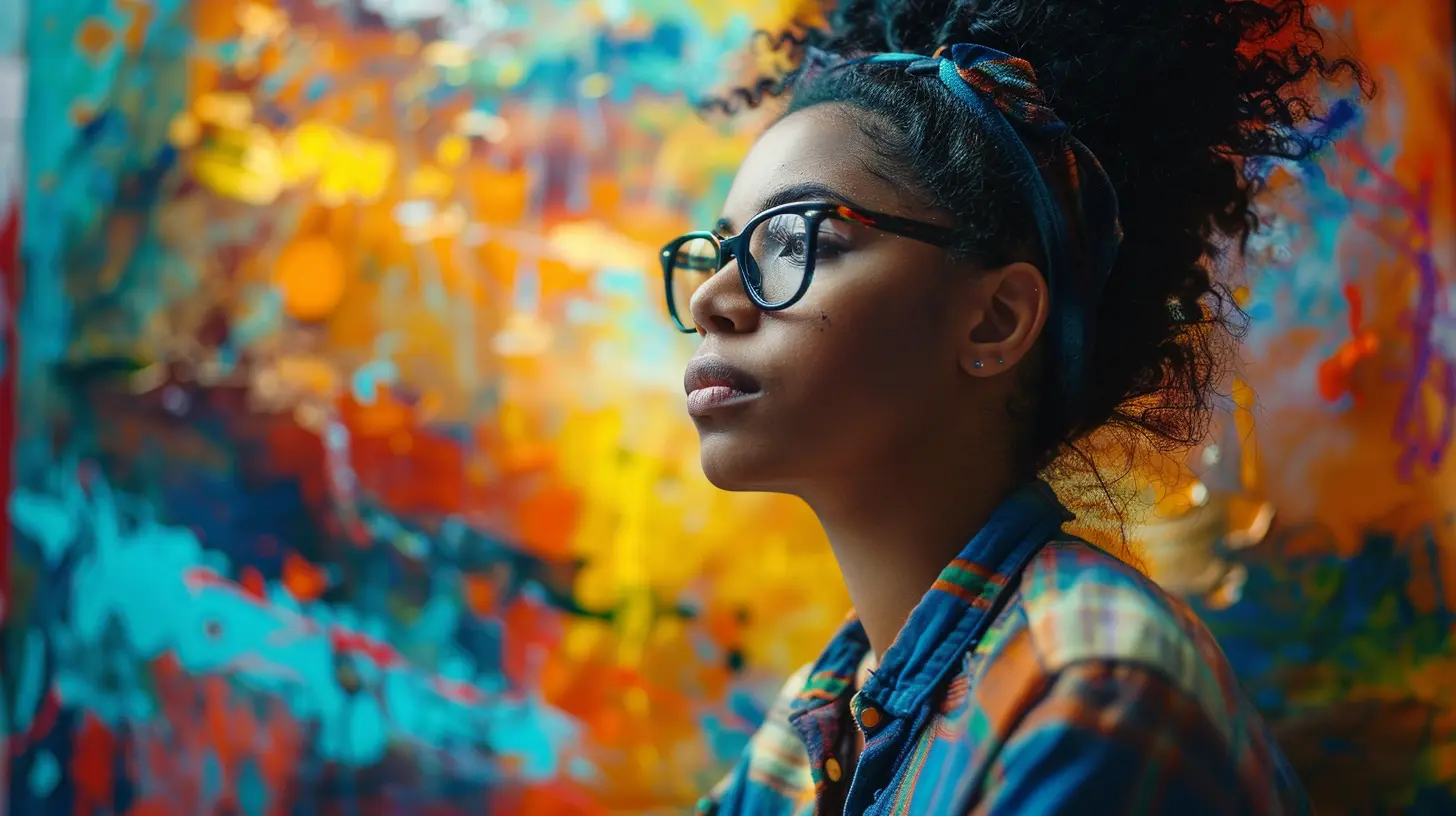
The Therapeutic Power of Art
Have you ever lost yourself in a drawing, a song, or even a good book? That feeling of complete immersion isn't just satisfying—it’s therapeutic. Art engages both the mind and body, allowing emotions to flow freely without judgment.Art as an Emotional Outlet
Sometimes, words fail us. When emotions are too intense to articulate, creative expression steps in. Painting, sculpting, or writing can help process feelings that might otherwise stay bottled up.Think about it: Have you ever scribbled in a journal after a long day and felt lighter afterward? That’s because art provides a safe space to unload thoughts and emotions without fear of criticism. It’s like talking to a non-judgmental friend who listens without interrupting.
Reducing Stress and Anxiety
Life gets overwhelming. Deadlines, responsibilities, and personal struggles can build up, leaving us anxious and drained. Creative activities like coloring, knitting, or playing an instrument can activate a state of mindfulness, similar to meditation.When you're focused on creating something, your mind shifts away from stressors. The rhythmic strokes of a brush or the soothing melody of a song bring a sense of calm, allowing your brain to take a much-needed break.
Art as a Form of Self-Discovery
Art isn't just about creating something beautiful—it’s about discovering yourself. Have you ever looked back at an old drawing or poem and realized how much you've grown?Expressing yourself creatively helps uncover thoughts and emotions buried deep inside. It can reveal your fears, dreams, and unresolved emotions, giving you a clearer understanding of who you are and what you need. 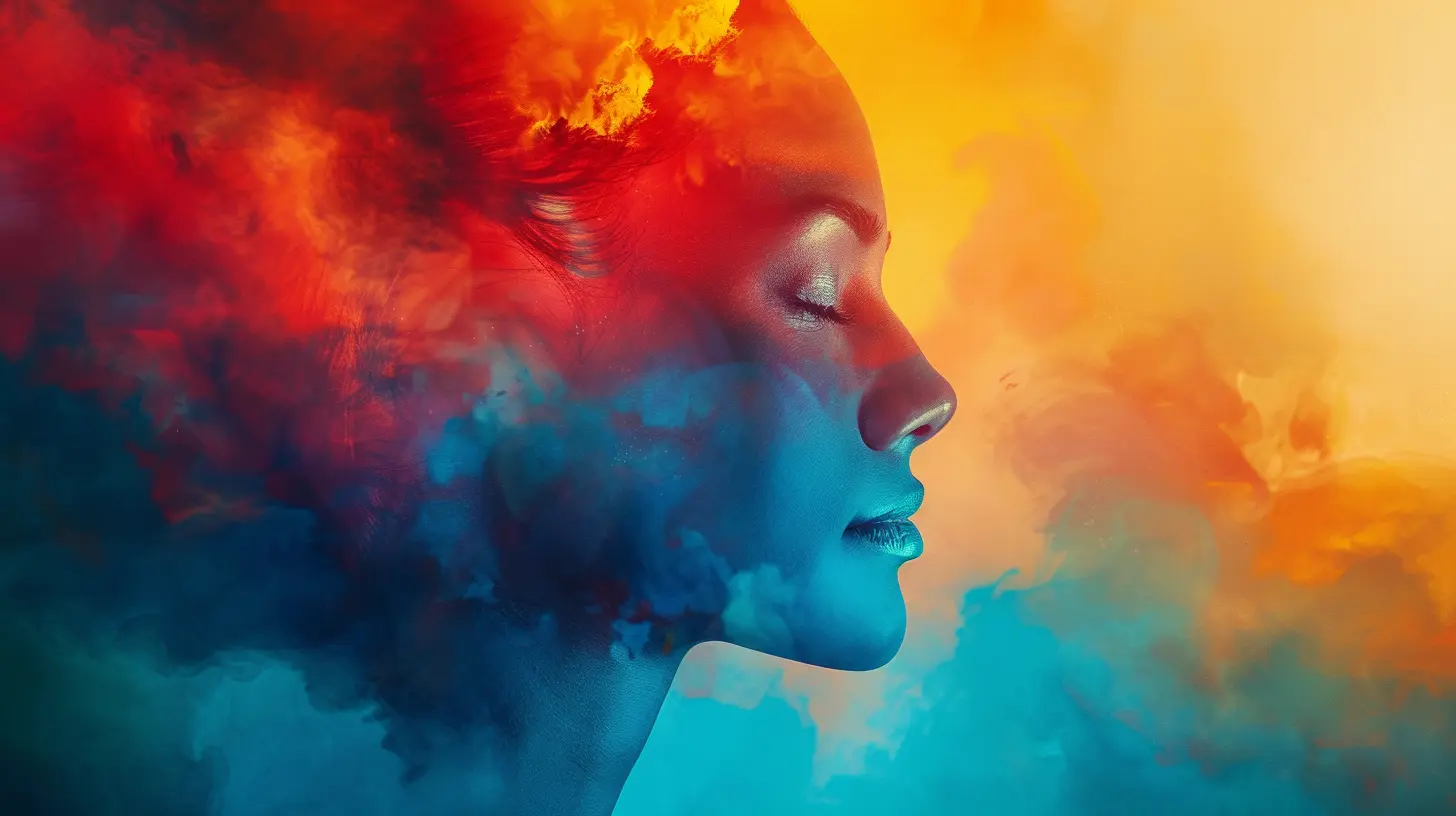
How Different Art Forms Support Mental Health
Not all artistic expressions are the same, and different forms of creativity offer unique mental health benefits. Let’s explore how various art forms support well-being.Painting and Drawing: A Visual Release
Painting and drawing provide a powerful way to channel emotions. The colors, strokes, and textures you choose reflect your inner state. Studies have shown that engaging in visual arts reduces cortisol, the stress hormone, helping you feel more relaxed.- Abstract painting: A great way to express emotions without worrying about perfection.
- Mandala or adult coloring books: Promote relaxation and focus.
- Sketching from nature: Encourages mindfulness and connection to the present.
Writing: The Healing Power of Words
Writing is one of the simplest yet most effective ways to process emotions. Whether it's poetry, journaling, or storytelling, putting thoughts into words can be incredibly therapeutic.- Journaling: Helps process emotions and track mental health progress.
- Poetry: A creative way to express feelings that are hard to say aloud.
- Storytelling: Allows you to rewrite and reinterpret personal experiences.
Music: A Soundtrack for Healing
Music has a direct impact on mood. Whether you're playing an instrument, singing, or simply listening, music can lift your spirits, calm your nerves, or provide an emotional release.- Playing instruments: Enhances cognitive function and emotional expression.
- Singing: Releases endorphins and reduces stress.
- Listening to music: Can be a form of self-soothing or motivation.
Dance and Movement: Expressing Through the Body
Movement is a powerful tool for emotional expression. Dance allows you to release pent-up energy, improve mood, and even boost self-esteem.- Freestyle dancing: Helps release stored emotions.
- Structured dance classes: Provide a sense of discipline and accomplishment.
- Movement therapy: Used in clinical settings to help process trauma. 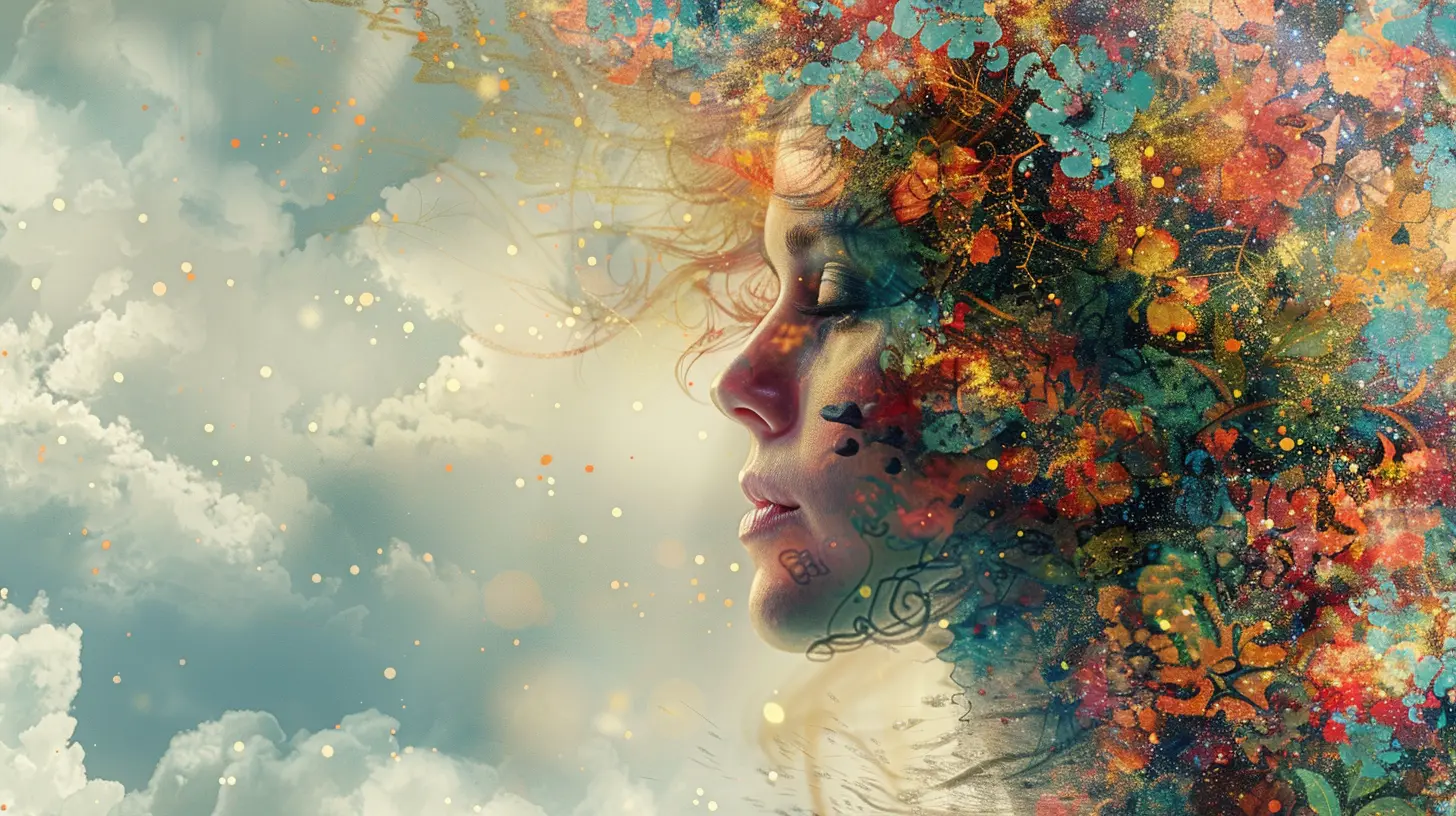
Art Therapy: A Professional Approach to Healing
While engaging in art independently is beneficial, art therapy takes it a step further. Guided by professional therapists, art therapy incorporates various mediums to help individuals cope with stress, trauma, addiction, and mental health disorders.Who Can Benefit From Art Therapy?
Anyone can benefit, but it's especially helpful for:- People with anxiety, depression, or PTSD
- Those recovering from trauma or loss
- Children struggling with emotional expression
- Individuals facing chronic illness or disabilities
Art therapy isn’t about talent—it’s about using creativity as a tool for healing. The process matters more than the final product. 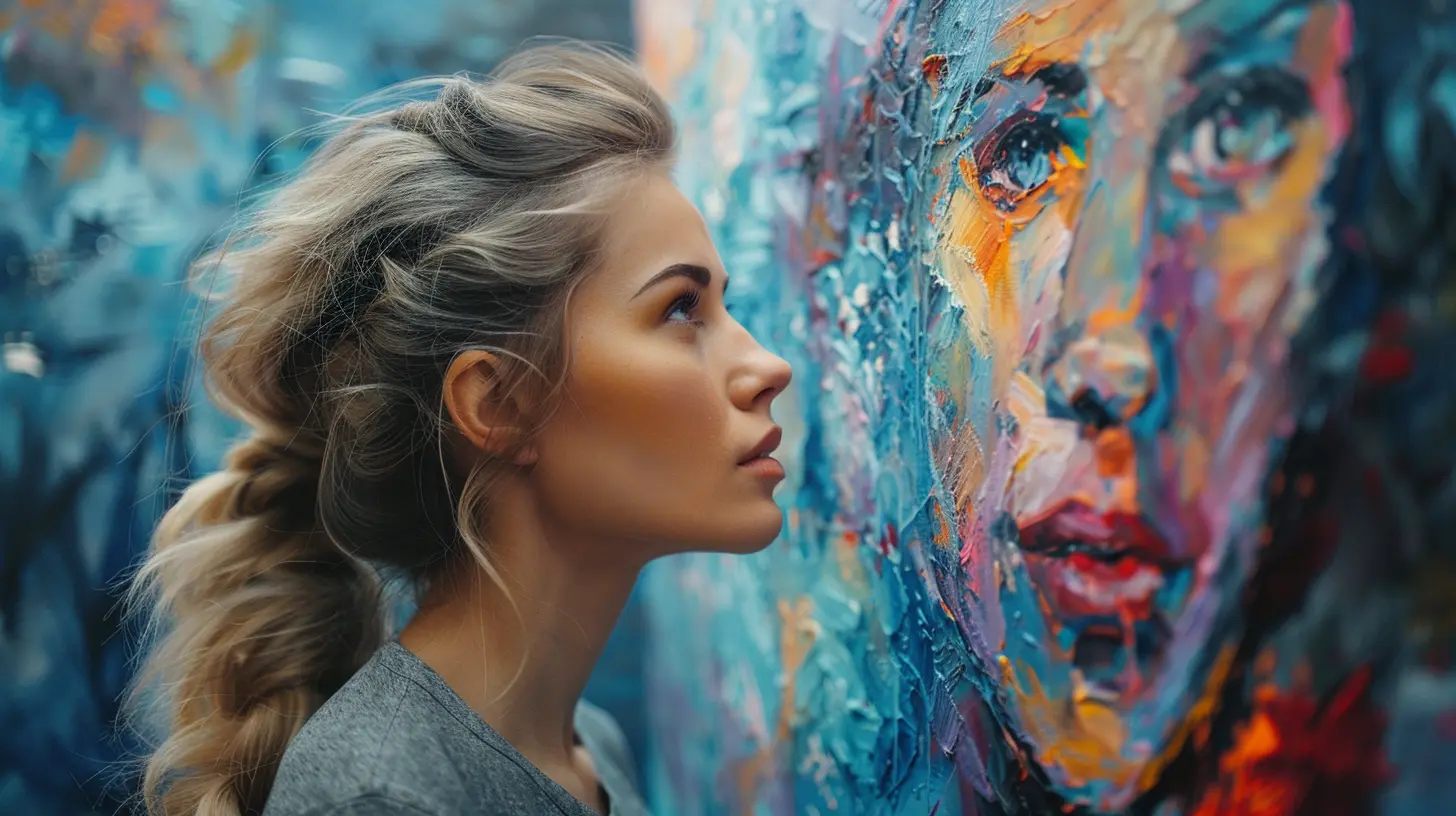
Why You Don’t Need to Be an Artist to Benefit
One of the biggest misconceptions about using art for mental health is that you need to be "good" at it. But here’s the truth: Art isn't about perfection—it's about expression.- Ever doodled during a boring lecture? That’s creativity at work.
- Scribbled down random thoughts in a notebook? That’s journaling.
- Hummed along to a song? That’s a form of musical engagement.
Art is for everyone. You don’t need a paintbrush and canvas to create—your creativity can manifest in everyday activities like cooking, gardening, or arranging your home decor.
Making Art a Habit for Mental Wellness
Ready to incorporate more creativity into your life? Here are some simple ways to make art part of your self-care routine:1. Keep a sketchbook or journal – Write or draw whenever you need to express yourself.
2. Try a new art form – Take up photography, pottery, or even digital art.
3. Set aside time for creative play – Just 20 minutes a day can make a difference.
4. Join a creative community – Find local art workshops or online groups for inspiration.
5. Don’t judge your work – Focus on the process, not the outcome.
Remember, the goal isn’t to create a masterpiece. It’s about using creativity as a tool to enhance your mental and emotional well-being.
Final Thoughts
Art has the incredible power to heal, uplift, and transform. Whether you’re sketching a doodle, writing poetry, dancing in your room, or listening to a song that speaks to your soul, you're engaging in an act of self-care.In a world that often feels overwhelming, creativity gives us a way to navigate our emotions, express ourselves freely, and find peace in the chaos. So, pick up that paintbrush, grab a journal, or turn on your favorite song—because art is therapy, and your well-being deserves it.
all images in this post were generated using AI tools
Category:
Art EducationAuthor:
Olivia Lewis
Discussion
rate this article
2 comments
Sierra Dorsey
What a delightful read! Embracing creativity is a fantastic way to boost mental well-being. Whether it's painting, writing, or dancing, let your imagination run wild and remember: every stroke and word is a step towards happiness! Keep creating!
February 9, 2026 at 4:43 AM
Olivia Lewis
Thank you for your kind words! I completely agree—embracing creativity truly enhances our mental well-being. Let's keep inspiring each other to create!
Grey Alexander
Who knew painting with your left foot could spark joy? 🎨🦶 Dive into the colorful chaos of creativity and discover how splashing paint can send stress packing! Let your inner Picasso run wild and watch your mental health bloom like a sunflower!" 🌻✨
February 1, 2026 at 4:00 AM
Olivia Lewis
Absolutely! Embracing unconventional methods like painting with your left foot can unlock new avenues of creativity and joy, showcasing the powerful link between artistic expression and mental well-being. 🌈