Art for Change: Encouraging Activism Through Creative Projects
25 February 2026
Art has always been more than just pretty pictures on walls or catchy tunes on the radio. It's a powerful voice, a mirror to society, and often, a catalyst for change. From the bold graffiti on city streets to the quiet strength of a protest song, creative expression has long played a leading role in social movements. But in today’s fast-paced world, where hashtags trend and fade in a matter of hours, how do we keep the flame of activism burning? That’s where art steps in—again and again.
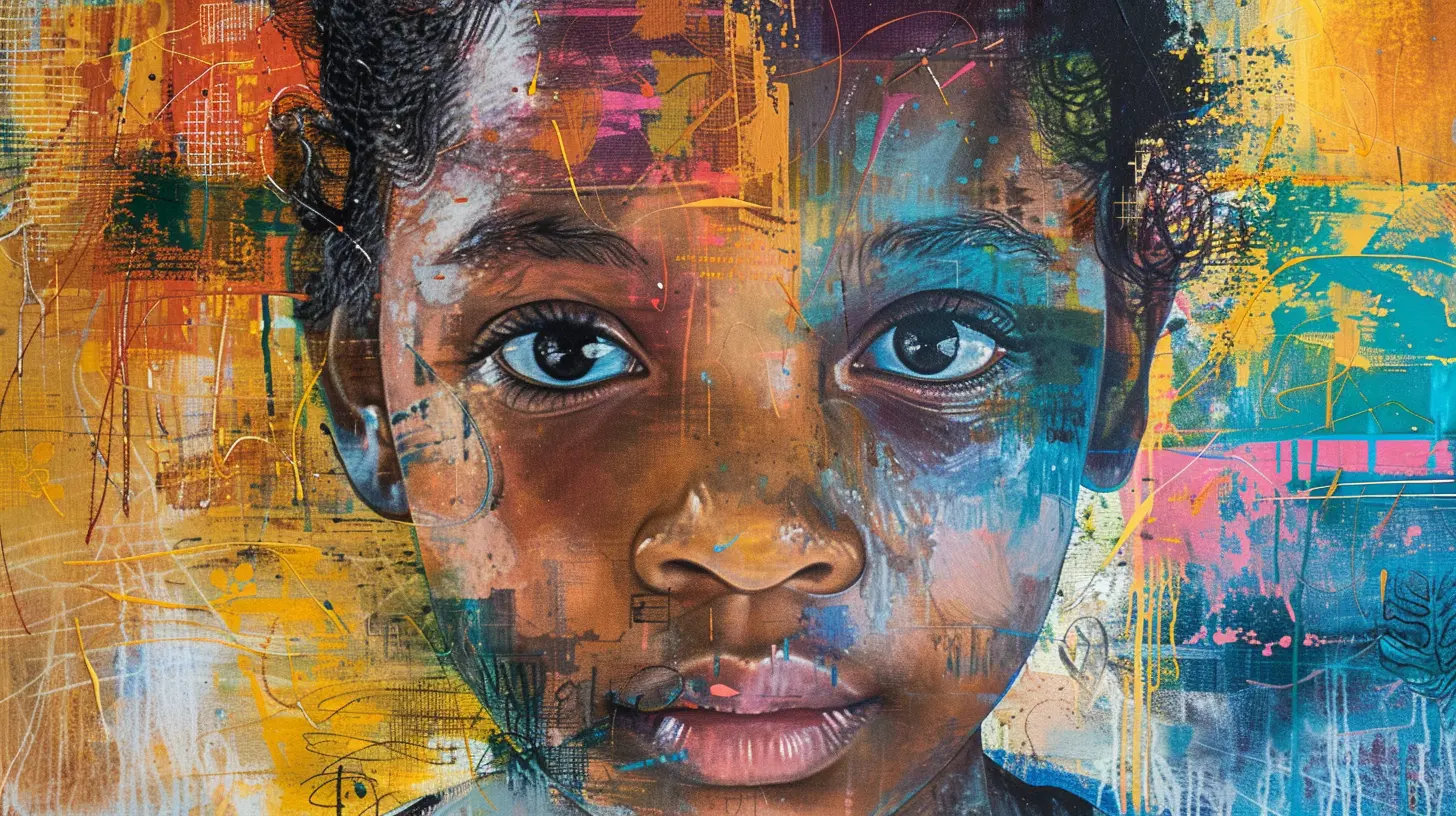
Why Art and Activism Go Hand in Hand
Think about this for a second: when was the last time a statistic moved you emotionally? Now, how about a photograph of a refugee child or a mural demanding climate action? That’s the magic of art—it bypasses logic and dives straight into the emotions.Art grabs our attention. It paints the truth in color. And most importantly, it sticks with us. Where speeches can be forgotten, images linger in our minds. Songs become anthems. Films shape our worldview. Creative projects give people a voice when they feel voiceless and provide a platform to speak up without uttering a single word.
The History of Art as a Tool for Activism
Let’s take a quick trip through history, shall we?- The Civil Rights Movement in the U.S. brought not just marches, but also powerful photography, protest posters, and music like “We Shall Overcome.”
- Guernica, Pablo Picasso’s haunting mural, screamed out against the horrors of war way back in 1937.
- The feminist posters and zines of the 1970s were as much about aesthetics as they were about fighting for gender equality.
- More recently, movements like Black Lives Matter and Fridays For Future have used street murals, digital art, and performance pieces to amplify their messages.
Whenever people have demanded justice, equality, or peace, art has walked—or danced, sung, and spray-painted—right alongside them.
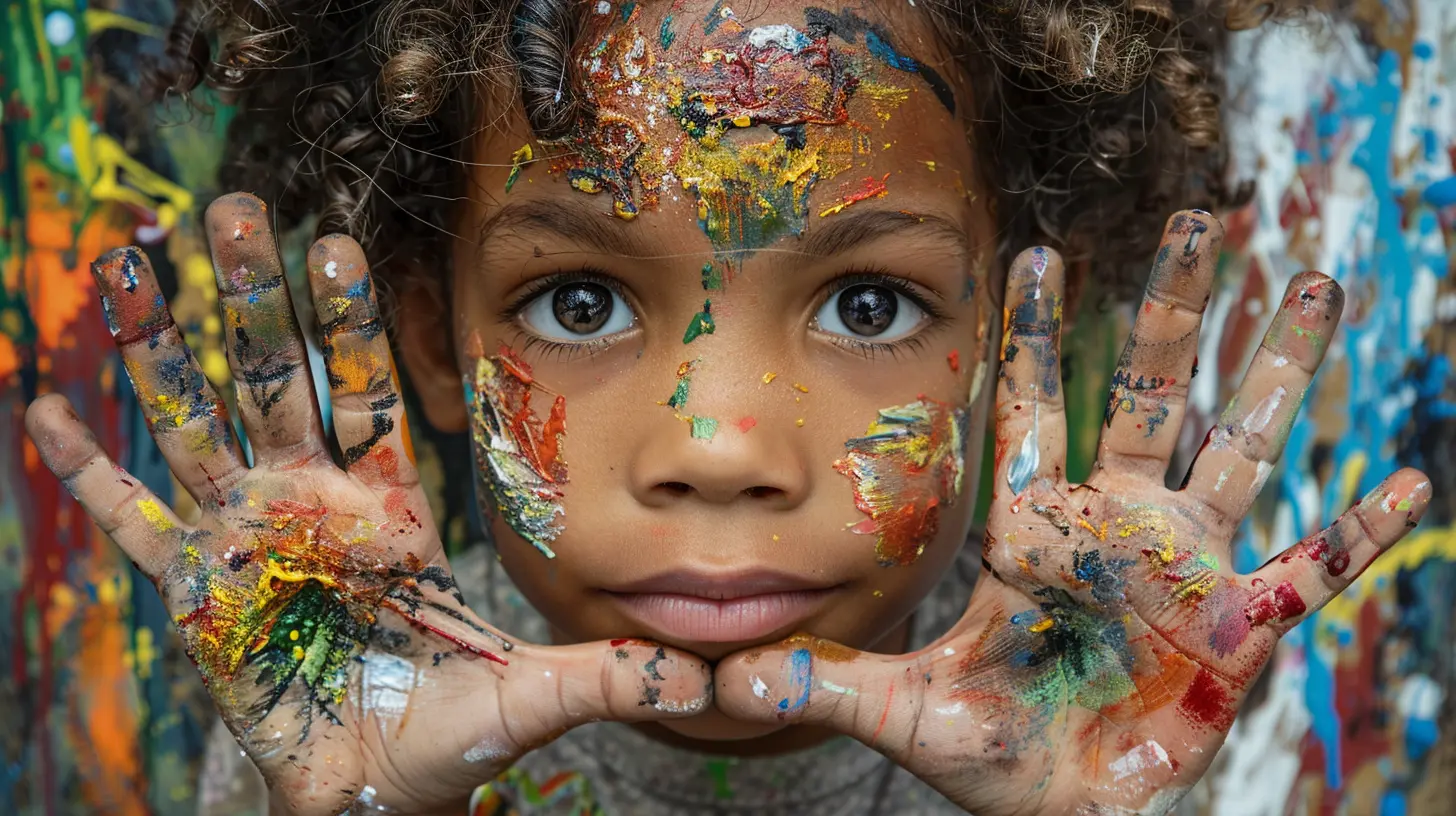
Creative Projects That Spark Change
So what kind of creative projects can actually light the fire of social change? Here's a breakdown of the most impactful forms out there:1. Street Art & Murals
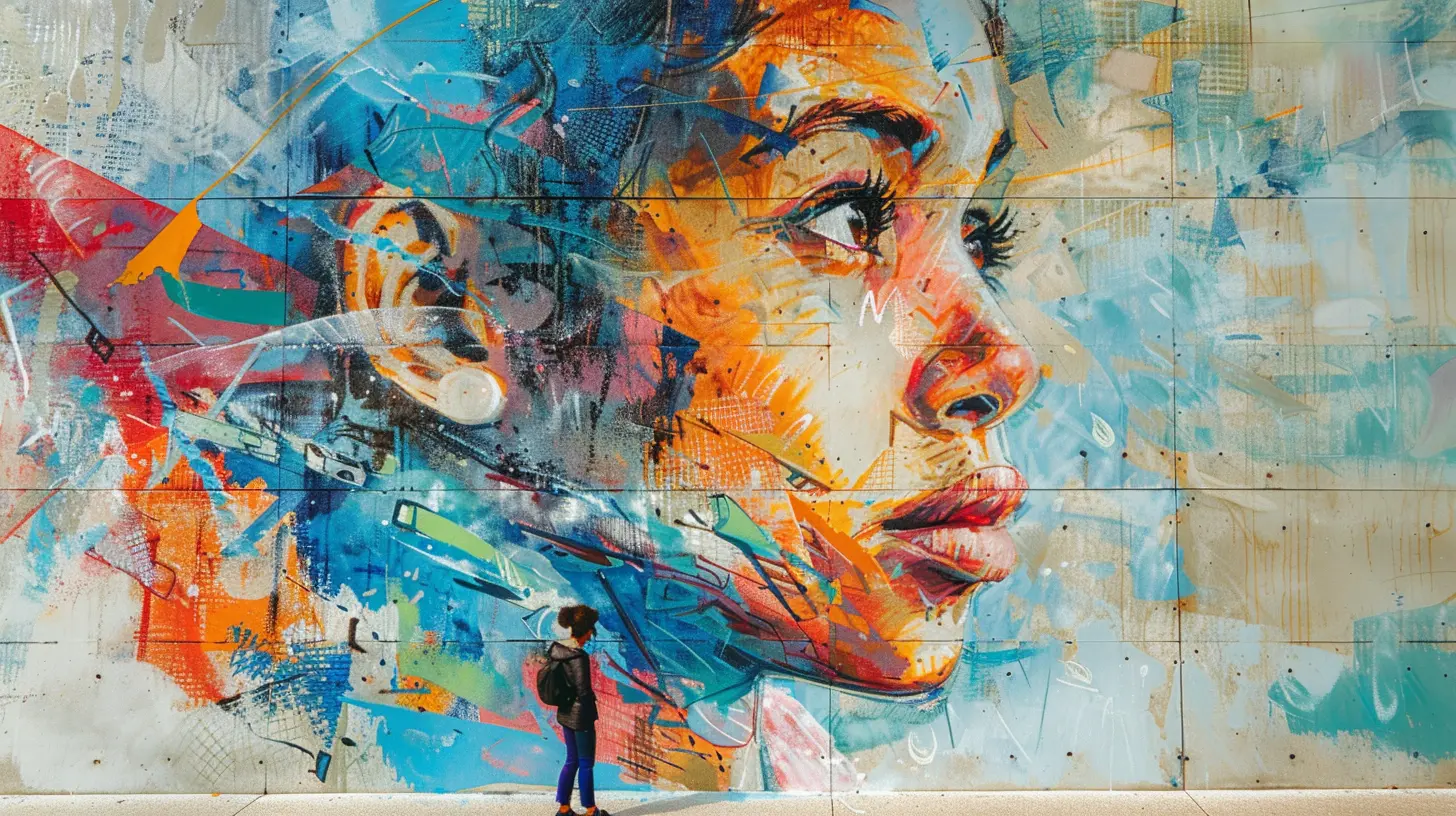
Street art isn’t just rebellious doodling. It’s public storytelling. Artists like Banksy have shown how spray paint can question authority, draw attention to injustices, and push conversations into the spotlight.From George Floyd murals around the globe to environmental messages painted on urban walls, street art is raw, emotional, and accessible to everyone.
2. Music & Spoken Word
Ever had a song speak your truth before you even knew how to say it? That’s the power of protest music. Artists like Bob Dylan, Nina Simone, Kendrick Lamar, and H.E.R. have used lyrics to ignite change.Same goes for spoken word poetry—it’s intimate, emotional, and deeply personal. Think of it as activism with a beat.
3. Theatre & Performance Art
Live performances have a unique way of drawing audiences in. Whether it's a street play about climate change or a flash mob dancing against domestic violence, these forms create a ripple effect. People stop. They listen. They think.Activist theatre doesn’t just entertain—it educates, provokes, and mobilizes.
4. Photography & Visual Arts
One picture really can be worth a thousand words. Powerful images have changed public opinion and policy. Think of the photo of the napalm girl during the Vietnam War or the heartbreaking imagery of Syrian refugee children.Art exhibitions tackling racism, identity, or poverty can move people in ways statistics simply can't.
5. Digital Art & Social Media Campaigns
We live online, don’t we? That’s why digital art and social media activism are taking center stage. Posters, infographics, animated videos, and even memes are reshaping how movements grow.Hashtags like #MeToo and #ClimateStrike got the ball rolling, but it was the art shared around them that made people stop scrolling and start acting.
Why Students and Educators Should Jump In
If you’re a student—or an educator—this is your cue. You don’t have to wait for someone else to lead the charge.Artistic activism is incredibly effective in schools and colleges. It fosters community, empathy, and critical thinking. Creative projects can empower youth to speak up, build confidence and develop a sense of agency.
Want to spread awareness about mental health on campus? Organize a photography exhibit showing real, raw emotions. Want to stand against gender discrimination? Paint a mural. Write a poem. Create a short film.
The tools are literally at your fingertips.
How to Start Your Own Creative Activism Project
Feeling fired up but not sure where to start? Here’s a step-by-step guide to get the creative juices flowing:Step 1: Identify the Cause
What injustice is gnawing at your heart? Climate change? Racial justice? Education access? Pick a cause that resonates personally. Passion fuels creativity.Step 2: Choose the Medium
Are you a painter? A rapper? A filmmaker? There’s no right or wrong way to express yourself. Your medium should reflect your strengths and the message you want to deliver.Step 3: Know Your Audience
Who are you trying to reach? Community members? Policymakers? Fellow students? Understanding your audience will shape how you present your art.Step 4: Collaborate
Two brushes are better than one, right? Team up with like-minded creatives, activists, or organizations. Collaboration brings in new perspectives and expands your reach.Step 5: Share and Engage
Don’t just create—share. Use platforms like Instagram, TikTok, YouTube, and local galleries to get your work seen and heard. Create spaces for dialogue around your project—host a Q&A, start a hashtag challenge, host an open mic night.The more conversations your art sparks, the more powerful it becomes.
Real-World Examples of Artistic Activism Making a Difference
Sometimes, the best way to get inspired is to see what others have done. Check these out:- The AIDS Memorial Quilt: A beautiful, heart-wrenching patchwork of stories and remembrance, it raised awareness during the height of the AIDS crisis.
- The Guerrilla Girls: An anonymous group of feminist artists who use humor and art to expose gender and racial inequality in the art world.
- Amplifier Art Project: This nonprofit uses art and media to amplify the voices of grassroots movements through posters, murals, and installations.
These projects prove that art isn’t just powerful—it’s transformative.
The Emotional Power of Art in Activism
Here’s the thing: facts can inform, but art transforms. It cracks open minds. It builds bridges where debates have built walls.Art speaks to our humanity. It makes people feel the pain, the hope, the urgency. That emotional connection is what drives people to act—not just sign a petition, but truly care.
It’s like lighting a candle in the dark. One person sees it, then another, and suddenly, the room is glowing.
Art as a Universal Language
You could speak English, Hindi, Arabic, or no language at all—art will still speak to you. That’s what makes it such a force in activism. It transcends borders, backgrounds, and binaries.In a world so divided, art builds unity. It helps us realize that while our stories may be different, our struggles and hopes are deeply connected.
The Takeaway: Creativity Can Be a Protest
You don’t need to be a “professional artist” to be an activist with a paintbrush or a pen. Every doodle, every verse, every drop of expression counts.Whether you’re sketching in a notebook or organizing a massive mural campaign, your creativity has power. Use it.
So, what will your next project be? A protest poster? A poetry slam? A virtual art gallery to spark conversation?
Whatever it is, make it count. Make it loud. Make it unapologetically, beautifully, powerfully you.
all images in this post were generated using AI tools
Category:
Art EducationAuthor:

Olivia Lewis
Discussion
rate this article
2 comments
Maxine Robinson
This article brilliantly highlights the transformative power of art in activism, inspiring individuals to engage creatively and effect meaningful social change. Well done!
March 2, 2026 at 4:37 AM
Olivia Lewis
Thank you for your kind words! I'm glad the article resonated with you and inspires creative engagement in activism.
Dolores Myers
This article highlights the powerful role of creativity in fostering social change and activism. Inspiring!
February 25, 2026 at 4:53 AM
Olivia Lewis
Thank you! I'm glad you found it inspiring. Creativity truly can drive meaningful change.