Best Practices for Blending Learning Styles in Group Projects
19 February 2026
Group projects can be a challenge, especially when everyone's brain seems to work differently. Some people thrive on visuals, while others prefer hands-on experience. Some need to hear information to grasp it fully, while others need to write everything down. So, how do you balance all these learning styles in a way that helps the entire group succeed?
Blending learning styles in group projects isn't just about making things easier—it’s about making them more effective. When done right, it can boost creativity, improve understanding, and create a more inclusive learning environment. Let’s break down the best practices to ensure every team member gets the most out of the experience.

Understanding Different Learning Styles
Before jumping into solutions, it's essential to understand the four main learning styles based on the VARK model:1. Visual Learners – They absorb information best through diagrams, charts, and imagery.
2. Auditory Learners – They prefer listening to explanations, discussions, or lectures.
3. Reading/Writing Learners – They process information effectively by reading and taking notes.
4. Kinesthetic Learners – They learn best through hands-on activities and real-world applications.
Since no two people learn exactly the same way, combining these styles in a single group project can be tricky. But with the right approach, it can be incredibly rewarding.
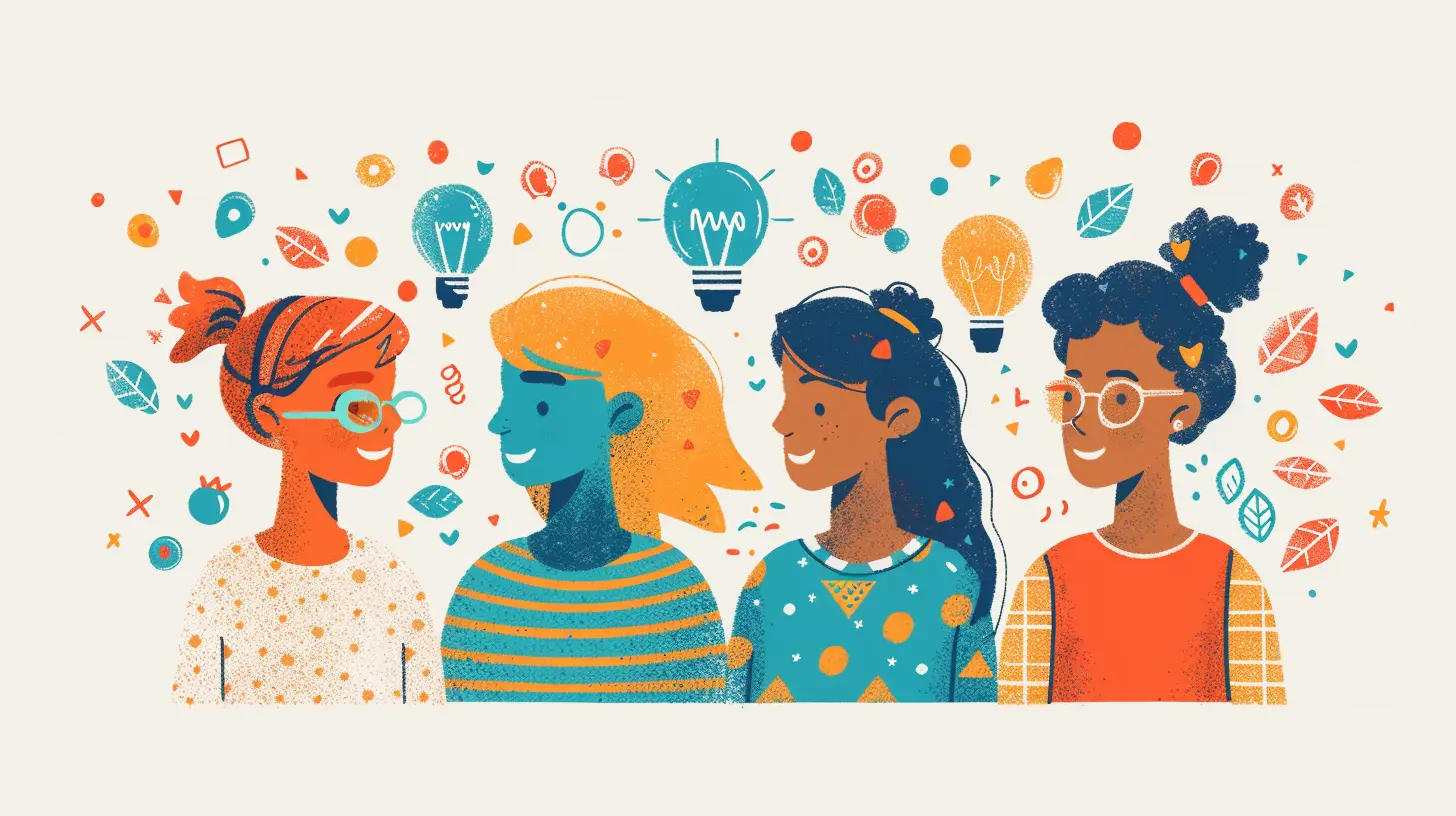
Best Practices for Blending Learning Styles

1. Establish Clear Roles and Responsibilities
When working in a group, it's easy for some members to take over while others sit back. To prevent this, assign roles based on individual strengths and preferred learning styles.- Visual learners can handle design aspects like creating charts, infographics, or PowerPoint slides.
- Auditory learners can lead discussions, summarize key points, and present findings.
- Reading/writing learners might prefer research, writing reports, or drafting project outlines.
- Kinesthetic learners can focus on hands-on tasks such as experiments, demonstrations, or practical applications.
By aligning tasks with learning preferences, you ensure that everyone contributes in a way that suits them best.
2. Use a Variety of Communication Methods
Stick to only one communication method, and you risk alienating some group members. Instead, mix things up:- Hold verbal discussions for auditory learners.
- Use visual aids like mind maps or graphs for visual learners.
- Share written summaries or documents for reading/writing learners.
- Introduce interactive elements like role-playing or models for kinesthetic learners.
This way, no one is left struggling to keep up.
3. Incorporate Multiple Learning Materials
A project shouldn’t rely on just one type of resource. Instead, utilize a mix of:- Videos and diagrams (for visual learners)
- Podcasts or recorded discussions (for auditory learners)
- Articles, books, and written notes (for reading/writing learners)
- Hands-on activities and real-world examples (for kinesthetic learners)
By diversifying materials, you ensure that every learning style is engaged.
4. Encourage Active Participation
Some students might hesitate to speak up, especially if their preferred learning method isn't the dominant one. Foster a culture where participation is encouraged in different ways:- Let each member present findings in their preferred style (visual aids, spoken presentations, demonstrations, or written reports).
- Rotate responsibilities so everyone steps outside their comfort zone a little but still contributes meaningfully.
- Create an open environment where all ideas are valued.
This helps prevent any learning style from overshadowing the others.
5. Use Technology to Your Advantage
Modern tools make it easier than ever to cater to different learning styles. Consider using:- Canva or PowerPoint for visual learners who love to create graphical elements.
- Voice recordings or discussion boards (like Slack or Discord) for auditory learners.
- Google Docs or Notion for reading/writing learners who prefer structured text.
- Simulations or hands-on digital tools (like interactive whiteboards) for kinesthetic learners.
Technology helps bridge gaps between learning styles, making collaboration smoother.
6. Encourage Peer Learning and Feedback
Sometimes, the best teacher is a fellow student. Encouraging group members to explain concepts to each other reinforces understanding and adapts to multiple learning styles.- Let auditory learners summarize discussions aloud.
- Give reading/writing learners time to jot notes and structure their thoughts.
- Have visual learners sketch out ideas on a whiteboard.
- Allow kinesthetic learners to demonstrate concepts through activities.
This way, you create a dynamic learning environment where everyone benefits from each other’s strengths.
7. Make Meetings Interactive
Nobody enjoys sitting through dry, one-sided meetings. Keep engagements lively with:- Brainstorming sessions where people contribute in different ways (verbally, graphically, or through written bullet points).
- Quick interactive quizzes or games to gauge understanding.
- Breakout activities that cater to various learning styles (e.g., a discussion round, a visual content creation round, and a hands-on demonstration round).
Engagement skyrockets when meetings aren’t just about listening but actively participating.
8. Set Clear Deadlines and Checkpoints
Without deadlines, projects can quickly spiral into chaos. To avoid last-minute stress:- Break the project into smaller tasks with specific deadlines.
- Schedule weekly (or bi-weekly) check-ins to ensure progress.
- Use tools like Trello or Asana to track who’s doing what.
Keeping everything structured ensures that group members stay accountable.
9. Foster a Growth Mindset
Sometimes, blending learning styles means stepping outside your comfort zone. Encourage a growth mindset where all group members:- Stay open to learning new approaches.
- Support each other’s learning styles rather than dismissing them.
- Give constructive feedback in a way that is helpful, not discouraging.
After all, growth happens when we challenge ourselves.
10. Reflect and Improve for the Future
Once the project is complete, don’t just move on. Take time to reflect:- What worked well in balancing learning styles?
- What could have been done differently?
- How can the experience be improved for the next group project?
Learning from past experiences strengthens future collaborations.
Final Thoughts
Group projects don't have to be a struggle when different learning styles come into play. By understanding how each person learns best and using strategies that cater to all styles, teamwork becomes more efficient, inclusive, and productive.Remember, the goal isn’t just to complete a project—it’s to make sure everyone actually learns in the process. With these best practices, your group will be set up for success, no matter how diverse the learning styles are.
all images in this post were generated using AI tools
Category:
Learning StylesAuthor:
Olivia Lewis
Discussion
rate this article
2 comments
Tiffany Nguyen
Great insights on blending learning styles! These best practices will surely enhance collaboration and engagement in group projects.
February 26, 2026 at 5:34 AM
Olivia Lewis
Thank you! I'm glad you found the insights valuable for enhancing collaboration and engagement.
Melissa Yates
Blending learning styles is like mixing cake batter—just the right whisk can create a masterpiece!
February 21, 2026 at 4:35 AM
Olivia Lewis
Absolutely! Just like a perfect cake requires the right mix, successful group projects thrive on harmonizing diverse learning styles for optimal engagement and outcomes.