Building Emotional Connections to Increase Student Engagement
7 November 2025
Engaging students in the classroom isn’t just about delivering content—it’s about building relationships. Think about it: Have you ever felt more motivated to learn from a teacher who genuinely cared about you? That’s the power of emotional connections in education.
When students feel emotionally connected to their teachers, peers, and learning environment, they become more active participants in their own education. This engagement leads to better retention, improved academic performance, and a love for learning that extends beyond the classroom.
So, how can educators foster these emotional connections to boost student engagement? Let’s dive in! 
Why Emotional Connections Matter in Education
Humans are social beings—our emotions play a massive role in how we interact with the world around us. The same applies in education. When students feel connected to their teachers and peers, they develop a sense of belonging. And guess what? A sense of belonging is a game-changer when it comes to motivation and learning.Here’s why emotional connections are crucial in education:
- They enhance student motivation. When students feel seen and valued, they naturally put in more effort.
- They improve academic performance. Engaged students retain information better and perform well in assessments.
- They boost classroom behavior. Students who feel emotionally connected are less likely to act out.
- They support mental well-being. A positive learning environment reduces stress and anxiety, making students more open to absorbing new information.
Now that we understand the importance, let’s break down some practical ways educators can build these connections. 
1. Foster a Supportive Classroom Environment
Creating an emotionally supportive classroom starts with cultivating a safe space where students feel respected and appreciated. Here’s how you can ensure your classroom is welcoming:a) Encourage Open Communication
We all want to be heard, don’t we? The same goes for students. Encouraging open dialogue allows students to express their thoughts and emotions without fear of judgment.- Let students share their opinions without interruption.
- Practice active listening—acknowledge their perspectives.
- Use positive reinforcement to build confidence.
b) Show Empathy and Understanding
Students have bad days too. Instead of immediately correcting behavior, take a moment to understand what’s going on. A simple, “Hey, is everything okay?” can make a world of difference.- Recognize signs of distress.
- Offer support before discipline.
- Be patient—sometimes, students just need someone to listen. 
2. Build Strong Teacher-Student Relationships
Think back to your favorite teacher. Chances are, it wasn’t just about what they taught but how they made you feel. Teachers who take the time to know their students on a personal level create stronger emotional bonds.a) Learn Their Names and Interests
The simplest way to build a connection? Use students' names. It might seem minor, but addressing someone personally creates an instant bond. Go beyond names—learn about their interests, hobbies, and aspirations.- Ask about their favorite books, music, or sports.
- Incorporate their interests into lessons.
- Acknowledge personal achievements, even outside of academics.
b) Share Personal Stories
Students don’t just want a teacher; they want a human. Sharing appropriate personal experiences can make lessons more relatable and strengthen connections.- Talk about challenges you’ve faced and how you overcame them.
- Relate real-life experiences to your subject matter.
- Show vulnerability—it makes you more relatable. 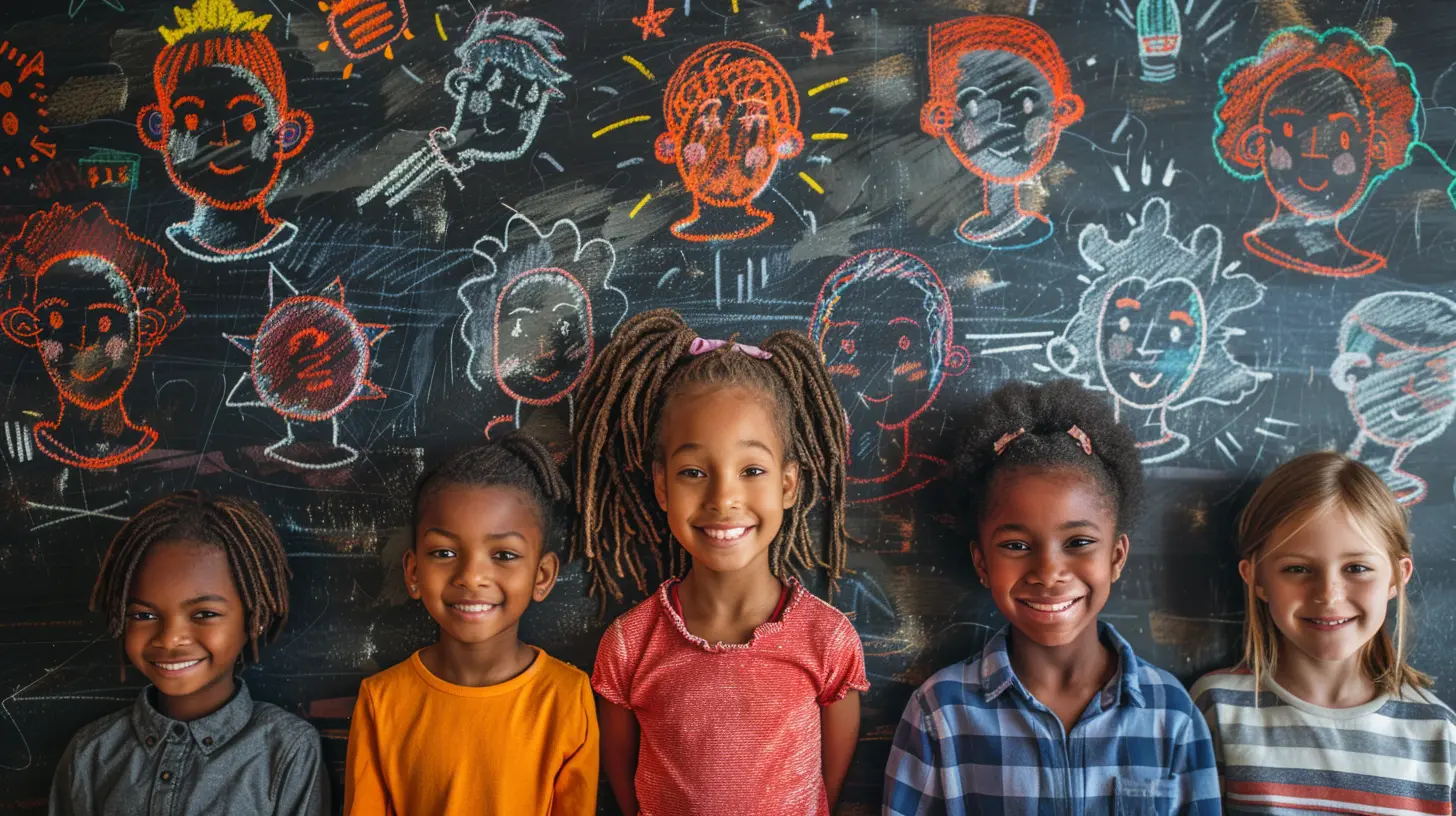
3. Promote Peer Connections
Emotional connections don’t just apply to teacher-student relationships. Encouraging students to connect with their peers fosters a sense of community.a) Implement Collaborative Learning
Group activities and peer discussions are excellent ways to encourage social interaction. When students work together, they build trust and camaraderie.- Assign group projects that require teamwork.
- Encourage peer feedback and discussions.
- Use icebreaker activities to help students bond.
b) Encourage a Culture of Kindness
A simple compliment or act of kindness can go a long way. Teach students the value of supporting one another.- Incorporate kindness challenges into classroom activities.
- Praise students for uplifting their peers.
- Address bullying immediately to maintain a safe environment.
4. Make Learning Meaningful
Students are more engaged when they see the relevance of what they’re learning. If content feels disconnected from real life, they’re less likely to care.a) Connect Lessons to Real-World Scenarios
Why do students often ask, “When will I ever use this in real life?” Because they crave relevance! Finding ways to tie lessons to real-world applications makes learning more engaging.- Use case studies and real-life examples.
- Relate lessons to students' future careers or interests.
- Show how different subjects connect to the real world.
b) Allow Student Choice
Giving students some control over their learning increases engagement. When students have choices, they feel more invested in the process.- Let them choose topics for projects or presentations.
- Offer different formats for assignments (videos, essays, presentations).
- Give them a say in classroom rules or activities.
5. Use Technology to Enhance Connections
Technology isn’t just a distraction—it can be a powerful tool for building emotional connections. By integrating tech into the classroom, educators can reach students in innovative ways.a) Use Interactive Platforms
Online discussion boards, digital collaboration tools, and educational apps can increase engagement by making learning interactive.- Use tools like Padlet, Kahoot!, or Flipgrid for discussions.
- Implement virtual breakout rooms for peer collaboration.
- Encourage students to create digital projects.
b) Leverage Social Media for Learning
Social media isn’t just for scrolling—it can be used to enhance learning and connection.- Create a private classroom group for discussions.
- Share inspiring stories or educational content.
- Encourage students to showcase their work online.
6. Recognize and Celebrate Student Success
Everyone thrives on positive reinforcement. Recognizing students' achievements—big or small—makes them feel valued and increases their enthusiasm for learning.a) Celebrate Progress, Not Just Perfection
Not every student learns at the same pace, and that’s okay! Recognizing effort fosters a growth mindset.- Praise students for improvements, not just final results.
- Highlight individual achievements during class.
- Create a "Student of the Week" or "Shout-Out Board."
b) Personalize Positive Feedback
A generic “Good job!” is nice, but detailed praise is even better. Personalized feedback shows students that you truly notice their efforts.- Instead of saying, “You did well,” try: “I loved the way you explained your reasoning in that answer!”
- Write handwritten notes of encouragement when possible.
Final Thoughts
At the end of the day, students don’t just remember what you taught them—they remember how you made them feel. By fostering emotional connections in the classroom, educators can create a welcoming, engaging, and inspiring learning environment.Building these connections takes effort, but the results are well worth it. A more engaged student is a more motivated learner, and that motivation leads to greater success—not just academically, but in life.
So, take that extra moment to listen, encourage, and support your students. Because sometimes, a simple connection is all it takes to spark a lifelong love for learning.
all images in this post were generated using AI tools
Category:
Student EngagementAuthor:

Olivia Lewis
Discussion
rate this article
1 comments
Uri Jimenez
This article beautifully highlights the importance of emotional connections in education. By fostering genuine relationships, we can inspire students and enhance their engagement, ultimately leading to a more enriching learning experience.
November 7, 2025 at 5:07 AM
Olivia Lewis
Thank you for your thoughtful comment! I'm glad you found the article resonant. Emotional connections truly are key to enhancing student engagement and fostering a more enriching learning environment.