Building Resilience in Students Through Social-Emotional Learning
2 July 2026
Let’s face it—school can be tough. Between the pressure of grades, navigating friendships, dealing with change, and managing emotions, students today are juggling more than ever before. That’s where resilience steps in. Think of resilience as the inner armor kids need to bounce back from setbacks, adapt to challenges, and keep going when things get rough.
But how do we help students build that inner strength? Enter Social-Emotional Learning (SEL). It’s not just a buzzword—it’s a game-changer. SEL equips students with the emotional toolkit they need to face adversity, build strong relationships, and thrive both in and out of the classroom.
In this article, we’re diving deep into how SEL builds resilience in students, why it matters now more than ever, and how educators and parents can support this journey. So grab a cup of coffee and get comfy—we’re about to unpack something that might just change how we look at education.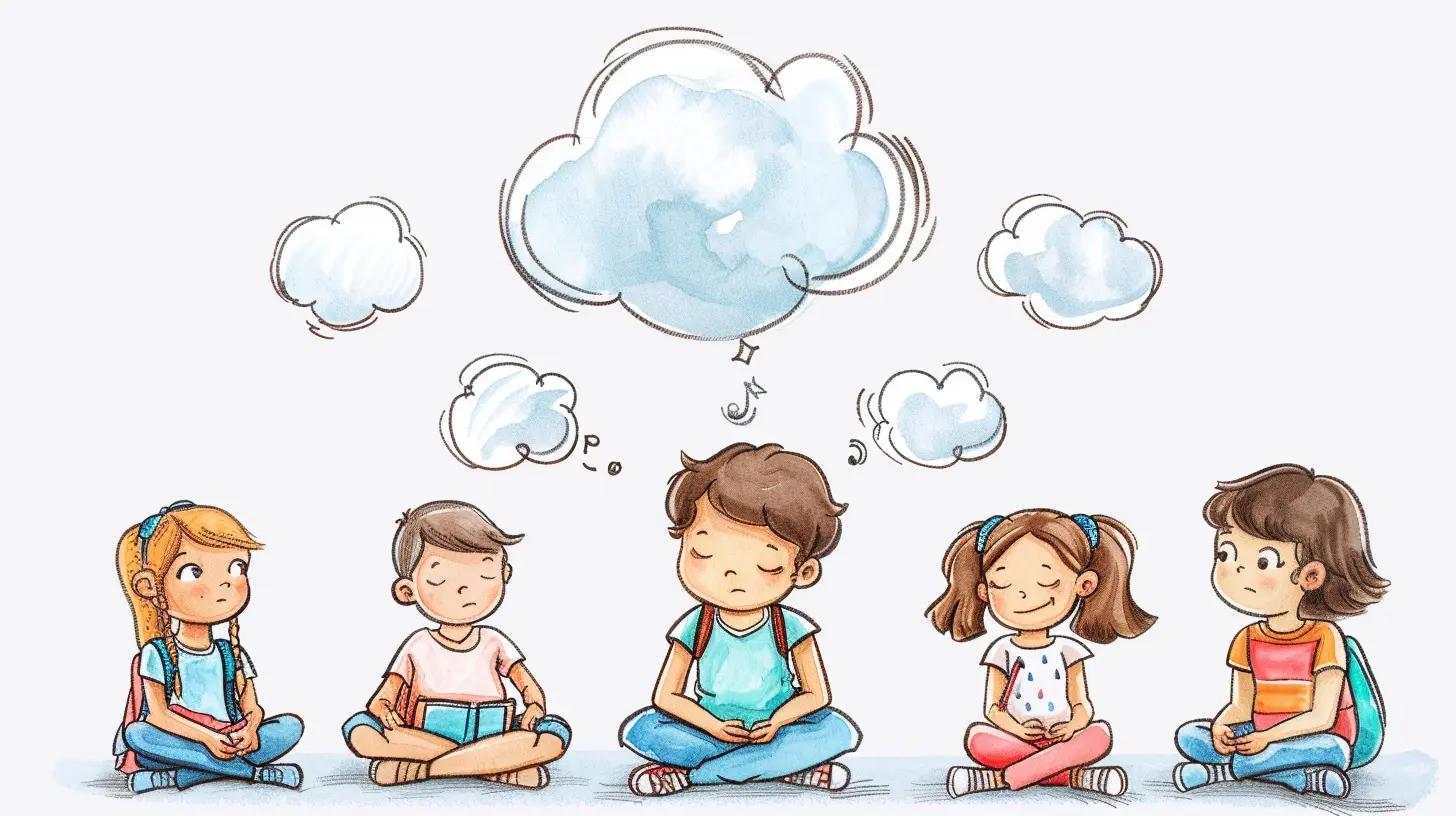
What is Social-Emotional Learning (SEL)?
Before we dive into resilience, let’s chat about what SEL actually is. Social-Emotional Learning is a process through which kids (and adults too!) learn to understand and manage emotions, set goals, show empathy, build relationships, and make responsible decisions.Think of it as emotional intelligence training. Just like we teach math and science, we can (and should) teach kids how to handle their feelings, communicate effectively, and solve problems peacefully.
The five core components of SEL are:
1. Self-awareness – recognizing emotions and values
2. Self-management – controlling emotions and behaviors
3. Social awareness – showing empathy and respect
4. Relationship skills – communicating and cooperating
5. Responsible decision-making – making ethical, constructive choices
Pretty powerful stuff, right?
Why Resilience Matters in Education
If SEL is the toolkit, resilience is one of its most important tools. Resilience is the ability to bounce back from setbacks or tough times. It's not about avoiding pain or failure—it’s about having the skills to deal with them and keep going.Let’s be real: life throws curveballs. Academic pressure, peer conflict, family issues, mental health challenges—they're all part of the student experience. Without resilience, these stressors can feel overwhelming. With resilience, students can face them head-on and come out stronger on the other side.
Resilient students:
- Are more optimistic
- Handle stress better
- Are less likely to give up
- Engage more in school
- Have better relationships
- Make healthier life choices
So, teaching resilience isn’t just about helping kids survive—it's about helping them thrive.
How SEL Builds Resilience
Alright, now let’s connect the dots. How exactly does SEL foster resilience in students?1. Emotional Regulation = Inner Strength
One cornerstone of SEL is emotional regulation. When students learn to identify and manage their feelings, it helps them stay calm under pressure. This emotional control builds confidence and gives students the ability to pause, reflect, and respond thoughtfully instead of reacting on impulse.Imagine a student who just failed a test. With emotional regulation, they can process the disappointment, seek help, and study harder for next time. Without it, they might shut down, act out, or spiral into self-doubt.
2. Self-Awareness Creates Clearer Identity
SEL helps students tune into who they are—what makes them tick, what they value, and how their actions affect others. This self-awareness fosters a strong sense of identity, which is critical during the formative school years.When kids know who they are, they’re more likely to stand strong in the face of peer pressure, bullying, or failure. They’re anchored, even when the waters get choppy.
3. Empathy Strengthens Social Support
Resilience isn’t always a solo mission. We all need a safety net. SEL teaches empathy—which helps students build meaningful and trusting relationships. When kids feel connected to supportive friends, teachers, and family members, they’re more likely to reach out for help when they’re struggling.Feeling seen and heard by others creates a cushion during difficult times. It’s like having someone to lean on when your own legs feel wobbly.
4. Problem-Solving Builds Confidence
A big part of being resilient is knowing how to solve problems. SEL encourages critical thinking, decision-making, and considering others’ viewpoints. When students learn how to break problems into manageable steps, they feel capable of handling challenges.Confidence grows when students see that they have the tools to make things better—or at least navigate through the storm.
5. Setting Goals Inspires Forward Thinking
Resilient kids don’t just dwell on the past—they keep their eyes on the future. SEL encourages students to set realistic goals and make plans to achieve them. This future-focused mindset helps them stay motivated, even when they hit obstacles.It’s like having a flashlight during a blackout. Goals light the way forward.
Real-Life SEL in Action
Let’s take a peek into a classroom that’s all-in on SEL. Imagine a 4th-grade student named Maya. She just moved to a new school and is struggling to make friends.Thanks to the SEL curriculum, her teacher leads daily morning check-ins where students share how they’re feeling. Maya opens up about being nervous. Another student, Jack, says he felt the same when he was new.
Boom—connection.
The teacher then walks the class through a breathing exercise and a mini-lesson on making introductions. Maya practices introducing herself with a partner.
Fast forward a week: Maya’s laughing at recess with new friends. She's still adjusting, but she feels supported. She knows how to name her emotions, take deep breaths when she's overwhelmed, and reach out to others. That’s resilience in action—and SEL made it happen.
Tips for Teachers: Fostering Resilience Through SEL
If you’re an educator wondering, “How can I bring more SEL into my classroom?”—here are some simple yet powerful strategies:1. Start with Daily Check-ins
A quick emotional “temperature check” each morning helps students become more self-aware and gives teachers insight into how everyone’s feeling.2. Model Calm Responses
Kids don’t just learn from lessons—they learn from what we do. Show students how to respond calmly under pressure or apologize when you’re wrong.3. Teach Coping Strategies
Introduce techniques like deep breathing, journaling, or mindfulness. These can be lifesavers when emotions run high.4. Celebrate Mistakes as Learning Opportunities
Shift the mindset from “failure = bad” to “failure = chance to grow.” When students feel safe to stumble, they’re more likely to take healthy risks and build resilience.5. Foster Peer Relationships
Give kids time to work together, solve problems, and support one another. Social bonds are a huge factor in emotional grounding.Tips for Parents: Supporting SEL at Home
SEL doesn’t stop at the classroom door. Parents can play a huge role too. Here’s how:1. Talk About Emotions Openly
Normalize discussing feelings. It can start with simple questions like, “How was your day?” or “What made you smile today?”2. Reframe Failure
When your child struggles, resist the urge to fix it right away. Instead, ask, “What can we learn from this?” or “What’s one thing you could try differently next time?”3. Practice Empathy
Model compassion in how you treat others. Kids who see empathy in action are more likely to develop it themselves.4. Encourage Independence
Let kids make age-appropriate decisions. Give them the space to succeed—and fail—while providing a safety net of support.5. Create Routines and Predictability
Structure provides security. When kids know what to expect, it helps them feel more in control and less anxious.Challenges and Roadblocks (And How to Overcome Them)
Let’s be real—this isn’t always easy. SEL and resilience-building can hit roadblocks, especially in schools that are already stretched thin.Some common challenges include:
- Lack of training – Not all teachers are trained in SEL.
- Time constraints – The packed school day leaves little room for “extras.”
- Inconsistent implementation – SEL works best when it's woven consistently into the fabric of the school.
But don’t get discouraged. Start small. A five-minute check-in. A class discussion about kindness. A mindfulness moment. Little things add up—and they do make a difference.
Schools that make SEL a priority often see big payoffs: lower discipline rates, higher attendance, improved academic performance, and better school climate.
The Long-Term Impact of Resilient Students
Here’s the most exciting part: the impact doesn’t stop at graduation.Students who grow up with strong social-emotional skills become adults who can handle life’s ups and downs with grace. They’re more likely to succeed in their careers, have healthy relationships, and contribute positively to their communities.
In other words, when we teach SEL and build resilience, we’re not just shaping students—we’re shaping the future.
Final Thoughts
Building resilience in students through social-emotional learning isn’t just good practice—it’s essential. In a world that feels increasingly unpredictable, our kids need more than just academic knowledge. They need the inner strength to handle life’s challenges with courage, confidence, and compassion.SEL offers a roadmap. It gives kids the emotional vocabulary, coping tools, and relationship skills that foster resilience. And the best part? It can be taught, practiced, and modeled—by teachers, parents, and communities alike.
So let’s make SEL a priority. The next generation is counting on us—not just to teach them math and reading—but to help them grow into strong, kind, and capable humans.
all images in this post were generated using AI tools
Category:
Social Emotional LearningAuthor:

Olivia Lewis
Discussion
rate this article
1 comments
Owen McIntire
Sure, because feelings are everything!
July 2, 2026 at 4:11 AM
Olivia Lewis
Absolutely, feelings play a crucial role in resilience and growth. They help us understand ourselves and connect with others.