Collaborative Murals: Building Community Through Art in Schools
26 January 2026
Why Should We Even Care About Collaborative Murals?
Alright, let’s get real for a second. School walls can be SO BORING. Beige, grey, maybe an off-white situation if you’re lucky. But what if those walls could tell a story, inspire creativity, and build connections? That’s exactly what collaborative murals do! They transform dull, lifeless spaces into vibrant, meaningful works of art—created by students, for students.
But it’s not just about pretty pictures. These murals offer a powerful way to foster teamwork, communication, and a sense of belonging. In a world where digital screens dominate, collaborative art projects bring students back to hands-on creativity, where they can physically leave their mark on their school.
Still skeptical? Let’s dive into how these murals are turning schools into living, breathing expressions of creativity and community. 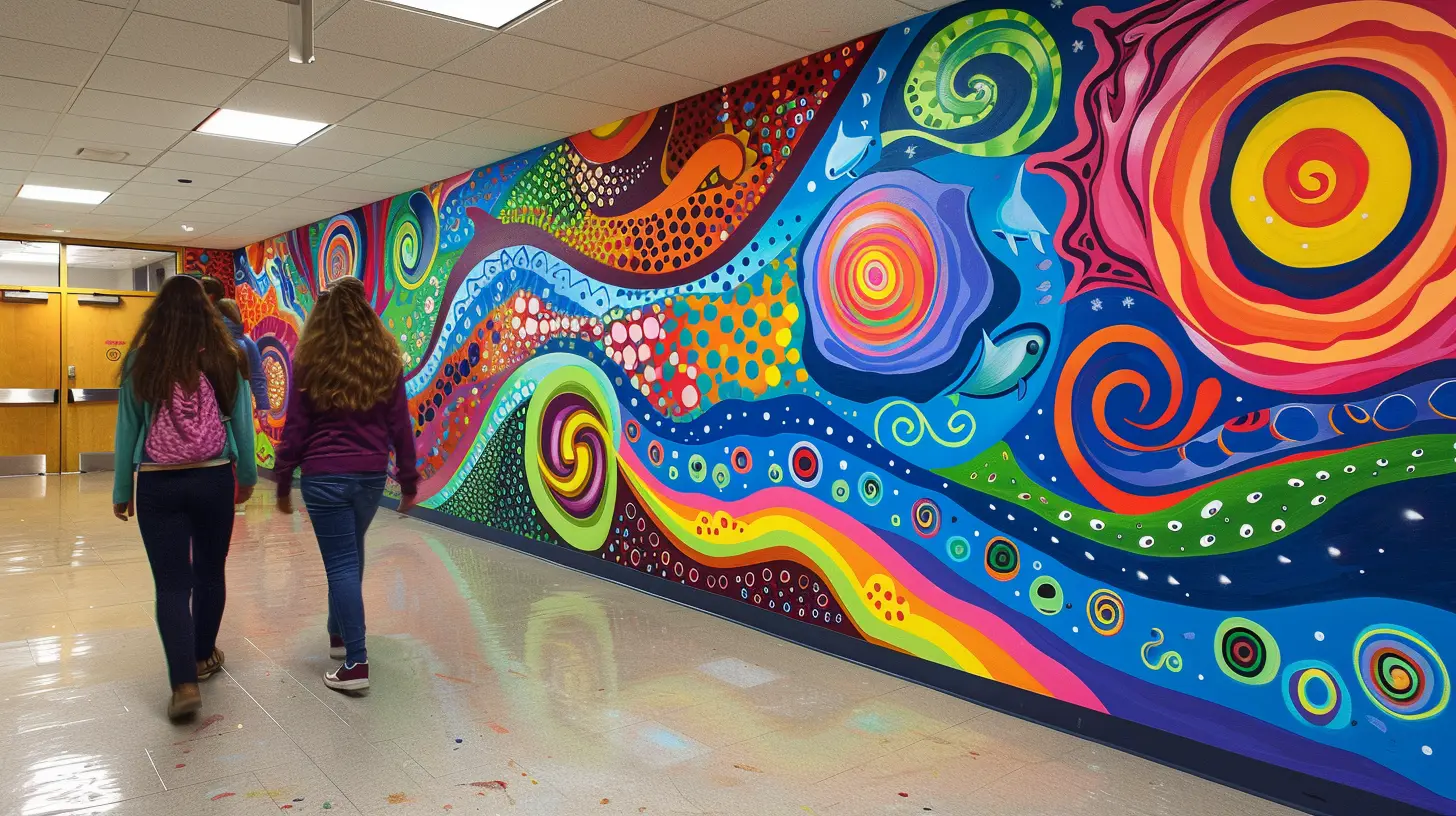
The Magic Behind Collaborative Murals
Creating a mural isn’t just about slapping paint on a wall and calling it a day. Nope! It’s a meticulously planned, passionately executed project that involves everything from brainstorming and sketching to painting and celebrating the final masterpiece.But what makes murals collaborative? The fact that they involve an entire group of students—often across different age groups, abilities, and backgrounds. Unlike individual art projects where only one person shines, murals bring everyone together to contribute to something bigger than themselves.
1. Encouraging Teamwork and Communication
Let’s face it—group projects can be a nightmare. (We all know that one person who disappears until the last minute.) But with murals, teamwork isn’t optional; it’s essential.- Students must brainstorm together—deciding on the theme, style, and message they want their mural to convey.
- They collaborate on the design, ensuring that each student’s vision is incorporated in some way.
- During the painting phase, they work side by side, often sharing tools, techniques, and ideas.
This process builds more than just a mural; it builds communication skills, patience, and mutual respect—life skills that they’ll carry beyond the classroom.
2. Building a Stronger Sense of Belonging
Every school has students who feel invisible—like they don’t quite fit in anywhere. But collaborative murals say: "You matter. Your creativity matters."When students see their contributions permanently displayed in their school, they feel a deeper connection to the space. It’s no longer just a building; it’s a place where their ideas and efforts are valued.
Even students who may not typically engage in art classes find themselves drawn into the process, realizing that they, too, have something to contribute. Confidence boost? Check!
3. Bringing Diverse Voices Together
Murals are storytelling tools—cultural, historical, and emotional narratives painted on walls. A well-thought-out mural project ensures all voices are heard, reflecting the diverse identities and experiences within the school community.For instance, a mural could showcase:
- Local history, celebrating the community’s roots.
- Student dreams and aspirations, encouraging ambition.
- Multicultural influences, embracing different heritages within the school.
By giving students the chance to visually express their diversity, murals create an inclusive space where everyone’s story matters. 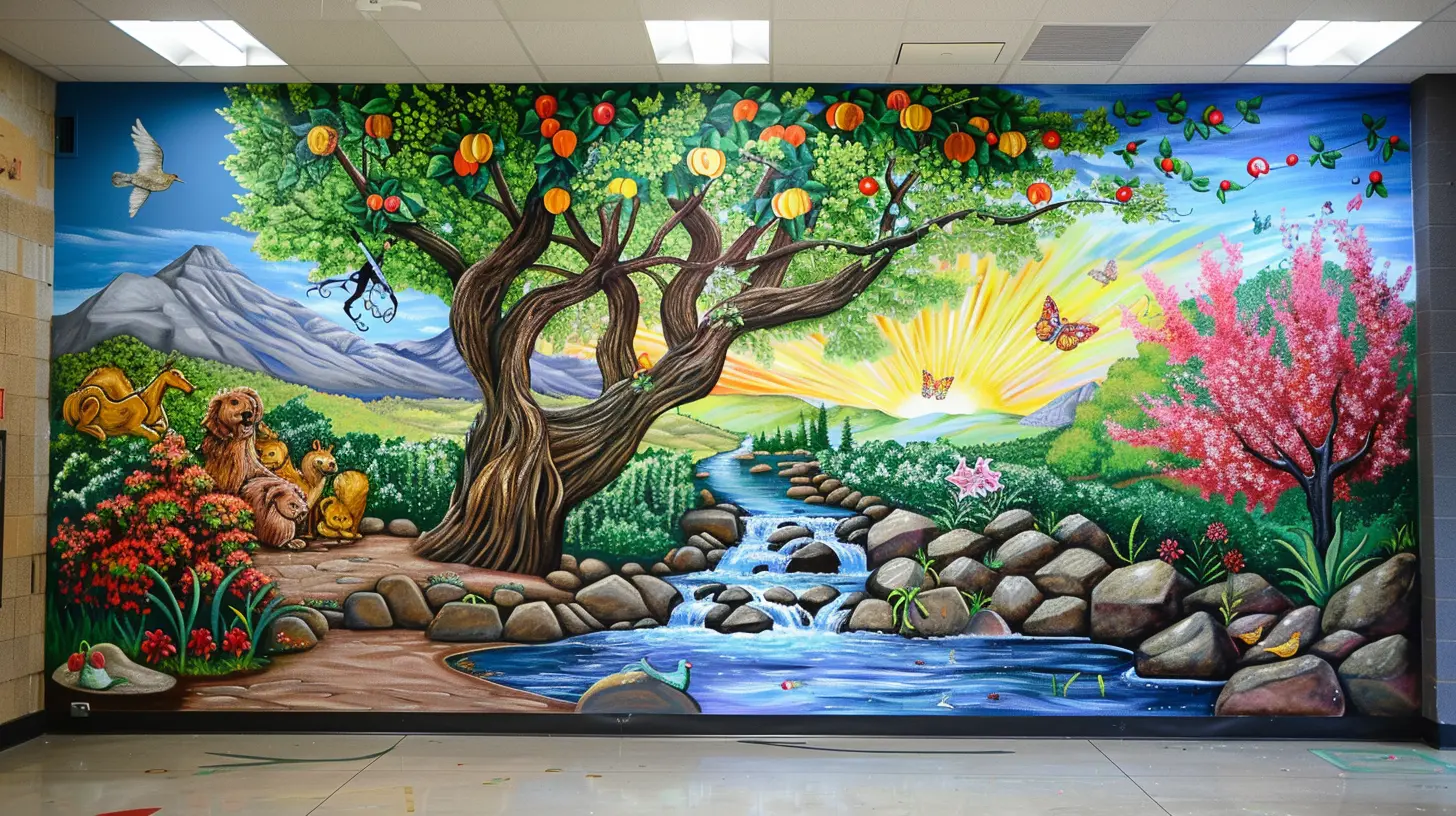
The Process: From Bare Wall to Masterpiece
So, how exactly does a blank wall become a stunning, meaningful mural? It’s not just a matter of grabbing some paint and going wild—though, let’s be honest, that could be fun too.Here’s a breakdown of the process:
Step 1: Brainstorming & Planning
This is where the magic starts. The students, guided by an art teacher or community artist, gather to discuss:- The purpose of the mural (Is it about kindness? School spirit? Cultural awareness?)
- What images, symbols, or colors might best represent their message
- Who will do what? Roles like sketching, outlining, and filling colors get divided up
Once a solid concept is formed, sketches are made, and the design begins to take shape!
Step 2: Sketching It Out
Before any paint touches the wall, students lightly sketch the outline of their mural. Sometimes, projection techniques are used to transfer a large, detailed design onto the wall.This step ensures the final work will look cohesive, rather than like random doodles thrown together in a rush.
Step 3: Painting Time!
Now, the real fun begins. Students grab brushes, rollers, and an array of colors to bring their vision to life. Depending on the size of the mural, painting can take days or even weeks to complete.Mistakes? They happen! But that’s part of the process. In fact, some of the best parts of murals come from happy accidents—a color mix-up that turns into a new texture or a last-minute addition that makes the design pop.
Step 4: Final Touches & Sealing the Mural
Once the painting is complete, students add outlines, shading, and small details to make the artwork come alive. A clear sealant is often applied to protect the mural from dust, moisture, and the occasional rogue backpack collision.Step 5: The Big Reveal & Celebration
When the mural is finally done, it’s time to celebrate! Schools often hold unveiling ceremonies where students can present their work to the rest of the community. It’s a fantastic way to acknowledge their hard work and creativity.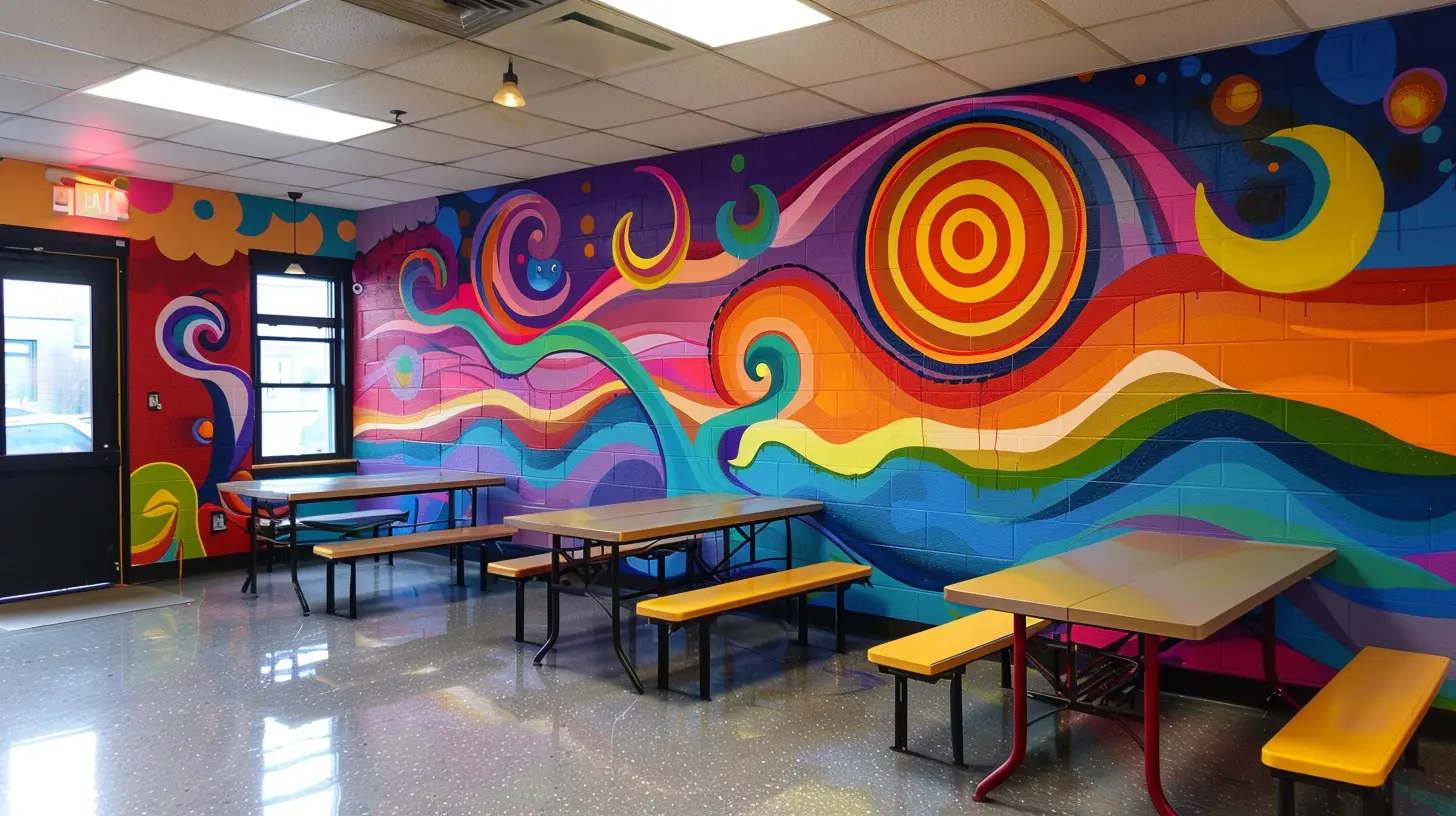
Beyond the Paint: The Lasting Impact of School Murals
Once the brushes are cleaned and the paint trays are stacked away, the impact of a collaborative mural doesn’t just disappear. It’s more than just a piece of art—it’s a daily reminder of what students can accomplish when they work together.Some long-term benefits include:
✔ A more cheerful and inspiring school environment
✔ A sense of ownership and pride among students
✔ A stronger, more connected school community
✔ A conversation-starter for future students and visitors
And maybe—just maybe—it inspires the next generation of artists, leaders, and dreamers. 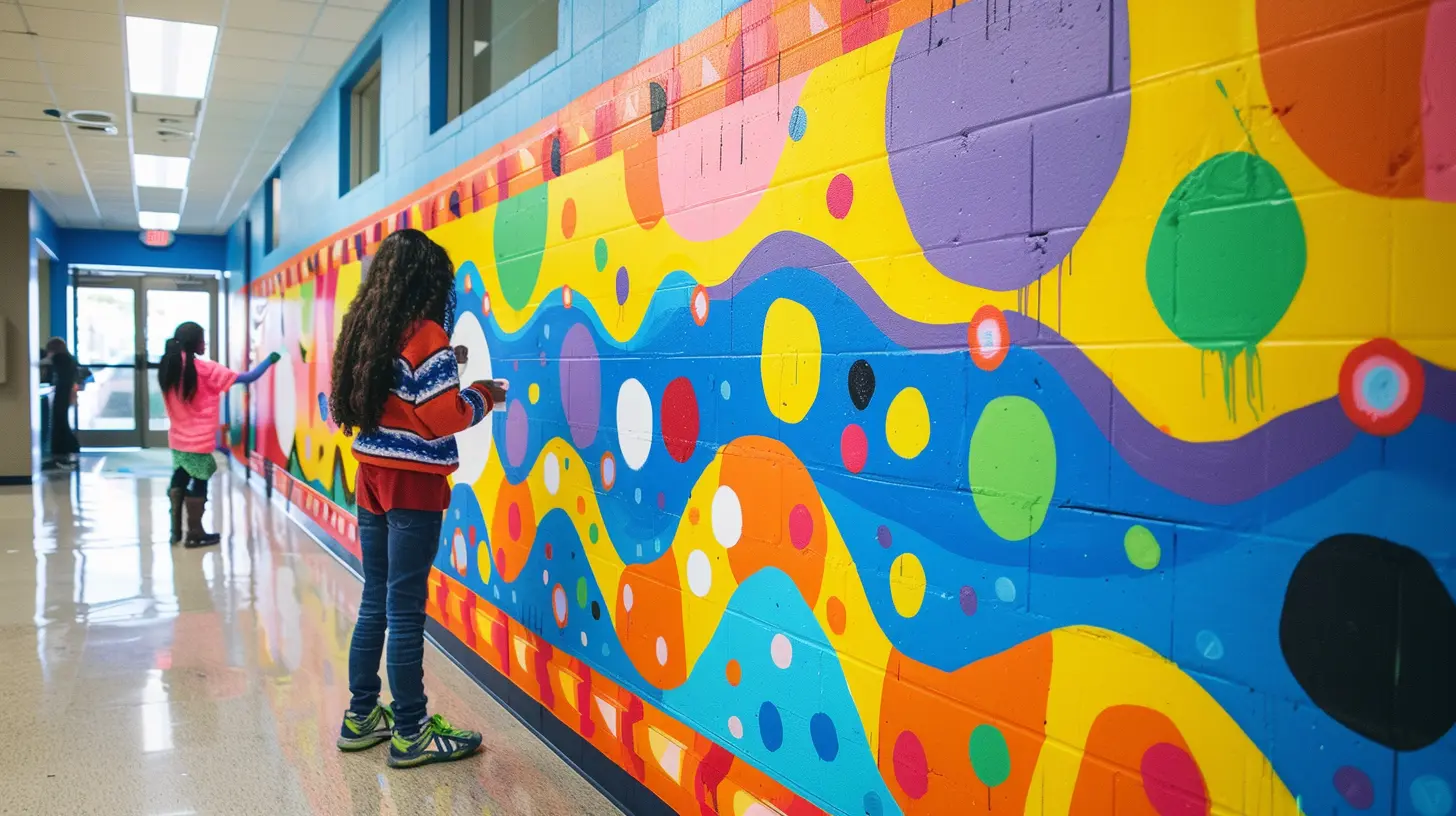
Final Thoughts
Collaborative murals aren’t just about painting walls. They’re about painting possibilities—showing students that their voice matters, that they can create something beautiful together, and that, sometimes, the best ideas come from working as a team.So, the next time you pass by a blank school wall, don’t just see an empty space. See potential. See stories waiting to be told. And maybe, just maybe, pick up a paintbrush and start something unforgettable.
all images in this post were generated using AI tools
Category:
Art EducationAuthor:

Olivia Lewis
Discussion
rate this article
2 comments
Devin McCune
Great insights! Collaborative murals truly foster creativity and strengthen community bonds in schools.
February 9, 2026 at 4:43 AM
Olivia Lewis
Thank you! I completely agree—collaborative murals are a powerful way to enhance creativity and build stronger community ties in schools.
Rook McAdoo
Collaborative murals are a vibrant canvas for creativity, uniting students and fostering community spirit. These art projects not only beautify school environments but also cultivate teamwork and communication skills. Let’s celebrate the power of collaboration in art to inspire connection and shared purpose among our youth!
January 27, 2026 at 12:40 PM
Olivia Lewis
Thank you for your insightful comment! I completely agree—collaborative murals truly enhance school spirit and foster essential skills among students. They are a wonderful way to build connections within our communities.