Creating a Classroom Environment that Supports Mental Health in 2027
2 May 2026
Let's be real for a second. If you're a teacher reading this, you already know the old model of "sit still, be quiet, and pass the test" is about as useful as a flip phone in 2027. The kids walking into your classroom this year have been shaped by a pandemic, a constant scroll of bad news, and a level of social comparison that would have broken any of us at their age. Mental health isn't a side project anymore. It's the foundation. If the emotional soil is poisoned, no amount of lesson planning will grow a healthy crop.
So how do we build a classroom that actually supports mental health in 2027? Not with posters about breathing exercises and a "calm-down corner" that nobody uses. I'm talking about a real, structural shift. Let's break it down, piece by piece, with no sugar-coating.

Why 2027 is Different: The New Classroom Reality
You've probably noticed it. The kid who used to doodle in the margins is now doom-scrolling on a smartwatch. The quiet girl in the back isn't just shy; she's carrying the weight of a 24/7 news cycle about climate anxiety and social unrest. The boy who fidgets isn't being defiant; his nervous system is stuck in fight-or-flight mode from a year of online drama.In 2027, the baseline for student stress is higher than ever. We're not dealing with the same "test anxiety" of 2010. We're dealing with existential dread, loneliness masked by online connection, and a genuine fear of the future. A classroom that ignores this isn't just ineffective. It's harmful.
The good news? You don't need a therapist's license to make a difference. You need a new operating system for your classroom. Think of it like upgrading from Windows 95 to a modern OS. The hardware (the kids) is fine. The software (your environment) needs an overhaul.

The Physical Space: More Than Just a Room
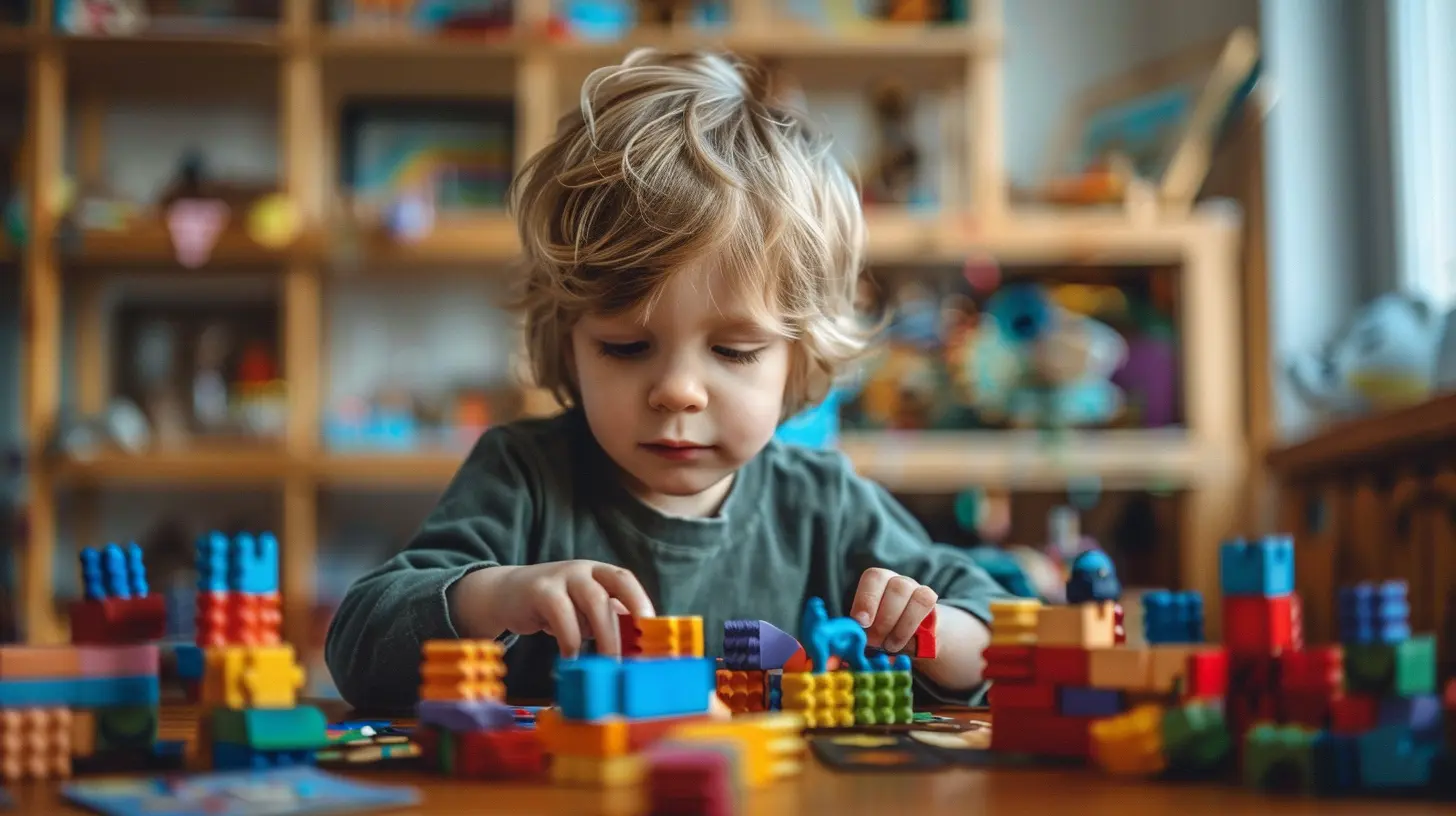
Let's start with the obvious stuff that most articles skip over. The physical environment of your classroom in 2027 should feel less like a factory floor and more like a living room. Why? Because the brain learns best when it feels safe.Lighting matters. Harsh fluorescent lights are the enemy of a calm nervous system. If you can, bring in lamps. Use warm, dimmable bulbs. If your school won't let you change the fixtures, use sheer fabric to diffuse the light. I've seen teachers string up fairy lights along the ceiling. It sounds silly, but it changes the whole vibe. It tells the brain, "You're not in a hospital. You're in a place where it's okay to relax."
Flexible seating is non-negotiable. In 2027, forcing a kid to sit in a hard plastic chair for six hours is like asking someone to run a marathon in dress shoes. It's cruel and unnecessary. You need options. Beanbags, low tables for floor work, standing desks, stools that wobble. Let the student choose. This isn't about pampering them. It's about respecting that every body works differently. A kid who can rock back and forth on a wobble stool is often a kid who can actually focus on the lesson.
Visual noise is real. Look around your room. Is it covered in posters? Charts? Motivational quotes? If so, you're creating visual noise. For a student with anxiety, a busy room feels like a thousand people shouting at once. In 2027, minimalism is your friend. Leave 40% of your wall space blank. Use neutral colors. Let the room breathe. If you need reference material, put it in a binder or on a digital slide. The brain needs white space to process.
The Unspoken Script: How You Talk Changes Everything
Here's the part that's hard to teach in a workshop. The words you use, the tone you take, the way you respond to a wrong answer... that's the real curriculum. In 2027, kids have a radar for inauthenticity. They can spot a fake "I care about you" from a mile away.Drop the "calm down" script. Telling a panicked kid to "calm down" is like telling a drowning person to just swim. It doesn't work. Instead, try co-regulation. That means you stay calm first. You lower your voice. You slow your breathing. You say, "I'm right here. We'll figure this out together." That's not therapy. That's basic neuroscience. Your calm nervous system helps theirs regulate.
Normalize the struggle. In a healthy classroom, making a mistake is not a catastrophe. It's data. When a student gets an answer wrong, don't just mark it red. Say, "Oh, interesting. That's not quite right. Let's look at why." When you model that errors are part of learning, you lower the stakes. And lower stakes mean less anxiety.
Check-in rituals that don't suck. The classic "How are you feeling today?" with a chart of emojis? That's 2020 stuff. By 2027, kids are tired of that. Make it quick and real. Try a one-word check-in as they walk in the door. "Give me one word for how your morning started." No judgment. No follow-up. Just listening. Or use a simple number scale: "Rate your energy from 1 to 5." This gives you data without making them perform their feelings.
The Schedule: Sanity Over Sprints
Let's talk about the clock. The traditional school schedule is designed for efficiency, not for human brains. In 2027, you have permission to break the mold.Block scheduling is a mental health tool. If you have 50-minute periods, you're setting kids up for failure. It takes the brain about 15 minutes to truly focus. Then you have 20 minutes of good learning, and then the last 15 minutes are a waste as attention fades. Instead, advocate for longer blocks. 90 minutes allows for a natural rhythm: settle in, direct instruction, independent work, reflection.
Built-in breaks are not optional. I'm not talking about recess. I'm talking about a 2-minute "reset" in the middle of a lesson. Stand up. Stretch. Look at something 20 feet away for 20 seconds. This is called the 20-20-20 rule for eye strain, but it's also a mental palate cleanser. It's a chance for the brain to dump cortisol and reset dopamine.
Homework reform is overdue. In 2027, the idea of sending kids home with three hours of worksheets is borderline abusive. It steals family time, sleep, and the chance to just be a kid. If you must assign homework, make it meaningful and short. Better yet, make it optional. Let students know that their mental health is more important than a completed worksheet. I've seen teachers who say, "If you're tired, put the homework down. I trust you." The kids don't abuse it. They respect it.
The Social Contract: Building a Tribe, Not a Crowd
A classroom that supports mental health is a classroom where every kid feels like they belong. That doesn't happen by accident. You have to engineer it.Morning meetings that matter. In 2027, the first 10 minutes of the day are sacred. Don't start with content. Start with connection. Sit in a circle. Ask a silly question. "If you could have any superpower, but it only worked on Tuesdays, what would it be?" It sounds dumb, but it builds a shared identity. It tells each kid, "Your voice is part of this room."
Conflict resolution is a skill, not a punishment. Kids will fight. They will be mean. That's normal. But how you handle it matters. Don't just send them to the principal. Teach them how to repair. Use restorative circles. Have the two students sit down with a talking piece. One speaks. The other listens. Then they switch. The goal is not to assign blame. It's to restore the relationship. This takes time, but it builds a culture where kids feel safe being vulnerable.
Celebrate effort, not outcome. In a mental-health-friendly classroom, the grade is not the point. The growth is. When a student struggles but keeps trying, that's the win. When a kid asks for help, that's the win. When a kid admits they don't understand, that's the win. Make a big deal out of those moments. Put them on a "brave board" instead of a "good grades" board.
Technology: The Double-Edged Sword
We can't ignore the elephant in the room. In 2027, every kid has a device. And those devices are both a lifeline and a poison.Use tech to check in, not to distract. Apps like a simple Google Form for daily mood checks can give you real-time data on your class. If you see three students reporting "level 1" energy, you know to adjust your lesson. But don't let screens become a crutch. The most powerful tool you have is your face, your voice, your presence.
Teach digital hygiene. This is a life skill. Spend 10 minutes a week talking about how to manage notifications. How to turn off the phone at night. How to recognize doom-scrolling. You're not their parent, but you are their guide. Show them that their brain is worth protecting from the algorithm.
No-phone zones during key moments. In your classroom, there should be times when phones are physically away. Not in a pocket. In a caddy on the teacher's desk. During instruction, during group work, during reflection. This isn't about punishment. It's about giving the brain a break from the constant ping of the outside world.
Teacher Self-Care: You Can't Pour From an Empty Cup
Here's the part nobody wants to say out loud. You can't create a mentally healthy classroom if you're burned out. And in 2027, teacher burnout is at an all-time high.You need boundaries. Don't answer emails after 7 PM. Don't grade on weekends. Don't let the job consume you. Your students need a teacher who is whole, not a teacher who is a martyr. Model what healthy looks like. When you take a mental health day, tell them. "I needed a break today. I'm glad I took it." That's a lesson more valuable than any math equation.
Ask for help. You are not a therapist. You are not a social worker. You are a teacher. If a student is in crisis, you cannot fix it alone. Know your school's resources. Have the school counselor's number on speed dial. Have a referral process. Your job is to create a safe container, not to be the container itself.
Find your tribe. Teaching is isolating. Find other teachers who get it. Create a support group. Meet for coffee. Vent. Laugh. Cry. You need people who understand what it's like to hold space for 30 kids every day. Don't try to do this alone.
The Long Game: What Success Looks Like
In 2027, success in a classroom should not be measured by test scores alone. It should be measured by the number of kids who feel seen. Who feel safe. Who feel like they can fail and still be loved.You'll know you're doing it right when a kid comes to you and says, "I had a bad morning, but I feel better now." You'll know when a student who used to hide now raises their hand. You'll know when the room feels quiet, not in a dead way, but in a calm, focused way.
This isn't about being a perfect teacher. It's about being a human one. It's about admitting that you don't have all the answers, but you're willing to learn alongside them. It's about creating a space where mental health is not a topic for a special assembly, but the very air they breathe.
So go ahead. Ditch the fluorescent lights. Throw out the desk rows. Start the morning with a silly question. And remember: you're not just teaching algebra or history. You're teaching kids that they matter. And in 2027, that might be the most important lesson of all.
all images in this post were generated using AI tools
Category:
Classroom ManagementAuthor:

Olivia Lewis
Discussion
rate this article
2 comments
Gwen McIlwain
Excited to see innovative ideas for fostering mental wellness!
July 2, 2026 at 12:08 PM
Arwen McPhee
This article highlights essential strategies for fostering mental health in classrooms. By prioritizing emotional well-being, educators can create a supportive and thriving learning environment for students.
May 9, 2026 at 11:20 AM
Olivia Lewis
Thank you for your feedback! I truly believe that prioritizing mental health is key to nurturing both students and educators in the classroom.