Creating a Mindful Classroom Environment
28 March 2026
In today’s fast-paced world, distractions are everywhere. Students juggle academic pressure, social expectations, and personal struggles, often leading to stress and anxiety. As educators, we have the power to create a space that nurtures their emotional well-being alongside their intellectual growth. The solution? A mindful classroom environment.
But what exactly does that mean, and how can we make it a reality? Let’s dive into the essentials of fostering mindfulness in the classroom to support students in becoming more focused, resilient, and engaged learners. 
What Is a Mindful Classroom Environment?
A mindful classroom environment is one where both teachers and students practice awareness, patience, and compassion. It's a space that promotes mental clarity, emotional regulation, and a sense of belonging. Here, students learn to manage their thoughts, feelings, and reactions in a way that enhances both their personal and academic growth.At its core, mindfulness in education means being present—fully engaged in the moment without judgment. It encourages students to concentrate on the task at hand rather than dwelling on past mistakes or worrying about the future.
Would you rather have a classroom filled with stress and distractions or one that fosters peace, purpose, and productivity? The answer is clear. 
Why Mindfulness Matters in the Classroom
1. Improves Focus and Attention
Students today are constantly bombarded with information, making it challenging to stay focused. Mindfulness exercises, like breathing techniques and meditation, help improve attention span and concentration. With a clear mind, students absorb lessons more effectively and retain information longer.2. Reduces Stress and Anxiety
School can be overwhelming, especially for students balancing multiple subjects, extracurricular activities, and social pressures. Teaching mindfulness techniques helps them manage stress and develop emotional resilience, preventing burnout and anxiety.3. Encourages Emotional Regulation
Rather than reacting impulsively, mindfulness teaches students how to pause and respond thoughtfully. This skill is particularly valuable in conflict resolution and decision-making. When emotions are managed well, classroom interactions become more positive and meaningful.4. Enhances Social and Emotional Learning (SEL)
A mindful classroom supports social and emotional learning by fostering empathy, self-awareness, and compassion. Students build stronger relationships, develop better communication skills, and create a more respectful, inclusive community.5. Boosts Academic Performance
A calm and focused mind is a productive mind. Research shows that mindfulness practices improve cognitive function, leading to higher academic achievement. When students feel emotionally secure, they’re more open to learning and growth.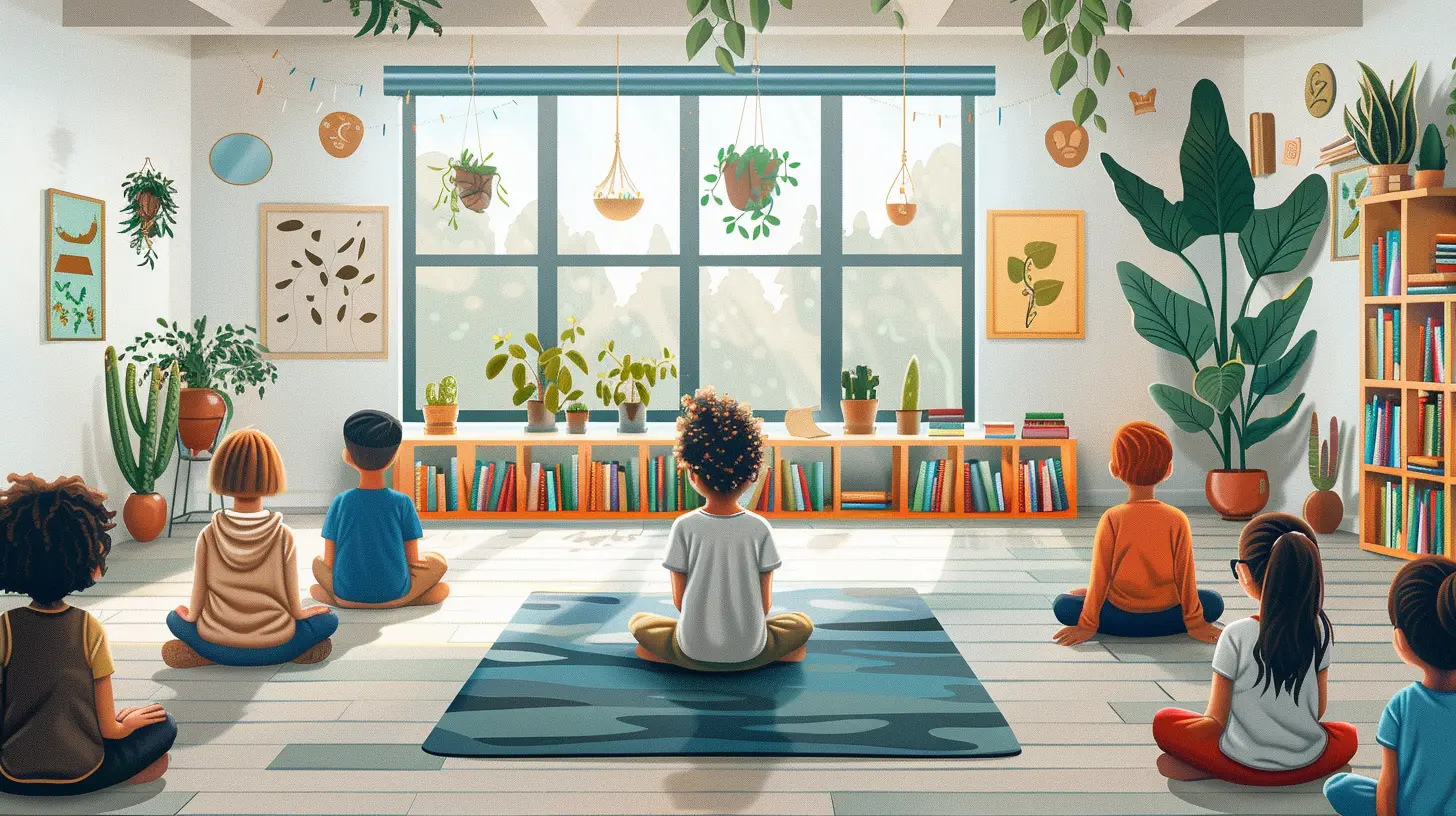
Practical Strategies to Create a Mindful Classroom
Now that we understand the benefits, let’s explore actionable ways to integrate mindfulness into the daily routine.1. Start with a Mindful Morning Routine
The way students start their day sets the tone for everything that follows. Consider beginning each class with a short mindfulness exercise, such as deep breathing, stretching, or a moment of gratitude.Try this: Ask students to close their eyes for one minute and focus on their breath. This simple act grounds them in the present moment and prepares them for learning.
2. Incorporate Mindful Breathing Exercises
Breathing techniques are one of the easiest and most effective ways to bring mindfulness into the classroom. Guided breathing exercises can help students reset their minds when they feel overwhelmed or distracted.A simple technique is the 4-7-8 breathing method:
- Inhale deeply for 4 seconds
- Hold the breath for 7 seconds
- Exhale slowly for 8 seconds
Encourage students to use this technique before tests, presentations, or anytime they feel anxious.
3. Use Mindful Movement and Stretching
Sitting for long periods drains energy and focus. Incorporating mindful movement, such as yoga or simple stretching breaks, can refresh the body and mind.Try introducing a "mindful movement minute" where students stand, stretch, and take a few deep breaths before transitioning to the next lesson.
4. Create a Calm and Clutter-Free Environment
The classroom environment itself plays a crucial role in mindfulness. A cluttered, chaotic space can lead to scattered thoughts and stress. Keep the classroom clean, organized, and welcoming.Consider adding elements like:
- Soft lighting or natural light
- Plants for a touch of nature
- Calm colors like blues and greens
- A quiet corner for students who need a moment to reset
5. Encourage Journaling and Reflection
Journaling helps students process their thoughts, emotions, and experiences. It’s a healthy outlet for self-expression and self-discovery.Try giving students a "mindfulness journal" where they can write about what they’re grateful for, how they’re feeling, or what they learned that day. This simple habit promotes self-awareness and personal growth.
6. Practice Active Listening and Compassionate Communication
In a mindful classroom, every student feels heard and valued. Teach active listening by encouraging eye contact, repeating key points, and responding with kindness.Set the example. When students see that you genuinely listen to them, they’ll follow suit, creating a respectful and supportive learning environment.
7. Introduce Mindful Storytelling and Guided Imagery
Storytelling is a powerful way to captivate students while promoting mindfulness. Use guided imagery, where students close their eyes and imagine peaceful scenarios, such as walking through a forest or sitting by a calming ocean.This practice enhances creativity while helping students develop a sense of inner peace.
8. Incorporate Gratitude Practices
Gratitude shifts the focus from what’s wrong to what’s going well. A simple gratitude practice can dramatically improve students’ outlook and emotional well-being.Try this: Ask students to share one thing they’re grateful for at the start or end of each day. Over time, this habit fosters a more positive mindset.
9. Use Mindful Transitions Between Activities
Rather than abruptly switching from one lesson to another, introduce mindful transitions. This could be a short breathing exercise, a stretch, or simply taking a few quiet moments before moving on.Mindful transitions help students mentally reset, reducing stress and improving engagement.
10. Encourage Digital Mindfulness
Technology is a significant part of students' lives, but it can also be a major source of distraction. Teach them to use technology mindfully by setting designated "tech-free" moments during the day.Encourage them to take breaks from screens, practice mindful scrolling, and engage in face-to-face conversations without distractions. 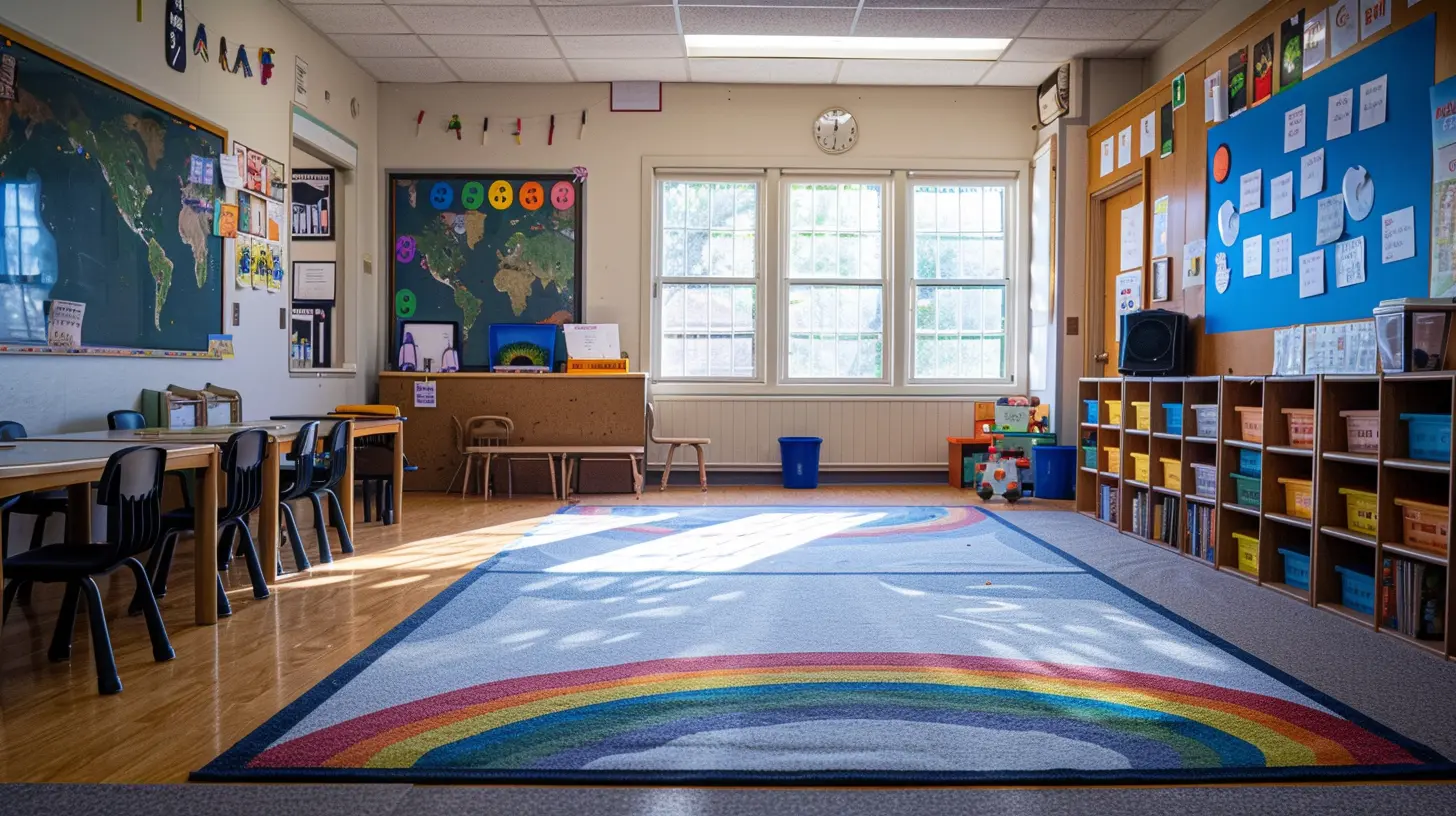
The Role of Teachers in Fostering Mindfulness
As a teacher, you set the tone for your classroom. Your energy, attitude, and approach influence your students more than you realize. To create a truly mindful classroom, practice mindfulness yourself.Here’s how:
- Model mindfulness – Practice deep breathing, stay present, and manage stress calmly.
- Practice self-care – A well-rested, emotionally balanced teacher creates a more positive learning environment.
- Be patient and compassionate – Every student learns mindfulness at their own pace. Offer gentle guidance and encouragement.
Remember, mindfulness isn’t about achieving perfection—it’s about progress and intention. Small, consistent steps make a big difference.
Final Thoughts
Creating a mindful classroom environment isn't just a trend; it’s a necessity in today's fast-paced world. When students feel safe, supported, and present, their ability to learn and grow skyrockets.By incorporating mindfulness into daily routines, fostering emotional intelligence, and leading by example, educators can transform their classrooms into peaceful, engaged, and thriving learning spaces.
So, what’s stopping you from starting today? A few deep breaths and a little intention can lead to a world of difference for both you and your students.
all images in this post were generated using AI tools
Category:
Social Emotional LearningAuthor:

Olivia Lewis
Discussion
rate this article
2 comments
Buzz Henderson
Mindfulness enhances learning; engagement fosters deeper connections.
April 9, 2026 at 4:08 AM
Olivia Lewis
Absolutely, mindfulness lays the foundation for focused learning, while engagement builds those vital connections among students. It's a powerful combination.
Deborah Chapman
A mindful classroom nurtures awareness, fostering empathy and resilience, ultimately shaping compassionate, engaged learners.
April 2, 2026 at 2:34 AM
Olivia Lewis
Thank you! I truly believe that fostering mindfulness in the classroom lays the foundation for empathy and resilience, creating a supportive environment for engaged learning.