Developing Healthy Boundaries in the Classroom with SEL
19 July 2026
Let’s be honest—classrooms can get a little chaotic. Teachers juggle lesson plans, grading, and behavior management, all while trying to maintain a positive environment. Students bring their own experiences, emotions, and energy levels to the equation. So, what’s the secret to keeping it all on track without losing your mind? One word: boundaries.
But we’re not just talking about posting a list of class rules on the wall and hoping for the best. Nope! We're diving into the world of Social-Emotional Learning (SEL) to build strong, healthy boundaries that actually stick. And trust me, by the end of this, you’ll be itching to redraw a few lines—in the best way possible.
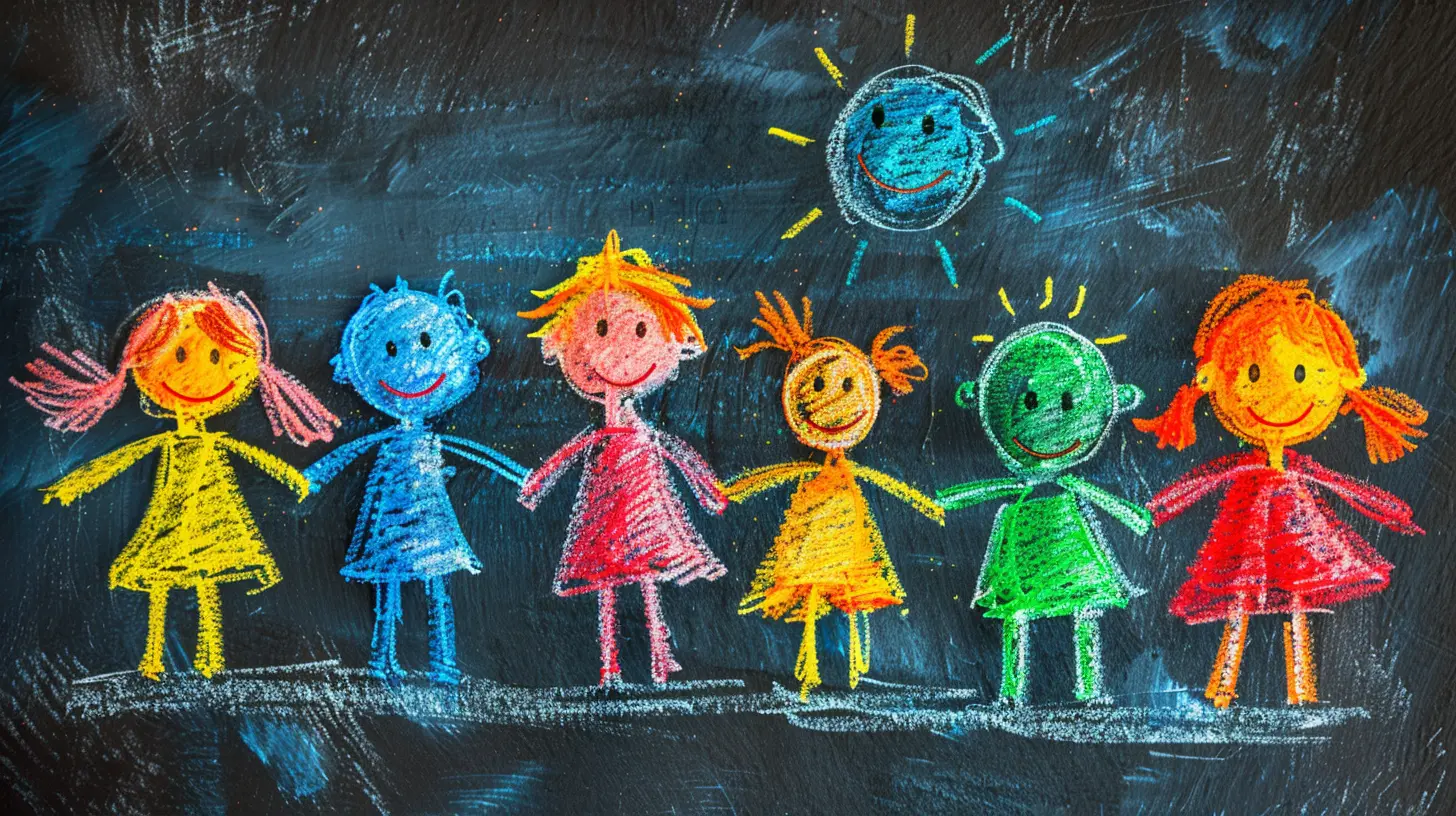
What Are Boundaries, Anyway?
Let’s start simple. Boundaries are like invisible fences we set up to protect ourselves emotionally, mentally, and sometimes physically. They tell others, “Hey, this is who I am, what I need, and what I will (or won’t) tolerate.”In the classroom, boundaries help create a safe and respectful environment where both students and teachers can thrive. Think of them like traffic lights: green means go (respect, kindness, teamwork), yellow is slow down (maybe you're getting too personal), and red is stop (disrespect, aggression, or invading someone's space).
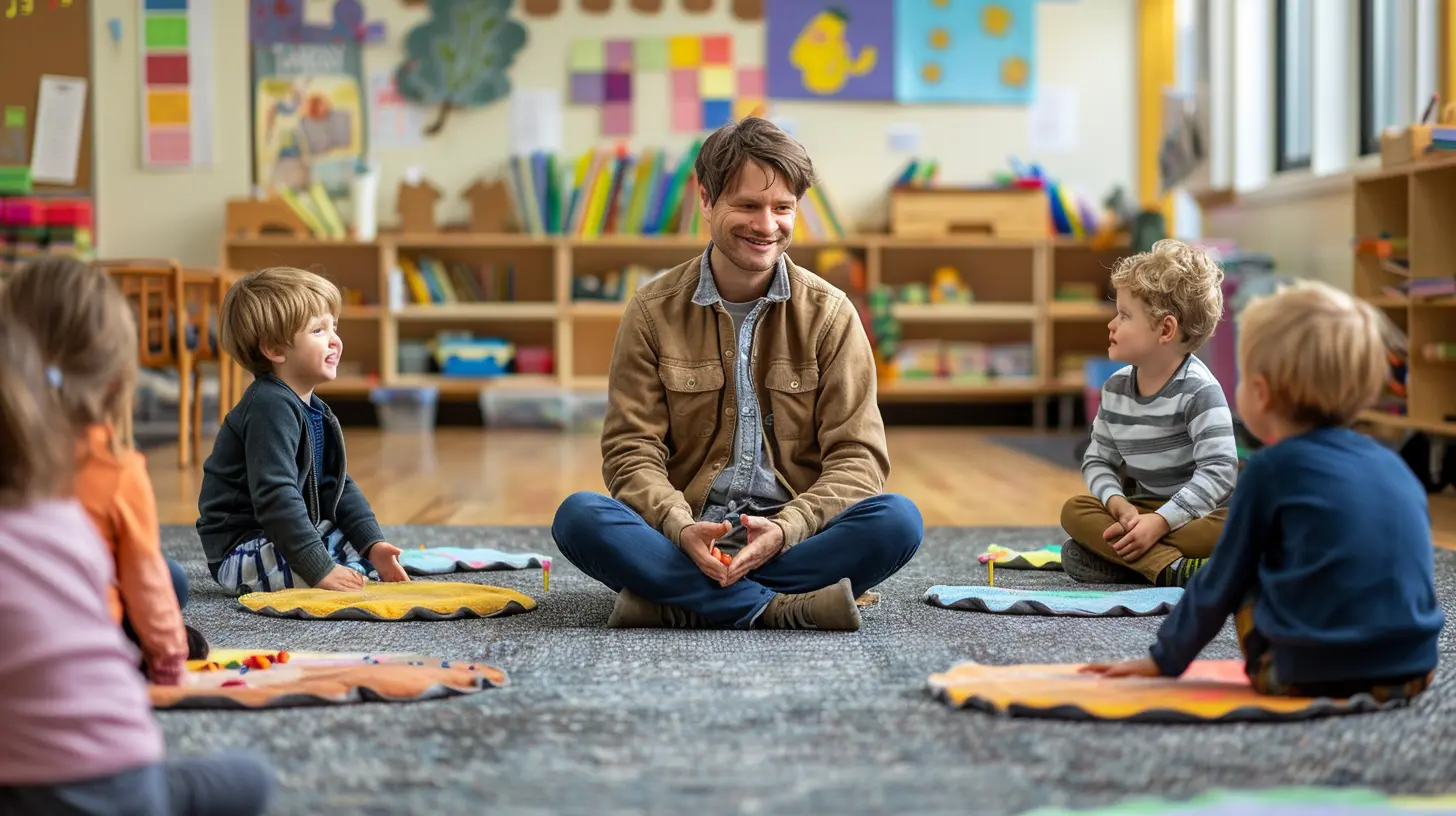
Why Boundaries Matter in a Classroom
You may be thinking, "I already have rules in place. Isn’t that enough?" Here’s the thing—rules are just one piece of the puzzle. Boundaries go deeper.They...
- Build trust between teachers and students
- Foster mutual respect
- Prevent burnout for teachers
- Help students understand responsibility and autonomy
- Create a culture of emotional safety
Sound like a tall order? Not with SEL by your side.
Wait, What IS SEL?
Social-Emotional Learning (SEL) is all about teaching students how to understand and manage their emotions, set goals, show empathy, maintain positive relationships, and make responsible decisions.In other words, SEL is the secret sauce to raising not just smarter students, but kinder, more self-aware, and respectful human beings. Now add boundaries to the mix, and you’ve got a recipe for classroom magic.
Blending SEL with Boundaries—The Dream Team
When you teach students about boundaries through the lens of SEL, you’re not scolding or lecturing. You’re coaching. You're helping them understand why boundaries matter, how to recognize them, and how to respectfully set or respond to them.Let’s break this down using the five core components of SEL:
1. Self-Awareness: “Know Thyself”
Before students can set boundaries, they need to recognize what feels good and what doesn’t. This is where self-awareness kicks in.- Help students identify their emotions. Use emotion charts or mood meters.
- Encourage journaling or mindfulness activities to check in with their feelings.
- Use role-play to explore how different situations make them feel—good, bad, or awkward.
? Fun Activity: Have students draw their “personal space bubble” and talk about times when someone popped it (and how it made them feel).
2. Self-Management: Emotions Are Guests, Not Roommates
Teaching self-management means helping students regulate their emotions so they respond, not react. It’s like giving them their very own emotional remote control.- Teach breathing techniques or “cool-down” strategies.
- Encourage positive self-talk for when emotions run high.
- Help them set personal goals around respect and behavior.
? Quick Tip: Use classroom mantras like “Pause before you react” or “Name it to tame it” to keep regulation top of mind.
3. Social Awareness: You Are Not the Center of the Universe
Harsh? Maybe. Necessary? Absolutely.Social awareness helps students recognize that other people have feelings and boundaries too. It’s about stepping out of your own shoes and into someone else’s.
- Use group discussions or storytelling to highlight empathy.
- Talk about cultural differences in personal space and communication.
- Model active listening skills—and celebrate when students use them.
? Storytime Suggestion: Read books like “Respect and Take Care of Things” by Cheri Meiners or “Hands Are Not for Hitting” by Martine Agassi to start boundary-based conversations.
4. Relationship Skills: Friendships Need Fences (In a Good Way)
Healthy relationships don’t just magically happen—they require boundary-setting on both sides. Teach students how to say things like:- “I don’t like it when you do that.”
- “Please stop, I need space.”
- “I feel left out when...”
And equally important:
- “I’m sorry.”
- “What can I do to fix this?”
? Teamwork Time: Role-play how to handle scenarios like someone cutting in line, constantly interrupting, or borrowing something without asking.
5. Responsible Decision-Making: Think, Then Do
Finally, students need to consider the consequences of crossing someone’s boundaries. This takes practice!- Ask reflective questions like, “How would you feel if someone did that to you?”
- Use peer mediation or class meetings to resolve boundary-related issues.
- Share real-life stories and let students weigh in on what went right or wrong.
? Game Idea: Create a “Boundaries Bingo” where students check off positive behaviors like asking permission, using “I” statements, or giving someone space.
Setting Teacher Boundaries Without Guilt (Yes, You’re Allowed!)
Let’s not forget—you’re human too. Setting boundaries as a teacher is essential for your sanity. You can’t pour from an empty coffee mug, right?So give yourself permission to:
- Say “No” to extra tasks that overwhelm you
- End work emails after a certain hour
- Take mental health days
- Block off uninterrupted planning time
- Redirect disrespectful behavior with calm, firm language
? Mantra to Remember: “I can be kind and still have boundaries.”
The coolest thing? Modeling these behaviors teaches students by example. When they see you protecting your energy and emotional well-being, they learn that it's not only okay—it's necessary.
The Do’s and Don’ts of Boundary Setting in the Classroom
Here’s a quick cheat sheet to keep things in check:✅ DO:
- Be clear and consistent- Use language students understand
- Reinforce positive behavior
- Follow through with consequences
- Celebrate boundary-respecting behavior
? DON’T:
- Assume students “should know better”- Lose your cool when boundaries are crossed
- Use sarcasm or shame
- Let your own boundaries slide “just this once”
Teaching Boundaries Without Killing the Vibe
Some educators worry that developing boundaries might make the classroom feel cold or overly strict. But healthy boundaries are more like a warm, fuzzy blanket than a brick wall—they keep students cozy, safe, and supported.Keep the vibe light and loving by:
- Using humor (kids love it!)
- Sharing stories from your own life
- Creating visual boundary reminders with art or crafts
- Celebrating small wins
- Making SEL part of your daily routine
? Pro Tip: Integrate “Boundary Talks” into your morning meetings or closing circles. Five minutes a day goes a long way!
Wrapping It All Up: Boundaries Are a Gift, Not a Punishment
Here’s the bottom line—boundaries aren’t about control. They’re about respect, safety, and growth. And with SEL as your trusty sidekick, you’re not just managing your classroom, you're empowering your students with life skills they’ll use long after they leave your classroom.Imagine a classroom where kids know how to speak up, listen, take responsibility, and show kindness. Where teachers feel respected, heard, and sane (yes, we said it). That’s the power of developing healthy boundaries with SEL.
So go on, draw those lines in chalk, cushion them with empathy, and watch your classroom transform into a space where everyone can thrive—one kind boundary at a time.
all images in this post were generated using AI tools
Category:
Social Emotional LearningAuthor:

Olivia Lewis