Effective Classroom Management Strategies for PE Teachers
22 January 2026
Let’s face it—managing a classroom full of energetic, bounce-off-the-walls kids in gym shorts isn’t exactly a walk in the park. You're not just dealing with textbooks here; you're juggling soccer balls, refereeing dodgeball, and ensuring that nobody face-plants during a relay race. And through all this organized chaos, you’re expected to maintain discipline, engagement, and learning? Whew!
If you're a PE teacher trying to crack the code of classroom management while keeping your sanity intact, you're in the right place. We’re diving deep into effective classroom management strategies tailored specifically for Physical Education teachers. Whether you’re just starting out or you’ve been whistling through gym class for years, these tips will help transform your class from “herding cats” to “running a well-oiled athletic machine.”
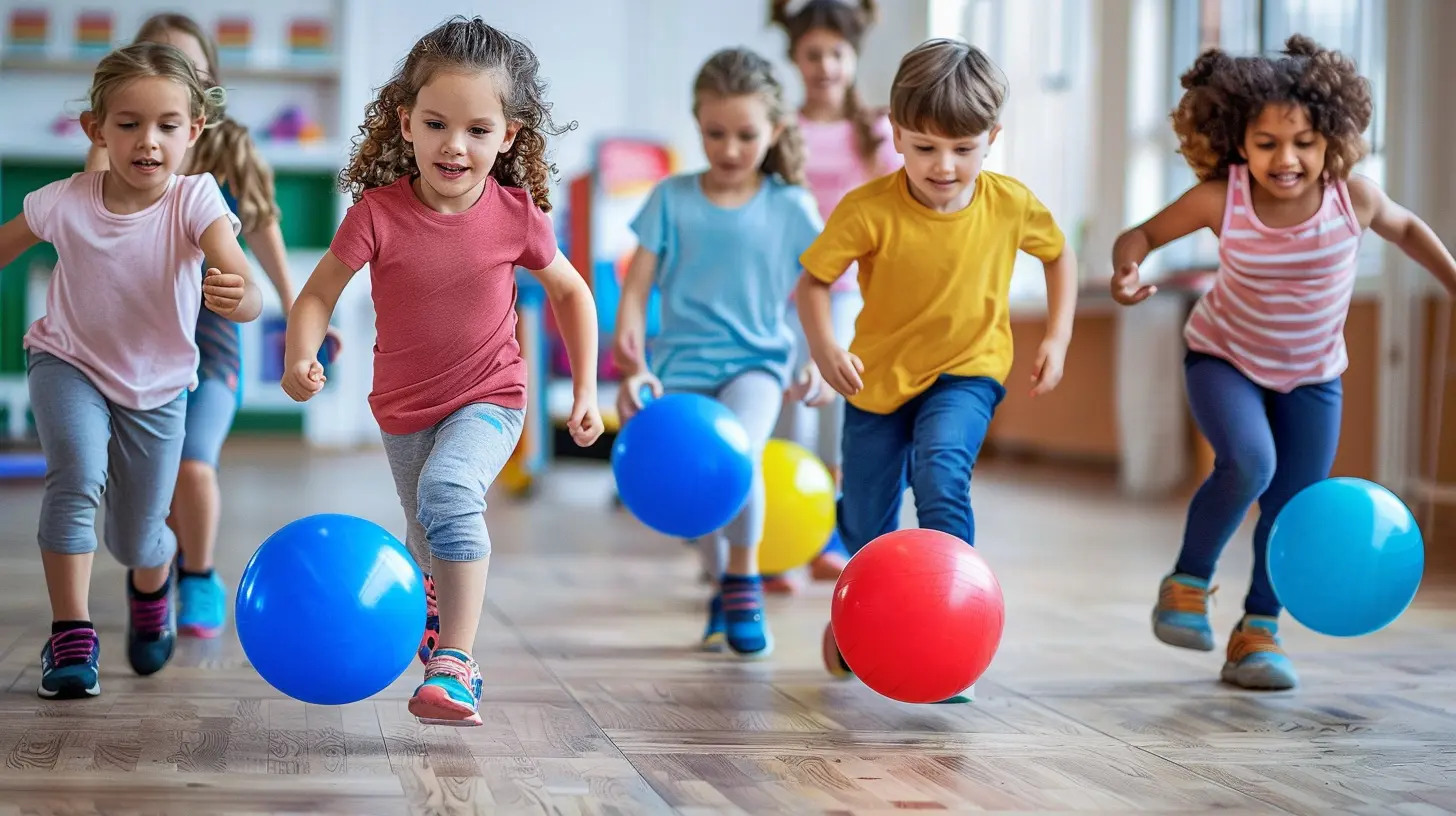
Why Is Classroom Management in PE So Unique?
Okay, so what makes classroom management in PE different from a traditional classroom setting?Well, for starters, your “classroom” probably doesn’t have desks. You're managing movement, which means students aren't sitting still, and let’s be honest—sometimes they’re not even listening. You're outside, in the gym, or in a loud, echoey space, and your voice competes with dribbling balls, sneakers squeaking, and, oh yeah, endless giggling.
To top it off, you’re responsible for safety. Physical activities carry a risk of injury, and one distracted student can literally take someone down—like, face-plant-to-the-floor down.
That's why PE teachers need a specialized set of classroom management strategies—ones that work with movement, noise, and freedom (that still feels like structure).
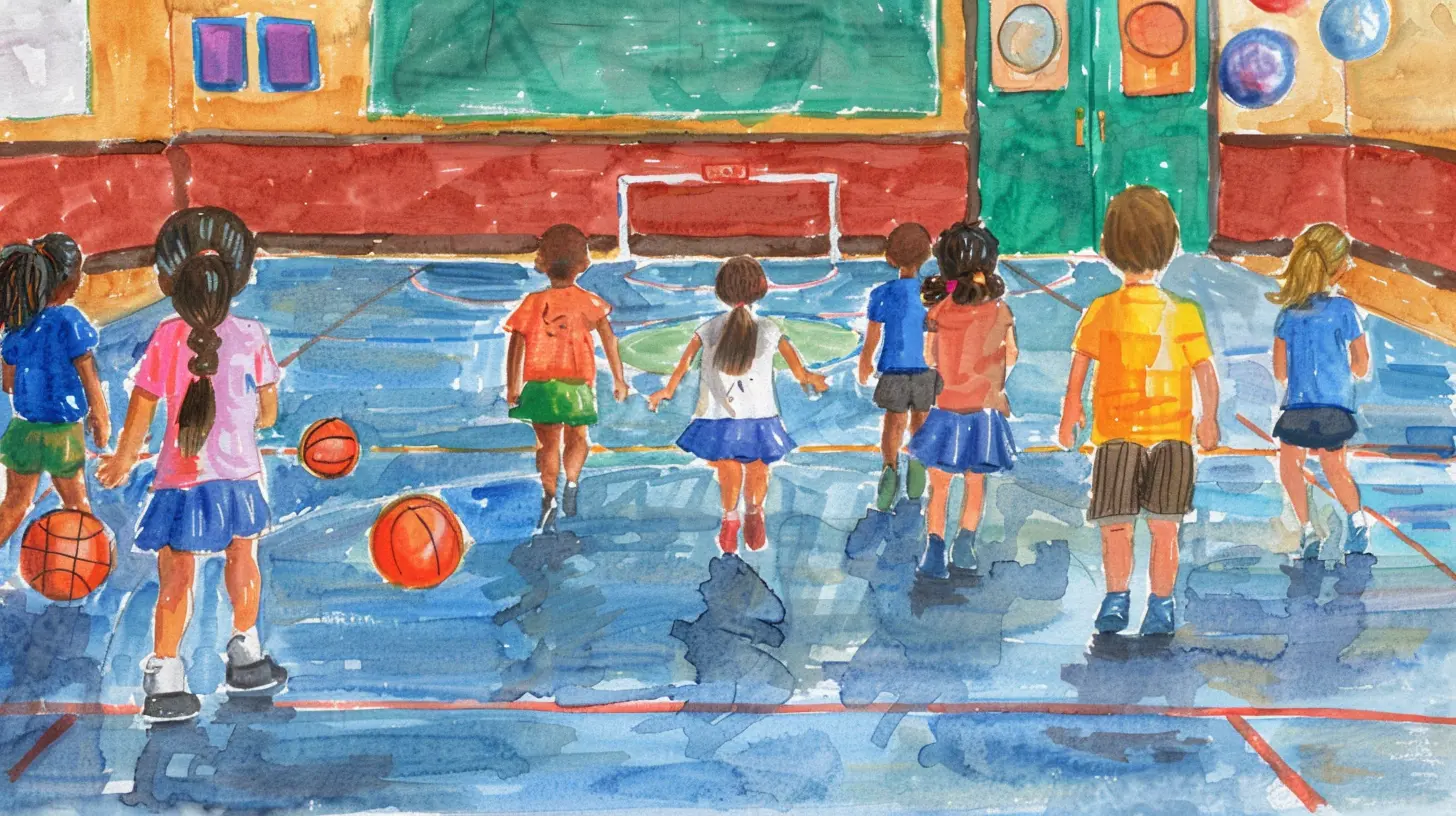
1. Set the Tone from Day One
Ever heard the saying, "Start as you mean to go on"? It applies more than ever in PE.The first day of class isn't just icebreakers and name games—it’s your golden ticket to lay the foundation. You need to communicate your expectations clearly and firmly. Let students know the rules, and more importantly, let them know WHY those rules exist.
Here’s a simple trick: use a team-talk circle. Before every class, gather the students in a circle like a sports team. Set the mood, go over expectations, and hype them up. It’s like a huddle before the big game—they’re focused, listening (mostly), and ready to go.
👉 Pro Tip: Develop a short, memorable set of expectations. Think of it like a PE Code. Post it on the gym wall. Repeat it often. Students are more likely to follow rules they remember.
2. Create Routines That Run Themselves
In PE, routines are your best friend.From warm-ups to cool-downs, having predictable sequences cuts down on wasted time and gives students a clear roadmap. When students know what to do without you reminding them 147 times, you’ve struck gold.
Imagine this: the class walks in, immediately gathers in the designated "meeting spot," and starts their warm-up rotations without a word from you. Sounds magical, right? It's not—it's routine.
Start small. Maybe it’s just entering the gym and sitting quietly in a line. Then build from there. Praise them when they follow through. Add a little fun or competitiveness—like timing how fast they can do it correctly.
3. Use Signals… Like, A Lot
Using non-verbal signals in PE is like having an extra set of hands. You’re not always heard over the boing of basketballs and the thud of running feet, so why rely only on your voice?Clapping patterns, whistles, hand signs, or even music cues—these are gold. For example, two short whistle blows might mean “freeze,” while a raised hand signals “stop and look.”
The trick is consistency. Don’t introduce too many signals at once or you’ll confuse the chaos even more. Stick to 3–4 to start, and reinforce often.
4. Keep Students Engaged (So They Don’t Go Rogue)
Students get off-task when they’re bored. You know it. I know it. And trust me—the students know it too.That’s why engagement is key to smooth classroom management. And before you say, “Well, it’s PE, it’s already fun,” think again. Not every student is thrilled about breaking a sweat or being picked last in team sports.
The fix? Mix it up.
Rotate activities. Offer choice. Let them have a say in what games they play. Incorporate music. Use themes. Throw in some friendly competition or challenges that are based on effort—not just athletic skill.
Focus on inclusion. Design games where everyone contributes, not just the fastest or strongest. That way, you engage the whole class—not just the usual stars.
5. Proactive Behavior Management Is Better Than Reactive
Being reactive is like using a band-aid on a leaky dam. It might work for a second, but the pressure builds up fast.Instead, aim for proactive strategies. That means anticipating trouble before it shows up and nipping it in the bud.
Let’s say you’ve got a student who tends to zone out and talk during instructions. Call them up beforehand. Assign them as a "line leader," or give them a purposeful role. Suddenly, they’re invested in the activity and less likely to derail it.
Keep an eye on “transition trouble.” Moving from one activity to another is a prime time for chaos. Have a plan. Use countdowns. Give clear instructions before you move.
6. Build Relationships, Not Just Rules
If your students like and respect you, they’re much more likely to follow your lead.Take time to learn their names quickly. Ask about their favorite sports teams, hobbies, or how their weekend was. Celebrate their efforts, not just their wins.
This isn't about being best buds—it’s about being a coach-mentor. When students feel seen and valued, they tend to rise to your expectations.
And remember: empathy goes a long way. Not every student will come to your class feeling great. Some might have had a tough morning—or life. Sometimes, the loudest kid isn't just being "disruptive"… they’re asking for attention the only way they know how.
7. Keep Your Cool—Even When the Wheels Fall Off
Let’s be real—things will go sideways. Balls will hit the wrong target. Shoes will fly off. There will be days when the noise level hits “airport runway” status.In those moments, your calm is contagious.
Students watch your reactions. If you lose your cool, you give them permission to do the same. But when you handle misbehavior or unexpected chaos with humor, patience, and confidence, it sets a tone.
Use a calm, firm voice. Maintain eye contact. Address behavior, not the student. And when necessary, have private conversations instead of public callouts. Nobody likes getting roasted in front of their friends.
8. Gamify Behavior Expectations
Why not turn good behavior into a game?Use point systems, badges, or “teamwork trophies” to reward positive behaviors. Create goals like “No talking during instructions for 3 classes in a row” or “All equipment picked up in under 2 minutes.”
Make these challenges visible. Post team scores. Celebrate small wins. Students love competition—use it to foster cooperation and accountability instead of just winning games.
9. Reflection and Debriefing Matter More Than You Think
After the chaos of physical activity subsides, take five minutes to debrief. This is where real learning often happens.Ask:
- What went well today?
- What challenges did we face?
- How did we work together?
- What can we do better next time?
This reflection not only instills life skills like teamwork and self-awareness, but it also reinforces your role as a teacher—not just a “coach.” Plus, it gives students space to self-regulate and feel heard.
10. Know When to Pick Your Battles
Newsflash: not every off-task behavior is worth a showdown.Sometimes, that student spinning in circles while waiting their turn isn’t trying to be defiant—they’re just being, well, a kid. Instead of jumping in with a power struggle, try redirecting: “Hey Alex, can you help me hand these out?”
Choose your consequences wisely. Save the big reactions for serious infractions. When you’re consistent and fair, students get the message—without feeling micromanaged.
Wrapping It Up: The PE Teacher’s Secret Weapon
The secret weapon to effective classroom management isn’t some complicated formula—it's connection, consistency, and clarity. And yeah, a little bit of chaos is okay.You weren’t meant to run a silent library. You’re a PE teacher—master of movement, energy, and life lessons hidden in every game. With the right strategies, you can channel all that buzzing energy into purpose.
Take the time to build trust. Set clear expectations. Make routines second nature. Keep it all fun and inclusive.
Because when students feel safe, respected, and engaged, classroom management becomes less about control—and more about collaboration.
Now grab your whistle—it’s game time.
all images in this post were generated using AI tools
Category:
Physical EducationAuthor:

Olivia Lewis
Discussion
rate this article
2 comments
Caitlin McEachern
Thank you for sharing these insightful strategies! Clear classroom management is essential in PE. I especially appreciate the emphasis on communication and building rapport with students.
February 8, 2026 at 4:51 AM
Olivia Lewis
Thank you for your feedback! I'm glad you found the strategies helpful. Building rapport is indeed key to effective management in PE.
Avery Wolfe
Managing a gym full of energetic mini tornadoes? It’s like herding cats wearing sneakers! These strategies are your secret playbook to turn chaos into choreography, making sure every student breaks a sweat while mastering the fine art of teamwork and fun. Let’s get moving!
January 23, 2026 at 1:05 PM
Olivia Lewis
Thank you! I'm glad you enjoyed the article and found the strategies helpful. Keeping things fun and engaging is key to turning that energy into teamwork! Let's keep those mini tornadoes moving!