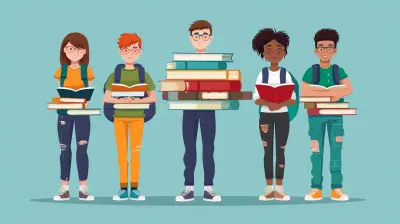
Effective SEL Programs for Middle and High School Students
2 June 2026
Social-emotional learning (SEL) is becoming a hot topic in education, and for good reason. As students navigate the turbulent waters of adolescence, they're not just learning math formulas or historical dates—they're also learning how to manage emotions, build relationships, and make responsible decisions.
But here's the challenge: How do we teach middle and high schoolers these critical life skills in ways that actually resonate with them? That's where effective SEL programs come into play. They empower students with the emotional intelligence they need to thrive, both in and out of the classroom.
In this article, we'll dive deep into SEL programs specifically tailored for middle and high school students. We'll explore why they matter, what makes them effective, and some of the best programs out there today.

What is Social-Emotional Learning (SEL)?
Before we get into the nitty-gritty of SEL programs, let's start with the basics. Social-emotional learning is all about teaching students to understand and manage their emotions, set positive goals, show empathy for others, establish healthy relationships, and make responsible decisions.At its core, SEL aims to help students develop the skills they need to navigate life—whether it's handling stress, understanding themselves better, or working well with others.
Why is SEL Important for Middle and High School Students?
If you think about it, middle and high school are some of the most formative years in a person’s life. It’s a time when students are figuring out who they are, who they want to be, and how they fit into the world around them. They're dealing with peer pressure, academic stress, and, let’s face it, a rollercoaster of emotions.For many students, these years aren’t just about learning algebra or writing essays. They're about learning how to deal with anxiety, how to make friends, how to handle failures, and how to stand up for themselves. And that’s what SEL programs aim to teach—skills that are just as important, if not more so, than academic knowledge.
The Core Components of Effective SEL Programs
So, what makes an SEL program effective? There are several key components that successful programs tend to have in common. Let's break them down:1. Self-Awareness
This is the foundation of any SEL program. Self-awareness involves helping students recognize their emotions, thoughts, and values, and how they influence their behavior. It’s about understanding one’s strengths and weaknesses and having a sense of confidence and purpose.Imagine a student who constantly gets frustrated whenever they don’t get the answer right on the first try. Through SEL, that student can learn to identify their frustration, understand why they feel that way, and take steps to manage it effectively.
2. Self-Management
Once students are aware of their emotions, the next step is learning how to manage them. Self-management involves regulating one's emotions, thoughts, and behaviors in different situations. It’s about learning to cope with stress, control impulses, and stay motivated to achieve personal and academic goals.For example, a student who tends to procrastinate might benefit from SEL strategies that help them develop better time-management skills and self-discipline.
3. Social Awareness
Social awareness takes things a step further by teaching students how to empathize with others. This involves understanding and respecting different perspectives, recognizing social cues, and appreciating diversity.In a world that’s increasingly interconnected, social awareness is critical. Students need to learn how to navigate social situations, whether it’s resolving conflicts or simply showing kindness to someone who is different from them.
4. Relationship Skills
Building and maintaining healthy relationships is a cornerstone of SEL. Relationship skills involve communicating clearly, listening actively, cooperating with others, and resolving conflicts in a constructive manner.Think about how many conflicts arise in school simply because students don’t know how to communicate effectively. Teaching students these skills can lead to fewer misunderstandings and stronger friendships.
5. Responsible Decision-Making
This final component is all about making choices that align with one’s values and considering the well-being of oneself and others. Responsible decision-making involves analyzing situations, evaluating the potential consequences of various actions, and making ethical and constructive choices.For instance, students might be faced with peer pressure to engage in risky behavior. SEL helps them think critically about their options and make decisions that reflect their own values, rather than just going along with the crowd.

How SEL Programs Benefit Middle and High School Students
You might be wondering—does teaching SEL really make a difference? The short answer is yes. Numerous studies have shown that SEL programs can have a significant positive impact on students' academic performance, emotional well-being, and overall development.1. Improved Academic Performance
One of the surprising benefits of SEL is its impact on academic achievement. When students are better equipped to manage their emotions and stay focused, they’re more likely to perform well in school. In fact, research shows that students who participate in SEL programs tend to have higher grades and test scores compared to those who don't.2. Better Emotional Regulation
Middle and high school students are often dealing with a whirlwind of emotions—anxiety about exams, stress from social situations, or even just the everyday ups and downs of adolescence. SEL helps students develop the tools they need to regulate their emotions, which can lead to reduced stress and better mental health.3. Enhanced Social Skills
Many SEL programs focus on teaching students how to communicate effectively, resolve conflicts, and build strong relationships. These are skills that will serve students well not only in school but throughout their lives.4. Reduced Behavioral Issues
When students are taught how to manage their impulses and make responsible decisions, behavioral issues tend to decrease. Schools that implement SEL programs often see a reduction in incidents of bullying, violence, and disciplinary problems.5. Increased Empathy and Compassion
SEL programs encourage students to put themselves in others’ shoes and understand different perspectives. This can lead to greater empathy and compassion, which are essential for creating a positive school environment.
Top SEL Programs for Middle and High School Students
Now that we’ve covered the importance of SEL, let’s take a look at some of the most effective SEL programs available for middle and high school students.1. Second Step
Second Step is one of the most widely used SEL programs in schools across the U.S. It offers a comprehensive curriculum that focuses on teaching students social-emotional skills at every grade level. For middle and high school students, the program includes lessons on self-awareness, self-management, social awareness, relationship skills, and responsible decision-making.What sets Second Step apart is its emphasis on real-life scenarios. It uses videos and interactive activities to help students apply the skills they’re learning in practical situations.
2. RULER Approach
The RULER approach, developed by the Yale Center for Emotional Intelligence, focuses on helping students recognize, understand, label, express, and regulate their emotions (hence the acronym RULER). The program is designed to create a supportive classroom environment where students feel safe expressing their emotions.RULER emphasizes the importance of emotional intelligence in both personal and academic success. The program includes tools like the “Mood Meter” to help students track their emotions throughout the day.
3. MindUP
MindUP is a mindfulness-based SEL program that encourages students to focus on the present moment and develop a greater awareness of their thoughts and emotions. The program integrates neuroscience, positive psychology, and mindful awareness training to help students build self-regulation and focus.MindUP is particularly effective for middle and high school students who are dealing with the pressures of academic performance and social dynamics. Research has shown that practicing mindfulness can reduce stress and improve focus, which are crucial skills for success in school.
4. Leader in Me
Leader in Me is based on Stephen Covey’s book, The 7 Habits of Highly Effective People. The program teaches students leadership skills through the lens of SEL, focusing on personal responsibility, teamwork, and goal-setting.What’s unique about Leader in Me is its focus on empowering students to take ownership of their behavior and learning. The program encourages students to see themselves as leaders in their own lives, which can be incredibly motivating for middle and high schoolers.
5. CharacterStrong
CharacterStrong is another popular program that focuses on building character and social-emotional skills in students. The program includes lessons on empathy, kindness, gratitude, and resilience, all of which are essential components of SEL.CharacterStrong also emphasizes the importance of service and community, encouraging students to think beyond themselves and contribute to the well-being of others.
How to Implement SEL in Your School
If you’re an educator or school administrator looking to implement SEL in your school, here are a few tips to get started:- Start with a Needs Assessment: Before choosing an SEL program, assess the specific needs of your students. What challenges are they facing? What skills do they need to develop? This will help you choose a program that’s tailored to your school’s unique context.
- Get Buy-In from Staff: SEL programs are most effective when there is a school-wide commitment. Make sure your staff understands the importance of SEL and is trained in how to implement the program effectively.
- Integrate SEL into Existing Lessons: SEL doesn’t have to be a separate subject. You can integrate it into existing lessons by incorporating discussions about emotions, relationships, and decision-making into subjects like English, history, or even science.
- Create a Supportive Environment: SEL works best when students feel safe and supported. Focus on building a positive school culture where everyone—students and staff alike—feels valued and respected.
Conclusion
Social-emotional learning is more than just a buzzword—it's a vital component of education, especially for middle and high school students. By helping students develop self-awareness, manage their emotions, build healthy relationships, and make responsible decisions, SEL programs can set them up for success in both school and life.Whether you’re a teacher, a parent, or a school administrator, investing in SEL can have a lasting impact on students’ academic performance, emotional well-being, and social development. With so many effective programs available, there’s never been a better time to make SEL a priority in your school.
all images in this post were generated using AI tools
Category:
Social Emotional LearningAuthor:

Olivia Lewis
Discussion
rate this article
1 comments
Nadia McGrath
Implementing effective social-emotional learning programs in middle and high schools is crucial. These initiatives can significantly enhance students' emotional well-being and academic success.
June 2, 2026 at 12:06 PM