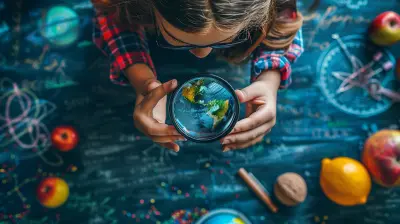
Embracing Change: The Importance of Learning New Skills at Every Stage of Life
6 February 2026
Let’s be honest for a second—change is kind of like that overenthusiastic friend who shows up uninvited, rearranges your furniture, and insists it’s “for your own good.” Annoying? Totally. Necessary? Absolutely.
Whether you’re 18 and wide-eyed or 58 and wondering how you became the oldest person on your team without even trying, one truth remains: you’ve got to keep learning. Lifelong learning isn't just a fancy little idea in your HR handbook. It's survival. And not the Bear Grylls, drink-your-own-pee kind of survival. We're talking digital survival, career survival, mind-staying-sane survival.
So, buckle up because we’re diving into why learning new skills is basically your secret weapon at every age, and how embracing change (yes, that clingy friend again) can actually become your biggest flex.
Why Learning Isn’t Just for Youngsters in Hoodies
Ah, the stereotype: young people are tech-savvy geniuses, born with iPhones in their hands and coding in their DNA. Meanwhile, anyone over 35 is basically expected to call IT support just to reset their email password.Cute, but wrong.
Learning isn’t something you shove into your early years and then retire like an old gym membership. It’s the equivalent of giving your brain a daily multivitamin—keeps things fresh, sharp, and just a bit smug. And no, it’s not too late for anyone.
The Comfort Zone: That Cozy Trap We All Secretly Love
Who doesn’t love a good comfort zone? It’s warm. Familiar. Netflix lives there.But here's the kicker: nothing grows in the comfort zone except maybe your waistline and your list of excuses. Learning something new—whether it’s baking sourdough bread or figuring out what the heck TikTok is—shakes things up. It keeps your neurons firing and your curiosity alive.
And let’s be real, saying you’re “too old” or “too busy” is the adult version of “the dog ate my homework.”
The Science-y Bit (Don’t Worry, We’ll Keep It Fun)
Let’s sprinkle a little science on this conversation, shall we?Our brains are not concrete. They’re more like Play-Doh—malleable, adaptable, and surprisingly resilient. This magic is called neuroplasticity, and it basically means your brain is totally cool with rewiring itself as long as you give it something juicy to chew on.
So What Happens When You Learn Something New?
- You strengthen brain connections (yes, even if you forgot where you put your keys)- You enhance memory and focus (because we could all use a little less “Wait, what was I doing?”)
- You become more resilient to age-related decline (because Sudoku can only take you so far)
Boom. SCIENCE.
Learning Through the Decades: What It Looks Like
Let’s break down what learning looks like at different stages of life—because contrary to popular belief, it’s not one-size-fits-all.In Your 20s: The “Fake It Till You Make It” Era
In your 20s, everything feels like a crash course in adulting. You’re learning how to cook things that don’t come in cup noodles and figuring out how taxes work (spoiler alert: they don’t).This is also when skill-building matters big time. Want to stand out in a sea of equally confused grads? Learn stuff people aren’t expecting. Think digital marketing, public speaking, emotional intelligence—because knowing Excel is cool, but knowing how to lead a meeting without sweating through your shirt? Priceless.
In Your 30s: The Too-Tired-For-BS Phase
Your 30s are where careers start solidifying and life gets real. Maybe you’ve found your professional lane—or maybe you’re realizing your chosen path isn’t it.Welcome to the first major remix of your skillset.
This is when learning isn’t just about getting ahead; it’s about staying relevant. Industries evolve faster than your streaming subscriptions, and if you’re not keeping up, you’re falling behind. Upskilling, cross-training, side-hustling—it all becomes part of the game.
In Your 40s and 50s: The Mid-Life Plot Twist
Ah, the “is this all there is?” phase. Your kids ask you how to use Snapchat, your boss is 15 years younger, and everything suddenly feels… different.But guess what? You have the perfect combo: experience plus opportunity.
Whether you're shifting careers, picking up a passion project, or diving into entrepreneurship (because why not?), this is when learning new skills can absolutely redefine your purpose. And yes, it’s totally valid to learn video editing at 47 or start coding at 50. Who’s stopping you? (No one. That’s who.)
In Your 60s and Beyond: Legends Never Retire
Retirement? Overrated. Okay, maybe not, but who says learning has to stop?Whether it’s Spanish for your dream trip to Spain or taking a class on crypto (just to understand what your grandkids are talking about), your brain is still game. And here’s the thing: you finally have time to invest in you. No more juggling soccer practice and deadlines. Just curiosity and freedom.
But Seriously... Why Bother?
Glad you asked. Let’s throw down some solid reasons why learning new skills is the move, regardless of what year your high school reunion is.1. Better Job Security (And Let’s Face It, We All Like Security)
Tech evolves quicker than fashion trends. One minute you're the go-to Excel wizard, the next you're Googling how to use Notion like it's a full-time job. Constantly updating your skills means you're not just employable—you're indispensable.2. Unlocks New Opportunities
Ever wanted to start a podcast? Write a book? Launch an Etsy shop full of funky socks? (Just me?)New skills open doors you didn’t even know existed. They boost confidence, spark ideas, and sometimes, give you just the excuse you needed to make a bold, fun, or slightly irrational leap.
3. Boosts Mental Health
We love a good spa day, but self-care includes challenging your brain too. Learning stimulates mental activity, reduces stress, and gives you a sense of accomplishment.Plus, let’s not underestimate how empowering it is to finally understand the settings on your smart TV.
4. Builds Adaptability (AKA the Ultimate Life Skill)
Change is constant. Algorithms change. Workplaces shift. Your favorite pizza place goes vegan (the horror!). Learning helps you roll with the punches, bounce back from setbacks, and pivot like a pro when life throws curveballs.How to Make Learning Less Boring and More “Heck Yeah!”
Okay, so you’re onboard. But how do you actually make learning part of your life without falling asleep or smashing your laptop?1. Go Micro
Microlearning is hot. Break things into tiny, digestible chunks. Ten-minute videos, bite-sized online courses, short blog reads (like this one—wink). Easy to fit into your busy, coffee-fueled day.2. Make It Social
Join communities, forums, or masterminds. Learning is way more fun when you’re not yelling at your computer alone. Connect with others, share your wins (and fails), and steal—I mean, borrow—tips.3. Gamify it
Points, badges, streaks—yes, you’re a full-grown adult, but don’t pretend you’re not motivated by a gold star. Apps like Duolingo and Skillshare practically beg you to level up.4. Follow Curiosity, Not Just Trends
Sure, AI and UX design sound trendy, but if you’re passionate about painting pet portraits or building your own terrarium empire—go for it. Passion sustains learning way more than popularity ever will.Final Thoughts: Spoiler Alert—You’re Never “Too Late”
Let’s kill this myth once and for all: you are never too old, too slow, or too outdated to learn something new.You’re not a software version that can’t be upgraded. You’re not a dusty VHS tape stuck in 1997. You’re a living, breathing, ever-changing human sponge. And every stage of life brings with it a whole new buffet of skills just waiting to be grabbed.
So go ahead. Embrace the mess. Take that class. Pick up that weird hobby. Download that app you don’t understand yet. Your future self is doing a little happy dance already.
all images in this post were generated using AI tools
Category:
Lifelong LearningAuthor:
Olivia Lewis
Discussion
rate this article
2 comments
Laura McElveen
This article beautifully highlights the necessity of continuous learning. Embracing new skills not only fosters personal growth but also enhances adaptability in an ever-evolving world. A timely reminder for all stages of life!
February 23, 2026 at 5:19 AM
Olivia Lewis
Thank you for your thoughtful comment! I'm glad you found the message on continuous learning impactful. It's truly vital for personal growth at any age.
Velma White
Change is like a new pair of shoes: a bit uncomfortable at first, but once you break them in, you’re ready to strut!
February 7, 2026 at 4:10 AM
Olivia Lewis
Absolutely! Embracing change may feel challenging initially, but with time and practice, it leads to growth and confidence.