Empowering Students Through Personalized Learning Approaches
18 January 2026
Education isn’t a one-size-fits-all experience. Think about it—every student learns at their own pace, has unique strengths, and faces different challenges. So why should we expect traditional teaching methods to work for everyone?
That’s where personalized learning comes in. It’s an approach that tailors education to fit each student's needs, making learning more engaging, effective, and, most importantly, empowering. In this guide, we’ll dive deep into what personalized learning is, why it matters, and how it can change the future of education for the better.
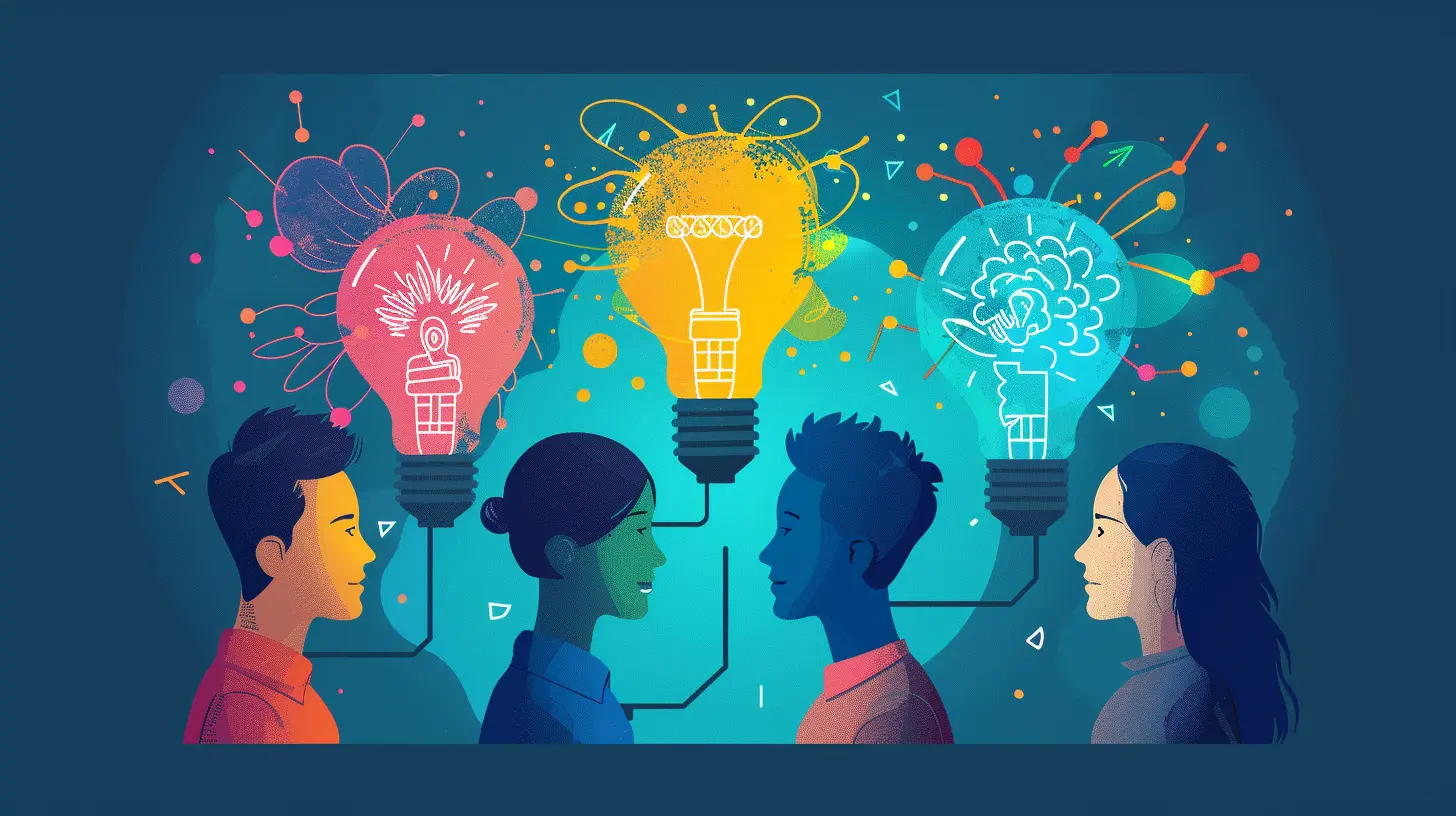
What is Personalized Learning?
Personalized learning is an educational approach that adapts teaching methods, content, and pace to fit each student's needs. Instead of using a rigid curriculum that applies to all students equally, personalized learning focuses on:- Individual student goals
- Personalized learning paths
- Flexible pacing
- Student choice in learning methods
This approach isn’t just about making students comfortable—it’s about maximizing their potential by giving them the tools and support they need to succeed in their own way.
Why Personalized Learning Matters
Traditional education has long followed a “one-size-fits-all” model. But the reality? Students aren’t all the same. Some excel in specific subjects, while others struggle. Some prefer hands-on activities, while others grasp concepts better through reading.When students receive a personalized approach to learning, they feel more:
✅ Engaged – Learning becomes more interesting because it’s relevant to their interests.
✅ Motivated – Students take ownership of their learning when they have a say in it.
✅ Confident – Struggling students get the support they need, while advanced learners get challenged.
Simply put, personalized learning makes education more meaningful—and that’s a game-changer.
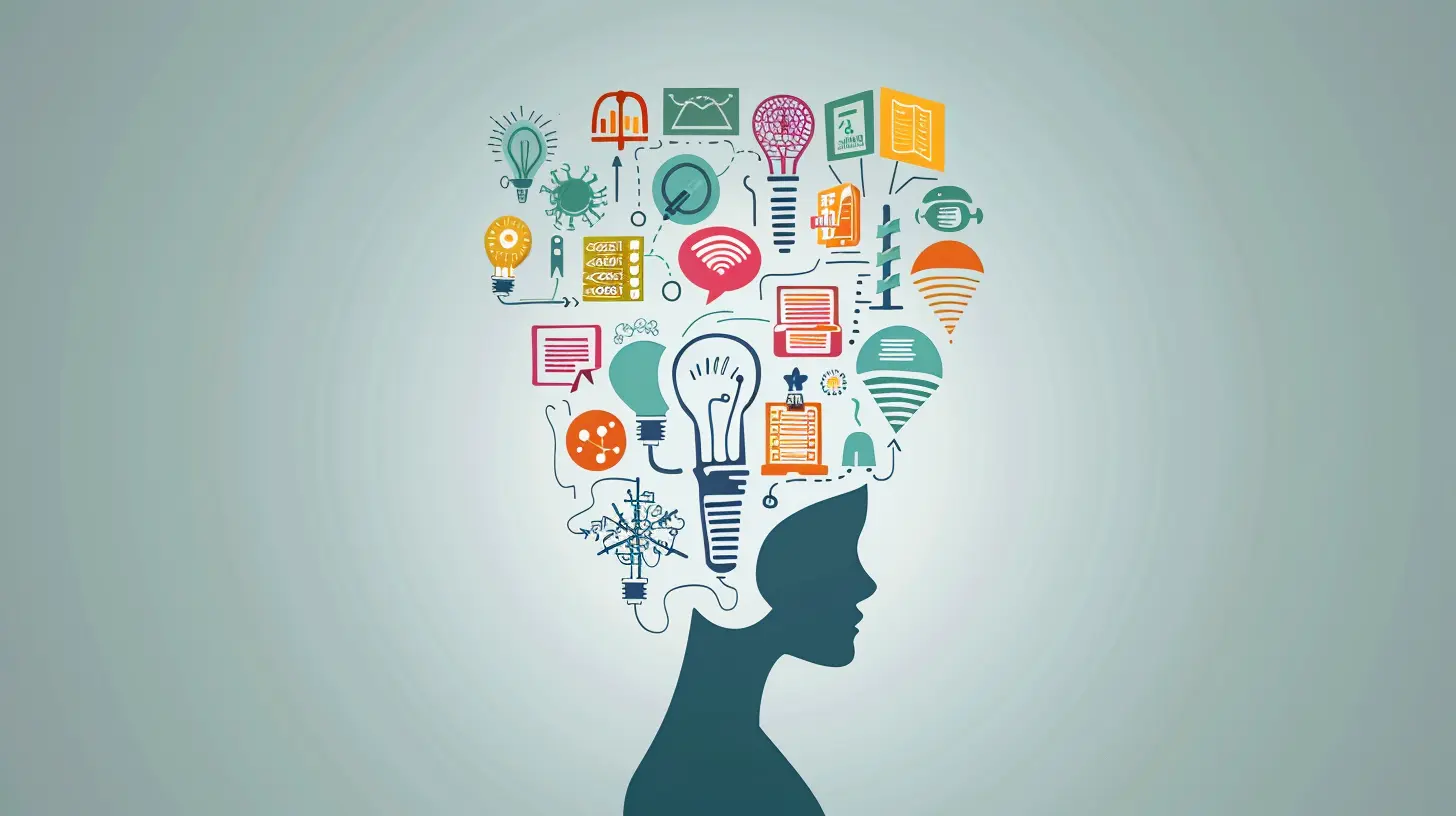
Key Components of Personalized Learning
So, what exactly makes personalized learning work? Let’s break it down.1. Student-Centered Learning
At the heart of personalized learning is student agency—empowering students to take charge of their education. This means:- Setting their own learning goals
- Choosing how they learn (videos, projects, discussions, etc.)
- Reflecting on their progress
When students have control over their learning journey, they become more invested in the outcome.
2. Adaptive Learning Technologies
Technology plays a huge role in personalized learning. AI-powered platforms, adaptive quizzes, and online resources help tailor learning materials to each student's level. For example:- Smart tutoring systems adjust in real-time based on a student’s progress.
- Gamified learning apps make studying fun and interactive.
- AI-driven analytics help teachers track student progress and tweak lesson plans accordingly.
These tools ensure that no student is left behind—or held back—by a rigid curriculum.
3. Differentiated Instruction
Not all students learn in the same way. Differentiated instruction allows teachers to modify their teaching strategies based on individual student needs. This can include:- Visual, auditory, and kinesthetic learning methods
- One-on-one coaching for students who need extra guidance
- Advanced materials for those ready to move ahead
By adapting lessons, teachers ensure that each student’s unique learning style is supported.
4. Competency-Based Learning
Instead of focusing on seat time (the hours a student spends in class), competency-based learning focuses on mastery. Students move forward only when they’ve mastered a concept—not just because the calendar says so.This approach:
✅ Eliminates gaps in knowledge
✅ Allows students to master subjects fully
✅ Encourages learning at an individual pace
Students gain confidence knowing they truly understand a concept before moving on to the next stage.
5. Collaborative & Project-Based Learning
Personalized learning doesn’t mean students work alone. In fact, it encourages collaboration through:- Group projects that align with student interests
- Real-world problem-solving tasks
- Peer mentoring and discussions
Working together helps students develop critical thinking and teamwork skills while also making learning more engaging.

Benefits of Personalized Learning
Personalized learning isn’t just another education trend—it’s a proven way to improve student outcomes. Here’s why it works so well:1. Increases Student Engagement
When students see that learning is tailored to their interests and needs, they naturally become more engaged. It’s the difference between reading a boring textbook and working on a hands-on project that excites them.2. Builds Stronger Teacher-Student Relationships
Teachers in a personalized learning environment become mentors rather than just lecturers. They gain deeper insights into each student’s strengths and struggles, allowing better support and stronger connections.3. Encourages Self-Paced Learning
Have you ever felt rushed in school? Or maybe you got bored waiting for others to catch up? Personalized learning fixes that by allowing students to learn at their own pace.- Faster learners can move ahead without waiting.
- Struggling students get extra time and resources.
This ensures that everyone truly understands the material before progressing.
4. Prepares Students for the Future
Life isn’t about memorizing facts—it’s about applying knowledge in real-world situations. Personalized learning prepares students by:- Encouraging critical thinking
- Developing problem-solving skills
- Teaching self-motivation and discipline
These skills are essential for college, careers, and life beyond the classroom.
Challenges of Implementing Personalized Learning
As great as it sounds, personalized learning does come with some challenges.1. Requires More Planning & Resources
Personalized learning takes more effort than traditional teaching. Educators need to:- Develop custom lesson plans
- Use adaptive learning tools
- Provide individualized support
This requires funds, training, and commitment from schools and educators.
2. Technology Dependency
Many personalized learning strategies rely on technology, which can be a double-edged sword. Not all schools or students have access to:- High-quality internet and devices
- Advanced learning platforms
- Adequate teacher training on digital tools
Bridging the digital divide is crucial for personalized learning to succeed.
3. Maintaining Balance Between Personalization & Standards
While personalized learning lets students move at their own pace, schools still need to meet educational standards. This means:- Aligning personalized paths with curriculum requirements
- Ensuring students meet key benchmarks
- Balancing flexibility with academic rigor
It’s a delicate balancing act, but with the right strategies, it’s possible.
Conclusion: The Future of Learning is Personalized
Education should empower students, not hold them back. Personalized learning does exactly that by recognizing that every student is unique and deserves a customized path to success.While challenges exist, the benefits far outweigh them. With the right resources, support, and mindset, personalized learning can revolutionize education—making it more engaging, effective, and truly student-focused.
So, what do you think? Should personalized learning become the new norm? The future of education might just depend on it.
all images in this post were generated using AI tools
Category:
Learning StylesAuthor:

Olivia Lewis
Discussion
rate this article
2 comments
Nathan McAndrews
Personalized learning isn't just beneficial; it’s essential. Every student deserves an education tailored to their unique needs. Let’s revolutionize the classroom and prioritize individual strengths—no excuses!
February 2, 2026 at 2:05 PM
Olivia Lewis
Thank you for your insightful comment! I completely agree—personalized learning is vital for unlocking each student's potential. Together, we can create a more inclusive and effective educational experience.
Rex McIntire
This article insightfully highlights the importance of personalized learning in empowering students. Tailoring education to individual needs not only enhances engagement but also fosters a deeper understanding of the material. By embracing diverse learning styles, educators can cultivate an inclusive environment that promotes academic success and self-confidence in every student.
January 21, 2026 at 4:02 AM
Olivia Lewis
Thank you for your thoughtful comment! I'm glad the article resonated with you and highlighted the significance of personalized learning in fostering student success and confidence.