Empowering Students to Create Public Art Projects
16 February 2026
Public art isn't just a splash of color on a building or a sculpture in a park—it's a voice, a movement, and a mirror of the community. When students get involved in creating public art, it's more than an artsy extracurricular; it's an experience that connects them with their surroundings in ways a textbook simply can't.
So what happens when we give young people paintbrushes, spray cans, or sculpture tools and ask them to tell their story in the public square? Magic. That's what happens.
In this article, we’re diving deep into how empowering students to create public art projects can transform not only the students but also the communities they’re a part of.
Why Public Art Projects Matter for Students
Before we get carried away with murals and mosaics, let’s take a second to talk about the “why.” Why should teachers, schools, or even nonprofits care about public art for students?Expression Meets Identity
For teenagers and younger students alike, figuring out who they are can feel like trying to solve a puzzle in the dark. Public art gives them a flashlight. It’s a medium through which they can explore identity, culture, emotions, and ideas. Whether it's a mural celebrating local history or a sculpture about climate change, each piece is a voice in a dialogue.Strengthening Community Ties
Public art connects people. When students create something for everyone to see, they're not just decorating—they’re contributing. Their art becomes part of the shared space, and that builds a sense of ownership and pride within the community.Learning By Doing
Let’s be honest, not every student thrives in a traditional classroom. Public art projects are hands-on, collaborative, and creative. They blend skills from various disciplines like history, math, design, and communication. It's a real-world classroom without four walls.
The Benefits of Student-Driven Public Art Projects
Now that we know why public art matters, let’s unpack how it benefits students on a personal level.1. Boosts Confidence and Self-Esteem
Imagine seeing your design painted on a 20-foot wall for the world to see. That’s a huge confidence boost. Students realize that their ideas are valid, valued, and impactful.2. Encourages Teamwork and Leadership
These projects often involve brainstorming sessions, planning, logistics, and execution. Students learn how to work in teams, resolve conflicts, delegate tasks, and lead initiatives.3. Improves Critical Thinking and Problem Solving
What materials are safe for outdoor use? How do you get community approval? Public art projects come with logistical challenges. Students have to think critically, be resourceful, and handle real-world issues.4. Promotes Civic Engagement
A mural about mental health or environmental protection in a public park starts conversations. It encourages people to think and talk. Students aren’t just creating art—they’re inspiring change. They become young activists without necessarily waving protest signs.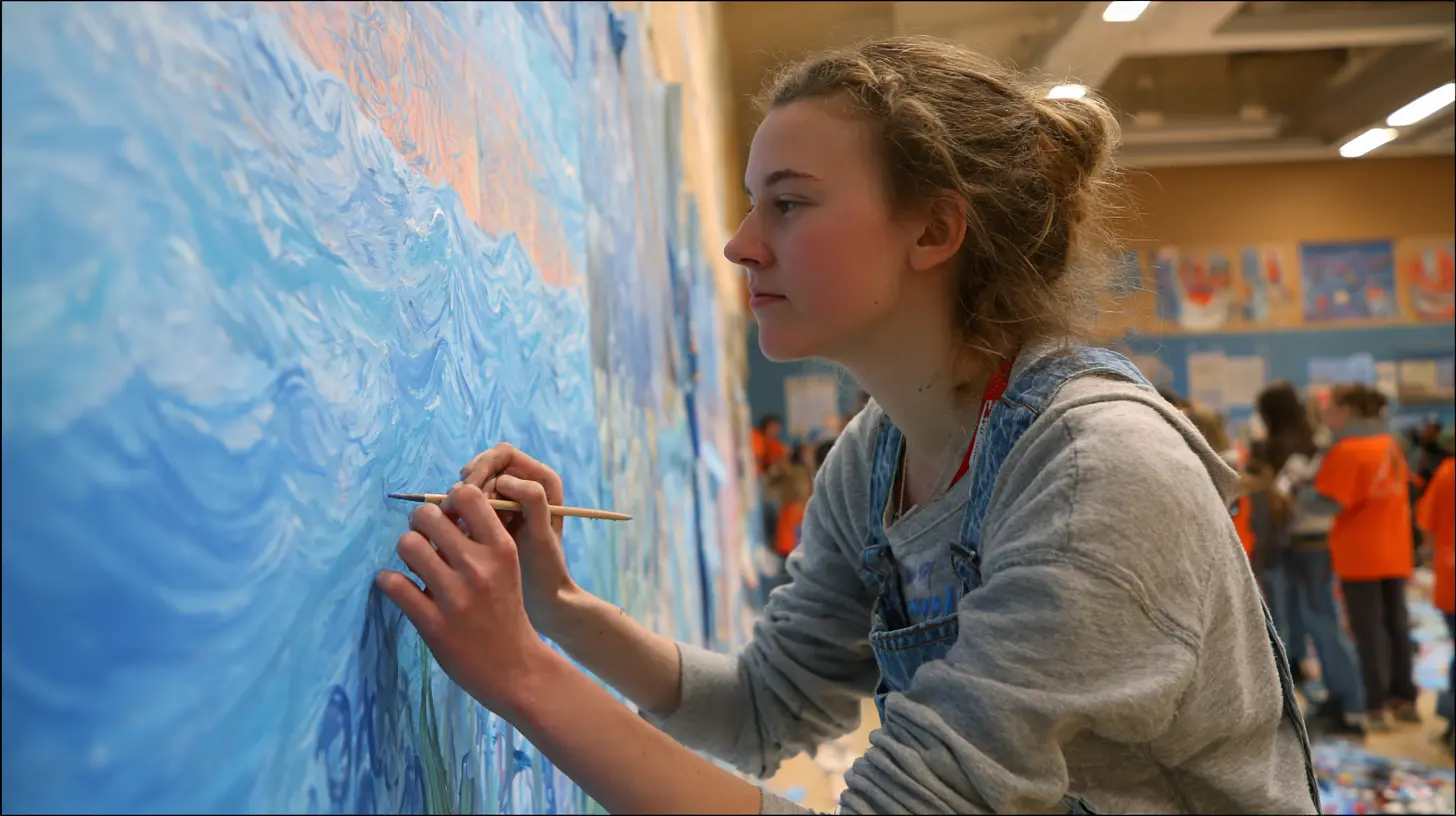
How Educators Can Empower Students to Create Public Art
So, you’re nodding your head thinking, “Alright, this sounds amazing—how do we make it happen?” Great question!Step 1: Start with a Vision
Begin by asking your students what matters to them. Hold a brainstorming session where everyone shares ideas, themes, or causes they care about. Maybe they’re passionate about racial equality, animal rights, or climate action.Let them choose the message—they’ll be more motivated if it comes from the heart.
Step 2: Teach the Basics of Public Art
Before they jump in with paint buckets, give them a crash course. Talk about famous public art pieces, different mediums, and the impact these works have had. Introduce them to community-based artists or take field trips to local installations.It’s not about turning them into Picassos overnight—it’s about sparking inspiration.
Step 3: Partner with Local Artists or Organizations
Having professionals on board can take a project to the next level. Artists can mentor students, help guide the technical parts, and even connect your school with materials and funding sources. Plus, it shows students that art can be a viable career path.Step 4: Find the Perfect Canvas
Not every school has a free wall waiting to be painted, and that’s okay. Think outside the box. Utility boxes, fences, sidewalks, or even abandoned buildings can become storytelling spaces.Just make sure to go through proper channels. You’ll need permission from local authorities or property owners—and hey, that’s another real-world learning opportunity for students.
Step 5: Involve the Community
Let your students gather feedback from people in the neighborhood. What would they love to see? This not only ensures the project is welcomed but also teaches students about empathy, dialogue, and democracy.Then, invite the community to the unveiling. Throw a block party. Celebrate the students’ hard work. When people feel part of something, they take care of it.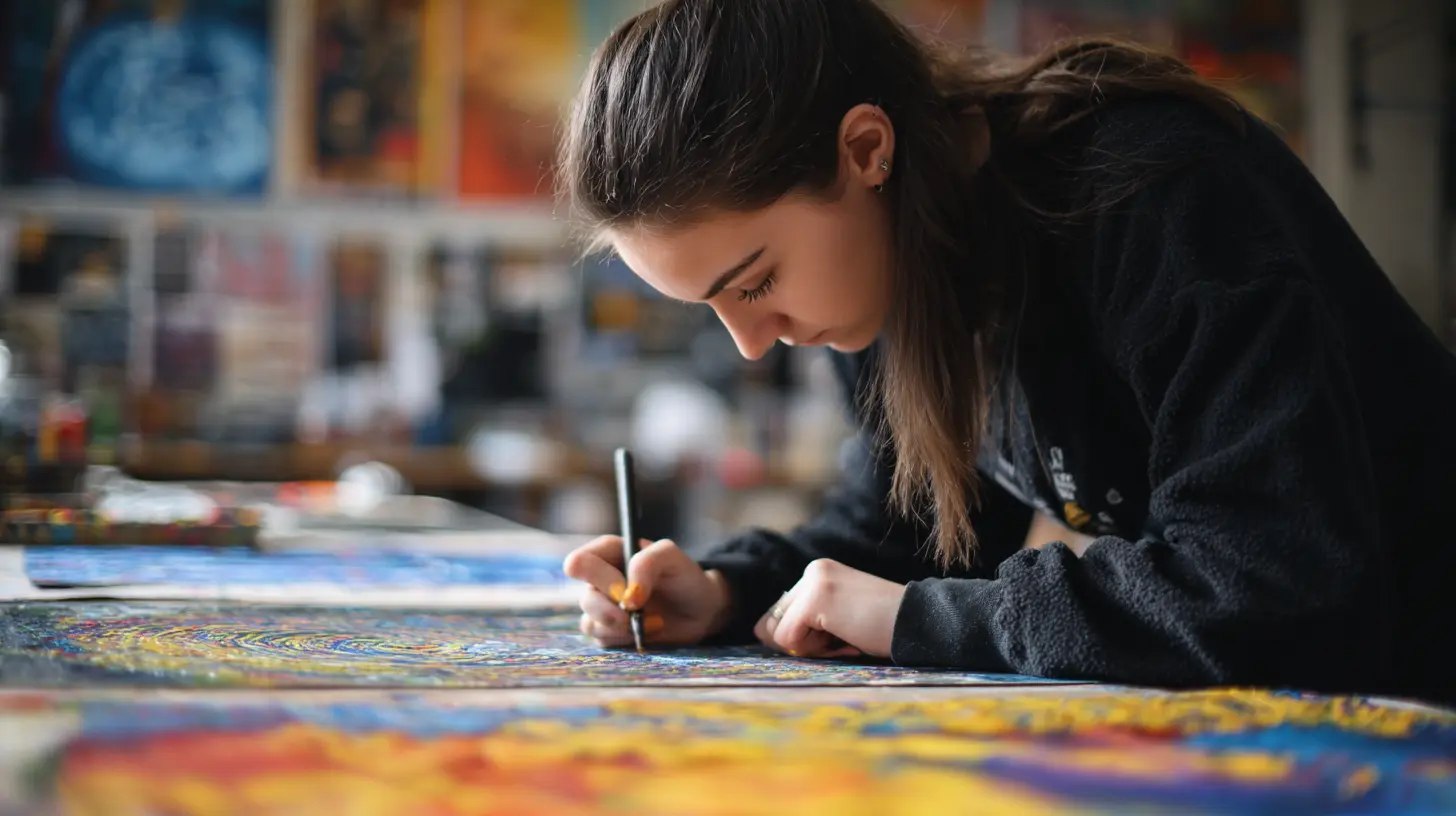
Project Ideas to Inspire Student Creativity
Need a little spark to get started? Here are a few creative project ideas that schools and students can try.1. "My Hometown" Mural
Students research local history, interview long-time residents, and then paint a timeline mural that showcases the evolution of their town or city.2. Mental Health Awareness Mosaic
Using tiles, broken mirrors, or even bottle caps, students create a mosaic wall that spreads messages of hope, resilience, and support.3. Environmental Sculpture Installation
Using recycled materials, students build interactive sculptures that highlight issues like pollution or sustainability.4. "Faces of Our Future" Sidewalk Art
Students draw portraits or silhouettes of themselves with quotes about their dreams and goals, transforming ordinary sidewalks into inspirational walkways.Funding and Resources—Because Art Isn’t Free
Let’s be real: paint, brushes, scaffolding, and other materials cost money. Here are a few ways you can make it happen:- Grants from arts organizations – Look for local or national arts funding, like from the National Endowment for the Arts or local cultural councils.
- Crowdfunding – Sites like GoFundMe or DonorsChoose can help raise funds specifically for class projects.
- Sponsorships – Local businesses often love supporting youth and community-based initiatives. In return, you can include a small “sponsored by” note on the final piece.
Don’t let a tight budget kill creativity. There's always a way—sometimes you just need to get creative with the fundraising too.
The Challenges (And How to Tackle Them)
We won't sugarcoat it—pulling off a public art project with students can come with some bumps. But hey, that’s part of the journey.Red Tape and Permissions
Navigating bureaucracy can be tricky. Your best bet? Start early and communicate often. Partner with someone who knows the ropes (like a local nonprofit or city planner).Time Management
These projects can’t always fit neatly into one class period. Consider organizing it as an after-school program or club.Vandalism or Pushback
Yep, it happens. But when the community is involved from the beginning, there’s less resistance. Plus, students can learn how to handle criticism and adapt—life skills you can’t teach from a textbook.Real-Life Examples Worth Sharing
Want proof that this actually works? Here are just a couple of examples of students leaving their mark:- In Philadelphia, the Mural Arts Program has worked with over 3,000 youth to create murals that address social issues—from gun violence to gender equality.
- A high school in Los Angeles turned a rundown alley into an open-air gallery focusing on Latinx culture and community pride.
- In Detroit, students collaborated with local artists to create sculptures from recycled car parts—honoring the city’s automotive legacy while pushing for ecological awareness.
Each of these projects not only beautified neighborhoods but also gave students a sense of purpose and pride.
Final Thoughts: Why It’s All Worth It
Empowering students to create public art projects isn’t just about putting paint on a wall—it’s about painting a bigger picture. It’s about agency, expression, and community. When students are given the tools and trust to turn their ideas into large, visible, and meaningful creations, they don’t just become better artists—they become better citizens.And that’s the kind of impact that lasts far longer than any temporary exhibit.
So, whether you're a teacher, parent, artist, or community leader—get out there. Grab a brush. Invite the kids. Start the conversation. Because the world needs more color, more voices, and more stories. And who better to tell them than the next generation?
all images in this post were generated using AI tools
Category:
Art EducationAuthor:

Olivia Lewis
Discussion
rate this article
2 comments
Lys Good
What a fantastic initiative! Empowering students through public art fosters creativity and strengthens community connections.
February 27, 2026 at 1:35 PM
Olivia Lewis
Thank you! It's inspiring to see how public art can ignite creativity and build community bonds among students.
Rebecca McPherson
Who knew that empowering students to create public art would lead to masterpieces? Just imagine a giant spaghetti sculpture or a mural of cats in space! If nothing else, at least we'll have an interesting conversation starter at the next school board meeting!
February 25, 2026 at 4:53 AM
Olivia Lewis
Absolutely! It's amazing how creativity can spark unexpected and fun conversations while enriching our community.