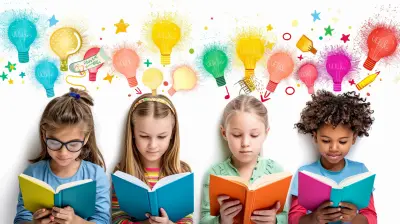
Exploring the Role of Gratitude in Social-Emotional Learning
29 May 2026
When was the last time you paused to say "thank you"? Not just out of politeness, but with genuine appreciation? Gratitude, while seemingly simple, holds the power to transform our relationships, our emotional well-being, and even how we learn. In the context of Social-Emotional Learning (SEL), gratitude acts as a cornerstone, fostering a positive mindset and strengthening interpersonal skills. But how exactly does gratitude fit into the puzzle of SEL? And why should educators care?
In this article, we’ll explore the role of gratitude in Social-Emotional Learning and how this simple act of appreciation can have a profound impact on students' emotional intelligence, relationships, and overall success.
What is Social-Emotional Learning (SEL)?
Before we dive into the role of gratitude, let’s quickly break down what Social-Emotional Learning (SEL) is. In a nutshell, SEL is the process through which individuals acquire and effectively apply the knowledge, attitudes, and skills necessary to understand and manage emotions, set positive goals, feel and show empathy for others, establish and maintain positive relationships, and make responsible decisions.SEL is divided into five core competencies:
1. Self-awareness – Recognizing your emotions and how they affect your behavior.
2. Self-management – Managing your emotions, thoughts, and behaviors in different situations.
3. Social awareness – Understanding others’ perspectives and empathizing with them.
4. Relationship skills – Building and maintaining healthy relationships.
5. Responsible decision-making – Making choices based on ethical standards and social norms.
Now, let’s see how gratitude fits into the picture.
The Connection Between Gratitude and SEL
Gratitude isn’t just about saying "thanks" when someone does you a favor. It’s a much deeper emotion, one that involves recognizing the good in life and appreciating the people, experiences, and opportunities around you. In the context of SEL, gratitude connects with several core competencies, including self-awareness, social awareness, and relationship skills.But how does gratitude actually enhance these skills? Let’s break it down.
1. Gratitude Improves Self-Awareness
By practicing gratitude, students begin to notice the positive aspects of their lives, which can enhance their self-awareness. They start to recognize the emotions they feel when they are thankful. This heightened emotional awareness helps students better understand their own needs and how their feelings influence their behavior.For example, when a student expresses gratitude for a teacher’s feedback, they become aware of their own emotions—perhaps recognizing that they feel more confident and supported. This awareness can influence how they approach future learning challenges, reinforcing a growth mindset.
2. Gratitude Enhances Social Awareness
Gratitude encourages students to pay attention to the feelings and actions of others. When students take the time to express gratitude, they show that they understand and appreciate the efforts someone else has made on their behalf.This ties directly into social awareness, one of SEL’s core competencies. By regularly practicing gratitude, students become more attuned to the emotions and perspectives of others, which enhances their ability to empathize and build stronger connections.
3. Gratitude Strengthens Relationship Skills
At its root, gratitude is relational. It’s about acknowledging the good that comes from others. When students express gratitude, they are actively engaging in positive social interactions, which strengthens their relationship skills.Consider how a simple "thank you" can change the dynamics of a classroom. When students show appreciation for their peers, it fosters a sense of community and belonging. This, in turn, creates a more supportive and collaborative learning environment where students feel safe to express themselves and take risks.
The Science Behind Gratitude and Emotional Well-Being
You might be wondering if this is all just fluffy feel-good talk. But there’s actually science to back it up! Numerous studies have shown that practicing gratitude has tangible benefits for both emotional and physical health.1. Gratitude Reduces Stress and Anxiety
Practicing gratitude can help lower stress levels by shifting the focus away from negative emotions and toward positive ones. When students focus on what they are grateful for, they are less likely to dwell on the things that stress them out, be it a tough homework assignment or a disagreement with a friend.Studies have shown that individuals who practice gratitude regularly report lower levels of anxiety and depression. This is because gratitude helps to rewire the brain, promoting a more optimistic outlook on life.
2. Gratitude Boosts Happiness
It’s no surprise that gratitude and happiness go hand in hand. When students take the time to reflect on what they are thankful for, they are more likely to experience positive emotions like joy, contentment, and satisfaction.Research suggests that practicing gratitude activates the brain’s reward system, releasing dopamine—a neurotransmitter associated with feelings of pleasure. This means that the more often students practice gratitude, the more their brains will associate it with positive emotions, fostering a cycle of increased happiness.
3. Gratitude Improves Resilience
Life is filled with challenges, both big and small. Gratitude can help students build resilience by giving them a tool to shift their perspective during tough times. When students practice gratitude, they learn to focus on the positive aspects of difficult situations, which can help them cope with adversity.For instance, a student who feels discouraged after receiving a low grade on a test can practice gratitude by acknowledging the opportunity to learn from the experience and improve. This shift in mindset can help them bounce back more quickly and approach future challenges with a sense of optimism.
How Educators Can Incorporate Gratitude into SEL Curriculum
So, how can educators bring gratitude into the classroom in a meaningful way? Here are a few practical strategies for incorporating gratitude into the curriculum as part of a Social-Emotional Learning framework.1. Daily Gratitude Journals
One of the simplest and most effective ways to encourage gratitude is by having students keep daily gratitude journals. Each day, students can write down three things they are grateful for. This practice helps students develop a habit of noticing and appreciating the positive aspects of their lives, which can lead to lasting emotional benefits.The key here is consistency. Encourage students to make this a daily routine, and over time, they will begin to see the world through a more positive lens.
2. Gratitude Circle Time
Another great way to foster gratitude in the classroom is through group discussions. Set aside time each week for a "Gratitude Circle," where students can share one thing they are thankful for. This not only gives students the opportunity to express their gratitude but also helps them hear the perspectives of their classmates.Gratitude Circle Time can also be used to resolve conflicts in the classroom. By encouraging students to express gratitude for each other, even after disagreements, educators can help foster a sense of empathy and understanding.
3. Thank You Notes
Encourage students to write thank-you notes to people who have positively impacted their lives, whether it’s a peer, a teacher, or a family member. This simple act of writing a thank-you note helps students reflect on the positive contributions others make in their lives and strengthens their relationship skills.You can even create a classroom "Thank-You Wall" where students can post their notes of appreciation for others to see. This not only encourages gratitude but also builds a strong sense of community within the classroom.
4. Gratitude-Based Projects
Incorporate gratitude into larger projects by encouraging students to reflect on the people or experiences that have shaped them. For example, students can create a "Gratitude Tree" where each branch represents something they are thankful for in their lives. This artistic project allows students to express gratitude in a creative and meaningful way.The Long-Term Benefits of Gratitude in SEL
By incorporating gratitude into Social-Emotional Learning, educators are not only helping students develop emotional intelligence but also setting them up for long-term success. Students who practice gratitude regularly are more likely to:- Develop stronger relationships with their peers and teachers.
- Exhibit higher levels of emotional resilience and coping skills.
- Experience increased life satisfaction and happiness.
- Show greater empathy and understanding toward others.
In the long run, these skills will serve students well not just in school, but in their personal and professional lives.
Conclusion: Gratitude is More Than a Feel-Good Practice
Gratitude is often underestimated, seen as a simple "thank you" here and there. But as we've explored, its role in Social-Emotional Learning is profound. From enhancing self-awareness to building empathy and strengthening relationships, gratitude plays a crucial role in helping students navigate the complex landscape of emotions and social interactions.Incorporating gratitude into SEL doesn’t have to be complicated. Simple practices, like gratitude journals or thank-you notes, can have lasting effects on students' emotional well-being and social skills.
So, the next time you’re in a classroom, take a moment to ask: What are you grateful for today?
all images in this post were generated using AI tools
Category:
Social Emotional LearningAuthor:

Olivia Lewis
Discussion
rate this article
1 comments
Isaiah Richardson
Gratitude truly transforms our connections with others!
June 7, 2026 at 3:28 AM
Olivia Lewis
Absolutely! Gratitude deepens our bonds and enhances our emotional understanding.