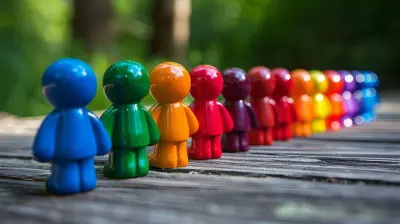
Helping Children Develop Self-Regulation Skills
31 January 2026
Self-regulation is one of the most important life skills a child can develop. It’s the ability to manage emotions, behavior, and thoughts in a way that leads to positive outcomes. But let’s be honest—helping kids develop self-regulation is no easy task. It takes time, patience, and a whole lot of repetition.
If you're a parent, teacher, or caregiver, you’ve probably witnessed a child have a meltdown because they couldn’t get what they wanted. Or maybe you’ve seen them struggle to sit still and focus on a task. That’s because self-regulation isn’t something kids are born with—it’s something they have to learn.
In this article, we’ll explore why self-regulation is so important, how it develops, and most importantly, how you can help children build this critical skill in a compassionate and effective way.

What is Self-Regulation?
At its core, self-regulation is the ability to control emotions, thoughts, and behaviors in different situations. It helps kids manage their impulses, handle frustration, and make better decisions. For example, instead of throwing a tantrum when they lose a game, a self-regulated child might take a deep breath and try again.Self-regulation involves:
- Emotional control – Managing strong emotions like anger or disappointment
- Impulse control – Thinking before acting
- Focus and attention – Staying engaged in a task even when distractions arise
- Problem-solving – Finding ways to cope with challenges instead of giving up
Without self-regulation, simple tasks like sitting in class, taking turns, or following instructions can feel overwhelming for a child.

Why is Self-Regulation Important?
Self-regulation is a foundation for success in life. Kids who develop strong self-regulation skills tend to:- Perform better in school
- Have healthier relationships
- Experience lower levels of stress and anxiety
- Develop resilience when facing challenges
- Make responsible decisions
On the flip side, children who struggle with self-regulation may have difficulty managing emotions, controlling impulses, or adapting to new situations. But the good news? Self-regulation can be taught and strengthened over time.
How Does Self-Regulation Develop?
Self-regulation isn’t built overnight—it’s a gradual process that starts in infancy and continues into adulthood. Babies rely on caregivers to soothe them, but as they grow, they start developing their own strategies.By the time children reach preschool age, they begin to use words to express emotions, practice patience, and follow simple rules. However, self-regulation skills continue to develop well into adolescence.
The brain's prefrontal cortex, which is responsible for decision-making and impulse control, doesn't fully mature until the mid-20s! This means kids need plenty of guidance, support, and practice along the way.
Ways to Help Children Develop Self-Regulation
So, how can you help kids strengthen their self-regulation skills? Here are some practical and compassionate strategies:1. Be a Role Model
Kids learn by watching the adults around them. If they see you staying calm under pressure, managing frustration, and handling challenges without losing your cool, they’re more likely to mimic those behaviors.For example, if you're stuck in traffic, instead of complaining, say something like, “This is frustrating, but let’s put on some music to make the wait more enjoyable.” This teaches children that they have choices in how they respond to difficult situations.
2. Teach Emotional Awareness
Before kids can regulate their emotions, they need to understand them. Help children recognize and name their emotions by using phrases like:- “I see that you’re feeling frustrated because the puzzle piece doesn’t fit.”
- “It looks like you’re really excited about your new toy!”
Encouraging children to label their feelings helps them become more aware of their emotions, which is a critical first step in self-regulation.
3. Use Calming Techniques
Teaching kids how to calm themselves down is a game-changer. Here are some simple techniques:- Deep breathing – Have them take slow, deep breaths when they feel overwhelmed.
- Counting to ten – This simple trick gives kids a moment to pause before reacting.
- Quiet time – A designated "calm corner" with soft pillows and books can help children reset when they’re feeling upset.
Help them practice these techniques when they’re calm, so they’ll be able to use them when emotions run high.
4. Set Clear Expectations and Routines
Predictability makes it easier for children to regulate their emotions. Knowing what to expect reduces anxiety and helps them transition between activities more smoothly.Try these strategies:
- Establish consistent daily routines
- Give children a heads-up before transitions (e.g., “Five more minutes before bedtime”)
- Use visual schedules for younger kids to help them understand what comes next
When kids feel secure in their environment, they’re more likely to manage their emotions effectively.
5. Encourage Problem-Solving
Instead of solving problems for them, encourage kids to think of their own solutions. If they’re frustrated that a toy isn’t working, ask:- “What do you think we could try to fix it?”
- “Can you think of another way to do it?”
By guiding them toward solutions, you help them build problem-solving skills and confidence in handling challenges.
6. Praise Effort, Not Just Outcomes
Self-regulation takes practice, and mistakes are part of the process. When kids try to manage their emotions but struggle, acknowledge their effort:- Instead of: “Good job, you didn’t cry.”
- Try: “I saw you take deep breaths when you were upset. That was a great way to calm down!”
This reinforces the idea that self-regulation is a skill they’re developing, not something they need to be perfect at right away.
7. Provide Opportunities for Self-Control Practice
Just like muscles, self-regulation skills need exercise. Games that require waiting, turn-taking, or impulse control can help strengthen these abilities, such as:- Red Light, Green Light – Teaches kids to pause and control movement
- Simon Says – Encourages listening and following instructions
- Board Games – Helps with patience and taking turns
When children practice self-regulation in fun and engaging ways, they’re more likely to apply these skills in real-life situations.
8. Foster a Supportive Environment
A child who feels safe, loved, and understood is better equipped to manage their emotions. Create a supportive environment by:- Showing empathy when they struggle
- Validating their emotions (“I understand that you're upset. It’s okay to feel that way.”)
- Offering comfort and guidance instead of punishment when they make mistakes
When children feel heard and supported, they’re more likely to develop the confidence they need to regulate their emotions.
Final Thoughts
Helping children develop self-regulation is one of the best gifts you can give them. It’s not about achieving perfect behavior—it’s about equipping them with the skills they need to manage their emotions, handle challenges, and thrive in all areas of life.Be patient, lead by example, and remember that self-regulation takes time. Every meltdown, every frustration, and every small victory is a step in the right direction. With your support, guidance, and encouragement, children can learn to navigate their emotions and become more self-sufficient, resilient, and confident individuals.
all images in this post were generated using AI tools
Category:
Child DevelopmentAuthor:

Olivia Lewis
Discussion
rate this article
2 comments
Oscar Lozano
Empowering children with self-regulation skills fosters resilience and lifelong success. Great insights!
February 12, 2026 at 4:59 AM
Olivia Lewis
Thank you! I'm glad you found the insights valuable. Empowering children with self-regulation truly sets the foundation for their future success.
Astrid Mullen
Empowering children with self-regulation skills fosters independence and emotional resilience. Great insights!
February 8, 2026 at 4:51 AM
Olivia Lewis
Thank you! I’m glad you found the insights valuable. Empowering children is key to their growth!