How Digital Portfolios Can Empower Student Learning"
1 March 2026
Let’s be honest—traditional report cards don’t tell the whole story. A single letter grade or percentage on paper barely scratches the surface of what a student knows, learns, and creates. But guess what does? Digital portfolios. Yep, those dynamic, immersive, and oh-so-personal learning journals are changing the way students showcase their growth and success.
So, buckle up! We’re about to dive into the colorful world of digital portfolios and how they’re totally flipping the script on student learning—making it more engaging, meaningful, and downright fun!
What Is a Digital Portfolio, Anyway?
Okay, before we go full speed ahead, let’s make sure we’re on the same page. What exactly is a digital portfolio?A digital portfolio is an online collection of a student’s work that shows what they’ve learned, how they’ve grown, and what they’re proud of. Think of it like a digital scrapbook or a personalized highlight reel. It can include essays, videos, artwork, photos, reflections, projects—basically anything that showcases learning over time.
Unlike a binder full of worksheets collecting dust, digital portfolios are living, breathing, and constantly evolving with the student.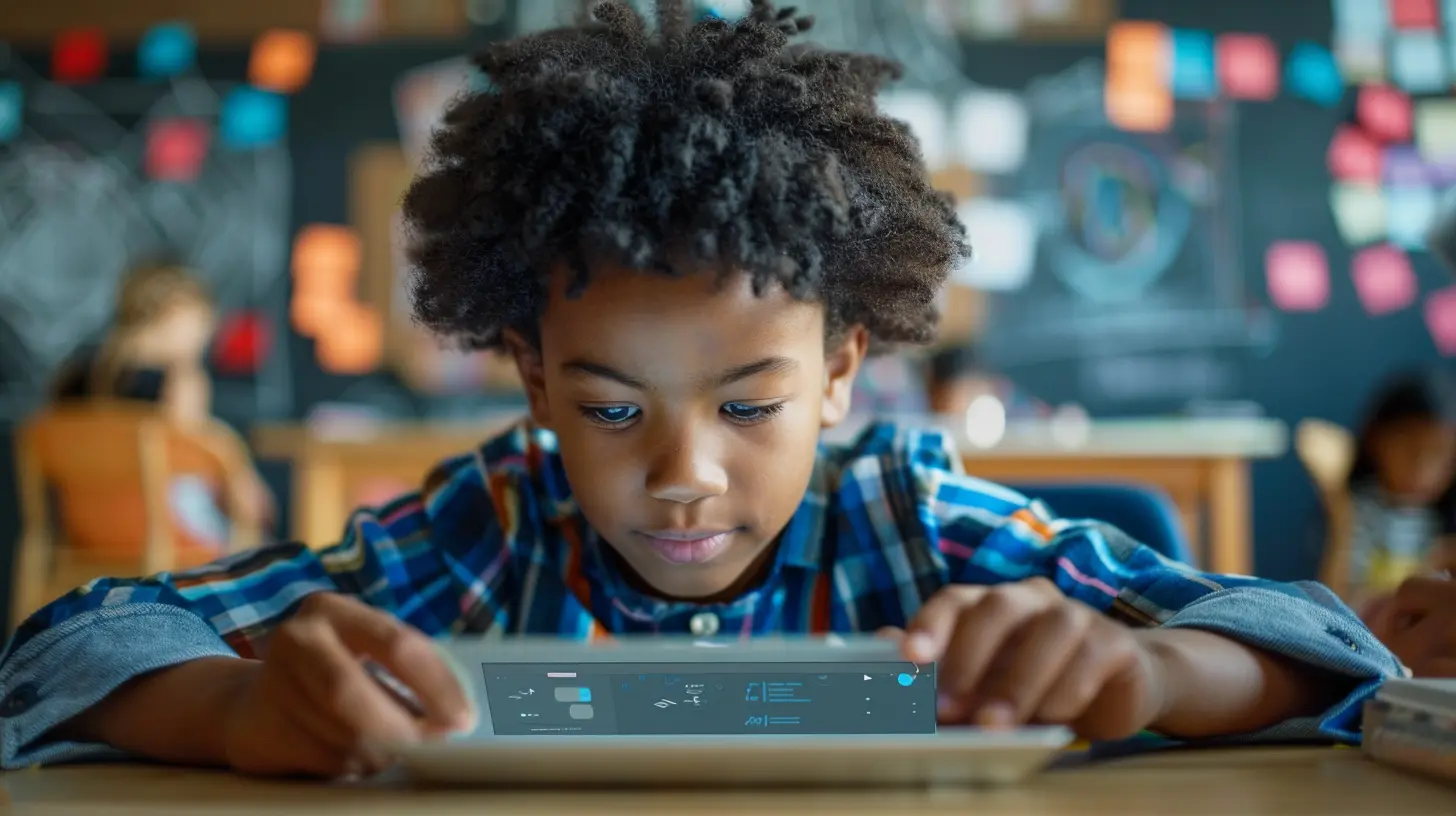
Why Are Digital Portfolios Such a Big Deal?
Great question! Digital portfolios aren’t just a fancy way to store schoolwork—they’re a powerful tool for meaningful learning and self-reflection. Let’s look at some of the awesome reasons they matter:🎯 They Put Students in the Driver’s Seat
Have you ever felt super proud of a project and wished you could show it off beyond the classroom? That’s what digital portfolios allow. Students become the curators of their learning journey. They get to decide what to include, how it’s presented, and what it says about who they are as learners. It’s like giving them the keys to their educational car.💡 They Make Learning Visible
You know the saying, “Seeing is believing”? Well, digital portfolios do just that. They give a clear, visual representation of what a student has learned over time. Instead of relying on test scores or grades, teachers and parents can actually see growth in real time. That’s powerful stuff.📱 Tech-Savvy and Real-World Ready
Let’s face it—we live in a digital world. Using digital portfolios gives students practice with real-world tech skills like file management, digital creation, and online communication. Bonus? These portfolios can be shared with future schools, colleges, internships, and even jobs!
The Joy of Reflection: A Hidden Gem of Digital Portfolios
Now, here’s something educators can’t stop smiling about—student reflection. When students choose which pieces of work to include in their portfolios, they naturally reflect on what they've learned, what challenged them, and how they've improved.It’s like looking back at old photos of yourself and realizing how much you’ve grown—not just in height, but in maturity, confidence, and skill. Reflection builds metacognition (fancy word for "thinking about your own thinking") which is key to becoming a lifelong learner.
Lights, Camera, Confidence: Student Voice on Display
One of the biggest wins with digital portfolios? Giving students a voice. Hear me out—when students can explain their work, talk about their challenges, and share their successes in their own words (or videos, or drawings…), they build confidence. They feel seen and heard.And let's be real, when a 10-year-old records a video explaining their science experiment and beams with pride? That's learning magic right there.
Not Just for Artsy Kids: Portfolios for Every Subject
You might be thinking, “Sure, digital portfolios work for creative subjects like Art or English, but what about Math and Science?” Oh, they're totally game-changers there too!👨🔬 In Science
Students can include lab reports, charts, videos of experiments, and even photos of their science fair displays. They can talk about their hypothesis, what they discovered, and what they’d do differently next time. Real scientist vibes!✖️ In Math
Yup, even numbers shine in a portfolio. Students might upload screenshots of online problem-solving, voice memos explaining their reasoning, or even short videos breaking down complex equations. It’s all about showing the process, not just the answer.Teacher’s Sidekick: How Digital Portfolios Support Educators
Digital portfolios aren’t just student-friendly—they’re teacher-loved too. Here’s why:- Efficient Assessment: Teachers can quickly see how a student progresses throughout the year. Comparing work from September to May? Easy peasy.
- Personalized Feedback: Since portfolios show more than just correct or incorrect answers, teachers can give meaningful, specific feedback.
- Parent Communication: Forget the once-a-year report card meeting—parents can access their child’s portfolio anytime, seeing real-time growth without the jargon.
It’s like having an educational time capsule that’s open to everyone involved in the learning journey.
The Creative Spark: Encouraging Innovation
Digital portfolios invite creativity. Unlike tests and quizzes, which often have one right answer, portfolios ask students to think outside the box. Want to create a podcast about historical events? Build a website to showcase your poetry? Design an infographic about climate change? Go for it!This freedom builds problem-solving, critical thinking, and communication skills—all essential for the 21st-century learner. Plus, when students are excited about what they're doing, they’re way more likely to go the extra mile.
Easy Tools to Get Started 🍎💻
Ready to bring digital portfolios to life in your classroom or home? Here are some beginner-friendly tools to check out:- Seesaw: Great for younger students. Super intuitive and student-centered.
- Google Sites: Simple, flexible, and free. Great for building custom digital portfolios.
- Wakelet: Lets you collect and organize content from all over the web—perfect for collaborative portfolios.
- Padlet: A visually appealing, interactive wall of content. Easy drag-and-drop fun!
Whatever platform you choose, the magic lies in the content, not the tech. Focus on encouraging student voice, choice, and reflection, and you’re golden.
Overcoming Challenges (Because, Yes, They Exist)
Hey, we’re being honest here—nothing’s perfect. There can be roadblocks when introducing digital portfolios. Tech hiccups, lack of time, and ensuring data privacy are all valid concerns.But don’t let the bumps stop you! With a bit of planning and a whole lot of enthusiasm, these challenges are totally manageable. Start small. Maybe just one unit or subject. Get student feedback. Celebrate those “aha!” moments—and have fun with it!
The Ripple Effect: From the Classroom to the World
Let’s zoom out for a sec.When students build digital portfolios, they’re not just completing another assignment. They’re developing a sense of ownership over their learning. They’re becoming storytellers, innovators, and reflective thinkers.
And when you multiply that by a whole generation of students? Wow. You’ve got kids who aren't just consumers of information—but creators, communicators, and thoughtful world-changers.
That’s the kind of classroom transformation we never knew we needed—but now can’t imagine living without.
Final Thoughts: More Than Just Pretty Pages
Digital portfolios might look like sleek presentations or colorful collages of student work, but they represent something much deeper. They’re a platform for voice, reflection, creativity, and connection. They bridge the gap between learning and real life, between effort and achievement.Most importantly, they empower students. And when students feel empowered, confident, and proud of their progress—anything is possible.
So let's help them tell their learning stories. Let’s give them the tools, the space, and the encouragement to shine.
Because at the heart of every digital portfolio is something powerful—a student who’s growing, learning, and becoming their best self.
all images in this post were generated using AI tools
Category:
Classroom TechnologyAuthor:

Olivia Lewis
Discussion
rate this article
2 comments
Marlowe McQuaid
Digital portfolios offer students a powerful tool for showcasing their learning journey. They encourage self-reflection, creativity, and ownership of education. By compiling evidence of growth, students gain confidence and clarity about their skills, making them more prepared for future challenges and opportunities.
March 15, 2026 at 8:08 PM
Olivia Lewis
Absolutely! Digital portfolios not only highlight student achievements but also foster essential skills like self-reflection and creativity, ultimately preparing them for future endeavors. Thank you for your insightful comment!
Haven McDonough
I'm intrigued by the concept of digital portfolios! How do they specifically enhance student engagement and self-reflection? I'm curious to learn more about their impact on personalized learning journeys.
March 2, 2026 at 4:37 AM
Olivia Lewis
Digital portfolios boost engagement by allowing students to showcase their work and interests. This ownership fosters self-reflection as they track progress and set personal goals. they personalize the learning experience, making education more relevant and motivating.