How Machine Learning Can Personalize Student Education"
17 August 2026
Education isn’t one-size-fits-all—yet, for years, our classrooms have treated it that way. Every student has unique strengths, weaknesses, learning paces, and interests. Wouldn't it be amazing if education could adapt to each student individually? Well, thanks to machine learning (ML), that dream is now becoming a reality.
Machine learning is shaking up the traditional education system, creating personalized learning experiences that cater to each student's needs. But how exactly does it work? And why is this technology such a game-changer? Let’s break it down. 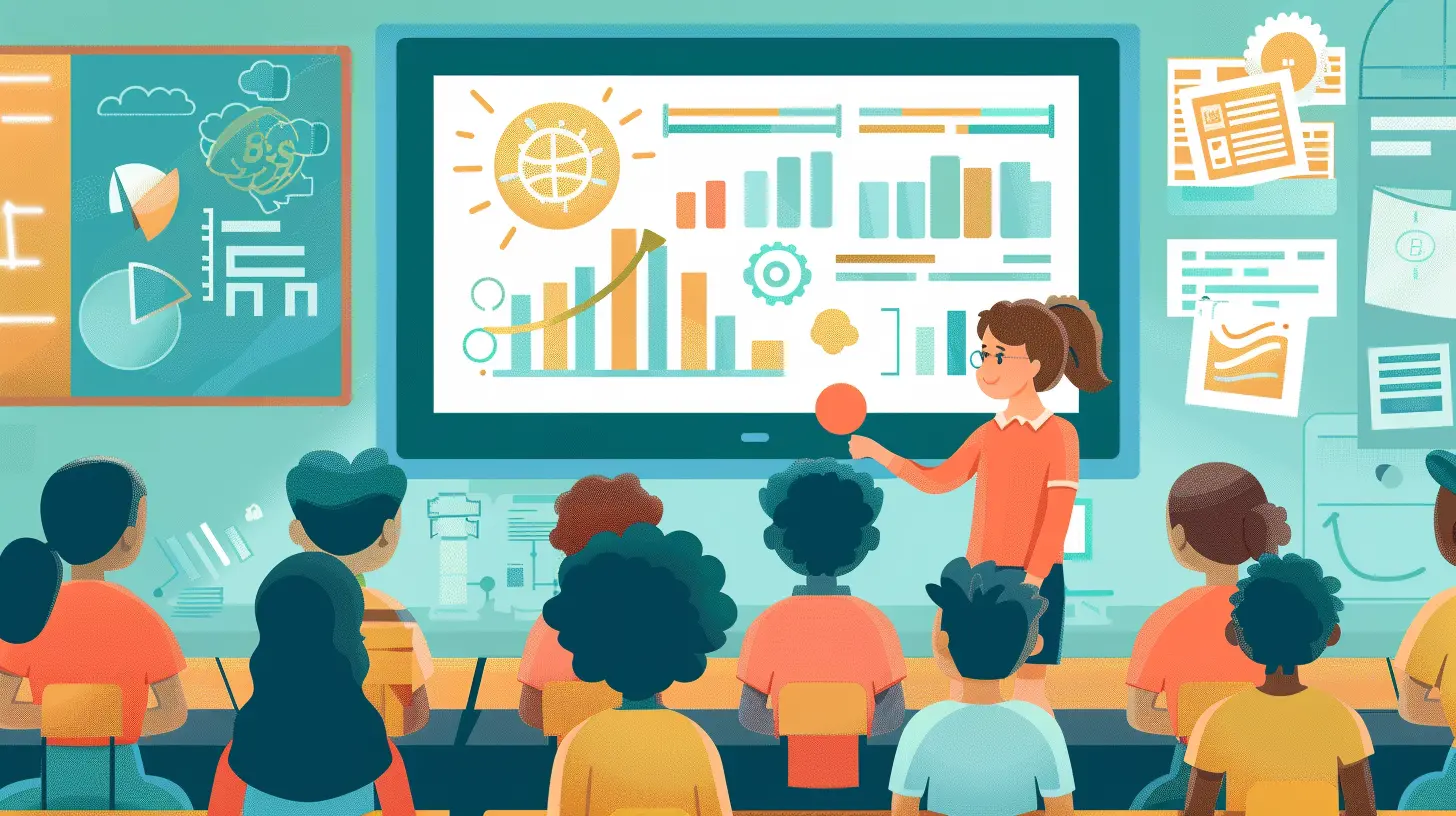
What Is Machine Learning?
Before we dive into its role in education, let's quickly clarify what machine learning is. ML is a subset of artificial intelligence (AI) that allows computers to learn from data and improve their performance over time—without being explicitly programmed. Think of it like a student who, instead of memorizing facts, learns from past mistakes and successes to improve their understanding.Now, imagine applying this capability to education. Instead of a rigid, one-size-fits-all approach, ML enables learning experiences tailored to each student's pace, preferences, and strengths. 
How Machine Learning Personalizes Education
1. Adaptive Learning Platforms
Traditional classrooms move at a single pace, often leaving some students struggling while others get bored. ML-powered adaptive learning platforms, like DreamBox or Knewton, analyze how a student interacts with content and then adjust lessons accordingly.For example, if a student is breezing through algebra but struggling with fractions, the system will provide more fraction-based exercises rather than spending unnecessary time on algebra. It’s like having a personal tutor who knows exactly what you need, when you need it.
2. Intelligent Tutoring Systems
ML-driven tutoring systems act as virtual mentors, giving students real-time feedback. Unlike human tutors who may not always be available, AI tutoring systems like Carnegie Learning or Coursera’s AI-based assistants provide instant help.These tools analyze student responses, identify mistakes, and offer tailored explanations. Instead of generic feedback, students receive responses specific to their errors, making the learning process more understandable and effective.
3. Predictive Analytics for Early Intervention
Every teacher wants to help struggling students, but sometimes, identifying who needs help isn’t easy. That’s where predictive analytics comes in.ML models analyze patterns in student performance and behavior, predicting which students might struggle in the future. Platforms like BrightBytes can alert teachers if a student is at risk of falling behind, allowing interventions before it’s too late. It’s like having a crystal ball for education—except it's backed by data, not magic.
4. Customized Study Plans
Not every student learns the same way. Some prefer visual aids, while others need hands-on practice. ML algorithms track how students engage with different types of content and then customize study plans based on their preferences.If a student performs better with video explanations rather than text-based notes, the system will prioritize video content. This individualized approach ensures each student absorbs information in the way that works best for them.
5. Automated Grading and Feedback
Grading tests and assignments can be time-consuming for teachers. ML-powered tools can automate this process, providing instant feedback on quizzes, essays, and even subjective assignments.For example, platforms like Gradescope use ML to recognize patterns in student responses and provide fair, consistent grading. This not only saves time for educators but also ensures students get instant feedback to improve their work faster. 
The Benefits of Machine Learning in Education
1. Increased Student Engagement
When learning is tailored to a student’s needs, they’re far more likely to stay engaged. ML helps make learning more interactive, dynamic, and fun—whether through gamification, personalized quizzes, or AI-powered simulations.2. Improved Learning Outcomes
Personalized learning means students can grasp concepts at their own pace. Instead of rushing through material, ML ensures they master one topic before moving to the next, leading to better retention and understanding.3. Better Efficiency for Educators
Teachers already have enough on their plates. With ML taking care of administrative tasks like grading and lesson customization, educators can focus more on mentoring and engaging with students personally.4. Accessibility for All Learners
ML-powered tools can assist students with disabilities by providing speech-to-text functions, screen readers, and real-time translations. This ensures that education becomes more inclusive and accessible to everyone.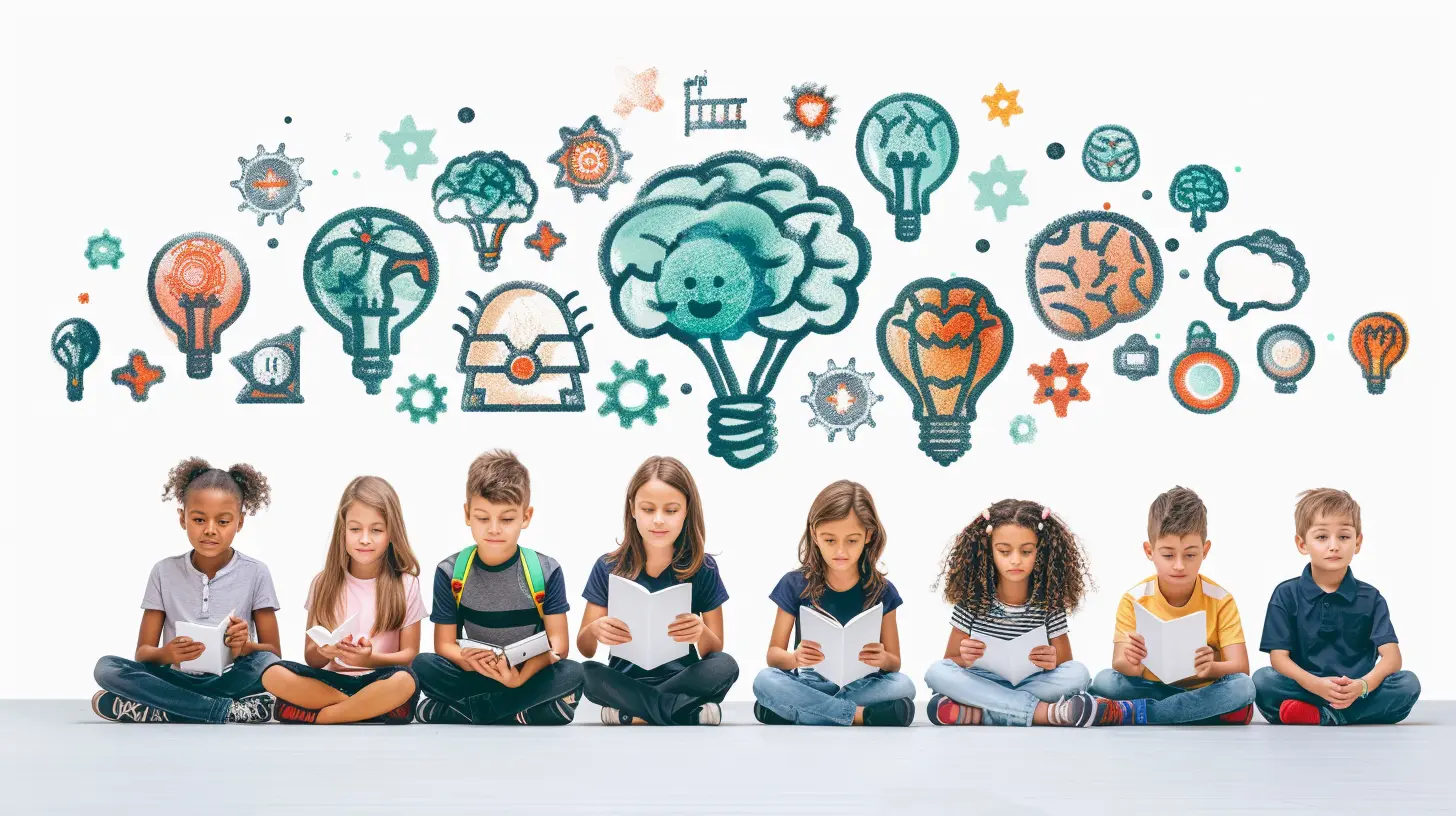
Challenges and Concerns
While machine learning in education sounds amazing, it’s not without its challenges.1. Data Privacy Issues
Personalized learning requires gathering tons of data on students. But where does that data go? Who has access to it? Ensuring student data privacy and security is a major concern that needs strict regulations.2. Over-Reliance on Technology
While ML can enhance learning, it shouldn’t replace human teachers. Education thrives on human interaction, mentorship, and emotional intelligence—qualities that AI still struggles to replicate.3. Bias in Algorithms
If ML models are trained on biased data, they can reinforce inequalities in education. Developers must ensure these systems are fair, transparent, and don't favor certain groups over others.The Future of Personalized Education
Machine learning is already transforming education, but this is just the beginning. In the future, we can expect even more advanced AI tutors, smarter adaptive learning systems, and greater integration of virtual reality (VR) and augmented reality (AR) to create immersive educational experiences.Imagine a world where students no longer struggle to keep up or feel bored in class. Instead, every lesson is crafted just for them, helping them reach their fullest potential.
Technology will never replace great teachers, but it sure can make education more effective, engaging, and accessible. So, as machine learning continues to evolve, one thing is certain—the classroom of the future will look nothing like the past. And honestly? That’s a good thing.
all images in this post were generated using AI tools
Category:
Classroom TechnologyAuthor:

Olivia Lewis