How Physical Education Improves Mental Health in Students
1 February 2026
Let’s be honest—when you hear "Physical Education," what's the first thing that pops into your head? Running laps around a field? Doing pushups until your arms feel like noodles? Maybe even a game of dodgeball gone wrong? 😅
But did you know that physical education (PE) is much more than just gym shorts and sweating buckets? It’s actually a superpower when it comes to boosting mental health—especially for students. That's right! Physical education is like a secret weapon for creating a happier, healthier mind.
In this article, we’re diving deep (but casually!) into how physical education improves mental health in students. So, grab a comfy seat, take a deep breath, and let’s get into the good stuff.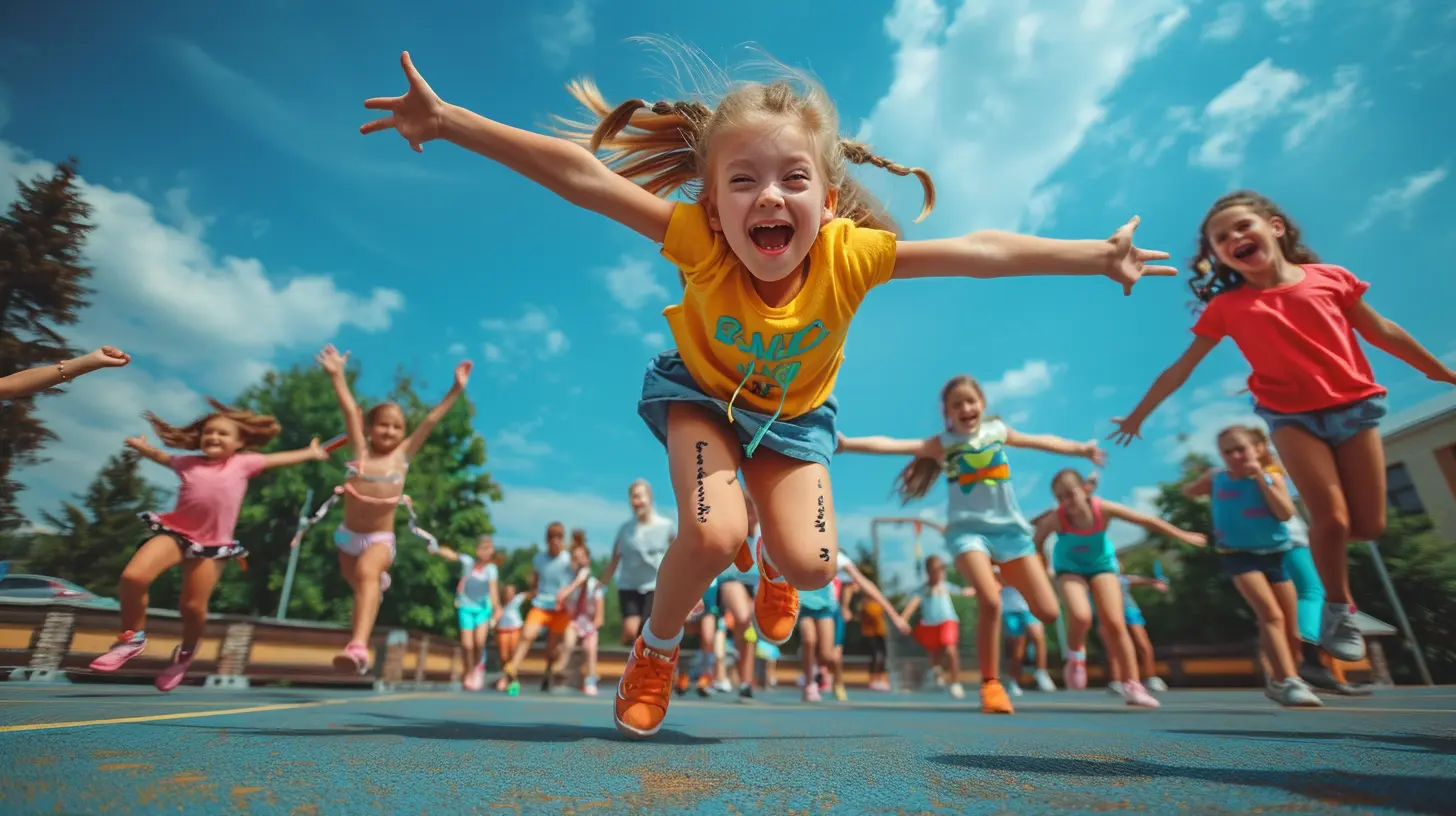
The Mind-Body Connection – It’s Real!
Ever felt like a walk outside cleared your thoughts? Or remembered how energized you felt after a fun game with friends? That’s not just your imagination—it’s the mind-body connection in action.Our brains and bodies are besties. When we move our bodies through physical activity, our brains release feel-good chemicals like endorphins, dopamine, and serotonin. These aren’t just fancy science words—these are the little superheroes that help fight stress, anxiety, and even depression.
PE: Your Brain’s Favorite Workout
When students participate in physical education, it's like giving their brains a refreshing power-up. Regular movement:- Reduces cortisol (the stress hormone),
- Boosts mood,
- Enhances sleep,
- Increases energy levels.
So yeah, all that running, stretching, and playing around? Total brain fuel!
Stress Be Gone – How PE Calms the Chaos
Let’s face it—being a student today is no walk in the park. Between homework, tests, social media pressures, and future worries, stress can pile up fast.But here’s the bright side: Physical education offers a natural, built-in stress reliever. It's like pressing the reset button on a frazzled mind.
Movement as a Stress Reliever
Physical activities in PE classes—like playing soccer, dancing, or even doing yoga—create moments of fun, connection, and release. Engaging in regular movement helps students:- Let go of pent-up tension,
- Focus better in class,
- Feel more emotionally balanced.
The next time a student feels overwhelmed, a quick game of tag might just be the therapy session they didn’t know they needed!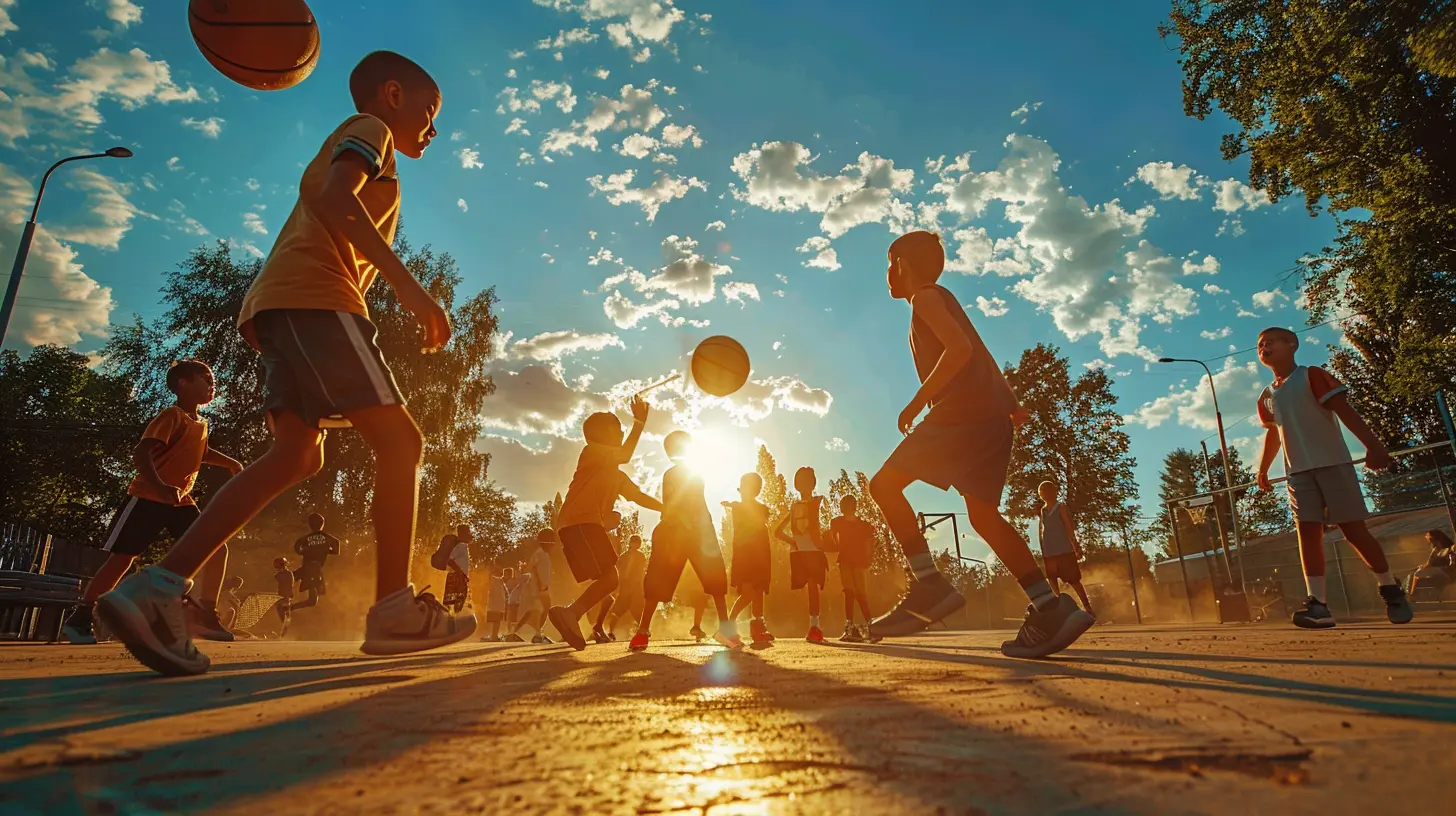
Boosting Self-Esteem – Confidence in Motion
You know that feeling when you finally nail something you’ve been practicing for ages? Whether it's scoring a goal or simply mastering a new yoga pose. That sense of “Yay, I did it!”? That's confidence rising—and PE helps build it, step by step.Winning Isn’t Everything (But Trying Is)
In physical education, it’s not always about being the best athlete. It’s about showing up, trying your best, and improving over time. That process helps students:- Build self-worth,
- Celebrate small victories,
- Develop a growth mindset.
These boosts in self-esteem carry over into other areas of life, from academics to personal relationships. When students feel good about themselves, they’re more likely to take on challenges—and succeed!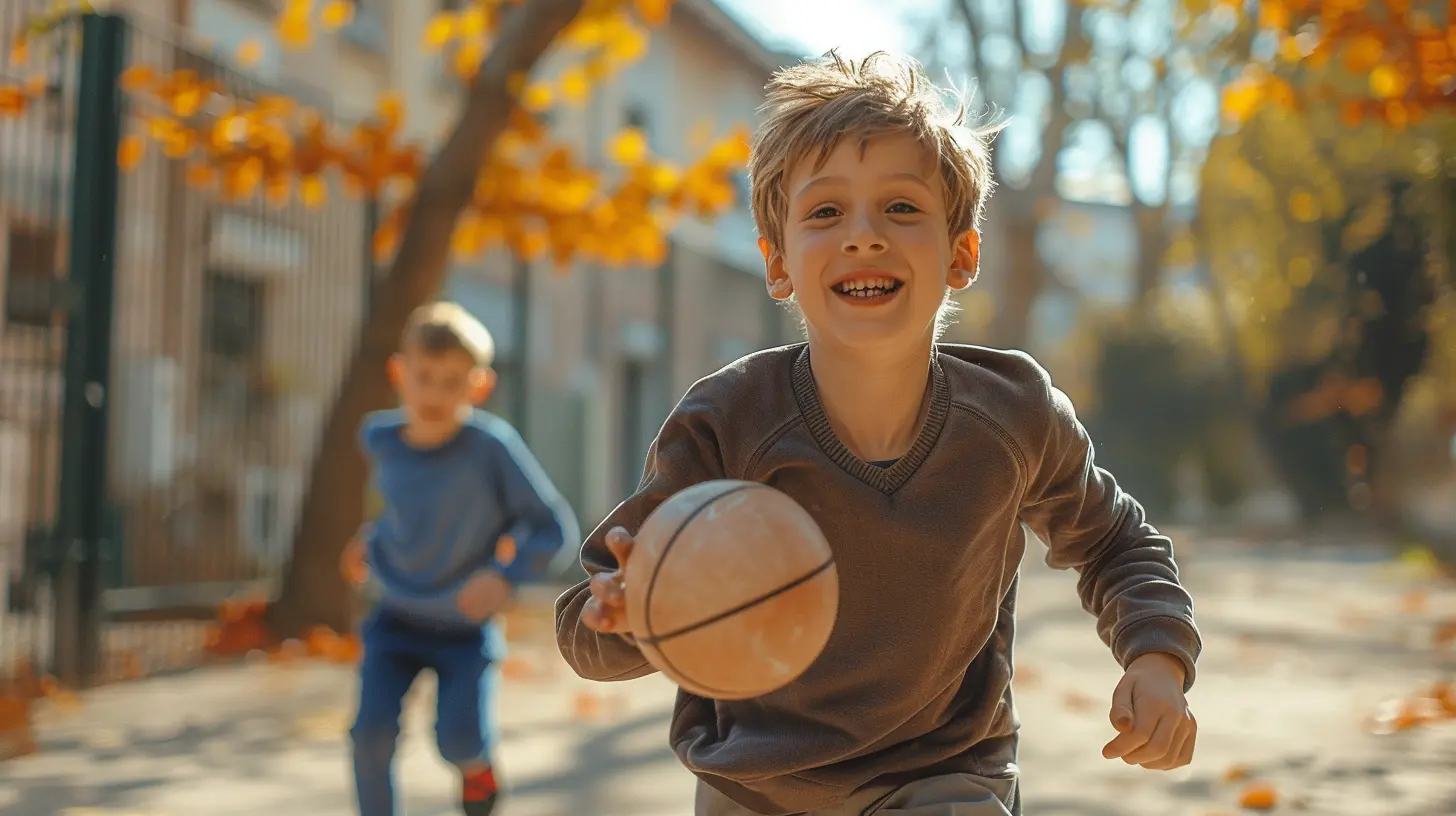
Social Skills FTW – Making Friends Through Movement
Let’s talk about another awesome side effect of PE: social connection. If you’ve ever high-fived a teammate after a killer play or laughed through a funny mishap during a game, you already know the deal.PE Builds Belonging
Physical education classes give students the chance to connect in ways that go beyond words. Team sports, group activities, and games all help students:- Develop communication skills,
- Learn teamwork and leadership,
- Gain a sense of belonging.
Social interaction plays a huge part in mental health. Feeling connected and supported makes handling life’s curveballs a whole lot easier.
Physical Activity = Better Focus and Academic Performance
Here’s where things get really interesting. Not only does PE help students feel better emotionally—it also helps them think better.Exercise Helps the Brain Think Clearly
Movement increases blood flow to the brain, improving memory, concentration, and cognitive function. That means students who stay active are often better at focusing in class, solving problems, and retaining information.So if you’ve ever noticed that math feels easier after a morning jog, you’re not imagining it. Your brain was just in a better state to learn!
Dance, Play, Run—Let Students Choose Their Joy
One of the best things about physical education is its variety. From basketball and volleyball to dance, cycling, and yoga—there’s something for everyone.Choice Makes It Stick
When students find an activity they actually enjoy, they’re more likely to stick with it. And when they engage regularly in movement they like, the mental health benefits multiply.Let’s encourage schools to offer a wider range of activities in PE. Every student is different, and what lights up one kid might not spark interest in another. But give them choice? That’s where the magic happens.
PE Teaches Emotional Resilience
Let’s be real: life isn’t always sunshiny and perfect. But physical education can help students build resilience—the ability to keep going, even when things get tough.Learning Through Challenges
In PE, students deal with real-world scenarios: losing a game, dealing with mistakes, overcoming fatigue or frustration. These moments teach:- Emotional regulation,
- Coping strategies,
- Problem-solving skills.
And hey, getting knocked down in a soccer match and bouncing back teaches more than just athleticism—it teaches grit.
Physical Education Fights Anxiety and Depression
One of the biggest mental health wins from PE? Its natural ability to fight symptoms of anxiety and depression.Movement as Medicine
Studies have shown that students who engage in regular physical activity are:- Less likely to experience depression,
- More likely to report positive mood,
- Better at managing anxious feelings.
It’s not a cure-all, but it’s a powerful tool in a student’s mental health toolkit. PE gives them an outlet, a sense of control, and a positive environment to thrive in.
Let’s Not Forget Sleep—The Ultimate Reset Button
Sleep and mental health? Like peanut butter and jelly—meant to be together. And guess what helps students sleep better? Yep, physical activity!Move More, Sleep Better
When students participate in PE, they naturally burn more energy during the day. This leads to:- Falling asleep faster,
- Enjoying deeper sleep,
- Waking up refreshed and ready to go.
Better sleep = better mood, better focus, and better mental health overall. It's all connected, folks!
Why Every School Needs Robust PE Programs
Now that we've seen just how beneficial physical education is for students' mental health, it’s clear that cutting PE from schools is a huge mistake.Investing in PE Is Investing in Mental Health
Every child deserves the chance to feel emotionally balanced, socially connected, and mentally strong. PE is more than recreation—it’s education for the body and mind.Schools should prioritize:
- Daily PE classes,
- Diverse activity options,
- Well-trained educators who understand mental health.
Because when we take care of our students’ bodies, we’re also nurturing their minds.
Final Thoughts – Movement Is Magic!
So, what have we learned? Physical education isn’t just about physical health. It’s like a secret ingredient for building mental strength, emotional resilience, and happier students.Through movement, laughter, teamwork, and challenge, PE gives students the space to breathe, grow, and become their best selves.
So next time you’re tempted to skip gym class or think it’s just about burning calories—remember, it’s also about boosting brainpower, reducing stress, and building lifelong well-being.
And for students everywhere? That’s one powerful reason to keep moving.
all images in this post were generated using AI tools
Category:
Physical EducationAuthor:

Olivia Lewis
Discussion
rate this article
2 comments
Callie Rhodes
This article beautifully highlights the vital connection between physical activity and mental well-being. It’s heartening to see educators recognizing the importance of nurturing both body and mind in students, fostering a healthier, happier environment for learning and growth. Well done!
February 12, 2026 at 4:59 AM
Olivia Lewis
Thank you for your thoughtful comment! I'm glad you found the connection between physical activity and mental well-being so important. It's crucial for educators to prioritize both for holistic student development!
Angela Jennings
Physical activity: essential for mental strength!
February 1, 2026 at 1:56 PM
Olivia Lewis
Absolutely! Physical activity is a crucial component that not only boosts physical fitness but also enhances mental resilience and overall well-being in students.