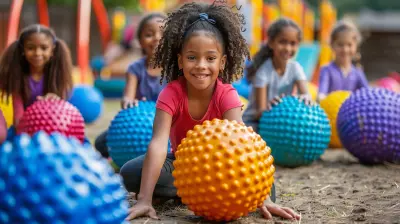
How to Foster a Love for Learning from a Young Age
2 August 2026
Let’s face it — getting kids excited about learning can sometimes feel like trying to convince them that broccoli is better than candy. But here's the thing: kids are natural explorers. They’re born curious, constantly poking, prodding, and asking “why?” about everything under the sun. So, what changes? And more importantly, what can we do to keep that curiosity alive?
In this article, we're diving into practical, down-to-earth ways to foster a genuine love for learning in children from an early age. No fancy jargon or textbook theories — just real tips that work.
Why It Matters: The Importance of Early Learning Love
Have you ever noticed how young kids light up when they learn something new? That sparkle in their eyes? That sense of achievement? That’s the magic we’re talking about.When children develop a love for learning early on, it lays a solid foundation for lifelong curiosity, confidence, and critical thinking. It becomes less about grades and more about growing. And honestly, isn’t that the dream?
But the benefits aren’t just emotional — studies show that children who enjoy learning perform better academically, have higher self-esteem, and are more adaptable in the face of challenges.
Start With Curiosity, Not Curriculum
Let’s be real — worksheets and flashcards might get the job done, but do they spark joy? Probably not.Instead of beginning with what kids “should” know, let’s start with what they’re curious about. Whether it's dinosaurs, bugs, space, or how toast works — whatever excites them can be a gateway to deeper learning.
Encourage free play, open-ended questions, and exploration. You’ll be amazed at how quickly a simple “why do birds sing?” can turn into a deep dive into science, nature, and music.
> Tip: Keep a “Curiosity Journal” for your child. Anytime they ask a question, jot it down. Use it later to guide activities and discussions.
Make Learning Part of Everyday Life
Learning doesn’t have to be limited to classrooms and textbooks. Seriously, life itself is the best school a child can attend.Cooking dinner? That’s a lesson in math, chemistry, and nutrition. Grocery shopping? Practice reading labels, counting money, and problem-solving. Even a walk in the park can become a nature scavenger hunt or a mini science expedition.
The more we integrate learning into daily routines, the more children see it as something natural and fun — not something reserved for just “school time.”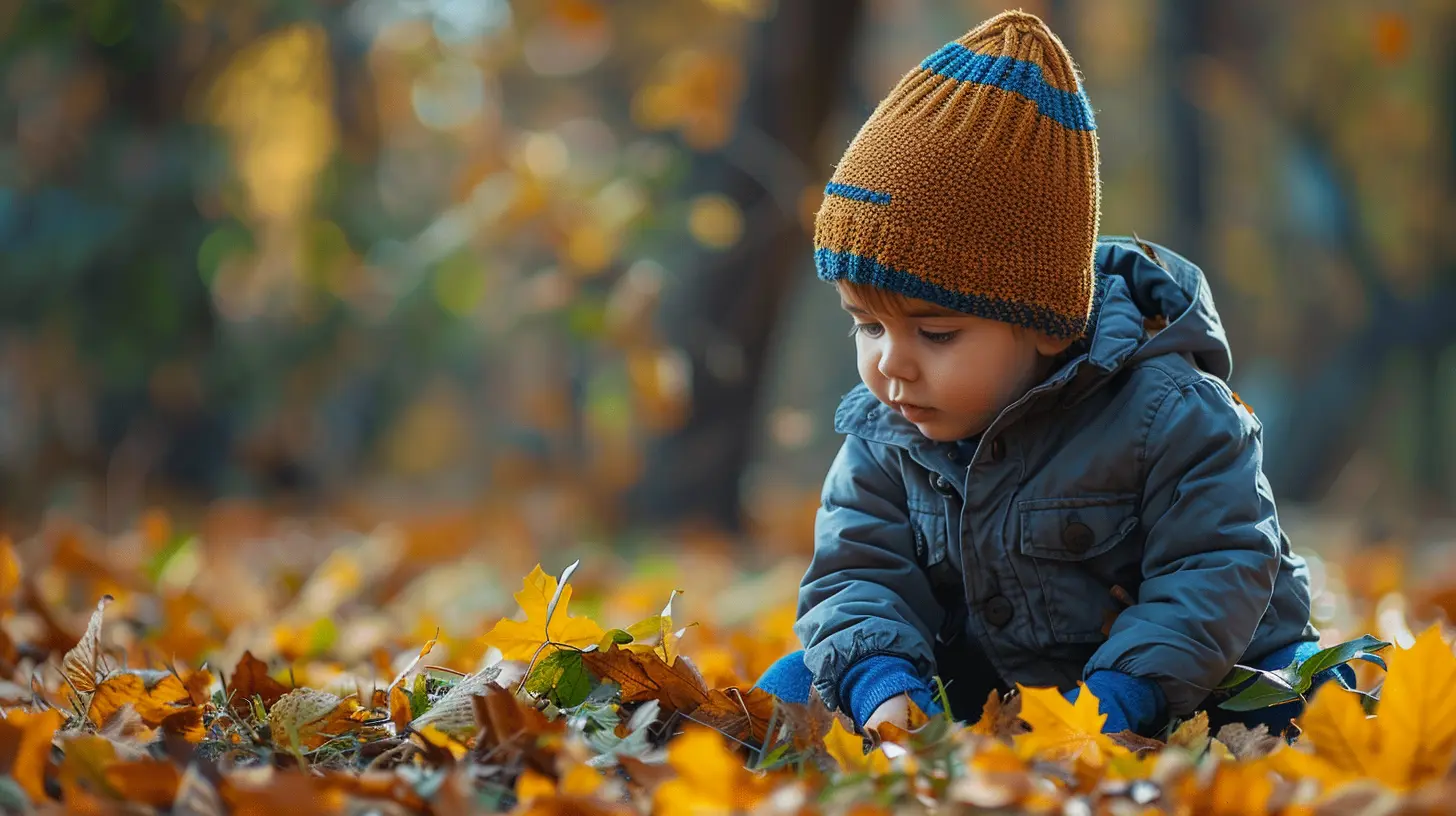
Prioritize Play-Based Learning
Play isn't just about killing time — it’s actually how young children learn best.Through play, kids develop social skills, emotional intelligence, creativity, and resilience. Whether it’s building with blocks, role-playing as a vet, or simply playing tag, their brains are soaking up life skills left and right.
You don’t need expensive toys or structured activities. Sometimes, a cardboard box and a little imagination can teach more than any app or worksheet.
> Remember: Play is children’s language. It’s how they process the world, express emotions, and solve problems.
Read Together — A Lot
Reading isn’t just about phonics or vocabulary. It’s about bonding, storytelling, and expanding a child’s world.Make reading a part of your daily routine. Whether it’s at bedtime, after lunch, or during a rainy afternoon, read together often. Choose books that match your child’s interests and don't be afraid to reread favorites (yes, even for the 78th time).
Ask questions while reading, act out parts, change your voice — make it interactive and fun. Turn story time into quality time.
> Bonus Tip: Let them “read” to you, even if they’re just describing what they see in the pictures. This builds confidence and early literacy skills.
Encourage Questions and Celebrate Mistakes
If you’ve ever been around a toddler, you know they have about a million questions an hour. And while it can test your patience, those questions are golden opportunities.Instead of brushing them off or giving quick answers, engage with their curiosity. Say things like, “That’s a great question — what do you think?” or “Let’s find out together!”
And when they make mistakes? Celebrate them! Mistakes are proof that they’re trying, stretching, and learning. Create a safe space where it’s okay to be wrong — because that’s where growth lives.
Be a Role Model for Lifelong Learning
Kids are always watching. If you act like learning is a chore, they’ll pick up on that. But if you show excitement about discovering new things, they’ll mirror it.Talk about what you’re learning. Share your interests. Be curious about the world. Maybe you’re learning how to bake sourdough bread or fix a leaky faucet — let them see you try, fail, and try again.
Your attitude toward learning plays a massive role in shaping theirs.
Limit Screen Time, But Use Tech Wisely
Let’s be honest — screens aren’t going away. But not all screen time is created equal. The goal isn’t to ban technology, but to use it intentionally.Choose educational apps and games that encourage creativity and problem-solving. Watch documentaries together and talk about them. Try coding games or virtual art classes.
But make sure screens don’t replace real-world exploration and social interaction. Balance is key.
Create a Learning-Friendly Environment
You don’t need a fancy homeschool nook or Pinterest-worthy setup. Just a cozy space where your child can explore, play, and create.Stock it with books, puzzles, art supplies, building toys, and anything else that encourages hands-on learning. Keep it organized but inviting — a place that quietly whispers, “Let’s learn something new today.”
> Pro Tip: Rotate toys and materials every few weeks to keep things fresh and exciting.
Praise Effort, Not Just Results
It’s easy to clap when a child brings home an "A" or finishes a puzzle, but the real growth lies in the process.Praise their curiosity, their persistence, their creativity. Say things like, “I love how you didn’t give up!” or “That was a really clever solution you came up with.”
This reinforces a growth mindset — the belief that abilities develop through effort and learning, not just natural talent.
Let Them Lead the Way
One of the simplest — yet most powerful — things we can do is let kids take the lead in their learning.Ask them what they want to learn. Give them choices. Follow their passions. When children have a say in what they’re exploring, motivation skyrockets.
Sure, there may be things they have to learn that aren't thrilling (hello, multiplication tables), but when the bulk of their learning is self-directed, even the “boring” stuff becomes more tolerable.
Encourage Social Learning
Learning isn't a solo sport. Kids learn a ton from their peers, siblings, and even the adults in their lives.Set up playdates, join library story times, enroll them in group classes or clubs. Encourage collaboration over competition. Sharing ideas, asking questions, and working together not only deepens understanding but also boosts communication skills.
> Remember: The best learning happens in community, not isolation.
Be Patient — It’s a Journey, Not a Race
Let’s be real for a second. There will be days when everything clicks, and your child is a little Einstein in the making. Then there will be days when you’d swear they never heard of the alphabet.That’s normal.
Fostering a love for learning isn’t about perfection or immediate results. It’s about planting seeds — some grow quickly, others take time. Be patient, stay consistent, and above all, enjoy the ride.
Final Thoughts
At the heart of it all, fostering a love for learning from a young age isn't just about academics. It’s about raising curious, confident, and capable kids who want to understand the world around them — and believe they have the power to do it.So keep it playful, keep it personal, and most importantly, keep it positive. Because when kids love to learn, the sky’s not even the limit — it’s just the beginning.
all images in this post were generated using AI tools
Category:
Child DevelopmentAuthor:

Olivia Lewis