How to Foster Lifelong Fitness Enthusiasm in Your Students
6 December 2025
Introduction
Getting students excited about fitness isn't just about making them run laps or memorize health facts. It's about instilling a passion for movement that lasts a lifetime. But let's be honest—many students see fitness as a chore rather than something fun. So, how do we flip the script and make physical activity something they genuinely love?
This article will break down practical strategies to help educators create an environment where fitness is not just a class but a lifestyle. Whether you're a teacher, coach, or parent, you'll walk away with actionable tips to inspire lifelong fitness enthusiasm in students. 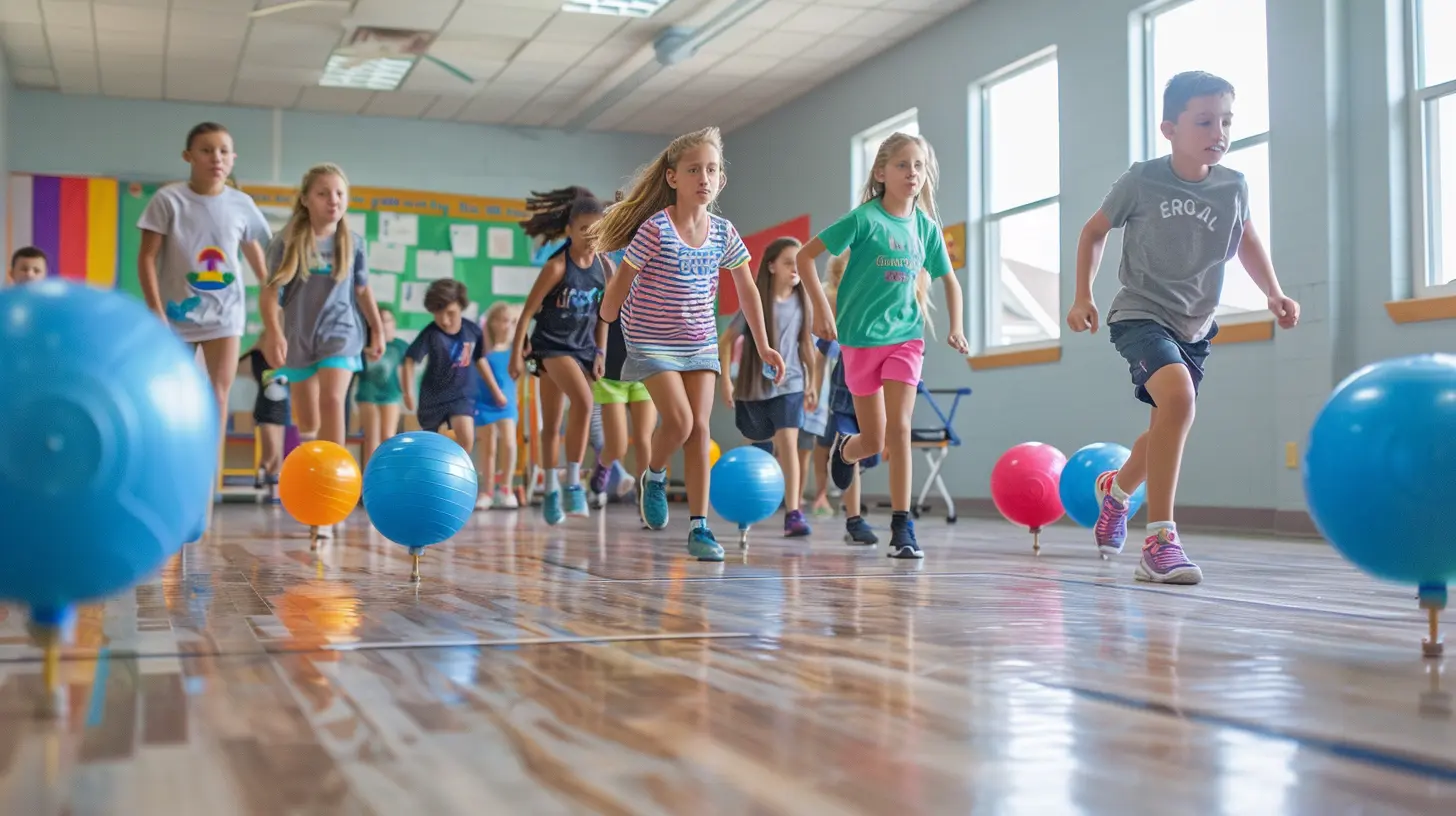
Why Is Lifelong Fitness Important?
Before we dive into the "how," let's talk about the "why." Physical activity isn't just about looking good—it's about feeling good, too. Regular movement helps with:- Physical Health: Reduces the risk of obesity, heart disease, and diabetes.
- Mental Health: Releases endorphins, reducing stress and improving mood.
- Academic Performance: Increases concentration, memory, and overall cognitive function.
- Social Skills: Encourages teamwork, communication, and sportsmanship.
Now that we've established the benefits, let’s tackle how to make fitness an enjoyable part of students' daily routines. 
1. Make It Fun and Engaging
If fitness feels like a punishment, students will dread it. Instead of forcing them into the same repetitive exercises, try activities that feel like play rather than work.- Gamify Exercise: Turn workouts into friendly competitions, relay races, or scavenger hunts.
- Incorporate Technology: Use fitness apps, step-tracking challenges, or even active video games.
- Let Them Choose: Give students a say in activities—whether it's dancing, martial arts, or yoga.
When movement feels like entertainment, students are more likely to participate willingly and enthusiastically. 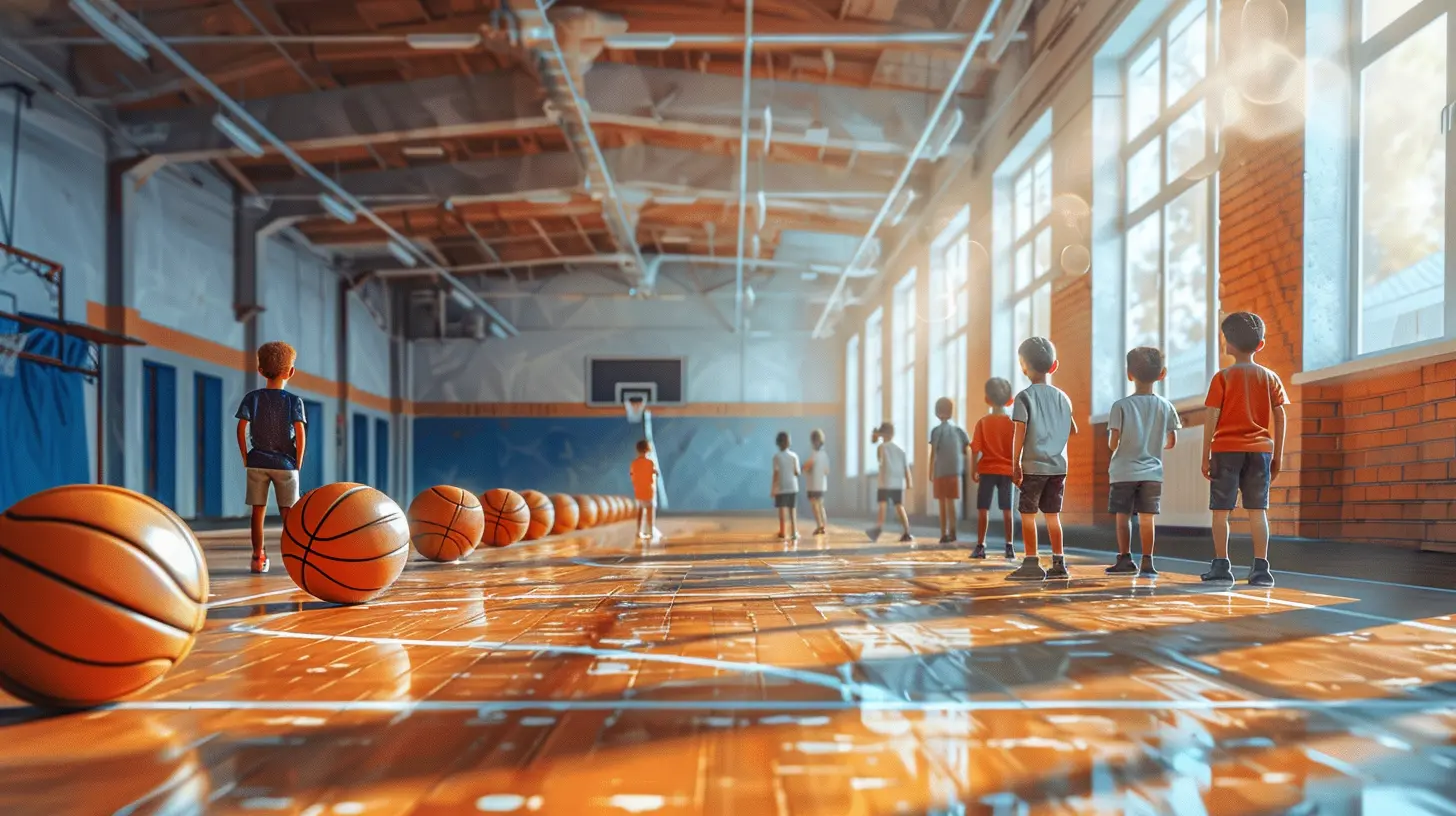
2. Be a Role Model
Students mirror what they see. If they notice you embracing fitness with excitement, they’re more likely to follow suit.- Stay Active Yourself: Participate in activities with them instead of just supervising.
- Share Your Fitness Journey: Talk about your own fitness struggles and triumphs.
- Show Enthusiasm: Your energy and attitude can be contagious!
When students see fitness as a normal and enjoyable part of life, they’ll internalize it as a natural habit rather than a forced requirement. 
3. Connect Fitness to Real-Life Benefits
Most students don’t care about lowering their cholesterol levels at age 15. But they do care about things that affect them right now.- Sports Performance: Show how fitness boosts their skills in basketball, soccer, dance, or any sport they love.
- Everyday Energy: Explain how exercise helps them feel more awake and energized during school.
- Confidence Boost: Improved strength and endurance can make them feel more capable and self-assured.
Find ways to make fitness relevant to their current interests and passions.
4. Make Physical Activity a Social Experience
For many students, fitness becomes much more enjoyable when it’s shared with friends.- Encourage Teamwork: Organize group challenges or partner workouts.
- Create a Community: Develop a fitness club or after-school activities.
- Use Social Media: Have students track progress together or participate in online fitness trends.
When exercise becomes a shared experience, motivation naturally increases.
5. Teach a Growth Mindset
A lot of students give up on fitness because they don’t see immediate results. It’s important to remind them that progress takes time.- Focus on Effort, Not Perfection: Celebrate small wins and improvements.
- Normalize Struggles: Let them know that everyone starts somewhere, and setbacks are part of the journey.
- Encourage Goal-Setting: Have students set personal fitness goals and track their progress.
By shifting the mindset from “I can’t” to “I’m getting better,” students will stay committed to the process.
6. Make It a Daily Habit
Fitness isn’t just for gym class—it should be part of a student’s routine.- Incorporate Movement into Learning: Try standing desks, stretch breaks, or movement-based lessons.
- Encourage Active Commutes: Promote walking, biking, or even skateboarding to school.
- Introduce Micro Workouts: Short bursts of movement throughout the day can make a big difference.
The more natural and habitual fitness becomes, the less effort it takes to maintain.
7. Educate Beyond Exercise
Understanding health and fitness goes beyond just movement. Teach students about:- Nutrition: How food fuels the body and impacts energy levels.
- Sleep: The importance of rest and recovery.
- Mental Health: The connection between exercise and emotional well-being.
When students see the full picture, they’ll be more motivated to lead a healthy lifestyle.
8. Create Positive Associations with Fitness
For some students, past experiences with fitness have been negative—whether it’s body image struggles, competition anxiety, or feeling left out. It’s crucial to create an environment where every student feels included and encouraged.- Promote Non-Competitive Activities: Not all students thrive in competitive sports, so offer alternatives like hiking, yoga, or dance.
- Celebrate All Body Types: Reinforce that fitness is about feeling strong and healthy, not fitting a specific mold.
- Encourage Personal Growth Over Comparison: Focus on individual progress rather than measuring against others.
When students associate fitness with positive experiences, they’re more likely to stick with it long-term.
9. Emphasize Enjoyment Over Performance
Not every student wants to be an athlete, and that’s okay. The goal isn’t to create future Olympians—it’s to help students find joy in movement.- Encourage Play: Sometimes, unstructured play is the best form of exercise.
- Introduce Non-Traditional Fitness: Rock climbing, skateboarding, martial arts, or even trampoline workouts can be just as beneficial as traditional sports.
- Let Them Discover What They Love: The more options they explore, the better chance they have of finding an activity they truly enjoy.
Fitness should be a personal journey, not a box to check off.
10. Keep It Positive and Encouraging
At the end of the day, fitness should feel like an opportunity rather than an obligation.- Avoid Punishing with Exercise: Making students run laps for bad behavior creates a negative association with fitness.
- Celebrate Progress: Acknowledge achievements, no matter how small.
- Make It Sustainable: Help students develop habits that they can carry into adulthood.
When fitness becomes something students look forward to, they’re more likely to maintain a healthy lifestyle for years to come.
Conclusion
Fostering a love for fitness in students isn’t about strict routines or forcing workouts—it’s about making movement enjoyable, meaningful, and a natural part of their lives. By creating fun experiences, offering choices, and emphasizing personal growth, we can help students develop a lifelong appreciation for physical activity.So, whether you're a teacher, coach, or parent, remember: the goal isn't just to get kids active today but to help them fall in love with movement for life.
all images in this post were generated using AI tools
Category:
Physical EducationAuthor:

Olivia Lewis
Discussion
rate this article
2 comments
Blaine Banks
Great article! Encouraging lifelong fitness in students is essential for their well-being. Incorporating fun activities, setting achievable goals, and promoting a positive mindset can significantly enhance their enthusiasm for staying active throughout life.
December 21, 2025 at 1:12 PM
Olivia Lewis
Thank you! I'm glad you found it valuable. Encouraging fun and achievable goals is key to fostering lasting fitness enthusiasm in students!
Gisela McVey
This article offers valuable insights into cultivating a passion for fitness among students. By emphasizing enjoyment and variety in physical activities, educators can inspire lifelong engagement. Balancing structured programs with student choice is key, ensuring that fitness becomes a positive, rewarding experience rather than a chore. A thoughtful approach can yield lasting benefits.
December 8, 2025 at 12:15 PM
Olivia Lewis
Thank you for your insightful comment! I completely agree that emphasizing enjoyment and student choice is essential for fostering a lasting passion for fitness.