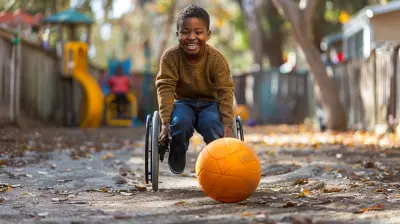
How to Incorporate Cross-Curricular Learning in Physical Education
8 March 2026
Physical Education (PE) isn't just about running laps and playing dodgeball—it’s a powerful tool for learning across all subjects. Imagine turning a game of basketball into a math lesson or using a relay race to teach history. By integrating cross-curricular learning into PE, we can make the subject more engaging, relevant, and educational.
But how do you actually do it? Let’s dive into some creative and practical ways to blend academics with physical activities. 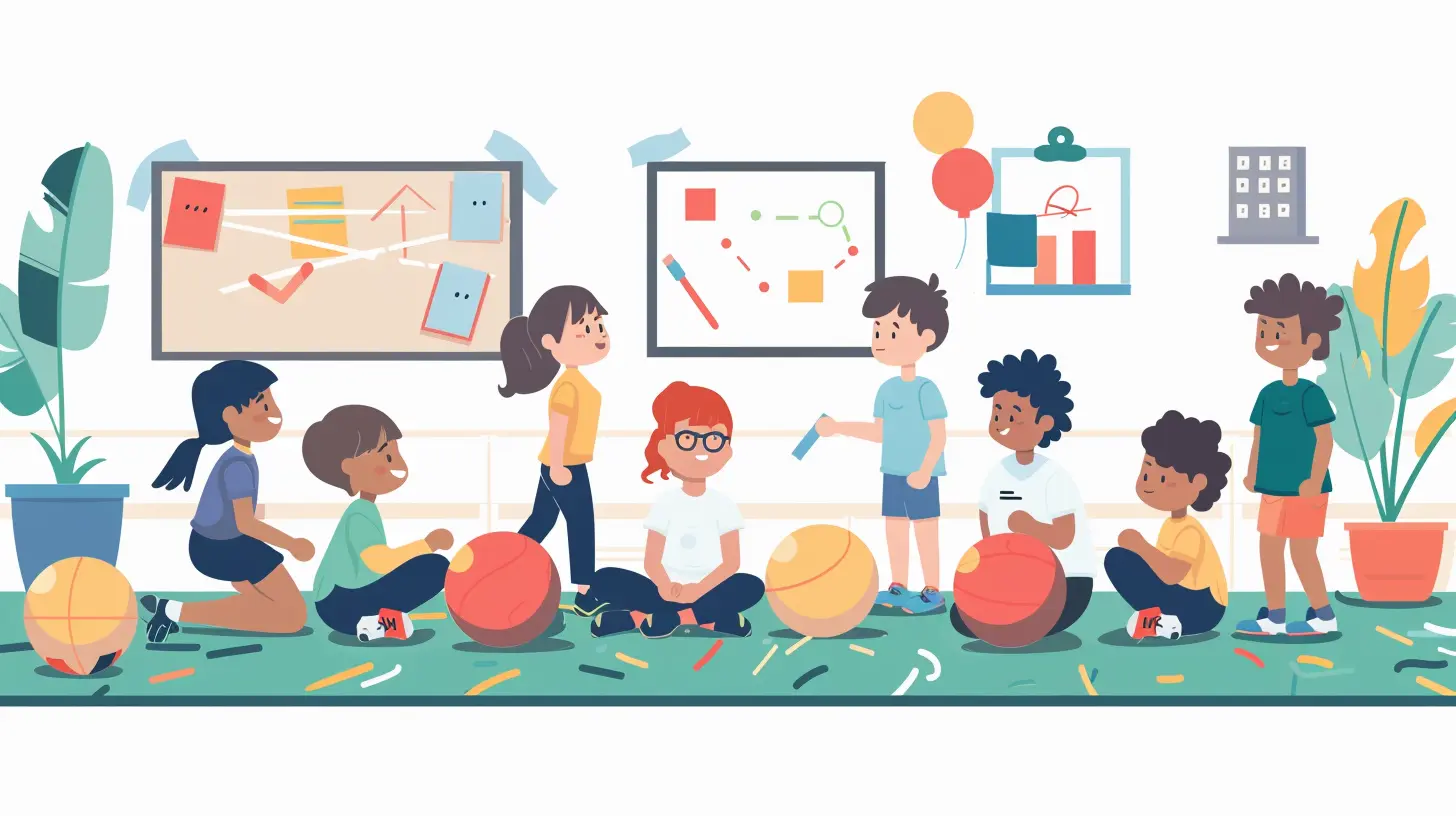
Why Cross-Curricular Learning Matters in Physical Education
Before we jump into strategies, let’s talk about why this approach is so impactful.Cross-curricular learning helps students:
- Strengthen Retention – Moving and actively engaging with academic material makes it easier to remember.
- Develop Critical Thinking – Applying knowledge in different contexts challenges students to think outside the box.
- Stay Engaged – When learning feels like play, students are more motivated to participate.
- Enhance Collaboration – Many cross-curricular activities require teamwork, helping students develop social and communication skills.
By blending PE with subjects like math, science, history, and language arts, educators can create dynamic, meaningful experiences in the gym or on the field. 
Ways to Integrate Cross-Curricular Learning in PE
Now, let’s look at some exciting ways to make this happen.1. Math in Motion
Math and PE might seem like an odd pair, but they actually fit together perfectly.- Basketball and Geometry – Teach angles and trajectories by analyzing shooting techniques. Have students estimate the best angle to make a shot and test their theories.
- Time Trials and Statistics – Use timed races to introduce data collection, averages, and graph-making.
- Jump Rope Math – Challenge students to solve equations mid-jump for an extra layer of cognitive engagement.
By incorporating numbers into movement, students can see firsthand how math applies to real life.
2. Science and Sports
Science concepts are everywhere in PE. From physics to biology, there are countless ways to merge the two.- Newton’s Laws in Sports – Explain inertia and force through activities like soccer or baseball. Demonstrate how applying a greater force (kicking a ball harder) results in greater acceleration.
- Heart Rate Experiments – Before and after different activities, have students measure and record their heart rates to explore concepts about the cardiovascular system.
- The Science of Stretching – Teach muscle groups and flexibility through guided stretching sessions, explaining how different muscles work together.
When students experience science physically, they develop a deeper understanding of complex concepts.
3. History on the Move
Who says history has to be taught from a textbook? Movement can bring the past to life.- Historical Reenactment Games – Set up stations where students experience different time periods through physical challenges. For example, a "Revolutionary War Relay" can simulate the physical endurance needed during battle.
- Ancient Olympic Games – Teach about Ancient Greece by organizing a mini-Olympics with traditional events like long jump and discus throw.
- Famous Athlete Studies – Assign students different historical athletes to research, then have them demonstrate their signature skills.
Combining movement with storytelling makes history more engaging and memorable.
4. Language Arts Through Movement
Who knew PE could boost literacy skills? Here’s how to add reading and writing into physical activities.- Sports Journalism – Have students write reports on a game they played, analyzing strategy and performance.
- Movement-Based Storytelling – Let students act out scenes from books or create physical representations of vocabulary words.
- Spelling Relays – Set up a spelling bee where students must run to collect letters and arrange them into words.
By connecting movement and language, students enhance both their literacy and motor skills simultaneously.
5. Geography Activities in PE
Turn gym class into a global adventure! Here’s how to integrate geography into PE lessons.- World Sports Exploration – Assign different countries to students and have them present a sport unique to that region before playing it as a class.
- Map-Based Challenges – Set up stations representing different continents, where students must “travel” by completing physical tasks.
- Cultural Dance Workouts – Teach traditional dances from various cultures, helping students appreciate global traditions while staying active.
By moving beyond traditional lessons, students develop both physical and cultural awareness. 
Tips for Successfully Blending Academics with PE
Incorporating cross-curricular learning in PE can feel overwhelming at first. Here are some practical tips to make it effective:1. Start Small
You don’t have to overhaul your whole curriculum overnight. Try integrating just one subject at a time and build from there.2. Work with Other Teachers
Collaborate with math, science, history, and language arts teachers to align lessons with what students are learning in class.3. Keep It Fun and Interactive
The goal is to make learning enjoyable. Focus on games, challenges, and teamwork—not just memorization.4. Use Technology
Apps, pedometers, and heart rate monitors can help gather data for experiments and statistics, making lessons even more engaging.5. Encourage Reflection
After activities, ask students what they learned and how movement helped them understand the subject better.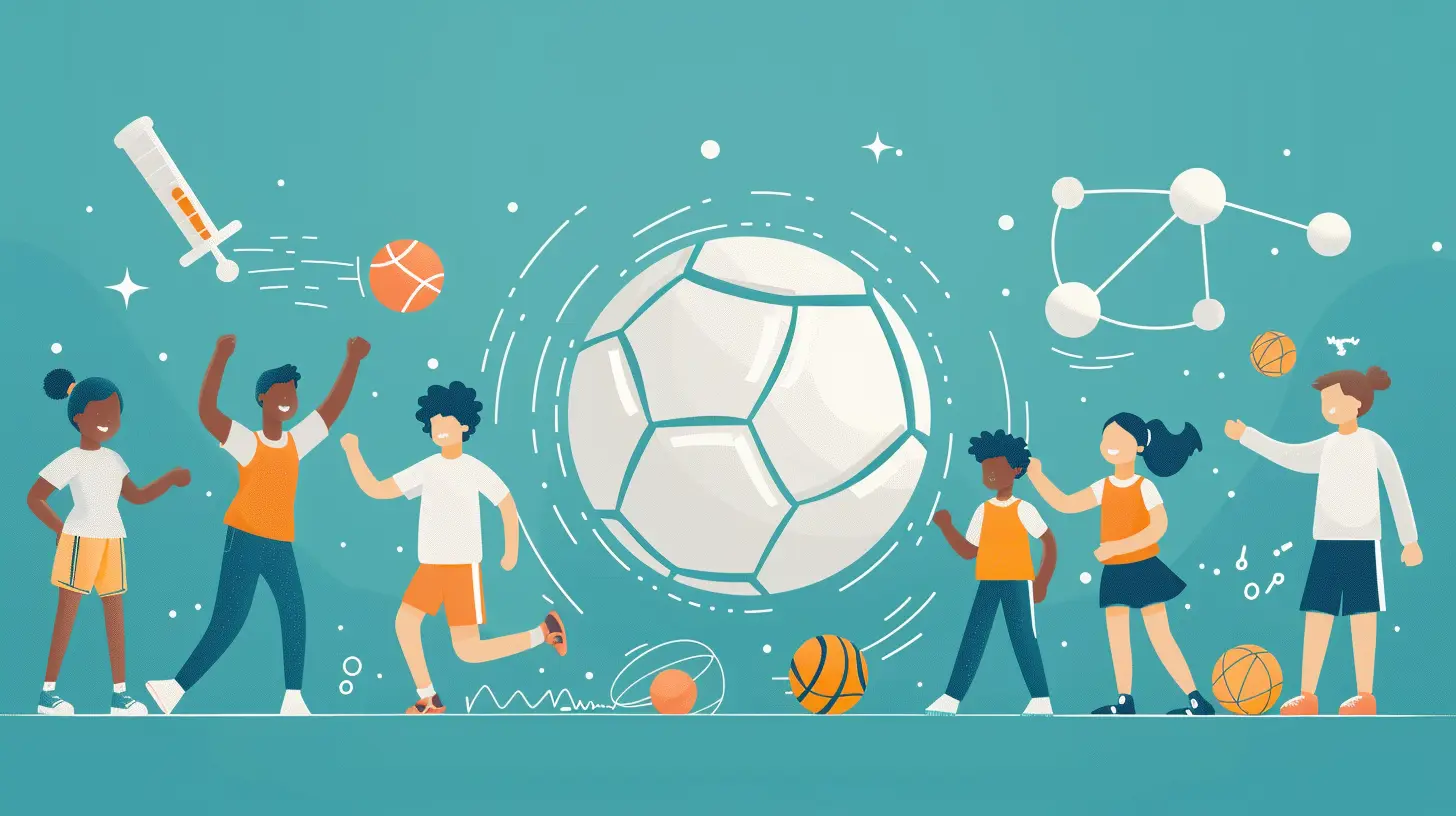
The Long-Term Benefits of Cross-Curricular PE
Incorporating academics into PE does more than just make lessons fun—it builds well-rounded students. When kids connect physical activity with subjects like math and science, they develop a deeper appreciation for both.It also helps students who struggle in traditional classrooms. A child who finds math difficult might grasp it better through a basketball drill. A history lesson that feels boring in a textbook can come alive through movement.
On top of that, this approach encourages lifelong learning. It shows students that education isn’t confined to desks and books—it’s all around them, even on the playground.
Final Thoughts
Cross-curricular learning in physical education is a game-changer. It transforms PE into a rich, educational experience that extends beyond fitness. By blending subjects like math, science, history, and language arts into movement, students engage both their minds and bodies in meaningful ways.So, next time you step into a gym or onto a field, look for ways to bring other subjects along for the ride. Who knows? You might just turn your gym class into the most exciting classroom on campus.
all images in this post were generated using AI tools
Category:
Physical EducationAuthor:
Olivia Lewis
Discussion
rate this article
2 comments
Zephyrion Fry
Great tips! Excited to blend subjects in PE!
March 18, 2026 at 4:35 AM
Ursula Kirkland
Integrate to ignite holistic understanding.
March 8, 2026 at 7:41 PM
Olivia Lewis
Thank you! Integrating subjects in PE fosters a comprehensive understanding, enriching both physical and cognitive development.