How to Integrate Social and Emotional Learning into Academic Objectives
20 July 2026
Let’s face it—education's not just about acing tests or memorizing historical dates. It’s also about helping students become kind, resilient, and emotionally intelligent humans. We’re not just filling heads with knowledge; we’re shaping hearts, too. And that’s where Social and Emotional Learning (SEL) swoops in like the superhero it is.
But here's the million-dollar question: How do we mix SEL with academic goals without turning our classrooms into therapy sessions or completely veering off the curriculum? Good news—we can totally do both. And yes, it can be fun, engaging, and, most importantly, effective.
In this article, we’re going to break down how to weave SEL into academic learning like peanut butter blends with jelly. Ready? Let’s roll.
What Is Social and Emotional Learning (SEL), Anyway?
Okay, before we dive deep, let’s make sure we’re all on the same page.Social and Emotional Learning is all about helping students develop key life skills—things like self-awareness, self-regulation, empathy, and relationship building. Think of it as training for the heart and mind. The big five core competencies, as defined by CASEL (Collaborative for Academic, Social, and Emotional Learning), are:
- Self-awareness
- Self-management
- Social awareness
- Relationship skills
- Responsible decision-making
In short, SEL helps students handle life with a little more grace and a lot more grit.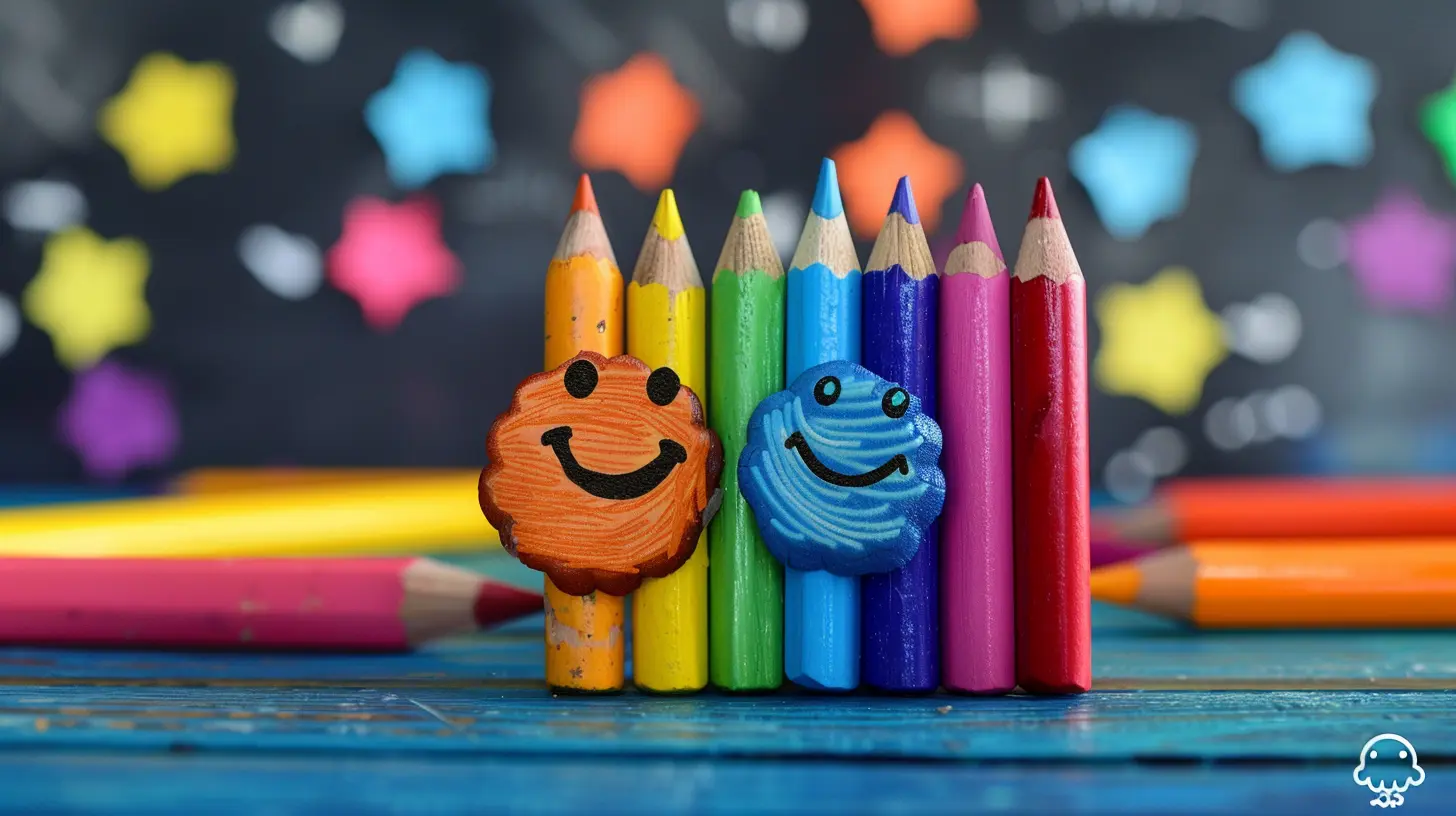
Why Should SEL and Academics Go Hand-in-Hand?
Now, you might be thinking, “Sounds cool, but how’s this going to help with grades?”Well, here’s the scoop: studies show that students with strong SEL skills actually do better academically. In fact, one major study found that incorporating SEL into classrooms raised academic performance by an average of 11 percentile points. Crazy, right?
When students know how to handle their emotions, navigate social situations, and make responsible decisions, they’re in a better headspace to learn. Basically, SEL gives students the emotional bandwidth to focus.
Step-by-Step: How to Integrate Social and Emotional Learning into Academic Objectives
Alright, let’s get to the meat of it. Here’s how to sprinkle SEL into your lesson plans without overwhelming your schedule or straying from academic goals.1. Set Clear Intentions—Start with the End in Mind
Before each lesson, think: “What SEL skill can I focus on here?” Maybe you’re teaching a group project and want to spotlight teamwork and communication. Or perhaps it's a writing assignment that could highlight self-reflection.By setting intentional SEL objectives alongside your academic ones, you double the value of your lessons. For example:
- Academic Objective: Students will write persuasive essays.
- SEL Objective: Students will respectfully express opinions and respond to differing perspectives.
Double win!
2. Make Room for Morning Meetings or Check-Ins
Imagine walking into class feeling totally invisible or like your stress is ignored. Not a great start, right? Simple morning meetings or emotional check-ins create a safe space and help students feel seen.These quick 5–10 minute activities can include:
- A “feelings thermometer” (students point to how they’re feeling)
- Sharing one good thing and one challenge
- Doing a quick breathing exercise or gratitude moment
It’s like warming up before a workout—it gets the brain and heart ready to learn.
3. Integrate SEL into Existing Content
Good news: you don’t have to reinvent the wheel. SEL can slot right into your existing curriculum.Language Arts
Books are goldmines for SEL. Characters face choices, deal with emotions, and build relationships. Use literature to discuss emotional regulation and empathy.Example: Reading “Of Mice and Men”? Talk about loneliness, friendship, and moral decisions.
Math
Yes, even math has a place for SEL! Think growth mindset here. When students struggle with a problem, it’s a golden opportunity to teach perseverance and self-management.Try this:
- Celebrate mistakes as learning moments.
- Include collaborative problem-solving activities.
- Discuss real-world scenarios requiring responsible decision-making.
Science
In science, we can weave in curiosity, ethical decision-making, and collaboration.Highlight scientists who showed resilience in the face of failure or discuss the ethical implications of biotech, environmental policies, etc.
Social Studies
SEL fits like a glove here. History is full of decisions, conflicts, and relationships—perfect for discussing empathy, morality, and leadership.Ask students: “What would you have done in this leader’s shoes?” Let them analyze emotional intelligence of historical figures.
4. Use Group Work Strategically
Group projects aren’t just for ticking off teamwork objectives. They’re training grounds for real-life social scenarios.But—and this is big—don’t just throw students together and hope for the best. Structure their interactions:
- Assign roles (leader, note-taker, timekeeper, etc.)
- Set collaboration norms
- Reflect on group dynamics after the task
Let students evaluate how they worked together. Did they listen well? Did everyone feel included? That’s SEL in action.
5. Model, Model, Model (Did We Say Model?)
Kids learn way more from what we do than what we say, right?If we want our students to be emotionally intelligent, we’ve gotta walk the talk. That means:
- Managing our own frustrations calmly
- Talking through decisions out loud (“I’m feeling overwhelmed, so I’m going to pause and take some deep breaths to think clearly.”)
- Showing empathy when students are upset
Your behavior becomes the classroom's emotional blueprint.
6. Reflect Frequently
Reflection isn’t just for mirrors. Giving students time to pause and think about their emotions, decisions, and social interactions is a big part of SEL.Try journals, exit tickets, or just a two-minute share-out. Ask:
- What went well today in how you worked with others?
- What would you do differently next time?
- How did your emotions impact your learning?
Over time, these reflections build incredible self-awareness.
7. Incorporate SEL into Assessments
Yes, even tests and projects can have a social-emotional component. Consider adding reflection prompts or self-evaluations as part of assessments.Questions like:
- How did you manage your time and stress during this project?
- What challenges did you face, and how did you handle them?
- How did collaboration influence your final outcome?
This helps reinforce the idea that emotional intelligence is part of success—not separate from it.
8. Celebrate SEL Growth
We clap for academic wins, but what about emotional ones? Did a student show a ton of perseverance in that tough group project? Maybe a quiet kid stepped up to lead a discussion?Celebrate those moments! This could be:
- A shout-out wall
- Weekly SEL awards
- Class discussions on personal growth
Recognizing SEL progress reinforces its value and motivates continued development.
9. Engage Families and the Community
SEL doesn’t stop at the classroom door. In fact, it thrives when families are part of the equation.Share with parents the SEL objectives you're focusing on. Offer tips for reinforcing skills at home, like family gratitude practices or emotion check-ins.
You can even bring in community members to talk about how these skills show up in their jobs—nurses, customer service workers, leaders. Real-world relevance = real-world value.
Common Challenges (And How to Tackle Them)
Alright, we’d be lying if we said integrating SEL is always smooth sailing. You might hit a few bumps, like:- Feeling like there’s just not enough time
- Not knowing how to assess SEL
- Resistance from students who think it’s corny (teenagers, we see you)
Here’s how to deal:
- Start small. One SEL objective per week is a great beginning.
- Use rubrics or reflective journals to “assess” SEL.
- Be authentic and consistent. If you’re all-in, your students will eventually buy in, too.
Final Thoughts: This Isn’t Extra—It’s Essential
At the end of the day, teaching SEL isn’t about doing more. It’s about teaching smarter. Social and Emotional Learning fuels the engine of learning. It’s the secret sauce that helps students thrive academically and in life.So, don’t think of SEL and academics as separate silos—they’re like two sides of the same coin. When we integrate them, we’re helping students become not just good students, but amazing humans.
And honestly? That’s the real goal, isn’t it?
all images in this post were generated using AI tools
Category:
Learning ObjectivesAuthor:

Olivia Lewis