How to Integrate Social Media in Your Classroom Effectively"
12 July 2026
Social media is everywhere, so why not use it to your advantage in the classroom? Instead of treating it as a distraction, why not make it an engaging learning tool? From fostering collaboration to improving communication, social media can turn an ordinary lesson into an exciting experience. But how do you integrate it effectively? Let’s break it down step by step.
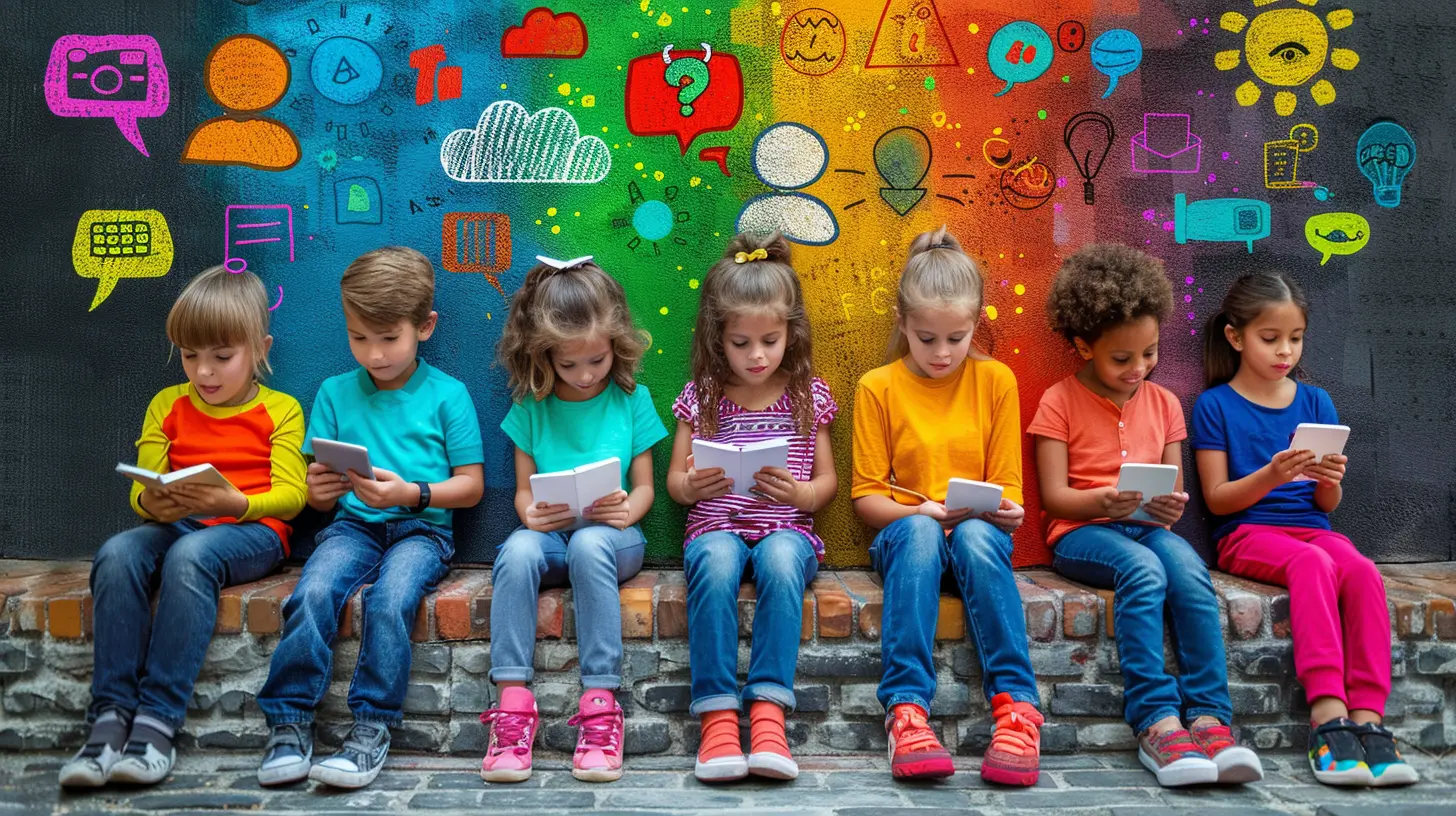
Why Social Media Belongs in the Classroom
Let’s face it—students are already using social media. Instead of banning it, why not channel that energy into meaningful learning experiences? When used wisely, social media can:- Encourage Collaboration – Students can work together on projects, share ideas, and learn from each other.
- Enhance Engagement – Learning feels more natural when it happens in familiar spaces.
- Develop Digital Citizenship – Teaching students how to use social media responsibly prepares them for the real world.
- Improve Communication – Teachers, students, and even parents can stay connected outside of class hours.
So, now that we know why it's beneficial, let’s talk about how to integrate it effectively.
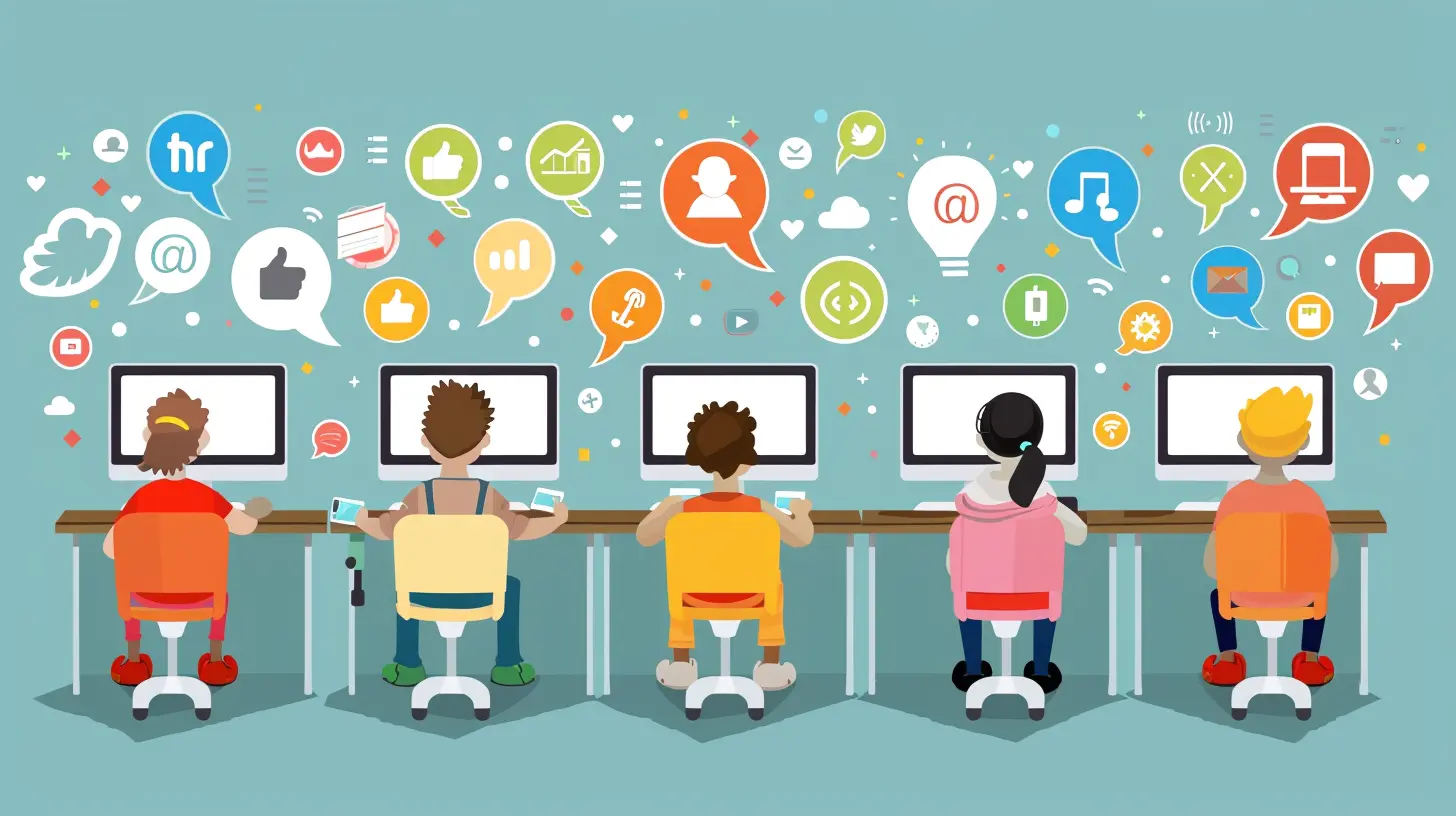
Setting Guidelines for Safe and Productive Use
Before jumping in, it's important to establish clear guidelines. After all, social media can be a double-edged sword if not used properly.1. Establish Clear Rules
Make sure students understand what’s appropriate and what’s not. This includes:- Respecting each other online.
- Citing sources properly when sharing information.
- Avoiding cyberbullying or inappropriate content.
2. Use Secure Platforms
Not all social media platforms are designed for education. Stick to safe, moderated tools such as:- Google Classroom – A great hub for assignments and discussions.
- Edmodo – A safe social learning platform for teachers and students.
- Private Facebook Groups – Works well for class discussions and collaboration.
3. Get Parental Involvement
Keep parents in the loop. Let them know how and why you’re using social media in the classroom. This builds trust and ensures everyone is on the same page.
Creative Ways to Use Social Media in the Classroom
Now, let’s get to the fun part! How can you make social media an effective learning tool? Here are some creative ideas to get started.1. Twitter for Classroom Discussions
Not all students feel comfortable speaking up in class. Twitter (or an alternative like a private discussion forum) can give them a voice. You can:- Create a hashtag for your class discussions.
- Ask students to summarize lessons in 280 characters.
- Hold live Q&A sessions to reinforce topics.
Example: Having a debate on climate change? Ask students to tweet their arguments within the character limit—this teaches them to be concise while engaging in meaningful discussions.
2. Instagram for Visual Learning
Instagram isn’t just for selfies—it’s a fantastic educational tool! Students can:- Create infographics to summarize lessons.
- Post photos of science experiments and describe the process.
- Share book recommendations or historical facts through engaging visuals.
Encourage creativity and storytelling while reinforcing what they’ve learned.
3. YouTube for Interactive Lessons
Videos make learning more engaging, and YouTube is a goldmine of educational content. You can:- Assign students to create short video presentations.
- Share educational channels relevant to your topics.
- Record and upload your own video lessons for students to review at home.
Videos cater to different learning styles, making lessons more accessible for everyone.
4. Facebook or WhatsApp for Group Projects
Collaboration is key in education, and social media makes it easier. You can:- Create closed Facebook groups for group projects.
- Use WhatsApp for quick collaborative discussions.
- Assign roles and keep track of progress within a shared space.
This helps students learn teamwork, communication, and responsibility.
5. Blogging for Writing Practice
Encourage students to start a blog! Platforms like Medium, Blogger, or even a private class website can help students improve their writing skills. They can:- Write weekly reflections on what they learned.
- Share research papers in an engaging way.
- Comment on each other’s posts for peer feedback.
Writing for an audience motivates students to put more effort into their work.

Overcoming Challenges When Using Social Media
Like anything else, using social media in the classroom comes with challenges. But don't worry—these hurdles are manageable!1. Avoiding Distractions
Let’s be honest—social media can be a black hole of distractions. To keep students on track:- Set clear boundaries on when and how they can use social media.
- Use focus-friendly browser extensions to block unrelated sites during lessons.
- Incorporate social media only when it directly serves the learning objective.
2. Addressing Privacy Concerns
Student safety is crucial. To protect their privacy:- Use private groups instead of public pages.
- Never share personal information online.
- Teach students about online safety and responsible digital behavior.
3. Making Social Media Inclusive
Not all students have access to social media outside the classroom. To ensure fairness:- Offer alternative assignments for students who prefer offline learning.
- Use school-provided devices whenever possible.
- Provide guidance for students who are unfamiliar with social media tools.
Final Thoughts
Social media isn’t just for entertainment—it’s a powerful educational tool when used correctly. By setting clear guidelines, using the right platforms, and incorporating engaging activities, you can turn social media into a valuable learning resource instead of a distraction.So, are you ready to bring social media into your classroom? Give it a try and watch your students become more engaged, collaborative, and digitally savvy!
all images in this post were generated using AI tools
Category:
Classroom TechnologyAuthor:

Olivia Lewis