How to Make Physical Education Fun for All Students
30 December 2025
Remember the days of dodgeball where only the most athletic kids shined and everyone else just tried not to get hit? Way too many of us associate PE (Physical Education) with embarrassment, boredom, or anxiety. But here’s the thing—PE doesn’t have to be a nightmare. In fact, it can be one of the most inclusive, joyful, and anticipated parts of the school day.
So how do we flip the script and make PE fun, energizing, and welcoming for every student? Let’s dive in.
Why Making PE Fun and Inclusive Matters
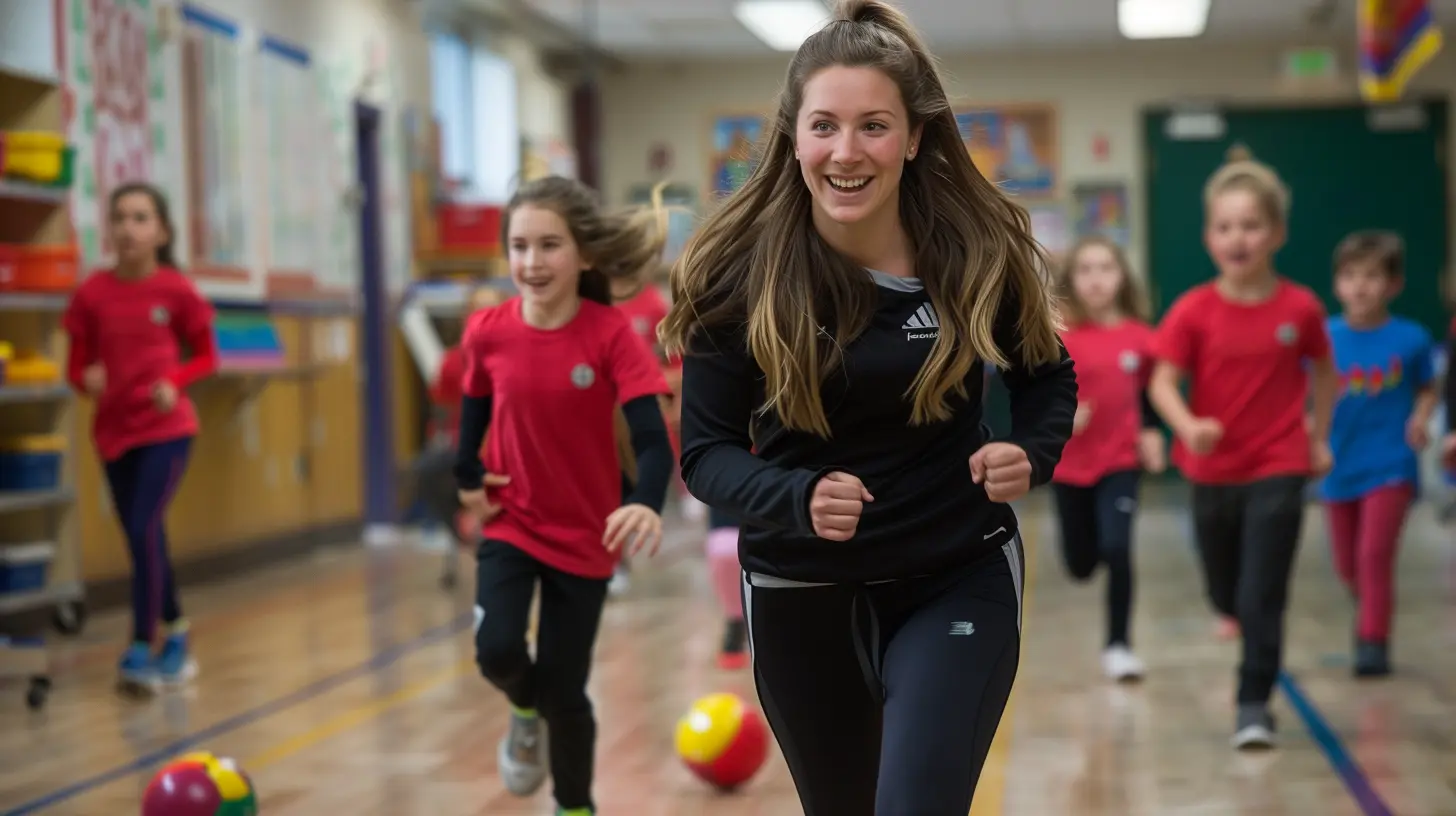
Let’s face it, physical activity isn’t just about sports. It’s about movement, joy, connection, and health. When students enjoy PE, they’re more likely to:- Stay active outside of school.
- Develop lifelong healthy habits.
- Build confidence in their physical abilities.
- Improve mental health and stress management.
But when PE feels like a punishment or a popularity contest, it's a missed opportunity. Some kids feel left out, embarrassed, or even dread coming to class. That’s why making PE enjoyable and accessible for everyone is more important now than ever.
Understand That One Size Doesn't Fit All
Every student is different—different skills, interests, confidence levels, and body types. Expecting all students to approach exercise the same way just doesn’t work. So, what’s the solution? Flexibility.Embrace Student Diversity
Instead of forcing everyone to run the mile or play basketball, offer a range of activities. Think dance, yoga, martial arts, cooperative games, resistance training, or even just walks with friends. When students get to choose activities they like or are curious about, they’re more likely to participate with enthusiasm.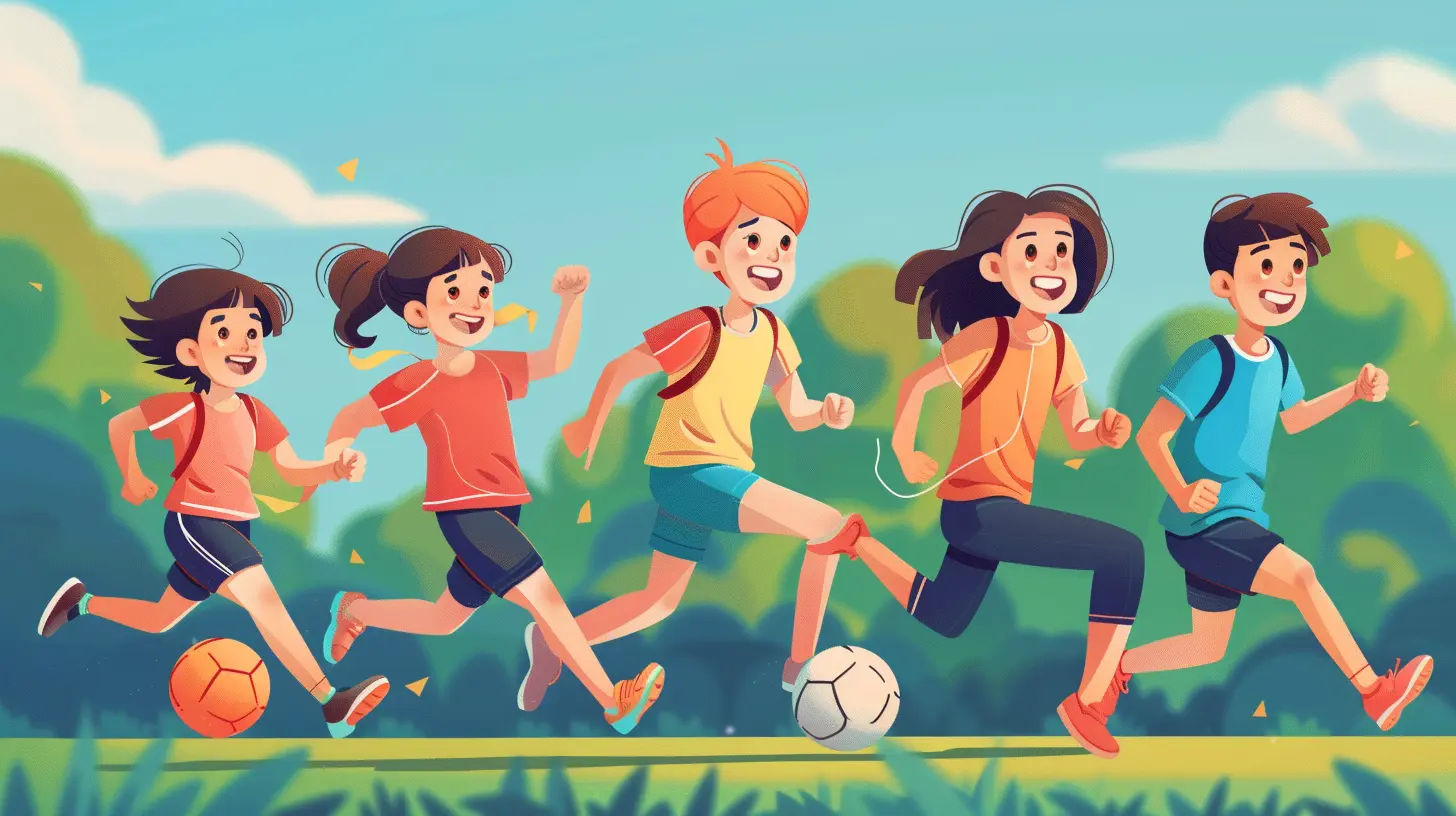
Shift the Focus from Performance to Participation
Let’s be real—nobody wants to constantly be compared to others, especially when it comes to physical skills. Some students might be naturally athletic, while others struggle with coordination or stamina. That doesn’t mean they’re lazy or unmotivated. They just need the right environment.Redefine Success
In a reimagined PE class, success isn’t about who runs the fastest or jumps the highest. It’s about effort, improvement, and trying something new. Celebrate small wins like showing up, learning a new move, or encouraging a classmate. When students feel safe to fail and try again, they’re more likely to take risks and grow.
Create a Safe and Supportive Environment
Before students can get moving, they need to feel emotionally safe. And that starts with the teacher. Trust, respect, and kindness go a long way.Build Relationships First
Get to know your students. Ask about their hobbies, favorite music, or what kind of activities they enjoy. Show that you care about them both inside and outside the gym. When students feel seen and valued, they’re more likely to engage.Say Goodbye to Shame-Based Practices
No more picking teams in front of the entire class. No more public weigh-ins or fitness scores on the wall. These outdated methods only breed anxiety and embarrassment. Instead, focus on private, personal goal tracking and team games that emphasize collaboration over competition.Make It Social
Let’s not forget—kids love to socialize. And PE is the perfect time to channel that energy into movement.Incorporate Teamwork and Cooperation
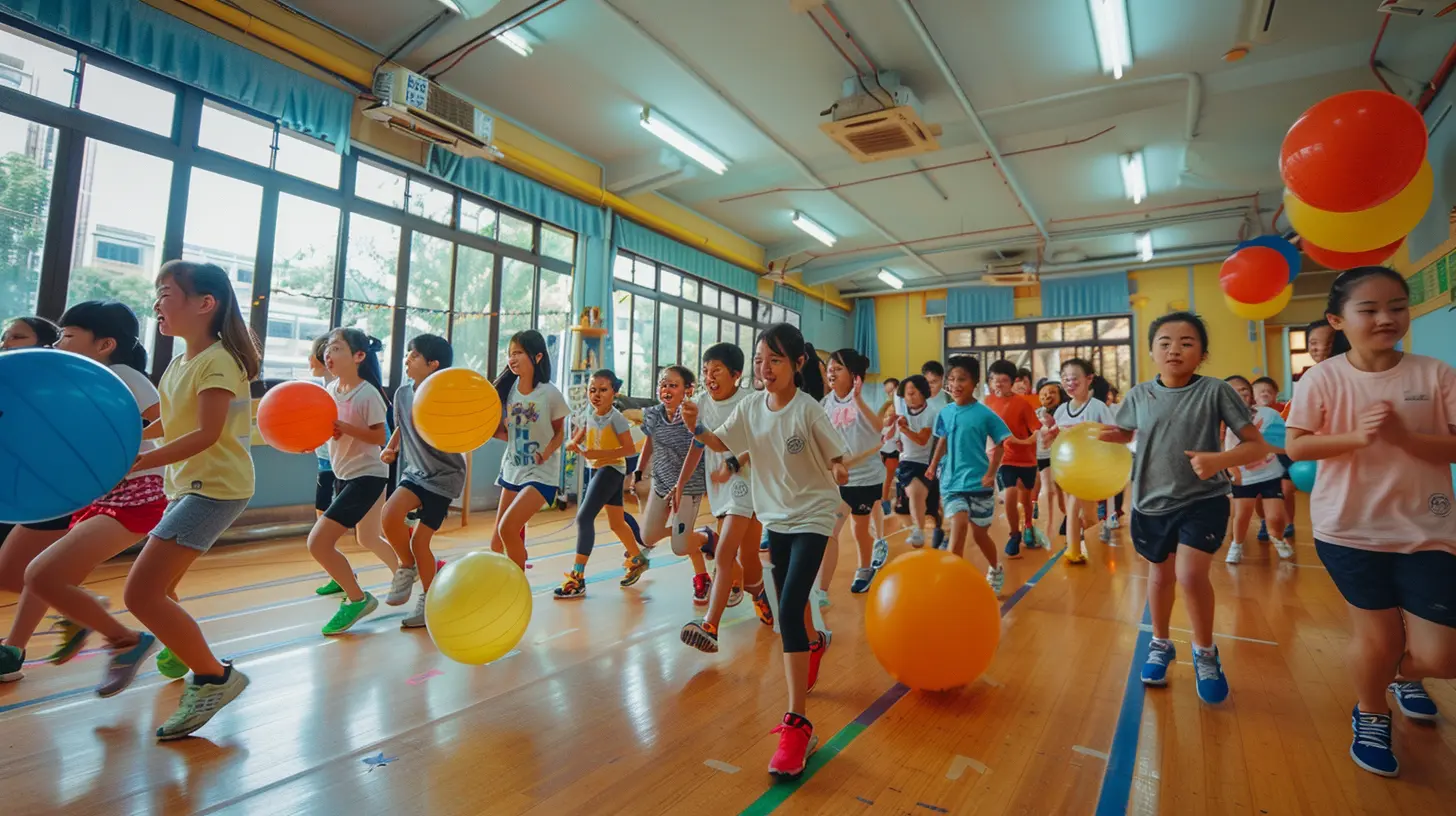
Try cooperative games that require students to work together rather than compete. Think relay races, obstacle courses, or group challenges. The key is to give everyone a role so that each student feels included and needed.Use Pair and Group Activities
Students often feel more confident when they have a buddy. Let them work in pairs or small groups where they can encourage one another, learn together, and even laugh when they mess up.
Bring the Fun—Literally
If the goal is to get students excited about moving, then the activities themselves need to be...fun!Add Music
Music transforms the vibe instantly. Whether it’s upbeat dance hits or calming instrumentals for yoga, the right playlist can get even the most reluctant students moving.Gamify the Experience
Turn movement into a game. Use apps, timers, points, scavenger hunts, or challenges. Try something like “PE Bingo” or “Fitness Jeopardy.” The more creative and interactive it is, the more likely students are to engage.Incorporate Pop Culture
If your students are into TikTok dances or Marvel movies, why not bring those themes into your class? Design superhero workouts, dance-offs, or sports challenges with a pop culture twist.Adapt Activities for Different Abilities
Not every student can—or should—do the same thing. Whether students are dealing with physical disabilities, chronic conditions, or just learning differences, PE should still be a space for them to thrive.Provide Modifications
Set up stations with different intensity levels or offer alternative equipment. For example, instead of running laps, offer walking, cycling, or stretching. This allows students to participate fully and safely at their own pace.Celebrate All Bodies
Students come in all shapes and sizes—and that’s beautiful. Make it clear that there’s no “ideal” body type for movement. Promote body positivity and remind students that being active is about feeling good, not looking a certain way.
Empower Students with Choice
If students have no say in what they're doing, they’ll likely zone out. But give them a voice, and watch how things change.Let Students Help Design the Curriculum
Ask for input. What games do they want to try? Are they interested in dance, hiking, kickboxing, or something totally new? Maybe give them a “PE Menu” to pick from each week. This kind of autonomy can totally transform their motivation.Offer Different Roles
Not everyone wants to be center stage. Give students the option to be scorekeepers, DJs, referees, or even co-teachers for the day. This way, everyone can contribute in a way that feels good to them.Keep Communication Open
Your students should know that their feelings and feedback matter.Regular Check-ins
At the end of class, take five minutes to do a quick reflection. Ask questions like:- What did you enjoy most today?
- Was there anything that felt uncomfortable or tough?
- What would you like to try next week?
This kind of open dialogue not only builds trust but helps you tailor classes that actually match their needs and interests.
Emphasize Life Skills Over Athletic Skills
You know what’s even more important than being able to spike a volleyball? Learning how to show up for a teammate, manage stress with breathing techniques, or stick with something when it gets hard.Teach Mindfulness and Self-Regulation
Incorporate short mindfulness exercises, stretching, or deep breathing. These teach students to tune into their bodies and emotions—essential skills for both PE and life.Highlight Transferable Skills
Whether it’s communication, leadership, resilience, or goal setting, PE is the perfect playground for practicing life skills. Make sure students know that what they’re learning goes way beyond the gym floor.Be a Role Model (Not a Drill Sergeant)
If you bring good energy into your PE class, your students will feel it. You don’t need to be a cheerleader 24/7, but your attitude matters.Show Your Passion for Movement
Whether you’re into hiking, dancing in your kitchen, or just walking your dog—share your love of movement with your students. They’re more likely to value it if they see that you do too.Lead with Empathy
There will be days when your students are tired, stressed, or just not feeling it. Be flexible. Be kind. Remember, you’re not just teaching a subject—you’re touching a life.
Final Thoughts
Making physical education fun for all students isn’t about lowering the bar. It’s about raising everyone up. By being creative, compassionate, and intentional, we can turn PE into a space that fosters not just physical health—but joy, connection, and confidence.So the next time you walk into a gym, think: How can I make this moment inclusive and inspiring for every student here? It’s not just about moving bodies—it’s about moving hearts too.
all images in this post were generated using AI tools
Category:
Physical EducationAuthor:
Olivia Lewis
Discussion
rate this article
2 comments
Dahlia McQuaid
Creating an inclusive and engaging PE environment transforms student experiences, fostering a love for movement and teamwork that lasts a lifetime.
January 20, 2026 at 4:51 AM
Olivia Lewis
Absolutely! An inclusive PE environment is key to inspiring students and building a lifelong passion for movement and teamwork.
Vanya Wolf
This article wonderfully highlights the importance of inclusivity and creativity in physical education. By making activities engaging and accessible, we can inspire a love for movement in all students. Let’s embrace diverse approaches to ensure every child thrives and enjoys PE!
December 31, 2025 at 3:56 AM
Olivia Lewis
Thank you for your thoughtful comment! I completely agree—embracing inclusivity and creativity is key to inspiring a love for movement in every student.