How to Teach Active Listening Skills in the Classroom
2 March 2026
Active listening is a crucial life skill that helps students develop strong communication abilities, build meaningful relationships, and enhance their learning experience. Unfortunately, many students struggle with attentiveness, often getting distracted by their surroundings, digital devices, or their own thoughts.
As an educator, teaching active listening in the classroom can transform the way students interact, understand lessons, and connect with one another. But how do you make it engaging and effective? Let’s dive into practical strategies to boost active listening skills among students.

What Is Active Listening?
Active listening isn’t just about hearing words—it’s about fully concentrating, understanding, responding, and remembering what’s being said. Unlike passive listening, where students may only catch bits and pieces of information, active listening requires focus, engagement, and a genuine effort to comprehend the message.Why Is Active Listening Important?
Active listening enhances:- Comprehension: Students grasp concepts more effectively.
- Critical Thinking: Encourages students to analyze and interpret discussions.
- Empathy and Respect: Builds stronger interpersonal relationships.
- Classroom Participation: Boosts confidence in discussions and group activities.
Now, let’s explore the best ways to teach and reinforce this skill in the classroom.
Strategies to Teach Active Listening
1. Set the Right Example
Students often mirror the behavior of their teachers. If you model active listening—making eye contact, nodding, summarizing what others say—they’ll pick up on it. Show respect when students speak, and they’ll learn to do the same with their peers.2. Teach the Key Components of Active Listening
Before expecting students to practice active listening, break it down for them. Explain the five key elements:- Paying Attention: Focusing on the speaker without distractions.
- Showing That You’re Listening: Using nonverbal cues like nodding or facial expressions.
- Providing Feedback: Paraphrasing or asking clarifying questions.
- Deferring Judgment: Avoiding interruptions and keeping an open mind.
- Responding Appropriately: Offering thoughtful responses or summaries.
3. Use Interactive Listening Exercises
Students learn best by doing. Incorporate fun and interactive listening exercises into your lessons.Listening Pairs
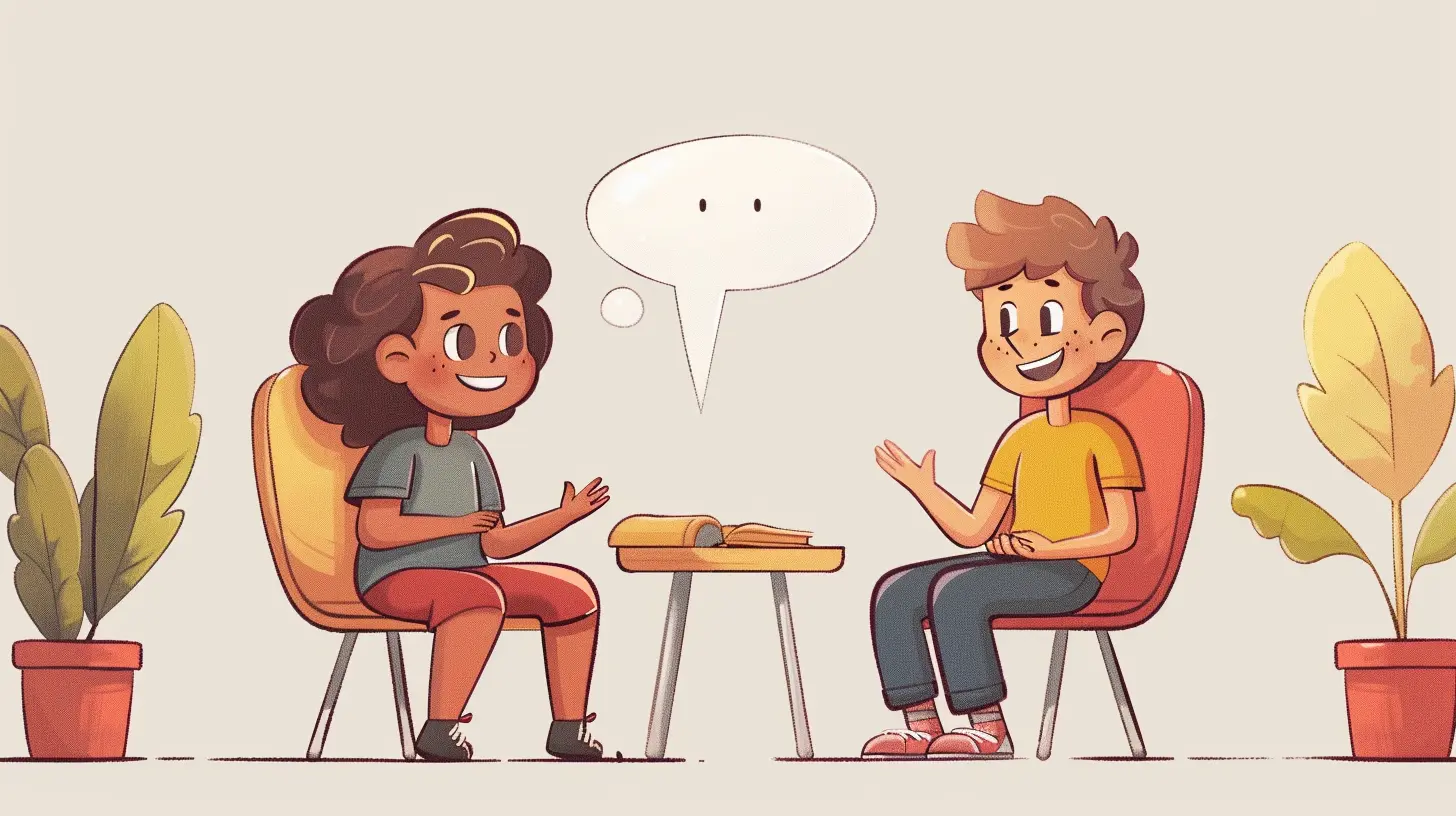
Pair students up and give them a topic to discuss. One student speaks while the other listens without interrupting. Then, the listener summarizes what they heard before switching roles. This builds their ability to listen without jumping to responses.Story Retelling Game
Read a short story or passage aloud. Then, have students retell it in their own words. This activity forces them to actively process and remember key details.Simon Says with a Twist
Instead of basic commands, add layers of difficulty by incorporating multi-step instructions. This keeps students engaged while sharpening their listening skills.4. Remove Distractions
A noisy or chaotic environment makes it difficult for students to focus. Set clear classroom rules about limiting distractions, such as putting away devices during discussions and maintaining a conducive learning atmosphere.5. Encourage Eye Contact and Body Language
Teach students that active listening involves more than just ears—it’s about body language too! Encourage them to:- Maintain eye contact with the speaker.
- Nod or give visual cues to show understanding.
- Face the speaker rather than looking around the room.
6. Use Reflection and Summarization
After discussions or lectures, ask students to summarize key points. This reinforces comprehension and helps them internalize the message. Phrases like "So what you’re saying is..." or "I understood that..." encourage them to reflect on what they just heard.7. Promote Questioning Techniques
Teach students to ask open-ended questions that spark deeper conversations. Questions like:- "Can you explain more about that?"
- "What do you mean by...?"
- "How does that connect to...?"
This not only helps in comprehension but also strengthens their critical thinking skills.
8. Implement a ‘Listening Journal’
Have students maintain a listening journal where they jot down key takeaways from discussions, lectures, or peer interactions. Reflecting on their listening habits helps them identify areas for improvement.9. Provide Constructive Feedback
Give students regular feedback on their listening skills. Whether through self-assessments, peer reviews, or teacher observations, constructive feedback helps students become more conscious of their listening habits.10. Incorporate Technology
Use podcasts, audiobooks, or recorded lectures as listening exercises. Pause at intervals and ask students questions to ensure they’ve been actively listening. This method enhances engagement while making lessons more dynamic.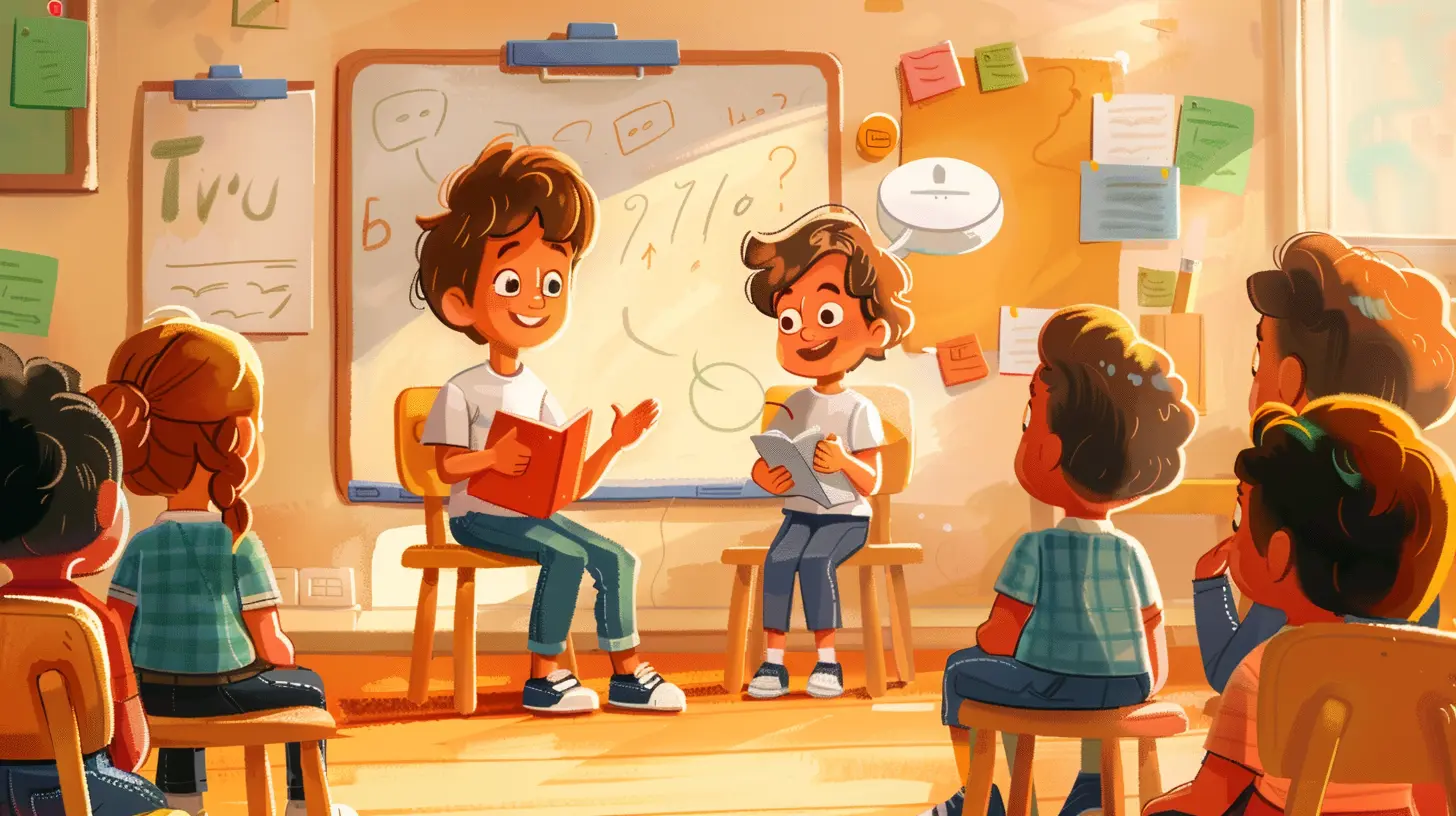
Overcoming Common Challenges in Teaching Active Listening
Challenge 1: Short Attention Spans
Solution: Keep activities short and interactive. Utilize games, storytelling, and quick listening drills to maintain engagement.Challenge 2: Interrupting Speakers
Solution: Teach students to wait for their turn to speak by using structured turn-taking exercises. Role-playing activities help reinforce patience and proper listening behavior.Challenge 3: Lack of Interest
Solution: Make listening relevant by connecting topics to real-life scenarios. Use compelling stories, guest speakers, or current events for discussions.
The Long-Term Impact of Active Listening Skills
Teaching active listening doesn't just improve classroom learning—it prepares students for life beyond school. Whether in professional careers, social interactions, or personal growth, effective listening plays a role in success.By using these techniques, educators can foster a classroom culture where students feel heard, understood, and equipped with the skills to communicate effectively.
So, why wait? Start implementing these strategies today, and watch your students become better listeners, communicators, and thinkers!
all images in this post were generated using AI tools
Category:
Social Emotional LearningAuthor:

Olivia Lewis
Discussion
rate this article
2 comments
Chase McElveen
Active listening transforms classrooms—prioritize it or fall behind!
March 9, 2026 at 4:08 AM
Olivia Lewis
Absolutely! Active listening is essential for fostering a collaborative learning environment. Prioritizing it can significantly enhance student engagement and comprehension.
Blaine McQuade
Great insights! Teaching active listening is vital for student engagement. Can't wait to implement these strategies in my classroom!
March 6, 2026 at 4:12 AM
Olivia Lewis
Thank you! I'm glad you found the insights helpful. Best of luck implementing the strategies in your classroom!