How to Use Gamification to Motivate Students in PE
23 December 2025
Let’s be honest—motivating students in Physical Education (PE) isn’t always a walk in the park. You’ve got the energetic kids raring to sprint laps, and then you’ve got the ones who’d rather vanish into a hoodie than participate in class. So how do you get all of them on board? The answer might just lie in gamification—a modern strategy that adds a playful twist to workouts and turns gym time into game time.
Gamification isn't just a buzzword. It's a powerful tool that educators can use to inspire, engage, and motivate students of all backgrounds and fitness levels. It taps into the natural human love for play and competition. And guess what? It works wonders in the gym just as well as it does in the classroom.
So let’s dive deep into how you can harness the power of gamification to turn PE into something your students look forward to—not just tolerate.
What Is Gamification, Really?
Before we go any further, let’s clear up what gamification means. It’s not about turning your classroom into a full-blown video game zone—although that does sound fun. Rather, gamification means taking the elements that make games addictive—think points, levels, challenges, leaderboards, and rewards—and applying them to a non-game environment, like Physical Education.Imagine this: Instead of just telling students to run laps, what if they were secret agents on a mission to rescue a kidnapped teammate? Instead of plain old jump rope drills, they’re leveling up to become rope masters. Add a scoring system, fun objectives, and maybe a boss challenge at the end—and suddenly, kids are running and jumping with purpose.
Sounds exciting, right?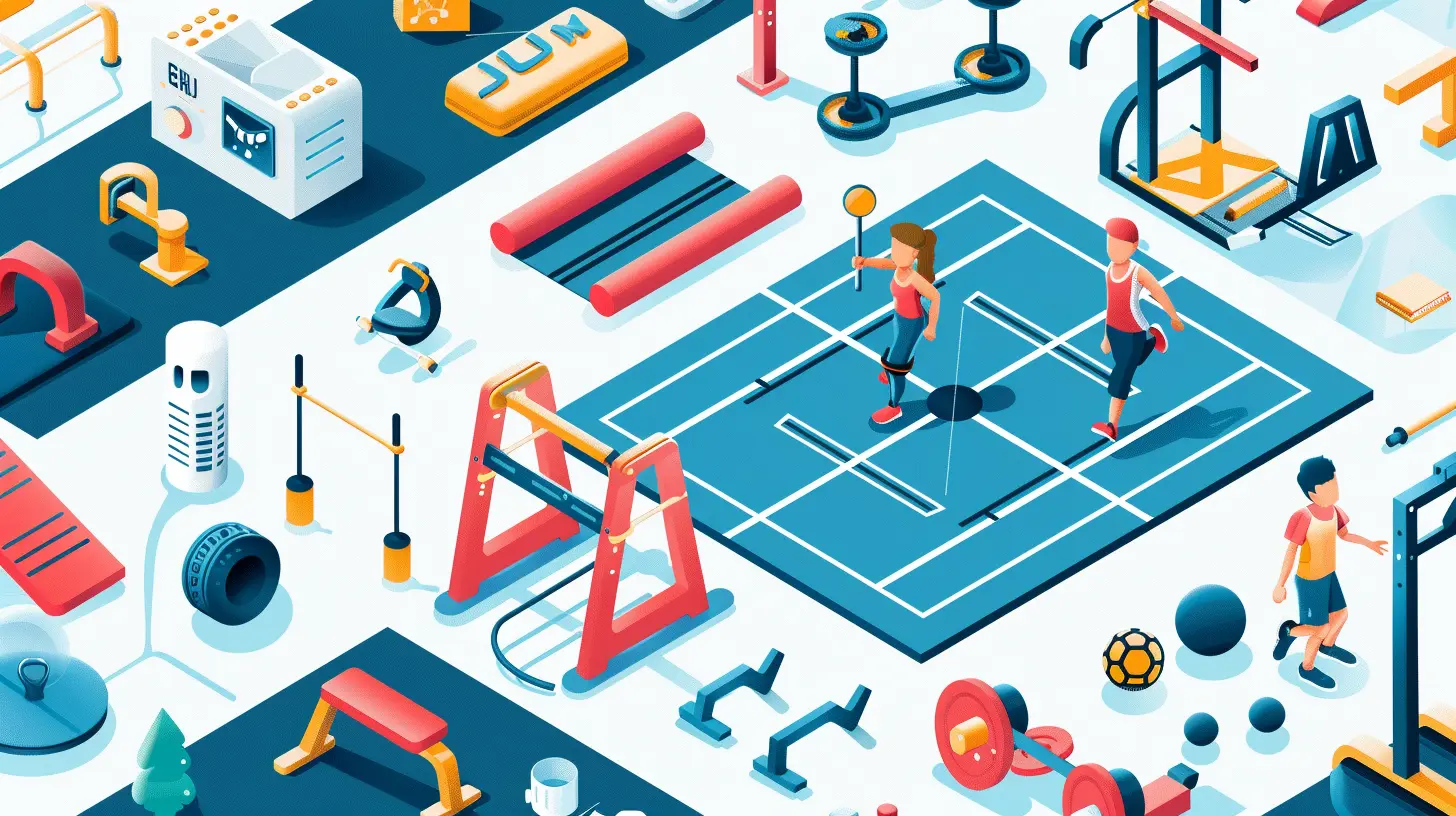
Why Gamification Works in PE
There’s a good reason companies, classrooms, and even fitness apps use gamification—it taps into some pretty basic human psychology. Here’s why it’s so effective in PE:1. It Makes Exercise Feel Less Like a Chore
Let’s be real—some students dread PE. But when you wrap physical activity in a fun narrative or game mechanic, the exercise becomes just one part of a much bigger (and more fun) picture.2. It Encourages Participation From All Skill Levels
Everyone can play a game. When designed thoughtfully, gamification allows students of all abilities to participate and feel successful—even if they’re not the fastest or strongest.3. It Promotes Healthy Competition
Games naturally breed a bit of friendly rivalry, and that’s a good thing! Students push themselves harder—not because they have to, but because they want to win or hit that next level.4. It Provides Instant Feedback
Gamified systems offer immediate responses—points earned, levels unlocked, badges awarded. This feedback loop encourages kids to keep going and strive for improvement.
Gamification Elements You Can Use in PE
Now let’s break it down. Here are the building blocks of gamification that you can start incorporating into your PE class right away:🏅 Points
The simplest gamification element. Students earn points for completing activities, showing good sportsmanship, or hitting personal records.📈 Levels
Create milestones. As students hit fitness goals, let them “level up” to new challenges or earn titles like "Cardio Commander" or "Stretch Master."🏆 Leaderboards
Showcase student scores or accomplishments. You can rank top scorers weekly or create team-based competitions to boost collaboration.🎯 Challenges and Missions
Turn regular drills into fun challenges. “How many jumping jacks can you do in one song?” or “Complete today’s obstacle course to escape the volcano!”🎮 Avatars and Profiles
Let students create their own fitness profiles, complete with nicknames, character traits, badges, and goals. It gives them ownership over their progress.👑 Badges and Rewards
These can be simple. Maybe it's a “Fitness Warrior” badge for attending class regularly or a “Speed Demon” for a personal best in sprinting.
Ideas to Gamify Your PE Class
Alright, let’s get to the good stuff. How can you actually use this in your daily PE lessons?Here are some creative, out-of-the-box ideas you can start with:
1. Fitness RPG (Role-Playing Game)
Create a storyline where students are heroes training to defeat an evil villain. Each class is a new “quest.” Completing tasks earns them experience points, gear (like imaginary shoes or powers), and progress in the story. The more effort, the better the outcome.Suddenly, they’re not just doing squats—they’re powering up for a boss battle.
2. PE Olympics
Divide the class into countries or regions and hold week-long mini-Olympics. Have opening ceremonies, team flags, and different events (sprints, relays, long jump, etc.). Award medals based not only on performance but also on teamwork and creativity.3. The Fitness Bingo Challenge
Give each student a bingo card filled with activities: “Do 10 burpees,” “Help a teammate,” “Try a new sport,” and so on. First to complete a line or blackout the board gets a prize.It promotes variety and makes students try things they’d usually avoid.
4. Leaderboard Ladder
Create a chart that tracks individual or group progress in certain activities. For example, you can rank students weekly on how many jumping jacks they do or how long they hold a plank. But keep the competition friendly and inclusive—maybe use color-coded effort zones instead of just first-place rankings.5. Virtual Reality (VR) or Augmented Reality (AR) Integration
If you’ve got access to tech, consider adding some digital fun. AR apps like Pokémon Go get students moving to catch digital creatures, while VR can simulate obstacle courses.It’s not necessary for gamification—but it's a cool bonus if your school supports it!
Keeping It Accessible and Fair
Hold up—gamification should never make students feel left out or less capable. It’s easy for game-based systems to drift into favoritism (popular kids winning most challenges, athletic students dominating leaderboards).But the goal is engagement, not exclusion.
Here are some ways to keep things fair:
- Allow multiple paths to success: Maybe one student earns points through athletic performance, while another earns points by showing leadership or encouragement.
- Keep teams random or rotating: Let students work with different classmates to promote inclusion and teamwork.
- Reward effort, not just outcomes: Try to highlight personal growth. A student improving their mile time by 2 minutes might not “win,” but they’ve made a huge leap!
- Be transparent and flexible: If a student has an injury or preference, adapt the game. Everyone should feel they have a role to play.
How to Get Started (Without Going Crazy)
Feeling overwhelmed? Don’t be. You don’t need to redesign your entire curriculum overnight. Here’s a simple way to ease into gamification:1. Pick one element—maybe add a point system or a weekly leaderboard.
2. Start small—gamify one unit, like endurance training or flexibility.
3. Use pen and paper if you must—you don’t need fancy apps.
4. Involve students—ask for their input. You’ll be surprised how many fun ideas they’ll bring to the table.
5. Celebrate wins—give shout-outs, print certificates, or just hand out high-fives. Recognition matters.
Real-Life Success Stories
Still skeptical? Some schools have already seen amazing results. For example:- A middle school in Texas used a superhero-themed PE program. Students completed missions and “leveled up” their characters weekly. Participation rose by 40%, especially among girls who previously disliked gym class.
- A high school in California introduced a fitness leaderboard tied to wearable trackers (like Fitbits). Students loved tracking their own progress and competing with friends. Attendance improved, and so did overall performance.
Gamification isn’t just play—it’s progress powered by play.
Final Thoughts: Play With Purpose
At the end of the day, Physical Education should be more than just running laps and checking heart rates. It should be about building lifelong habits, boosting confidence, and helping students find joy in movement.Gamification is a tool—one that speaks the same language students use in their daily lives. If we can use that language to get them moving, laughing, and feeling accomplished, then we’re doing more than just teaching PE.
We're changing lives.
all images in this post were generated using AI tools
Category:
Physical EducationAuthor:

Olivia Lewis
Discussion
rate this article
2 comments
Willow Alexander
Gamification makes PE fun and engaging for everyone!
January 20, 2026 at 1:45 PM
Olivia Lewis
Thank you! Gamification truly enhances student engagement in PE by making activities enjoyable and competitive.
Grey Alvarez
Gamification in PE? Yes, please! Who wouldn’t want to transform sweat into fun? The real question is: are you ready to ditch the boring drills and unleash the excitement? Let’s turn those ‘meh’ moments into epic wins—because kids deserve a workout that’s as thrilling as their favorite game!
December 23, 2025 at 5:21 AM
Olivia Lewis
Absolutely! Gamification can transform physical education into an engaging experience that motivates students. Let’s make fitness fun and exciting!