Integrating Virtual Reality for an Engaging Classroom Experience"
8 April 2026
Education is evolving faster than ever, and virtual reality (VR) is at the forefront of this transformation. Gone are the days when students passively listened to lectures while struggling to stay engaged. With VR, classrooms become immersive environments where students can interact, experience, and truly understand complex subjects. But how exactly does VR enhance learning, and how can educators effectively integrate it into their teaching? Let’s dive in. 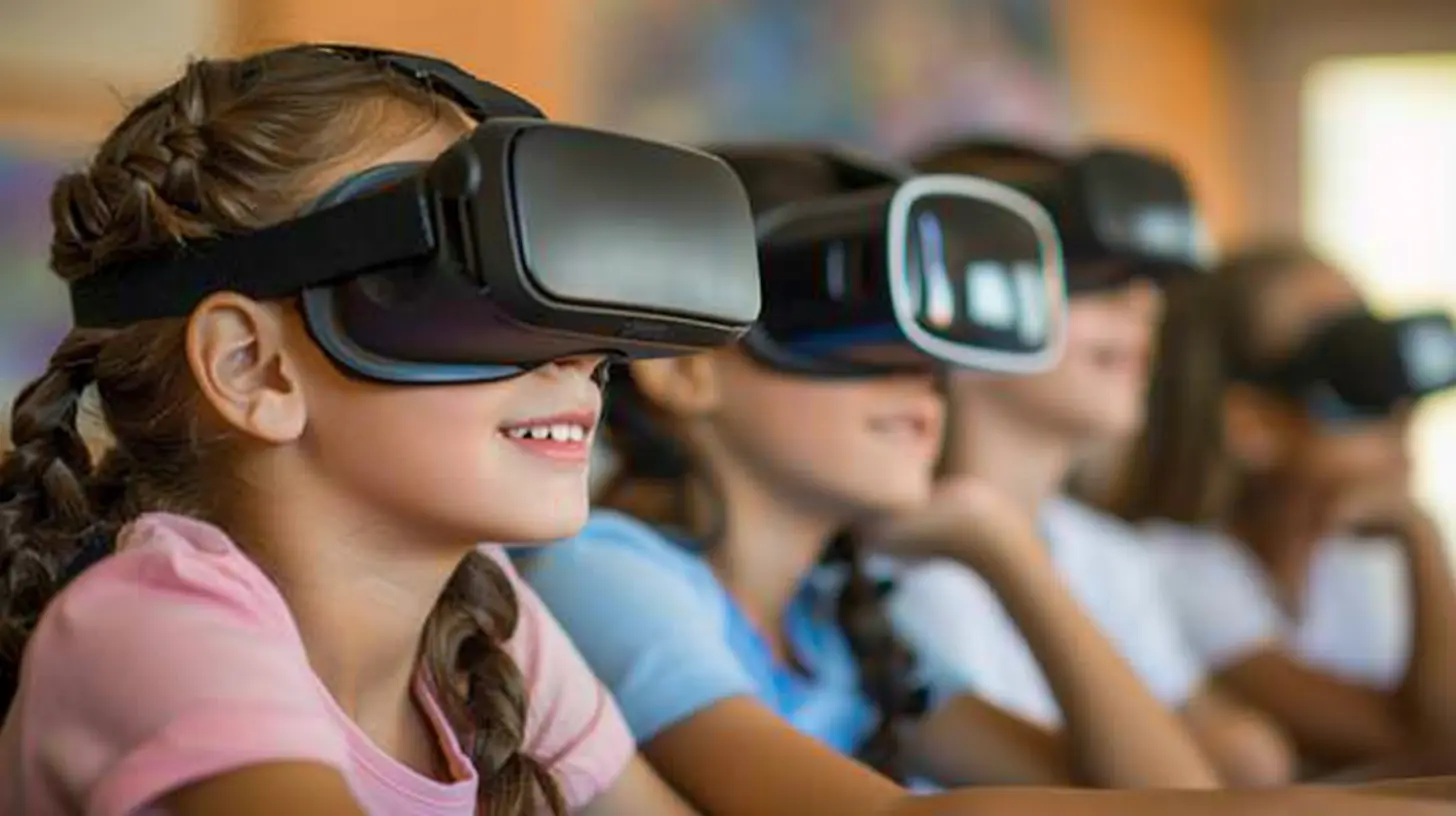
The Power of Virtual Reality in Education
Virtual reality isn't just for gaming anymore. It has the potential to change the way students learn, making education more interactive, engaging, and effective. Imagine studying ancient history by walking through the streets of Rome or learning about marine life by diving into the ocean—all without leaving the classroom.This kind of experiential learning helps students retain information better, fosters curiosity, and bridges the gap between theory and practice. For subjects that are abstract or hard to visualize, VR provides a tangible way to grasp concepts. 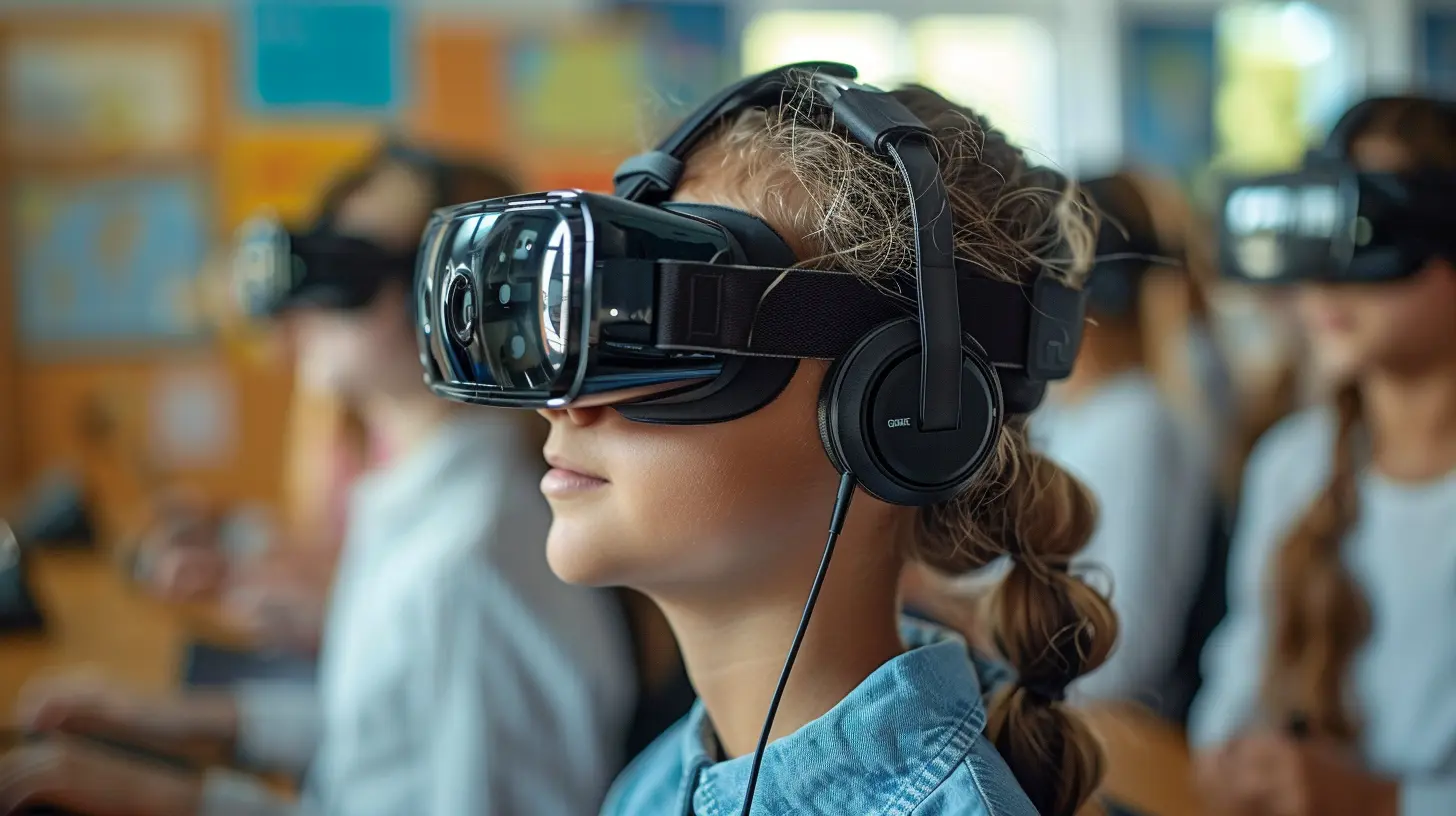
Why Every Classroom Needs Virtual Reality
Many educators are hesitant about adopting VR due to cost concerns, technical requirements, or simply the fear of the unknown. But here’s the truth—VR is not just a futuristic fantasy. It’s already making a difference in classrooms worldwide.1. Enhanced Engagement and Motivation
Students today are digital natives. Traditional teaching methods often fail to captivate their attention, but VR changes the game. By immersing students in a 3D world, they become active participants rather than passive listeners. And let’s be honest, who wouldn’t prefer an interactive history lesson over a monotonous lecture?2. Better Retention and Understanding
Studies show that students remember up to 90% of what they do, compared to just 10% of what they read. VR allows hands-on experiences that reinforce learning. Whether it’s dissecting a virtual frog in biology class or conducting chemistry experiments without any safety risks, VR makes learning stick.3. Access to Impossible Experiences
Some educational experiences simply aren’t feasible in a traditional classroom. Want to visit the Great Wall of China? Too expensive. Need to train for emergency medical procedures? Too risky. With VR, students can travel, practice, and explore without any limitations.4. Personalized Learning for Every Student
Every student learns at their own pace, and VR allows for a more adaptable approach. Struggling with a concept? Revisit the experience as many times as needed. Ready for more? Dive into advanced simulations that challenge critical thinking skills.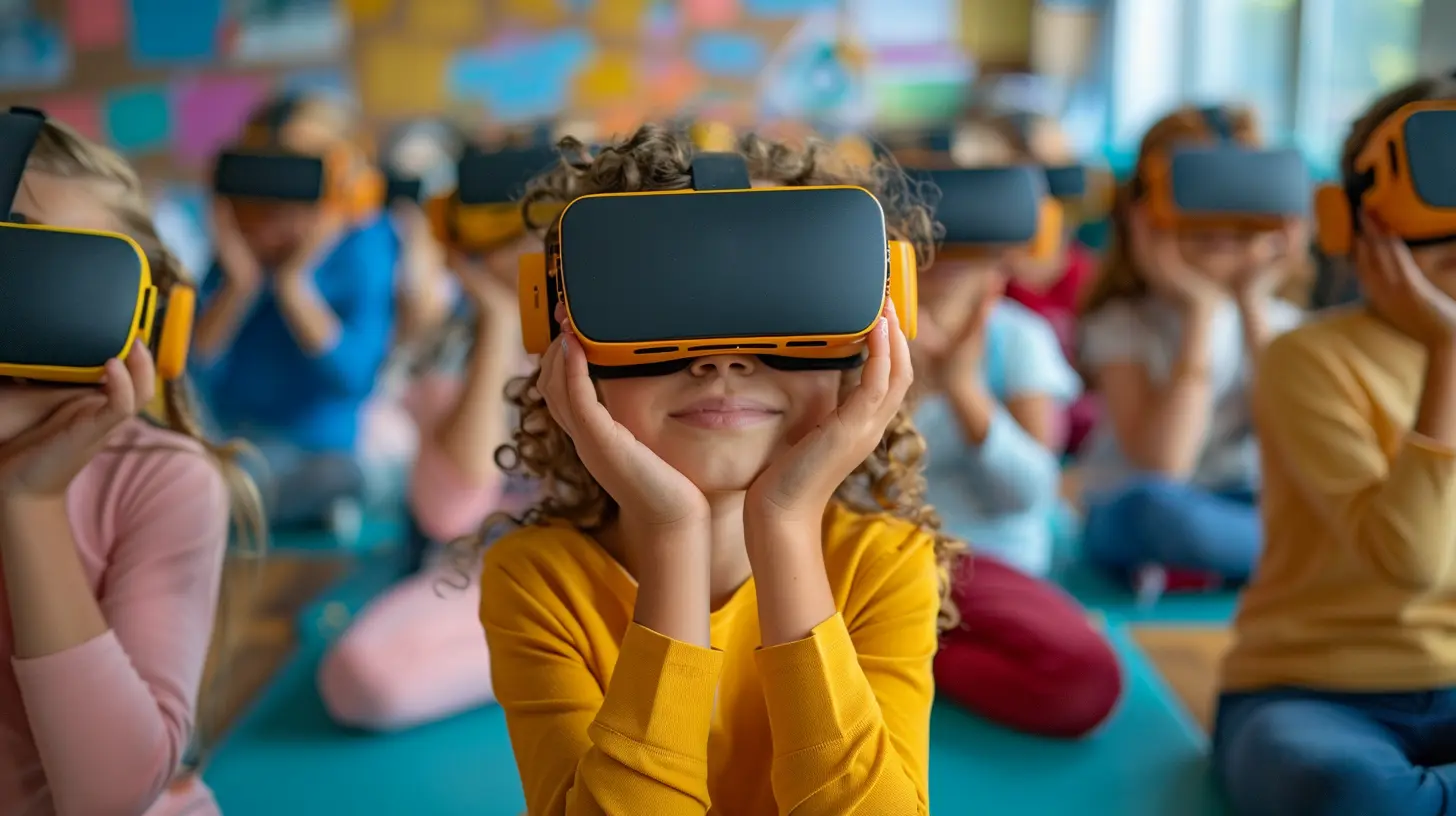
Practical Ways to Integrate Virtual Reality in the Classroom
Now that we know why VR is beneficial, the next challenge is integrating it effectively. It’s not about replacing traditional teaching methods but enhancing them. Here are some practical ways to incorporate VR into education:1. Virtual Field Trips
Taking students on field trips is an exciting way to learn, but logistics and costs can be a major barrier. VR solves this by bringing the world into the classroom. Students can visit museums, historical landmarks, even outer space—right from their desks. Apps like Google Expeditions and National Geographic VR provide guided virtual tours that make learning more dynamic.2. Immersive Science Experiments
Science labs can be expensive and sometimes dangerous. With VR, students can conduct physics experiments, explore chemical reactions, and even study human anatomy—all in a safe and controlled environment. Software like Labster offers life-like simulations that allow students to test hypotheses and analyze results in real-time.3. Learning Through Gamification
Let’s face it—students love games. VR-based learning games make education fun and engaging. Platforms like ClassVR and Engage offer subject-specific interactive experiences where students solve puzzles, complete challenges, and improve problem-solving skills while having a great time.4. Hands-on Training for Careers
For students in vocational training or higher education, VR provides real-world experience without the risks. Medical students can practice surgical procedures, engineering students can build complex structures, and pilots can train in realistic flight simulations. Industries are already using VR for employee training, so why not start in the classroom?5. Interactive Language Learning
Learning a new language requires immersion, but traveling to another country isn’t always realistic. VR language apps like Mondly VR allow students to converse in real-life settings, improving their speaking and comprehension skills. It’s like having a language tutor guiding you through real-world conversations.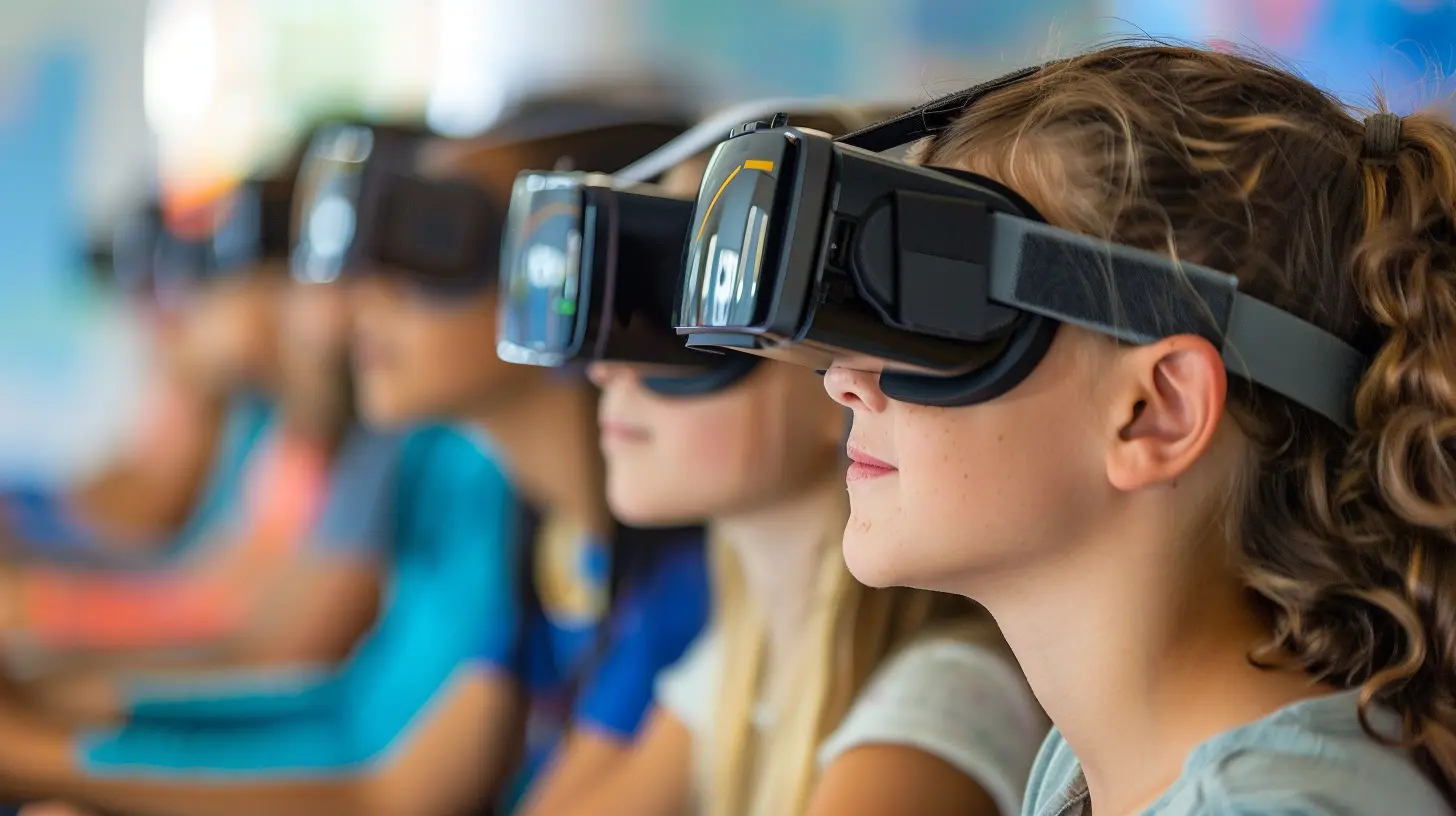
Overcoming Challenges in Adopting VR
Despite the many benefits, integrating VR into classrooms does come with challenges. However, they are not impossible to overcome.1. Cost Concerns
VR headsets and software can be expensive, but costs are gradually decreasing. Schools can start with affordable options like the Google Cardboard, which only requires a smartphone. Grants and educational funding programs are also available to support VR adoption in schools.2. Technical Limitations
Not every school has access to high-speed internet or the latest tech devices. One way to work around this is by using standalone VR devices that don’t require a computer or external hardware. Additionally, teachers should receive training to ensure they can effectively use VR tools in their lessons.3. Balancing Traditional and Digital Learning
While VR is an excellent tool, it should complement, not replace, traditional teaching methods. A blended learning approach—where VR enhances lectures, discussions, and hands-on activities—works best.4. Ensuring Student Safety and Well-being
Prolonged use of VR can cause motion sickness or eye strain for some students. Teachers should establish clear guidelines on usage time and ensure students take breaks. Choosing age-appropriate content is also crucial to maintaining a safe learning environment.The Future of Virtual Reality in Education
The use of VR in education is just getting started. As technology advances, the potential for more affordable and accessible VR experiences will grow. In a few years, we might see AI-powered VR tutors, fully immersive classrooms, and collaborative virtual schools where students from different parts of the world learn together in the same VR space.With the right approach, VR has the power to transform education, making learning more engaging, interactive, and effective than ever before. Schools that embrace this technology today will set their students up for success in tomorrow’s world.
Final Thoughts
Integrating virtual reality in classrooms isn’t just a trend—it’s the future of education. When used effectively, it enhances engagement, improves retention, and provides experiences that traditional teaching simply cannot. Yes, there are challenges, but with thoughtful implementation, the benefits far outweigh the drawbacks.If you’re a teacher or school administrator wondering whether to take the leap, the answer is clear: It’s time to bring learning to life with VR.
all images in this post were generated using AI tools
Category:
Classroom TechnologyAuthor:

Olivia Lewis
Discussion
rate this article
2 comments
Tessa Williams
Integrating virtual reality in classrooms enhances engagement, fosters immersive learning, and prepares students for a tech-driven future.
April 19, 2026 at 1:02 PM
Olivia Lewis
Absolutely, virtual reality offers an exciting way to bring lessons to life and keeps students actively involved. It's a game changer for education.
Bridget Wells
This article highlights the transformative potential of virtual reality in education, offering innovative strategies to enhance student engagement and foster immersive learning experiences in the classroom.
April 14, 2026 at 12:18 PM
Olivia Lewis
Thank you for your feedback! I'm glad you found the article insightful on the transformative role of virtual reality in education.