Learning Styles and Classroom Management: Finding Balance
3 December 2025
Education isn't a one-size-fits-all experience. Every student learns differently, and as educators, it's crucial to recognize and adapt to these differences. But how do you balance various learning styles while maintaining classroom control? That's where effective classroom management comes into play.
In this article, we'll dive into different learning styles, how they impact student engagement, and strategies to create a harmonious classroom where every learner thrives.

Understanding Learning Styles
Not all students absorb information the same way. Some prefer to see it, others need to hear it, and some learn best by doing. Understanding different learning styles can help teachers tailor their lessons for maximum impact.1. Visual Learners
These students process information best through images, charts, and diagrams. They tend to remember what they see rather than what they hear. If you’re explaining a complex concept, using infographics, slides, or videos can help visual learners grasp the material more effectively.Best Teaching Strategies for Visual Learners:
- Incorporate diagrams and charts in lessons- Use color coding to highlight key points
- Encourage mind mapping and graphic organizers
- Show educational videos or animations
2. Auditory Learners
Auditory learners retain information better through listening. They benefit from lectures, discussions, and verbal instructions. Group discussions and storytelling can be powerful tools for these students.Best Teaching Strategies for Auditory Learners:
- Use storytelling or verbal explanations- Encourage discussions and debates
- Allow students to read aloud
- Use podcasts and audiobooks as supplementary materials
3. Kinesthetic Learners
These learners understand concepts best through movement and hands-on activities. They tend to fidget when sitting still for too long and often excel in subjects that involve physical engagement.Best Teaching Strategies for Kinesthetic Learners:
- Incorporate hands-on experiments and activities- Use role-playing or dramatization
- Allow movement breaks during lessons
- Implement interactive learning tools like puzzles or models
4. Reading/Writing Learners
These students prefer to engage with text—whether it’s reading content or writing their own notes. They thrive on written instructions, lists, and detailed explanations.Best Teaching Strategies for Reading/Writing Learners:
- Provide written summaries and notes- Encourage journaling and essay writing
- Assign reading comprehension activities
- Use textbooks and handouts as primary learning resources

Classroom Management Strategies for Diverse Learners
Balancing different learning styles in a single classroom requires flexibility and creativity. A well-managed classroom allows every student to feel engaged and comfortable while maintaining structure and discipline. Let's explore some effective strategies.1. Differentiated Instruction
This approach involves tailoring instruction to accommodate different learning styles. Instead of teaching one way, present information using a variety of methods. For example, explain a concept verbally while displaying a visual diagram and providing a written summary.2. Flexible Seating Arrangements
Not all students work best at a traditional desk. Some may focus better while sitting on a cushioned floor seat, others might need to stand. Creating a flexible seating arrangement allows students to choose a learning space that works best for them.3. Engaging Multiple Senses
The most effective lessons engage multiple senses—sight, sound, and touch. Incorporating multimedia, hands-on activities, and interactive discussions can make learning more dynamic and inclusive.4. Classroom Routine and Structure
While flexibility is important, maintaining a routine is just as crucial for classroom control. A well-structured environment helps students feel secure and know what to expect. Consistent rules and expectations create a balance between freedom and discipline.5. Technology Integration
Technology can be a powerful tool for catering to different learning styles. For example:- Visual learners benefit from videos and animations
- Auditory learners can use podcasts and voice notes
- Kinesthetic learners enjoy interactive simulations
- Reading/writing learners can utilize e-books and digital note-taking apps
6. Encouraging Collaboration
Group activities allow students to learn from one another, adapting their understanding to different perspectives. For example, a group project involving both visuals and verbal presentations benefits multiple learning styles at once.7. Providing Choices
Allowing students to choose how they demonstrate their understanding can be a game-changer. Some might choose to create a slideshow, while others might prefer to write an essay or perform a skit. Giving options empowers students to succeed in their preferred learning style.
The Challenge: Striking the Right Balance
While accommodating different learning styles, it's important not to lose sight of classroom control. Too much flexibility can lead to chaos, while too much structure may stifle creativity. So, how do you strike the right balance?1. Set Clear Expectations: Let students know what behaviors are acceptable and what isn’t.
2. Be Adaptive, but Consistent: Adjust teaching methods when necessary, but maintain classroom routines.
3. Use Positive Reinforcement: Reward engagement and participation to encourage learning.
4. Monitor Classroom Dynamics: Pay attention to how students interact and adjust strategies as needed.
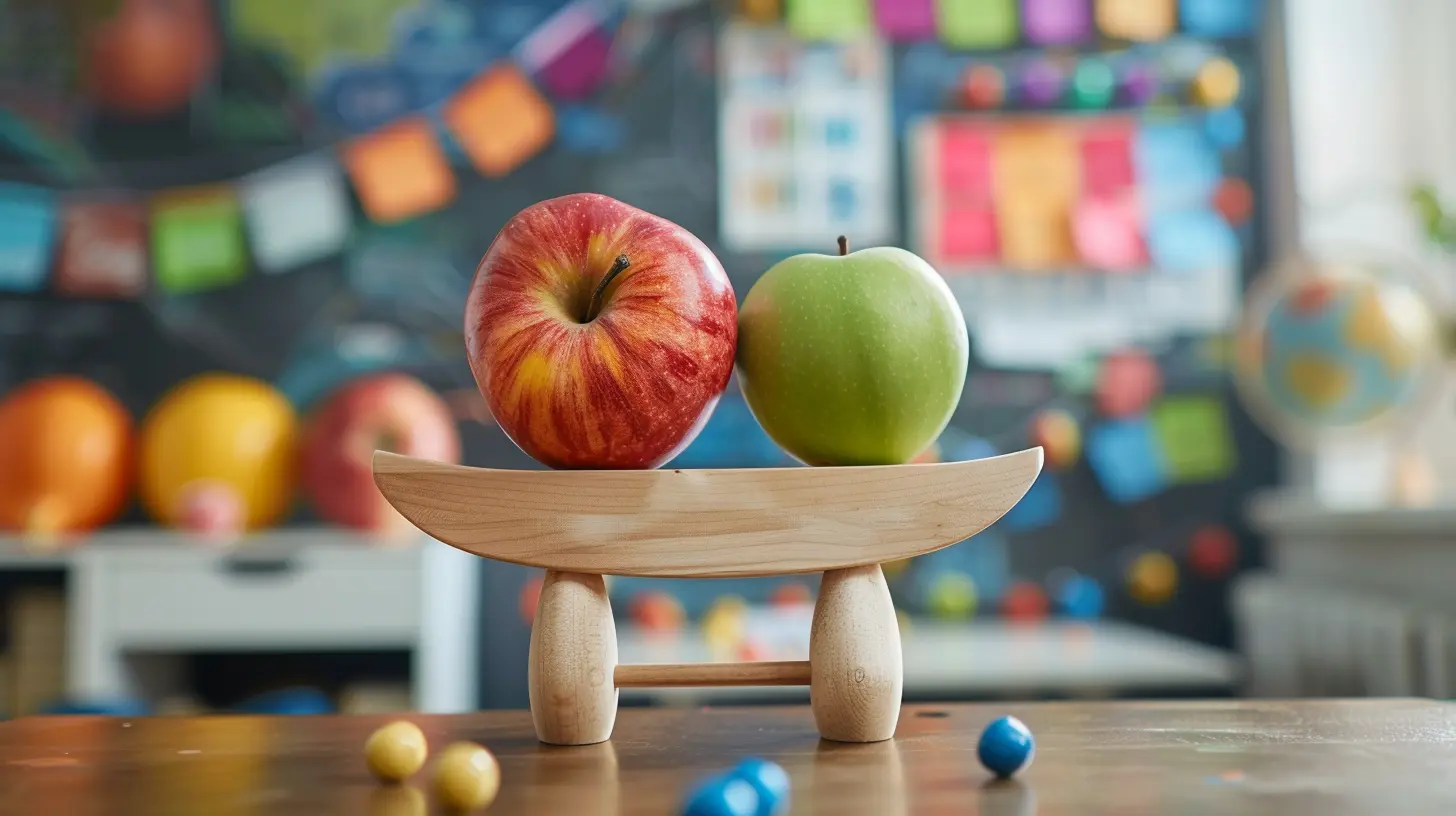
Conclusion
Understanding and implementing different learning styles in the classroom isn’t just a teaching strategy—it’s a way to foster student engagement and success. But without effective classroom management, even the best teaching methods can fall flat. The real challenge lies in striking a balance between flexibility and structure, ensuring that all learners feel supported while maintaining a dynamic, well-managed environment.By using differentiated instruction, encouraging collaboration, and integrating multiple teaching methods, teachers can create an inclusive classroom where every student thrives. At the end of the day, the goal isn’t just to teach—but to help students truly absorb and apply what they’ve learned.
all images in this post were generated using AI tools
Category:
Learning StylesAuthor:

Olivia Lewis
Discussion
rate this article
2 comments
Tracie Roberson
Absolutely loved this article! It brilliantly highlights the importance of embracing diverse learning styles while maintaining effective classroom management. A perfect balance leads to happy, engaged students—what a win! 🌟
December 21, 2025 at 1:12 PM
Olivia Lewis
Thank you for your kind words! I’m glad you resonated with the balance between diverse learning styles and effective management. Engaging students is key! 🌟
Adria Vaughn
This article effectively highlights the need for a balanced approach to learning styles and classroom management, emphasizing that understanding individual differences can enhance engagement and optimize educational outcomes.
December 16, 2025 at 3:34 AM
Olivia Lewis
Thank you for your insightful comment! I’m glad you found the article helpful in addressing the importance of understanding individual differences in education.