Preparing Teachers for the Smart Classrooms of 2027
19 May 2026
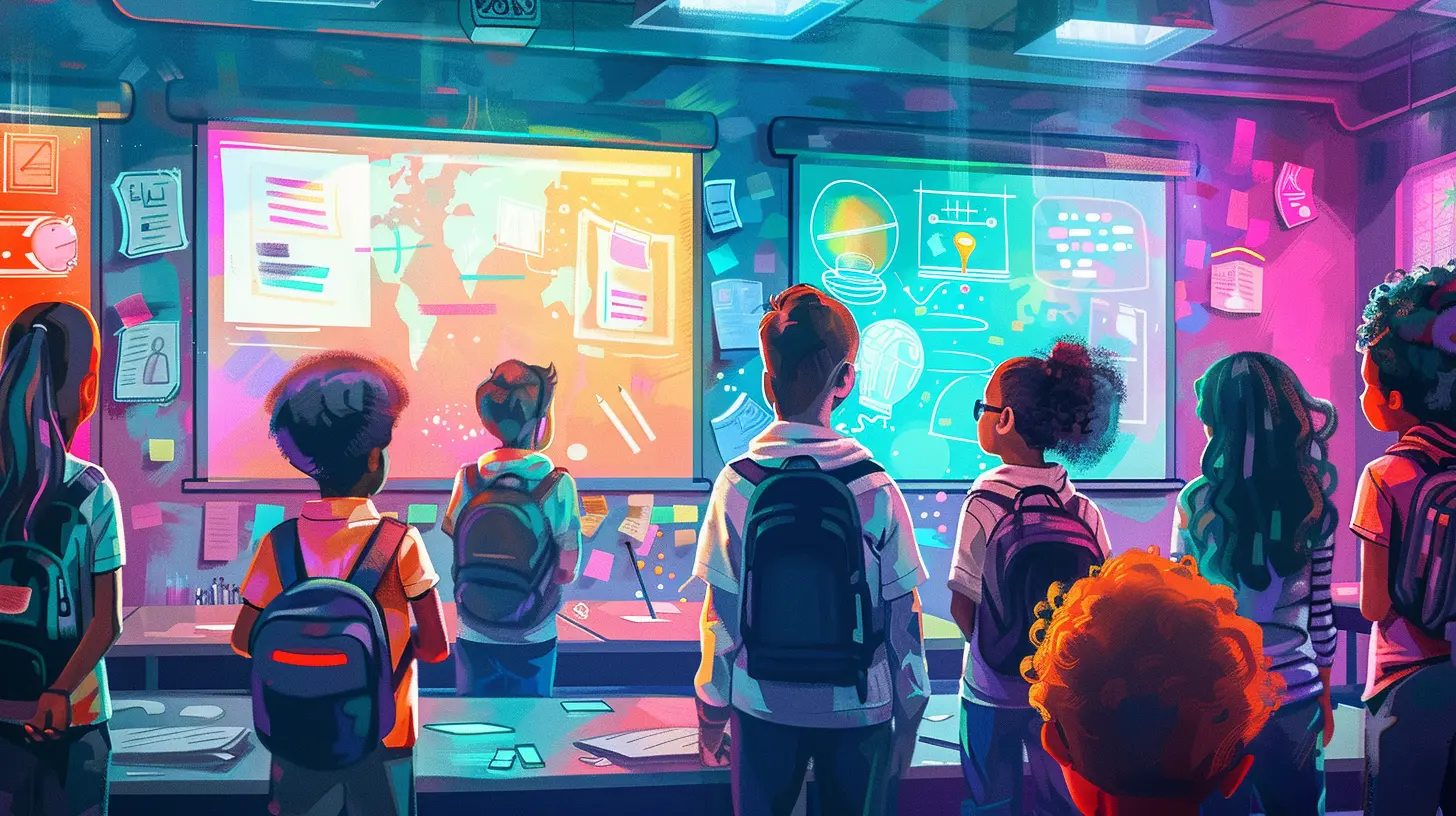
Picture this: It's a Tuesday morning in 2027, and a teacher walks into a classroom that looks nothing like the one you remember from school. There are no chalkboards, no rows of desks facing a podium, and definitely no dusty overhead projectors. Instead, the walls are interactive displays that can shift from a rainforest canopy to a medieval castle with a voice command. Students are wearing lightweight AR glasses, and the lesson plan is being adjusted in real time by an AI assistant that noticed half the class got confused by yesterday's algebra quiz.
Sounds like science fiction, right? But here's the thing-this reality is barreling toward us faster than most schools are ready for. And if we're going to be honest, the biggest challenge isn't the technology itself. It's getting the people standing at the front of the room ready to use it.

Why the Old Training Models Don't Work Anymore
Let's be real for a second. For decades, teacher training has followed a pretty predictable pattern. You get a degree, maybe attend a few workshops on new teaching methods, and then you're basically left to figure things out on your own. That model worked fine when classrooms changed slowly. A blackboard in 1980 wasn't that different from a whiteboard in 2000.But the smart classroom of 2027? It's a whole different animal.
We're talking about environments where data flows like water. Where every student interaction generates information-who's paying attention, who's struggling, who's racing ahead. The teacher's role shifts from being the sole source of knowledge to being a facilitator, a guide, and sometimes even a co-learner. You can't just hand someone a tablet and say "good luck" anymore.
Think of it like this: If you gave a 19th-century farmer a modern tractor but never taught them how to operate it, they'd probably crash into a barn. Same goes for teachers and smart classrooms. The technology is powerful, but without proper preparation, it's just expensive equipment gathering dust.
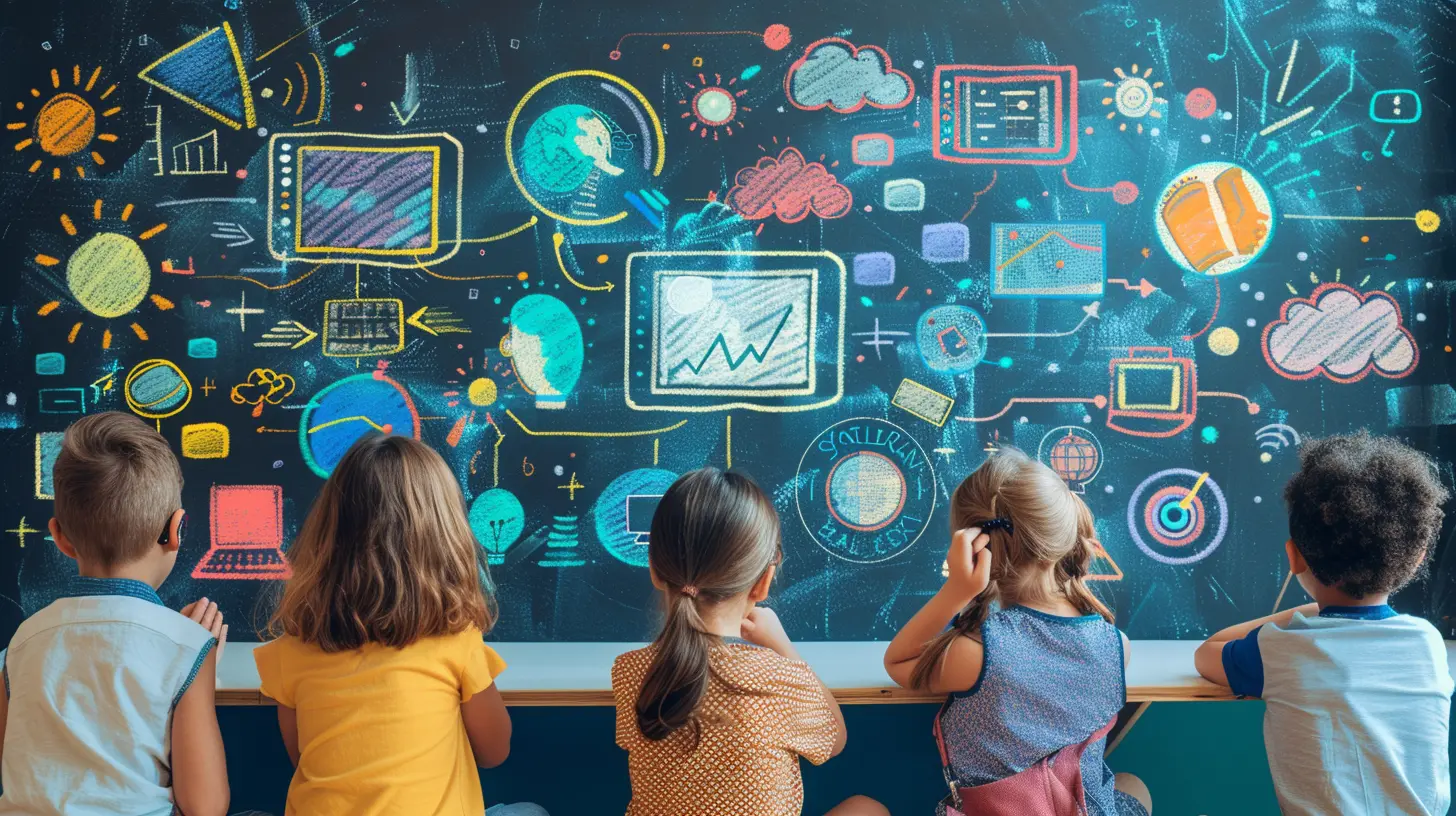
The Human Element in a High-Tech Room
Here's a truth that sometimes gets lost in all the excitement about AI and augmented reality: Technology is a tool, not a replacement for great teaching. The best smart classroom in the world is useless if the teacher doesn't know how to build relationships with students, foster curiosity, or manage group dynamics.I've seen schools that spent millions on interactive whiteboards and VR headsets, only to find that teachers used them as glorified projectors because nobody showed them how to integrate the tools into their actual lessons. That's like buying a Ferrari and only driving it to the grocery store once a week.
So when we talk about preparing teachers for 2027, we're really talking about a mindset shift. It's not about turning every educator into a tech wizard. It's about giving them the confidence to experiment, the skills to troubleshoot, and the wisdom to know when to put the screens away and just have a conversation.
What Skills Will Teachers Actually Need?
Let's break this down into practical chunks. Because "preparing for the future" sounds great, but what does it actually mean on the ground?Digital Fluency, Not Just Literacy
There's a big difference between knowing how to use an app and understanding how to leverage digital tools for learning. By 2027, teachers will need to be comfortable with things like learning management systems that use predictive analytics, AI-powered grading tools that give instant feedback, and platforms that allow for real-time collaboration across continents.But here's the key: They don't need to be programmers. They need to be curious enough to try new things and humble enough to learn alongside their students. The smartest teachers I know are the ones who say, "I don't know how to do that, but let's figure it out together."
Data Interpretation Skills
This one's a biggie. Smart classrooms generate mountains of data. Attendance patterns, quiz scores, engagement metrics, even biometric data from wearable devices. A teacher in 2027 will need to look at this information and ask the right questions: Why did engagement drop during the third period? Is this student struggling because of the material or because they didn't sleep last night? Should I slow down the lesson or offer enrichment for the students who are ahead?It's not about becoming a data scientist. It's about developing a sixth sense for what the numbers are telling you about the humans in your room.
Flexibility and Adaptability
If 2020 taught us anything, it's that the best-laid plans can go up in smoke overnight. The smart classrooms of 2027 will be even more dynamic. New tools will appear. Old ones will become obsolete. AI systems will update and change how they work. Teachers who thrive in this environment will be the ones who can pivot without panicking.I like to think of it as teaching with a jazz mentality. You've got a structure, you know the key changes, but you're ready to improvise when the moment calls for it.
Emotional Intelligence on Steroids
Here's the paradox of high-tech classrooms: The more technology we have, the more important human connection becomes. Students can get personalized lessons from an AI tutor at home. They can watch perfect video explanations on YouTube. What they can't get from a machine is someone who notices they're having a rough day, who celebrates their small victories, who holds them accountable with kindness.Teachers in 2027 will need to be masters of emotional intelligence. They'll need to read the room-both physical and virtual-and respond with empathy. That's a skill no algorithm can replicate.

Rethinking Professional Development
Okay, so we know what skills are needed. But how do we actually train teachers to develop them? The old model of one-size-fits-all workshops on a random Tuesday afternoon isn't going to cut it.Micro-Learning and Just-in-Time Training
Instead of making teachers sit through a three-hour seminar on "The Future of EdTech," why not give them short, practical modules they can access when they actually need them? Got a new AR tool for your science class? Here's a 10-minute video that shows you exactly how to set it up and use it. Struggling with the analytics dashboard? Here's a quick interactive tutorial.The idea is to meet teachers where they are, not where we think they should be. It's like having a GPS instead of a paper map. You don't need to know the whole route upfront. You just need to know the next turn.
Coaching and Mentorship Programs
Reading about something and actually doing it are two very different things. That's why I'm a huge fan of coaching models for teacher training. Pair experienced teachers with tech-savvy mentors who can observe their classes, offer feedback, and help them troubleshoot in real time.Think of it like an apprenticeship for the digital age. You wouldn't expect a surgeon to learn a new procedure just by reading a manual. They watch, they practice, they get feedback. Teachers deserve the same level of support.
Sandbox Environments
This is one of my favorite ideas. Create a low-stakes space where teachers can play with new technology without the pressure of getting it right in front of students. A "smart classroom sandbox" where they can test out VR lessons, experiment with AI tools, and even make mistakes.Because here's the thing: If you're not making mistakes, you're probably not learning. Teachers need permission to fail, to try again, and to discover what works for their unique teaching style.
The Role of Teacher Education Programs
Colleges and universities that train new teachers have a huge responsibility here. If they're still teaching methods that were popular in 2010, they're setting their graduates up for a rude awakening.Rethinking the Curriculum
Teacher prep programs need to integrate technology training throughout the entire curriculum, not just as a standalone course. Every class on lesson planning, classroom management, and assessment should include a digital component. How do you design a lesson that uses AI tools? How do you manage behavior when half your students are in VR? How do you assess learning when students can access any information instantly?These aren't niche questions. They're the new normal.
Partnerships with Tech Companies
I'm not suggesting that universities become corporate shills. But smart partnerships can give future teachers hands-on experience with the tools they'll actually use. Imagine a student teacher spending a semester working with a company that develops educational AI, learning how the technology is built and what its limitations are.That kind of real-world exposure is worth more than a hundred theoretical lectures.
Emphasis on Lifelong Learning
The most important thing we can teach new teachers is that their education doesn't end when they get their diploma. The smart classroom of 2027 will look different from the smart classroom of 2029. The tools will change. The best practices will evolve. Teachers who see themselves as lifelong learners will not only survive but thrive.
Overcoming Resistance and Fear
Let's address the elephant in the room. A lot of teachers are scared of this future. They've seen technology promised as a silver bullet before, only to watch it become another burden. They're worried about being replaced by AI. They're tired of being asked to do more with less.Those fears are valid. And if we're serious about preparing teachers for 2027, we need to address them head-on.
Addressing the "AI Will Replace Teachers" Myth
First, let's be clear: AI is not coming for your job. It's coming for the parts of your job that are repetitive and administrative. Grading multiple-choice quizzes? Let the computer handle that. Analyzing data to find patterns? AI can do that faster. But building relationships, inspiring curiosity, and helping a struggling student feel seen? That's all you, baby.The teachers who will be most valuable in 2027 are the ones who lean into their humanity. The ones who use technology to amplify their impact, not to replace it.
Giving Teachers a Voice in the Process
Here's a radical idea: Ask teachers what they need before you buy the technology. Too many schools invest in flashy tools without consulting the people who will actually use them. Then they wonder why adoption rates are low.When teachers feel like they have ownership over the process, they're much more likely to embrace change. Let them be part of the decision-making. Let them pilot new tools. Let them share their successes and failures with their colleagues.
Providing Adequate Support and Resources
This one's simple but often ignored. You can't expect teachers to master smart classroom technology if they don't have reliable internet, working devices, and technical support. I've heard horror stories of teachers spending hours trying to get a system to work, only to give up because the IT department was understaffed.If you want teachers to use technology effectively, you need to invest in the infrastructure that makes it possible. That means fast Wi-Fi, regular maintenance, and a help desk that actually helps.
A Glimpse Into the Classroom of 2027
Let's paint a picture of what a well-prepared teacher might look like in 2027.Ms. Rodriguez walks into her classroom at 7:45 AM. Her AI assistant has already analyzed last night's homework and identified three students who are struggling with quadratic equations. She pulls up a quick video tutorial for them and schedules a small group session during afternoon office hours.
The first lesson of the day is a history simulation. Students put on their AR headsets and find themselves walking through the streets of ancient Rome. Ms. Rodriguez monitors their progress on her tablet, noting who's asking questions and who's just wandering around. She drops a virtual note to one student who seems disengaged, asking if they need help.
During a break, she checks the classroom analytics dashboard. The data shows that her third-period class is far more engaged with visual content than text-based material. She adjusts her lesson plan for tomorrow accordingly.
At lunch, she joins a virtual professional development session with teachers from three other countries. They share tips on using AI for differentiated instruction. She jots down notes and plans to try one of the strategies next week.
After school, she meets with a mentor teacher to discuss a challenging student situation. The mentor suggests using the school's new social-emotional learning platform to track the student's mood patterns. Ms. Rodriguez agrees to give it a try.
Does this sound like a lot? It is. But it's also incredibly rewarding. Because Ms. Rodriguez isn't just delivering content. She's orchestrating a learning environment that adapts to each student's needs. She's using data to inform her decisions. She's collaborating with colleagues around the world. And most importantly, she's still the heart of her classroom.
The Bottom Line
Preparing teachers for the smart classrooms of 2027 isn't about buying the latest gadgets or forcing everyone to become a tech expert. It's about creating a culture of continuous learning, support, and trust. It's about recognizing that the most important piece of technology in any classroom is still the human being standing at the front of it.We need to give teachers the tools, the training, and the time to adapt. We need to listen to their concerns and address their fears. And we need to remember that technology should serve learning, not the other way around.
The smart classrooms of 2027 are coming. Let's make sure our teachers are ready to shine in them.
all images in this post were generated using AI tools
Category:
Education And TechnologyAuthor:

Olivia Lewis
Discussion
rate this article
1 comments
Vivian Riggs
Preparing teachers for the future is crucial. Smart classrooms can enhance learning, but educators need proper training and support to make it happen.
May 27, 2026 at 11:37 AM
Olivia Lewis
Absolutely, investing in teacher training and support is key to fully utilizing smart classrooms. The right preparation can transform learning experiences for both educators and students.