Promoting Inclusivity Through SEL in the Classroom
3 March 2026
Ah, inclusivity—everyone's favorite buzzword. But let’s be honest, slapping a diversity poster on a classroom wall and calling it a day isn’t exactly groundbreaking. If we genuinely want to promote inclusivity, we need something deeper, something that actually works. Enter Social-Emotional Learning (SEL), the unsung hero of education that deserves more credit than it gets.
So, buckle up! We’re diving into how SEL can turn classrooms into havens of acceptance, understanding, and—dare I say—emotional intelligence. Grab your metaphorical popcorn because this is about to get interesting. 
What Exactly Is SEL, and Why Should You Care?
For the uninitiated, Social-Emotional Learning (SEL) isn’t just some fluffy, feel-good concept that schools toss around to sound progressive. It’s a legit, research-backed approach that helps students develop skills like self-awareness, empathy, and emotional regulation.Think of SEL as the secret sauce that turns students into well-rounded, emotionally intelligent humans instead of ticking time bombs of frustration. Without SEL, you might as well prepare for a classroom full of future reality TV contestants—dramatic, impulsive, and lacking self-control.
The Five Core Components of SEL (a.k.a. The Fantastic Five)
To make SEL work, we focus on five core competencies:1. Self-Awareness – Because if you can't recognize your own emotions, you're basically a robot.
2. Self-Management – AKA: Not throwing a fit when someone takes the last slice of pizza.
3. Social Awareness – Understanding that other people also have feelings (shocking, right?).
4. Relationship Skills – Learning how to communicate like a human instead of a malfunctioning chatbot.
5. Responsible Decision-Making – Making choices based on logic, not just vibes.
Add these together, and you’ve got the perfect recipe for students who can navigate the real world without causing unnecessary chaos. 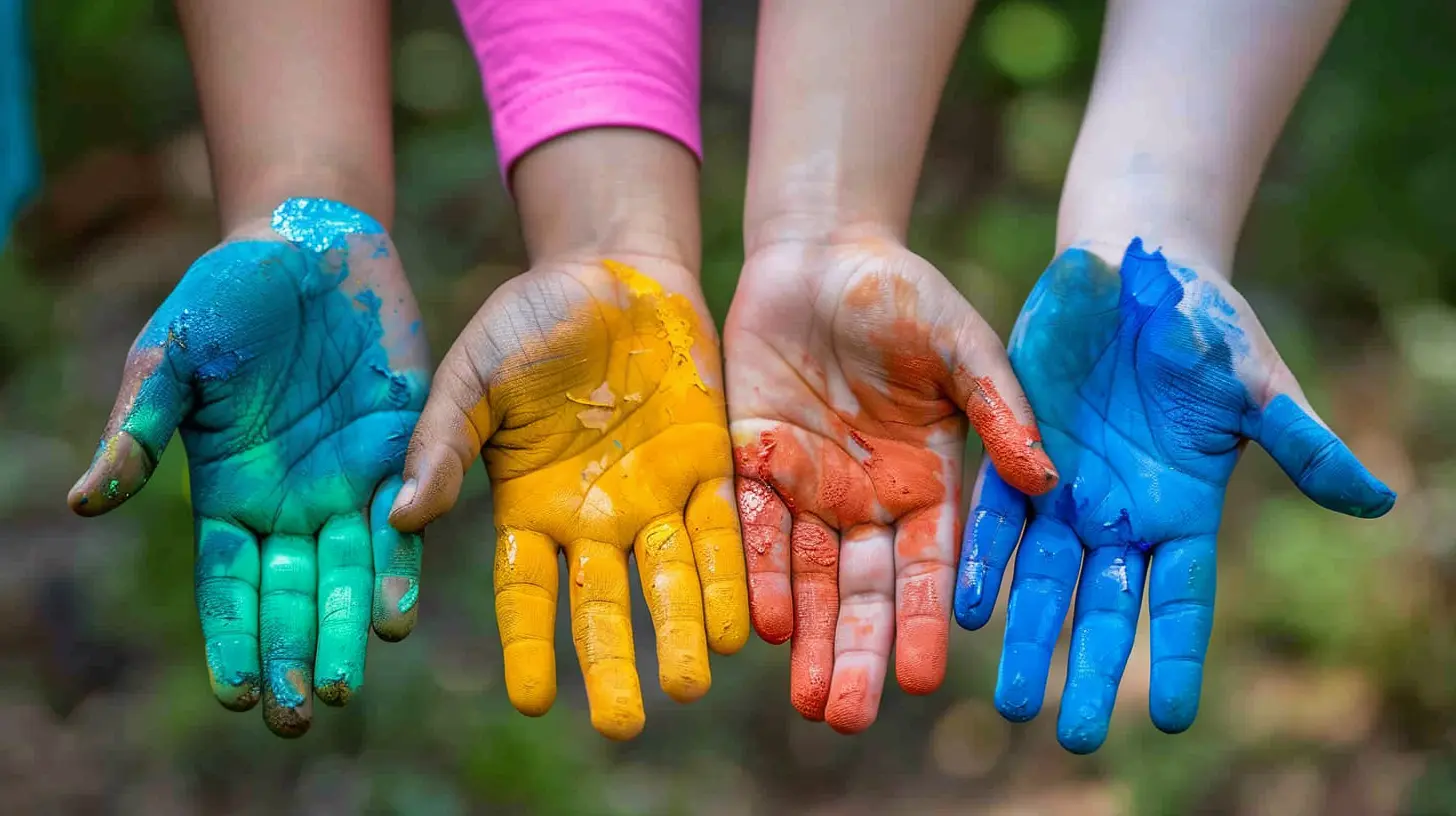
Why SEL Is the Golden Ticket to Inclusivity
Now, let's get to the juicy part—how SEL makes classrooms more inclusive. Spoiler alert: It’s not magic. It’s just good teaching.1. SEL Tackles Bias Like a Pro
We all have biases (yes, even you). SEL helps students recognize and challenge their unconscious biases by teaching them to see things from different perspectives. Instead of making snap judgments, they actually pause and think—wild concept, right?Imagine a world where kids don’t immediately judge each other based on appearance, background, or quirks. That’s what SEL helps create. It’s like giving students emotional glasses that let them see beyond surface-level differences.
2. It Creates an Emotionally Safe Environment
What’s the point of promoting inclusivity if students feel too anxious to speak up? SEL ensures that classrooms become judgment-free zones where kids aren’t afraid to express themselves.When students feel secure, they're more likely to participate, share their perspectives, and—oh, I don’t know—actually enjoy learning. Shocking, I know.
3. Teaches Empathy Instead of Just Talking About It
Telling students to “be kind” is about as effective as telling a cat to stop knocking things off the counter. To build real empathy, you need to show students how to step into someone else’s shoes.SEL teaches empathy through activities like role-playing, storytelling, and discussions that encourage students to see the world from different viewpoints. The result? A classroom where students actually understand each other instead of just pretending they do. 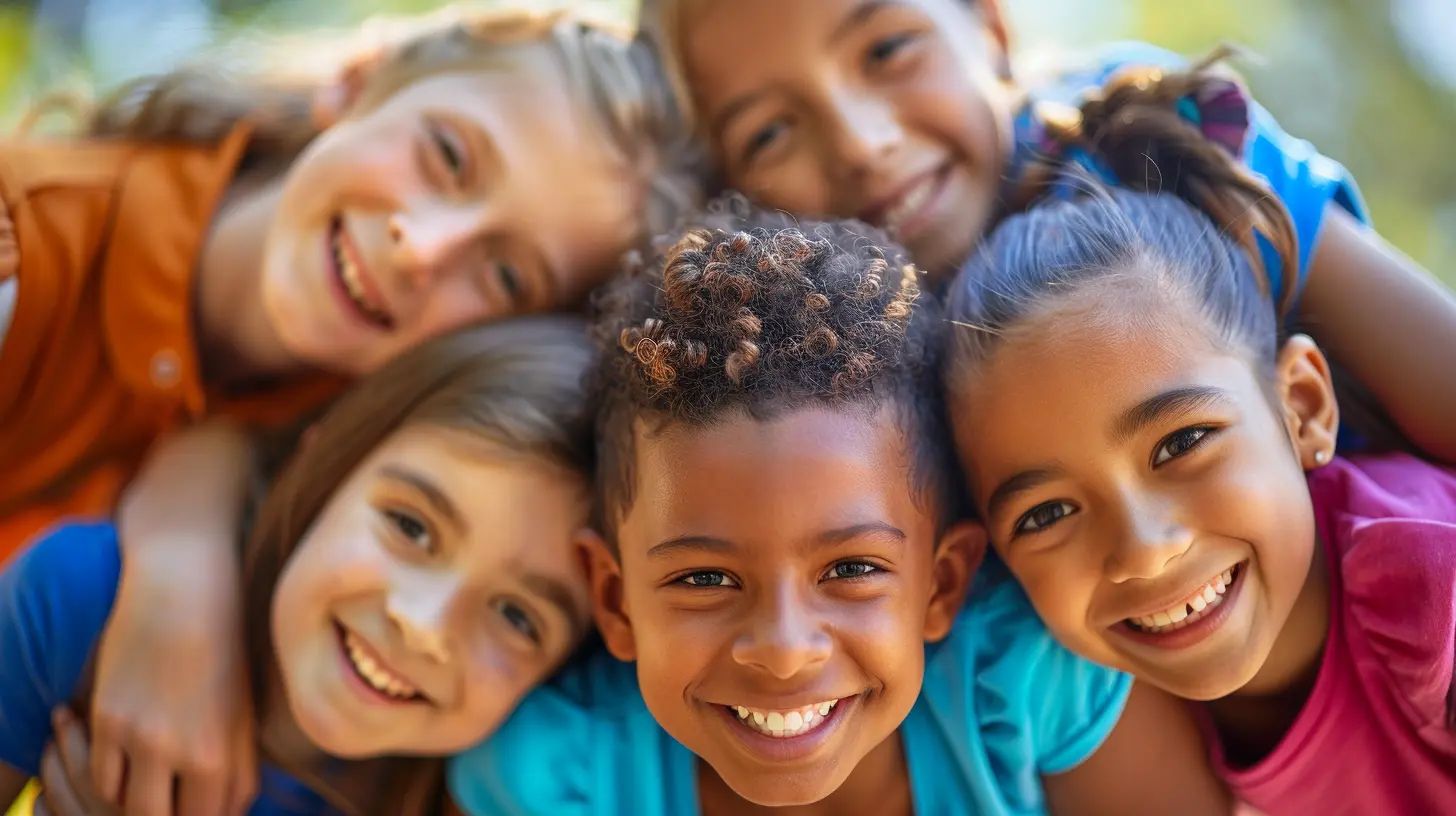
How to Implement SEL Without Losing Your Sanity
Great, SEL sounds amazing. But how do you actually incorporate it without turning your lessons into endless therapy sessions? Here are some battle-tested strategies:1. Morning Check-Ins: Because Feelings Matter
Instead of jumping straight into algebra, start the day with a quick emotional check-in. Ask students simple questions like:- “How are you feeling today, really?”
- “What’s one thing on your mind?”
- “If your mood were a weather forecast, what would it be?”
This not only helps students acknowledge their emotions but also gives you insight into who might need a little extra support that day.
2. Encourage Open Discussions (Without It Turning Into Chaos)
Create a space where students can openly discuss topics like cultural differences, stereotypes, and emotional struggles. But—and this is key—set clear ground rules. We’re aiming for thoughtful discussions, not full-scale debates that end in slammed doors.Guiding questions like “How would that make you feel?” or “Why do you think they see it that way?” help students dig deeper instead of just arguing.
3. Normalize Mistakes and Growth Mindsets
Mistakes are part of learning. Yet, too often, students fear making them because of embarrassment or judgment. SEL encourages a growth mindset—one that sees mistakes as stepping stones rather than failures.So, the next time a student gets something wrong and looks like they want the earth to swallow them whole, remind them: “Even Einstein made mistakes. You’re in good company.” 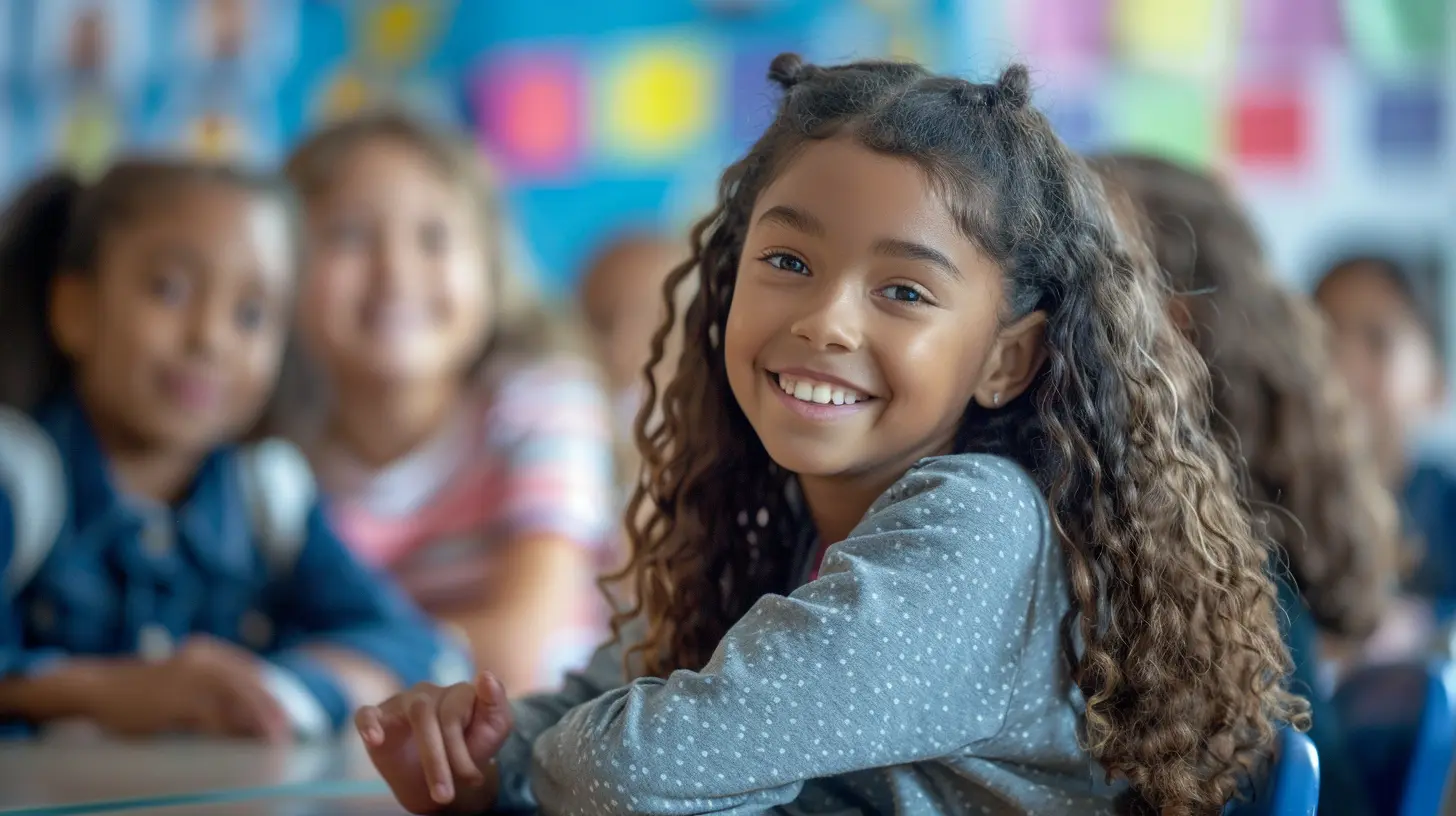
SEL in Action: Success Stories That Prove It Works
Still not convinced? Let’s talk real-world examples.Case Study #1: The Silent Student Who Found Their Voice
There was once a student who barely spoke in class, always keeping to themselves. Traditional teaching methods did nothing to bring them out of their shell. Then, the teacher introduced SEL techniques—daily emotions check-ins, partner discussions, and self-reflection activities.Fast forward six months, and that same student was leading group discussions, sharing insights, and actually participating. SEL didn't just teach them emotional intelligence—it gave them confidence.
Case Study #2: From Bullies to Buddies
A classroom plagued by constant bickering, cliques, and bullying—sound familiar? Teachers who implemented SEL activities like empathy exercises and group problem-solving noticed drastic shifts.Suddenly, students were resolving conflicts maturely instead of turning minor disagreements into full-fledged wars. Who knew that understanding emotions could prevent unnecessary drama?
Final Thoughts: SEL Is Not Just a Trend—It’s a Necessity
At the end of the day, SEL isn’t just another educational trend that’ll fizzle out like fidget spinners. It’s the foundation of building an inclusive classroom where students feel seen, heard, and valued.Instead of treating inclusivity like an abstract ideal, SEL makes it tangible. It takes the classroom from just a place of academic learning to an environment where students grow as humans.
So, the next time someone asks, “Why bother with SEL?”—you can confidently say, “Because a world full of emotionally intelligent, empathetic people sounds way better than the alternative.
all images in this post were generated using AI tools
Category:
Social Emotional LearningAuthor:

Olivia Lewis
Discussion
rate this article
2 comments
Zephyrae Baxter
Incorporating Social Emotional Learning (SEL) is not just an option; it's a necessity. It’s time to dismantle barriers and embrace every student's individuality. We must unapologetically champion inclusivity in our classrooms, empowering all voices to thrive. The future of education depends on it—no compromises, just action!
March 14, 2026 at 5:41 AM
Olivia Lewis
Absolutely! Embracing SEL is essential for fostering an inclusive environment where every student can thrive. Let's prioritize action for a brighter educational future!
Georgina Reed
Integrating SEL fosters empathy and collaboration, essential for a truly inclusive educational environment.
March 13, 2026 at 4:07 AM
Olivia Lewis
Thank you! I completely agree—SEL is crucial for building empathy and collaboration, laying the foundation for an inclusive classroom where all students thrive.