SEL for Early Childhood: Laying the Foundation for Lifelong Skills
22 February 2026
Social and emotional learning (SEL) is more than just a trendy buzzword in the education space. It's a critical component of early childhood development that empowers kids to navigate the complex world of emotions, relationships, and decision-making. The thing is, SEL isn't just about kids learning how to manage their feelings for a smoother day at kindergarten. When done effectively, it lays the groundwork for lifelong skills that help children thrive in school, work, and life.
In this article, we’ll dive deep into what SEL looks like for young children, why it’s so important, and how parents, teachers, and caregivers can help nurture these essential skills from an early age.
What Is Social and Emotional Learning (SEL)?
Before we dive into the "why," let's be clear about the "what."Social and Emotional Learning (SEL) refers to the process of developing skills that allow individuals to understand and manage their emotions, set positive goals, show empathy for others, maintain healthy relationships, and make responsible decisions. It’s not just about teaching kids to say “please” and “thank you”; it’s about helping them build the emotional intelligence they'll need throughout their lives.
The framework for SEL typically revolves around five core competencies:
1. Self-awareness: Recognizing and understanding one's own emotions.
2. Self-management: Controlling one's emotions and behaviors in different situations.
3. Social awareness: Understanding and empathizing with others.
4. Relationship skills: Building healthy relationships through effective communication and collaboration.
5. Responsible decision-making: Making choices that are ethical and constructive.
Now, let’s explore how these skills can be nurtured in early childhood to set the stage for future success.
Why Is SEL Important in Early Childhood?
Picture this: A child who can identify when they’re feeling frustrated and knows how to calm themselves down is going to have a much easier time in school than a child who doesn't have those skills. In fact, research has shown that kids with strong SEL skills typically perform better academically, have more positive relationships, and are more likely to succeed in life.But why focus on early childhood?
Well, the brain goes through rapid development in the first few years of life. This is a crucial time when children are learning how to interact with the world and the people around them. It’s during this period that they start to develop the foundational skills they’ll need for emotional regulation, problem-solving, and social interactions.
Early Experiences Shape Lifelong Behaviors
Think of a young child’s brain as a sponge, soaking up everything around them. Early experiences—good or bad—can have a lasting impact on how they view the world and their place in it. Children who are given the tools to manage their emotions and interact positively with others are far more likely to carry those skills into adulthood.Setting Children Up for Success
Children with strong SEL skills are better equipped to handle the everyday challenges of life. They’re more adaptable, resilient, and able to form meaningful relationships. Whether it’s dealing with a conflict on the playground or navigating group projects in high school, SEL provides the tools needed for lifelong success.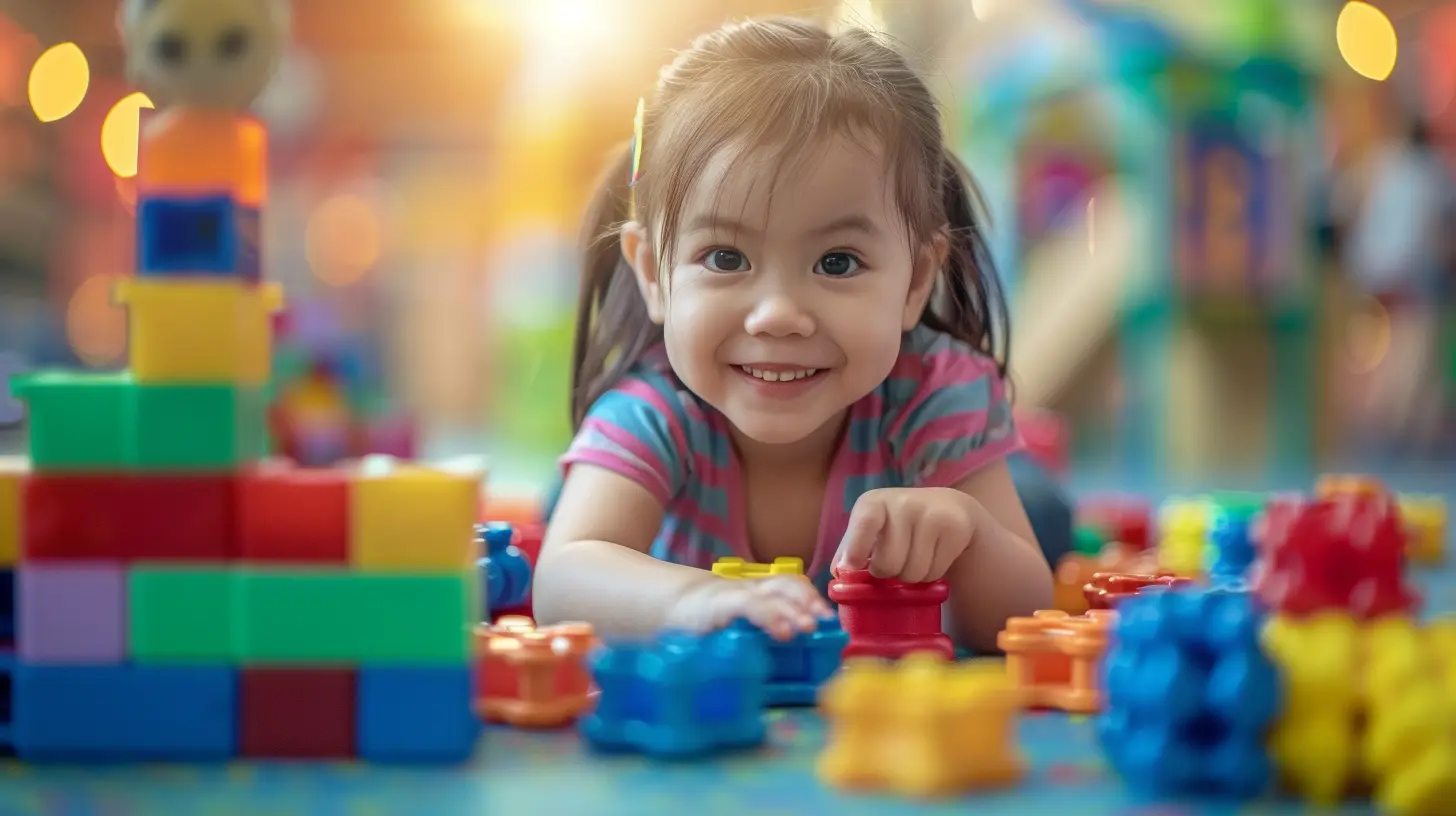
The Five Core Competencies of SEL in Early Childhood
To really understand how SEL works in early childhood, let's break down the five core competencies and see what they look like in action for young kids.1. Self-Awareness
Self-awareness in young children is all about recognizing and naming emotions. For example, a preschooler might be able to say, "I'm feeling mad because my friend took my toy," instead of acting out or throwing a tantrum.How to Foster Self-Awareness:
- Label emotions: Help children identify their feelings by labeling emotions for them. “It looks like you’re feeling sad because it’s time to leave the park.”- Use mirrors: Mirrors can be a fun tool for children to observe their facial expressions and connect them with emotions.
- Read books about feelings: Stories that highlight different emotions can help kids understand and identify their own feelings.
2. Self-Management
Once children are aware of their emotions, the next step is learning how to manage them. Self-management involves controlling impulses, managing stress, and staying focused.How to Foster Self-Management:
- Model calm behavior: Kids learn by watching. If they see you take a few deep breaths when you’re angry, they’re more likely to do the same.- Practice mindfulness: Simple breathing exercises or calming routines can help children learn how to regulate their emotions.
- Create a “calm-down corner”: A quiet, comfortable space where a child can go to relax when they’re feeling overwhelmed can make all the difference.
3. Social Awareness
Social awareness involves understanding and empathizing with others. In early childhood, this could be as simple as a child noticing that their friend is sad and offering a toy to cheer them up.How to Foster Social Awareness:
- Teach empathy through play: Encourage role-playing activities where children can practice putting themselves in someone else’s shoes.- Discuss feelings regularly: When reading stories or watching shows, pause to ask, “How do you think that character feels?”
- Encourage helping behavior: Support children in helping others, whether it’s tidying up the classroom or comforting a sad friend.
4. Relationship Skills
For young children, building relationship skills means learning how to communicate, share, and work together with peers. These skills are essential for making and maintaining friendships.How to Foster Relationship Skills:
- Promote cooperative play: Games and activities that require teamwork help children learn how to collaborate.- Teach conflict resolution: Instead of intervening immediately in playground squabbles, guide children through resolving conflicts on their own.
- Encourage turn-taking: Simple games that require taking turns can help children develop patience and cooperation.
5. Responsible Decision-Making
Even young children face decisions every day. Should they share their snack with a friend? Should they follow the rules of the game? Responsible decision-making involves considering the consequences of actions and making choices that are respectful and safe.How to Foster Responsible Decision-Making:
- Offer choices: Give children opportunities to make decisions, even if it’s something small like choosing between two snacks.- Discuss consequences: Help children understand how their actions affect others. “If you take the toy from your friend, how do you think they’ll feel?”
- Set clear expectations: Make sure children know the rules and understand why they exist.
How SEL Benefits Children in the Long Run
You may be wondering: Do these skills really make that much of a difference in the long term?Absolutely.
Academic Success
Research shows that children with strong social and emotional skills tend to perform better academically. Why? Because they can manage their emotions, focus on tasks, and build positive relationships with teachers and peers. It’s hard to excel in school if you’re constantly overwhelmed by feelings of frustration or anxiety.Mental Health and Well-Being
SEL also plays a crucial role in mental health. Children who learn how to cope with stress and regulate their emotions are less likely to experience mental health challenges later in life. They’re better equipped to handle setbacks and are more resilient in the face of adversity.Positive Relationships
Strong SEL skills help children build and maintain healthy relationships, not just in childhood but throughout their lives. These skills are the foundation of empathy, communication, and collaboration, all of which are essential for forming meaningful connections with others.Career Success
The benefits of SEL don’t stop when a child leaves school. Employers increasingly value emotional intelligence, teamwork, and problem-solving abilities. By fostering these skills early, you’re setting children up for not just academic success, but career success as well.How Parents and Educators Can Support SEL at Home and in the Classroom
So, how can you, as a parent, teacher, or caregiver, support SEL in young children?1. Be a Role Model
Children learn by watching the adults around them. If you demonstrate empathy, patience, and good communication skills, they’re likely to follow suit. Show them how you manage your own emotions and relationships in a healthy way.2. Use Everyday Moments
You don’t need a formal curriculum to teach SEL. Everyday moments—whether it’s resolving a sibling squabble or comforting a sad child—are opportunities to teach social and emotional skills.3. Encourage Open Communication
Create an environment where children feel comfortable talking about their feelings. When they express emotions, validate them and provide guidance on how to handle those feelings.4. Integrate SEL Into Play
Play is an excellent way for children to practice SEL skills. Encourage pretend play, cooperative games, and activities that require sharing, turn-taking, and problem-solving.Conclusion
Social and emotional learning (SEL) in early childhood is about more than just teaching kids to behave in school. It’s about giving them the tools they need to navigate the world with confidence, empathy, and resilience. The skills they develop now—self-awareness, self-management, social awareness, relationship skills, and responsible decision-making—will serve as the foundation for lifelong success.Whether you’re a parent, teacher, or caregiver, you have the power to influence a child’s SEL journey. And remember, it’s never too early to start.
all images in this post were generated using AI tools
Category:
Social Emotional LearningAuthor:

Olivia Lewis
Discussion
rate this article
2 comments
Viva McEvoy
This article highlights the critical role of social-emotional learning (SEL) in early childhood development. By prioritizing SEL, we equip young children with essential skills for navigating relationships and challenges throughout their lives. Investing in these foundations now fosters resilience, empathy, and effective communication, setting the stage for future success.
March 7, 2026 at 12:14 PM
Olivia Lewis
Thank you for your insightful comment! I completely agree—prioritizing social-emotional learning in early childhood is crucial for developing the skills that children need for lifelong success.
Phoenix Russell
Empowering our youngest learners through Social Emotional Learning is essential! By fostering resilience, empathy, and self-awareness early on, we equip children with the tools they need to navigate life's challenges and thrive—setting the stage for a brighter future!
February 27, 2026 at 5:12 AM
Olivia Lewis
Absolutely! Early Social Emotional Learning is key to building lifelong skills and resilience in children, ensuring they thrive in an ever-changing world.