Strategies for Raising Compassionate and Kind Children
21 July 2026
Raising kids isn't just about teaching them how to read, write, or tie their shoes. It’s also about shaping them into caring and kind individuals who understand empathy and the importance of helping others. In today’s fast-paced world, kindness and compassion can sometimes feel like rare qualities. But as parents, caregivers, and educators, we have the power to nurture these traits in the next generation.
So, how do we raise children who naturally extend kindness and compassion toward others? Let’s dive into some effective strategies!

1. Lead by Example
Kids are like sponges—they absorb everything they see. If you want your child to be compassionate, you have to model that behavior yourself.- Show kindness in everyday interactions. Whether it's holding the door open for a stranger, offering help to someone in need, or simply speaking kindly to others, your child is watching.
- Express gratitude openly. Saying "thank you" to waiters, cashiers, and even family members teaches kids the importance of appreciation.
- Handle conflicts with empathy. Instead of reacting with anger, demonstrate patience and understanding.
When children see kindness and compassion in action, they’re more likely to adopt those behaviors themselves.
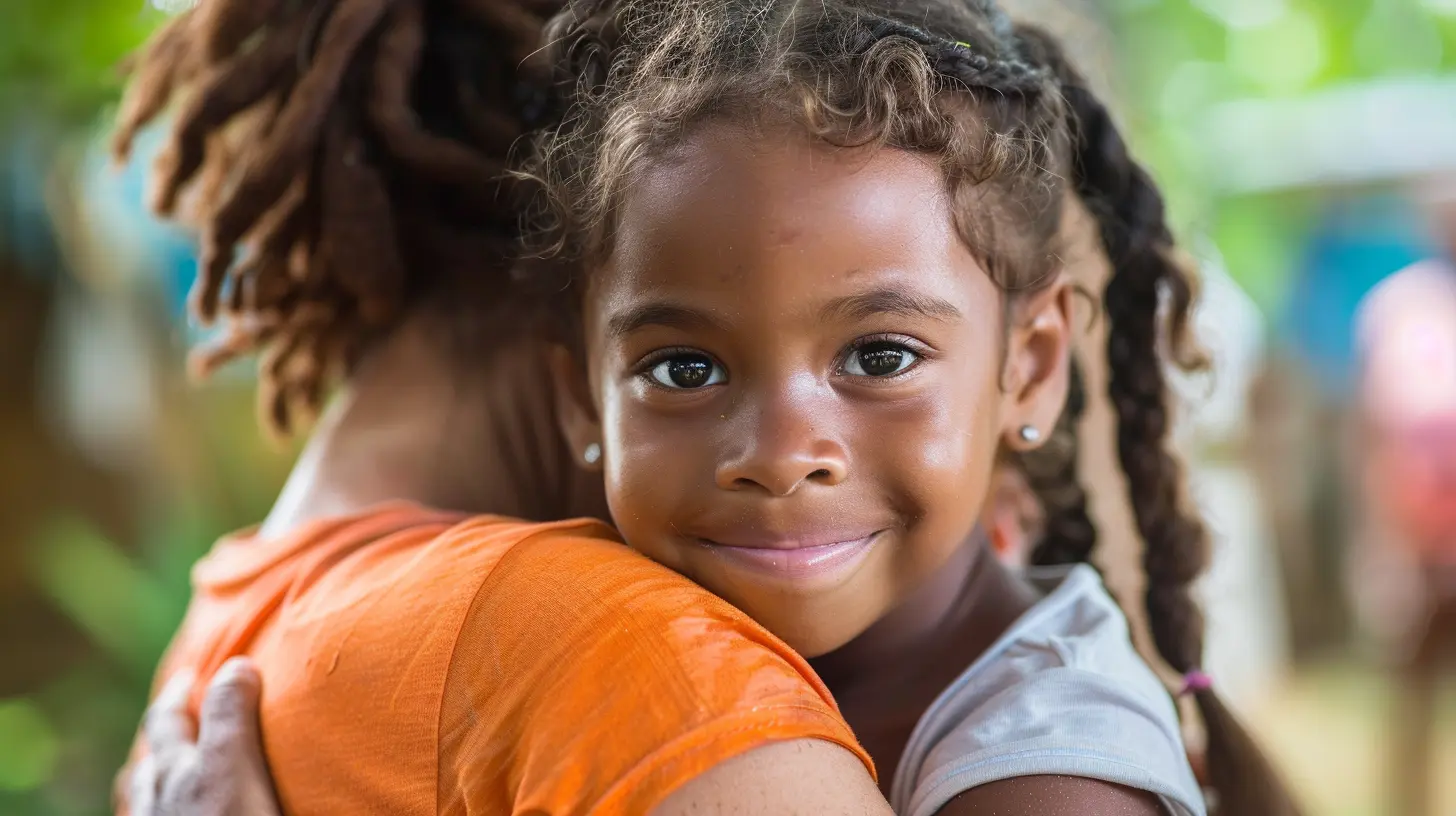
2. Teach the Power of Empathy
Empathy is the ability to understand and share the feelings of others. It’s a crucial component of both kindness and compassion. But how do you teach it?- Encourage perspective-taking. When your child sees someone upset, ask questions like, "How do you think they’re feeling right now?" or "What would make them feel better?"
- Use stories and books. Reading books that highlight emotions and different perspectives can help children understand what others might be experiencing.
- Talk about emotions. Help your child recognize their own feelings and the feelings of those around them. For example, if they accidentally hurt a friend, ask, "How do you think they feel?"
By strengthening their ability to empathize, children become more thoughtful and considerate individuals.

3. Encourage Acts of Kindness
Kindness is a habit that needs to be practiced regularly. You can encourage acts of kindness in fun and meaningful ways.- Start small. Challenge your child to do one kind thing every day, like sharing a toy, writing a thank-you note, or helping a sibling.
- Volunteer together. Whether it’s helping at a food bank, visiting a nursing home, or participating in community clean-ups, volunteering helps kids understand the impact of their kindness.
- Create a kindness jar. Every time your child does something kind, place a note in the jar. At the end of the month, read them together and celebrate their good deeds!
When kindness becomes part of their routine, children start finding joy in helping others.
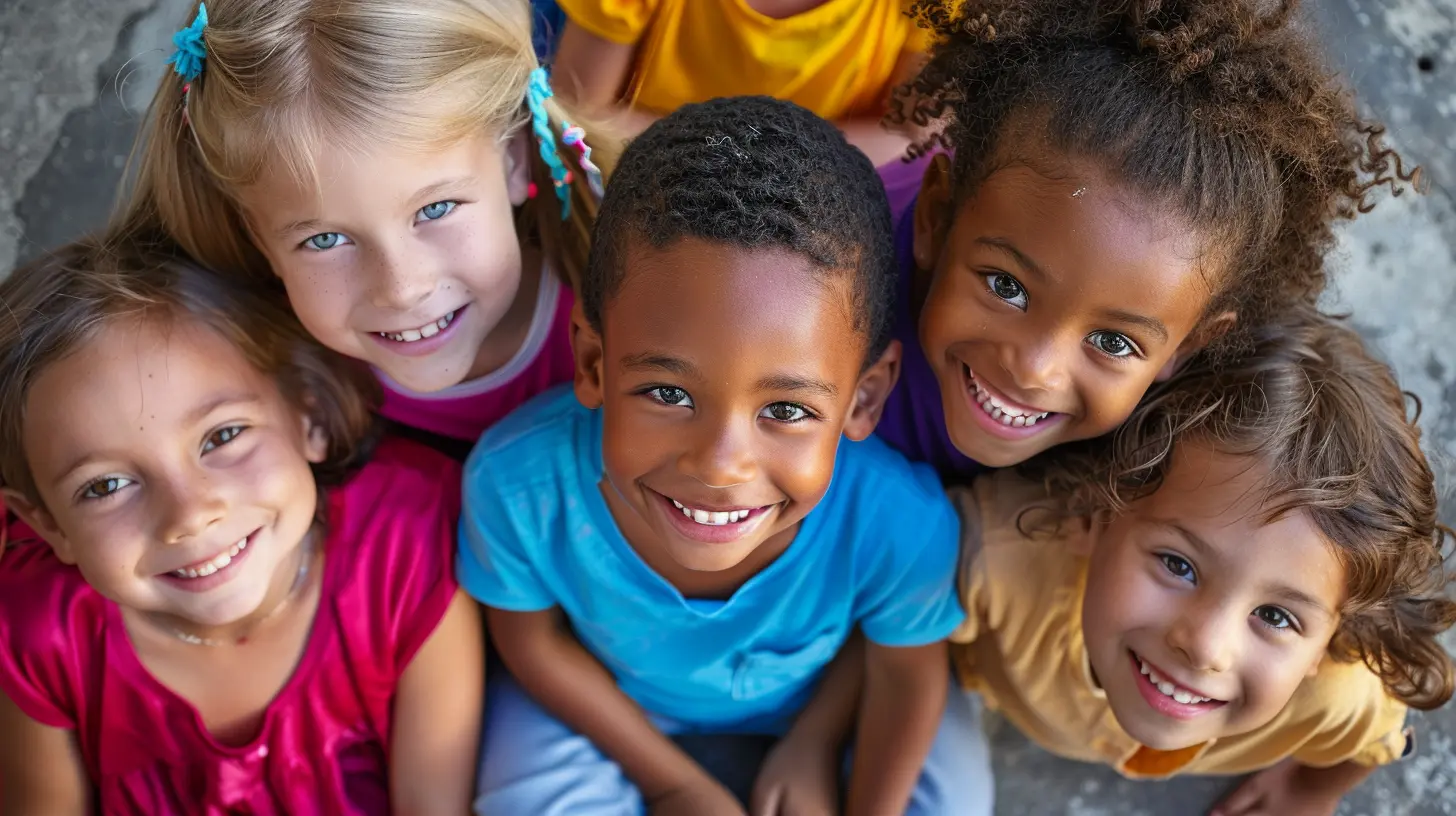
4. Promote Gratitude
Gratitude plays a huge role in developing kindness. When kids appreciate what they have, they’re more likely to share and be compassionate towards others.- Practice gratitude daily. Every night before bed, ask your child to name three things they’re grateful for.
- Write thank-you notes. Encourage kids to write or draw thank-you cards for teachers, family members, or friends.
- Limit material rewards. Instead of constantly giving gifts for good behavior, emphasize the value of relationships and experiences.
Grateful children tend to be happier, kinder, and more willing to help those in need.
5. Encourage Problem-Solving and Conflict Resolution
Conflicts are a natural part of life. Teaching kids how to handle disagreements with kindness prepares them for future interactions.- Teach them to use "I" statements. Instead of saying, "You’re mean!" guide them to say, "I feel hurt when you don’t share with me."
- Help them find solutions. If two kids are fighting over a toy, ask, "How can we solve this so both of you are happy?"
- Practice patience. Sometimes, children need a few moments to calm down before they can respond kindly.
By giving children the tools to resolve conflicts peacefully, they develop stronger relationships built on mutual respect and understanding.
6. Foster Emotional Intelligence
Children who understand their emotions are better equipped to manage them and show compassion toward others.- Encourage open discussions about feelings. Let them know it’s okay to feel sad, angry, or frustrated. What matters is how they respond.
- Label emotions. If your child is upset, help them identify their feelings by saying, "It looks like you're feeling frustrated. Want to talk about it?"
- Teach coping strategies. Deep breathing, counting to ten, or taking a break can help children manage difficult emotions in a healthy way.
When kids are in control of their emotions, they are more likely to behave kindly.
7. Expose Them to Diverse Perspectives
Children become more compassionate when they understand different cultures, traditions, and life circumstances.- Introduce diverse books and movies. Stories about different backgrounds teach children about inclusion and understanding.
- Encourage friendships with different people. Interacting with peers from different backgrounds helps build tolerance and empathy.
- Discuss global issues. Talk about challenges that people face around the world and brainstorm ways to help, even in small ways.
The more children are exposed to different perspectives, the more they develop a sense of compassion for others.
8. Praise Efforts, Not Just Outcomes
Kids love praise, but how you praise them matters. Instead of just applauding achievements, recognize their efforts to be kind.- Acknowledge kind behavior. If they help a friend, say, "That was really kind of you to share your toy!"
- Encourage intrinsic motivation. Teach them that kindness is rewarding in itself, not just something they do for praise.
- Celebrate progress. If your child struggles with sharing but makes an effort, recognize their improvement.
By reinforcing kind actions, children become more motivated to continue them.
9. Create a Positive Home Environment
A loving and supportive home fosters kindness. When children grow up feeling loved and respected, they naturally extend the same to others.- Model respectful communication. Avoid yelling or harsh words and instead communicate with patience and understanding.
- Encourage cooperation. Teach kids to work together as a team in family activities.
- Make kindness a family value. Set expectations that kindness is a priority in your household.
A warm and nurturing environment lays the foundation for compassionate behavior.
10. Encourage Self-Compassion
Children who are kind to themselves are more likely to be kind to others. Teach them to treat themselves with the same understanding they would offer a friend.- Normalize mistakes. Let them know that making mistakes is part of learning. Encourage them to say, "I’ll try again" instead of "I’m not good at this."
- Practice positive self-talk. Instead of saying, "I can’t do this," encourage them to say, "I’ll keep trying!"
- Teach self-care. Ensure they understand the importance of rest, relaxation, and personal well-being.
A child who values themselves will naturally extend the same kindness outward.
Final Thoughts
Raising compassionate and kind children takes time and effort, but the results are worth it. By modeling kindness, encouraging empathy, and creating a positive environment, we can nurture a generation that values connection, understanding, and generosity.Every small act of kindness makes a difference. So, let’s equip our kids with the tools they need to build a more compassionate world—one kind act at a time.
all images in this post were generated using AI tools
Category:
Child DevelopmentAuthor:

Olivia Lewis