Supporting Fine Motor Skills Through Everyday Activities
8 December 2025
Fine motor skills play a crucial role in our daily lives. From buttoning a shirt to holding a pencil, these small but essential movements help us navigate the world smoothly. But did you know that you don’t need fancy tools or structured lessons to improve fine motor skills?
Everyday activities provide endless opportunities to strengthen fine motor development, especially for children. Whether it’s playing with toys, helping in the kitchen, or engaging in art projects, fine motor skills can be developed naturally. In this article, we’ll explore simple yet effective ways to support fine motor development through daily routines.
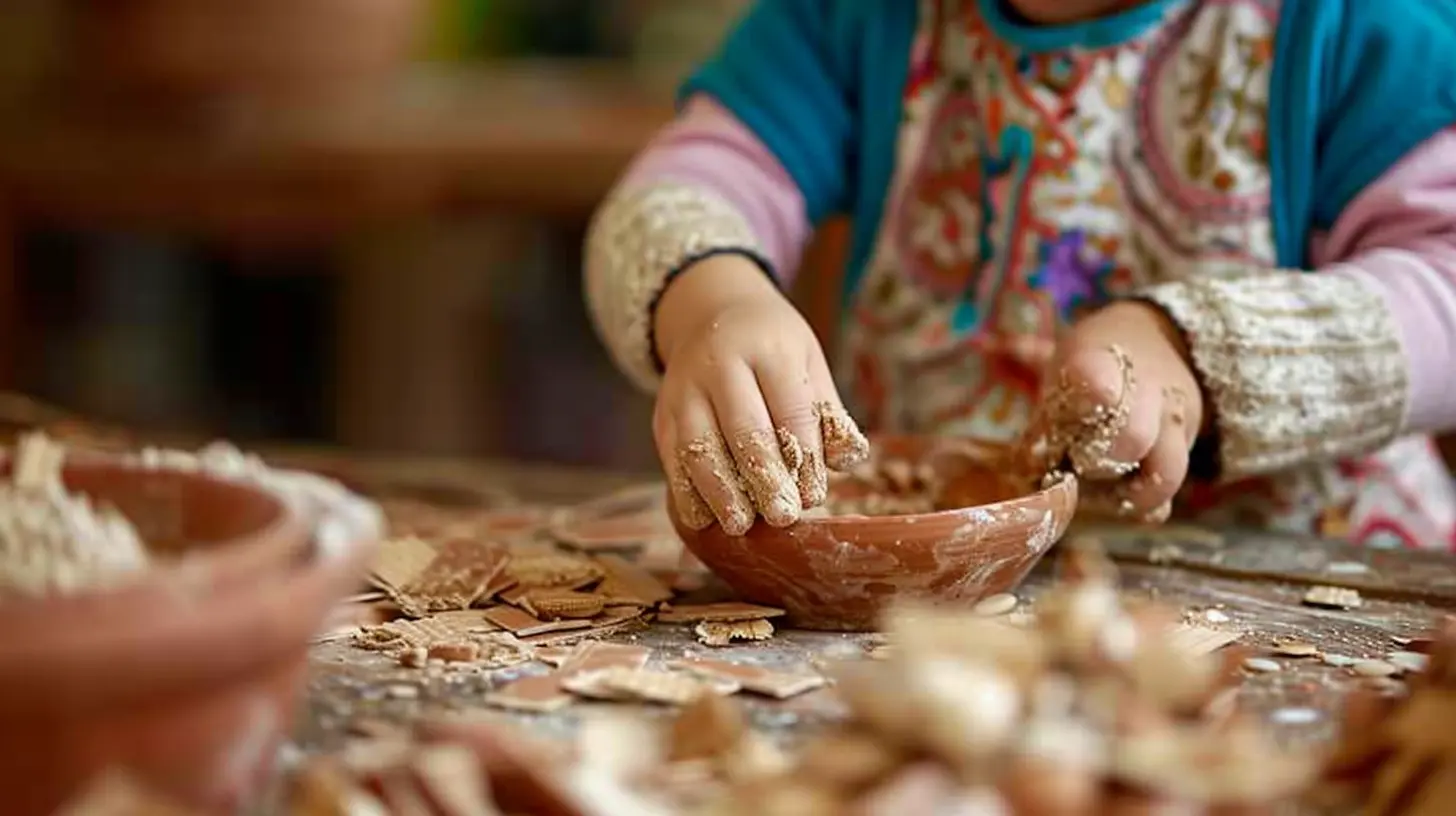
What Are Fine Motor Skills?
Fine motor skills involve the ability to make precise movements using the small muscles in our hands, fingers, and wrists. These skills are essential for tasks like writing, eating, dressing, and even using electronic devices.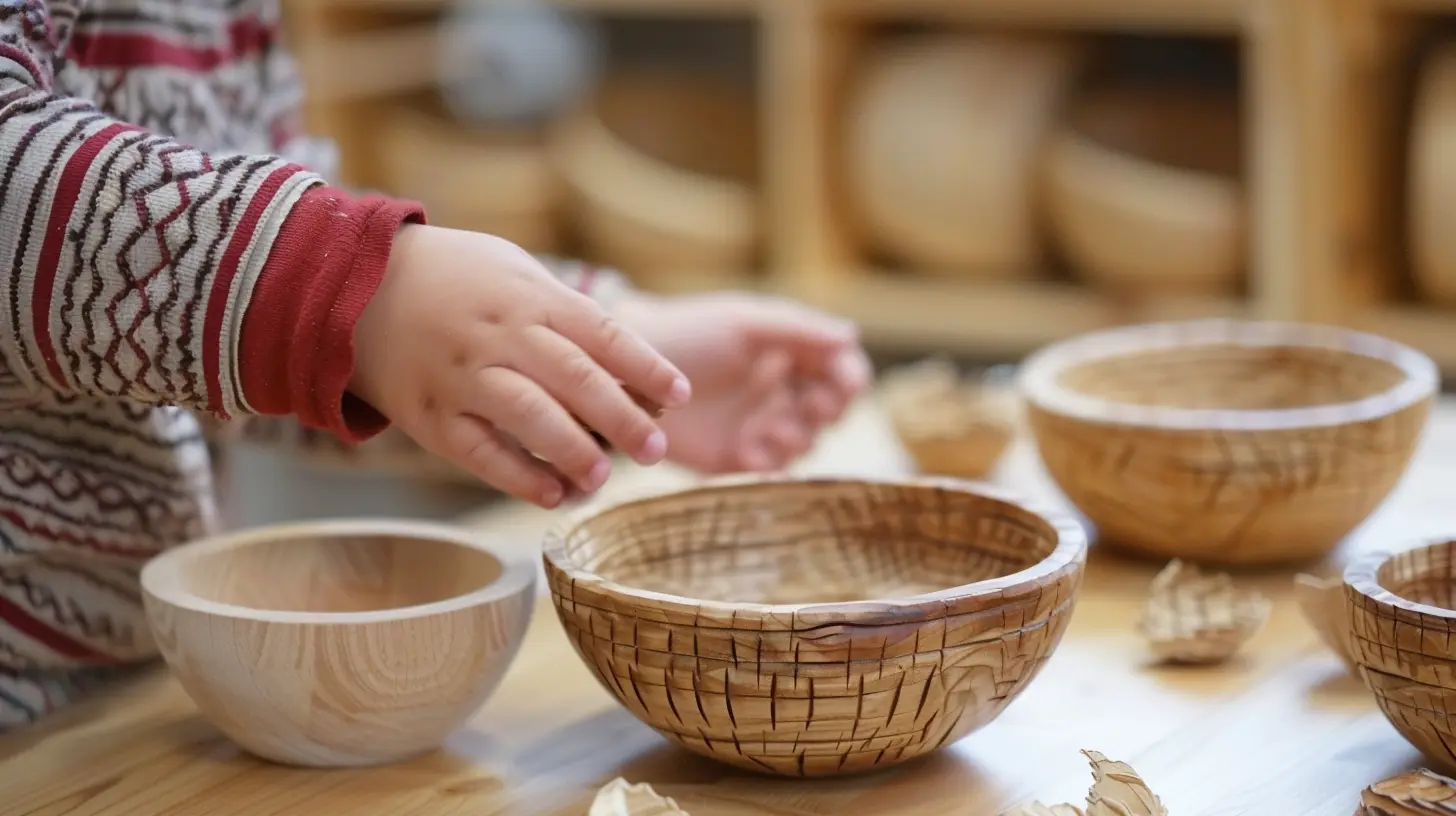
Why Are Fine Motor Skills Important?
Fine motor skills aren't just about handwriting or arts and crafts. They contribute to:- Independence – Being able to button a shirt, zip a jacket, or tie shoelaces allows children to be more self-sufficient.
- Academic Success – Holding a pencil, cutting with scissors, and manipulating tools are vital for schoolwork.
- Hand-Eye Coordination – Precision movements help with everything from sports to playing musical instruments.
- Daily Functionality – From brushing teeth to using utensils, fine motor skills are part of nearly every daily activity.
Now that we understand their importance, let's dive into simple, everyday activities that can boost fine motor skills.
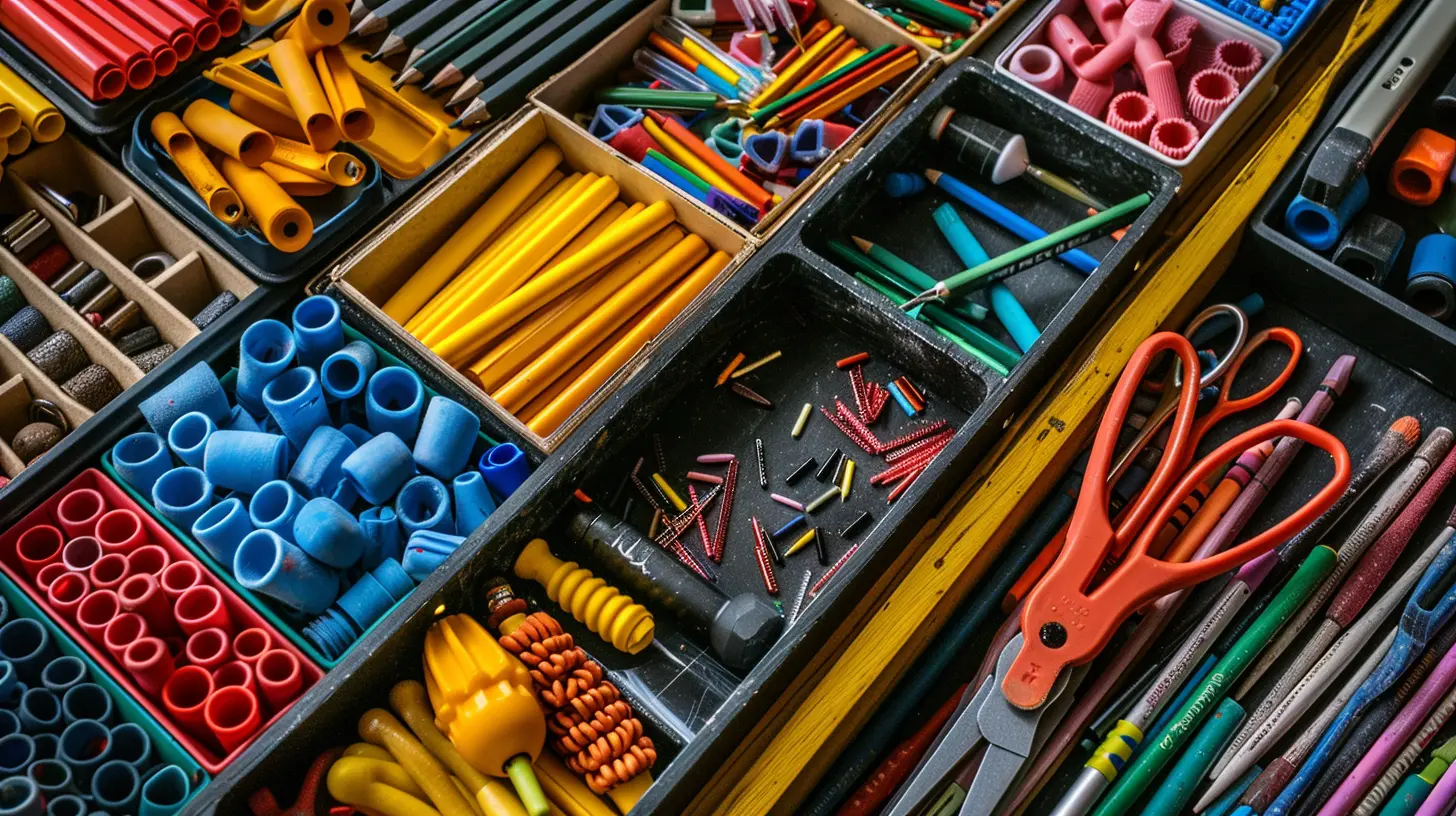
Everyday Activities That Support Fine Motor Development
1. Playing With Playdough and Clay
Playdough isn't just fun—it’s a fine motor powerhouse. Squishing, rolling, pinching, and molding clay helps strengthen hand muscles while improving dexterity.Try this: Give kids tools like rolling pins, cookie cutters, or plastic forks to enhance the play experience.
2. Using Tweezers or Tongs
Picking up small objects with tweezers or tongs encourages precision and grip control. This simple activity strengthens the same muscles used for writing.Fun ideas:
- Sort pom-poms by color using tweezers.
- Pick up cotton balls with kitchen tongs and transfer them between bowls.
3. Cutting and Pasting Activities
Scissors help improve hand strength and coordination. Let kids cut out shapes, pictures, or strips of paper. Gluing and pasting the cutouts builds additional control.Pro tip: Start with safety scissors and thicker paper to make it easier for little hands to cut.
4. Stringing Beads or Pasta
Threading beads or dry pasta onto string, pipe cleaners, or shoelaces enhances hand-eye coordination and finger control. It’s also great for early math skills like pattern recognition.Make it fun: Use colorful beads to create bracelets or necklaces!
5. Drawing and Coloring
Holding a crayon or marker strengthens finger muscles and improves grip. Encourage kids to color, trace, doodle, and even use chalk on sidewalks.Challenge them: Try activities like dot-to-dot drawings or mazes to add an extra layer of fun.
6. Building With Blocks or LEGO®
Stacking, snapping, and arranging blocks require precise control over hand movements. LEGOs®, wooden blocks, and magnetic tiles all work wonders for fine motor development.Parent tip: Ask kids to build specific shapes or patterns to challenge their coordination.
7. Using Stickers and Stamps
Peeling off stickers and placing them accurately strengthens tiny finger muscles. Stamping with rubber stamps also builds grip strength and coordination.Fun game: Create a sticker chart and let kids place stickers as they complete tasks!
8. Baking and Cooking Together
Involving kids in the kitchen is a fantastic way to develop fine motor skills. Measuring ingredients, stirring, kneading dough, and even peeling oranges all require precise hand movements.Simple kitchen tasks:
- Spreading peanut butter on bread
- Using a whisk or fork to stir
- Rolling dough into balls
9. Peg Boards and Push Pins
Peg boards and push pins require careful placement, enhancing precision and grip strength. Many educational peg board games also incorporate patterns and sequencing.Safety first: If using real push pins, supervise closely to ensure safety.
10. Tearing Paper
It may sound simple, but tearing paper into small pieces strengthens hand muscles. It’s a great pre-cutting activity for toddlers learning how to use scissors.Creative idea: Use torn paper to create mosaics or collages.
11. Dressing and Self-Care Tasks
Encouraging children to dress themselves builds independence while improving fine motor skills. Activities like buttoning, zipping, tying shoelaces, and fastening Velcro straps all contribute to hand coordination.Make it a game: Time how quickly they can button a shirt or zip up a jacket—it adds a fun challenge!
12. Garden and Outdoor Activities
Nature provides plenty of ways to refine fine motor skills. Let kids dig in the dirt, pick up small leaves, pull weeds, or plant seeds. Holding small tools and handling plants help develop grip strength and fine motor control.Bonus: Gardening also teaches patience and responsibility.
13. Playing Musical Instruments
Whether it’s tapping piano keys, strumming a guitar, or shaking maracas, playing instruments strengthens finger muscles and hand coordination. Even simple instruments like tambourines help younger kids develop motor control.Encourage exploration: Let children experiment with different instruments to see what they enjoy most!
14. Opening and Closing Containers
Twisting lids, unlocking small boxes, and snapping shut Tupperware all enhance finger strength and dexterity. Consider giving kids small jars, snap-lock containers, or coin purses to practice these movements.Make it fun: Turn it into a challenge—how fast can they open and close five containers?
15. Bath Time Fun
Even bath time can be an opportunity for fine motor development. Pouring water from one cup to another, squeezing sponges, or using bath crayons all promote hand control and coordination.Bubble fun: Give kids small water bottles to fill and squeeze out—it’s great hand exercise!
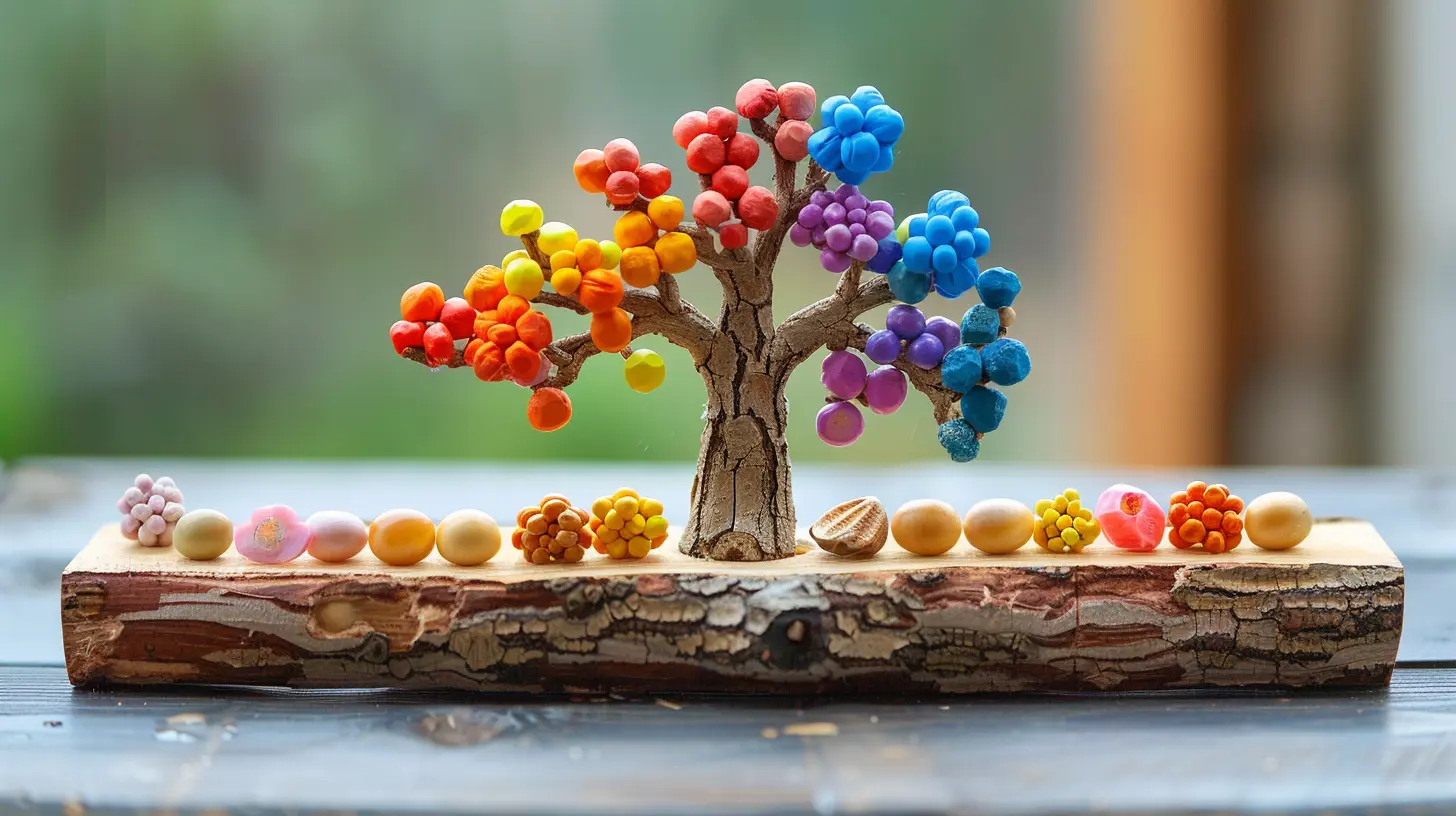
Final Thoughts
Fine motor skills are essential for daily life, academic success, and overall independence. The good news? You don’t need expensive tools or structured lessons to nurture these skills. Everyday activities—like playing, cooking, dressing, and crafting—are natural ways to strengthen fine motor development.By incorporating simple, fun, and engaging tasks into daily routines, you’ll help build a strong foundation for fine motor skills. So, why not turn everyday moments into learning opportunities? Your child will thank you for it—one tiny pinch, grip, and twist at a time!
all images in this post were generated using AI tools
Category:
Child DevelopmentAuthor:

Olivia Lewis
Discussion
rate this article
2 comments
Samuel McKellar
In tiny hands, the world unfolds— Through playful tasks, fine motor skills are boldly sculpted, as childhood dreams take hold.
December 21, 2025 at 8:58 PM
Olivia Lewis
Thank you! It's wonderful to see how everyday activities can nurture fine motor skills and spark imagination in children.
Maggie Summers
Great article! It's amazing how everyday activities can boost fine motor skills. Simple tasks like cooking or crafting not only engage kids but also create precious bonding moments. Let's get those tiny hands to work!
December 12, 2025 at 5:19 AM
Olivia Lewis
Thank you! I’m glad you enjoyed the article and appreciate your insights on the importance of bonding through these activities!