Teaching Children the Value of Responsibility
12 December 2025
As parents and educators, we often hear about the importance of teaching responsibility to children. But how exactly do we go about it? Why does responsibility matter so much for a child’s future, and how can we make sure they learn this crucial life skill without feeling overwhelmed?
In this article, we’ll dive deep into the importance of teaching children the value of responsibility. We’ll explore the benefits of instilling responsibility at a young age, practical methods to teach it, and how you can make the learning experience fun, engaging, and meaningful for your child.
Let’s get started!
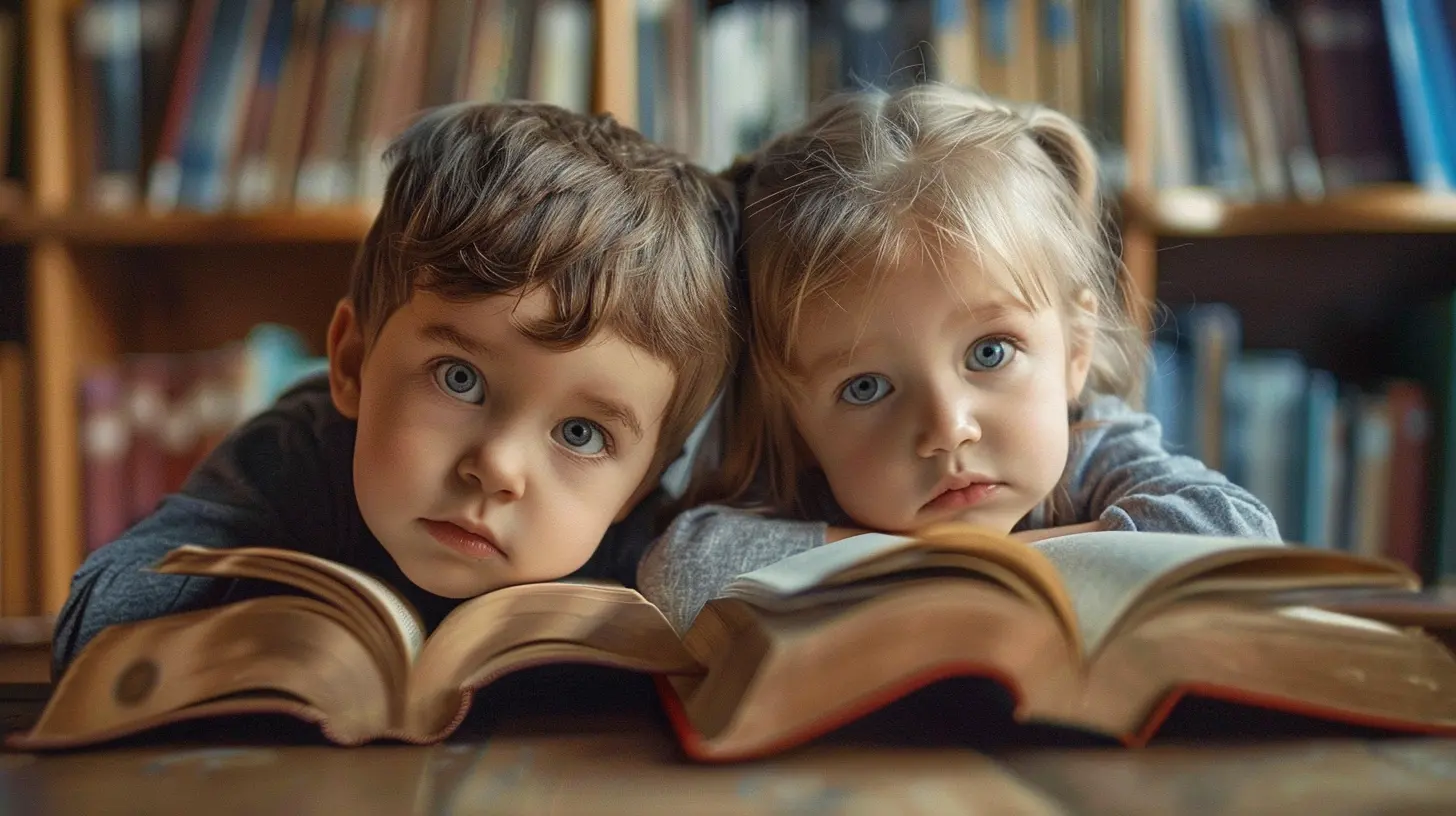
Why Is Responsibility Important for Kids?
We all know the feeling of being responsible for something. It could be your job, paying the bills, or taking care of your family. Responsibility teaches us to be reliable, accountable, and self-sufficient. But why is it so important to teach this to kids?Imagine a world where adults didn’t know how to manage their time, keep promises, or handle commitments. It would be chaos, right? Responsibility is like the glue that holds society together. It helps children grow into dependable adults who can make decisions, solve problems, and contribute positively to the world around them.
Building a Strong Foundation for Life
Responsibility is one of those foundational skills that impact every area of life. Whether it’s school, friendships, or future employment, being responsible helps children navigate challenges and opportunities with confidence.When kids learn responsibility:
- They develop self-discipline: This helps them manage their time, complete tasks, and resist distractions.
- They understand accountability: They learn that actions have consequences, both positive and negative.
- They gain independence: Teaching responsibility helps kids become self-reliant and less dependent on others for their needs.
Cultivating a Sense of Ownership
Children naturally seek autonomy. Think about it—kids love the phrase, “I can do it myself!” Teaching them responsibility nurtures this desire for independence, but in a structured and positive way. It’s about giving them ownership over their actions, decisions, and even mistakes. When children feel responsible for something, they take pride in their efforts, and that’s a powerful motivator!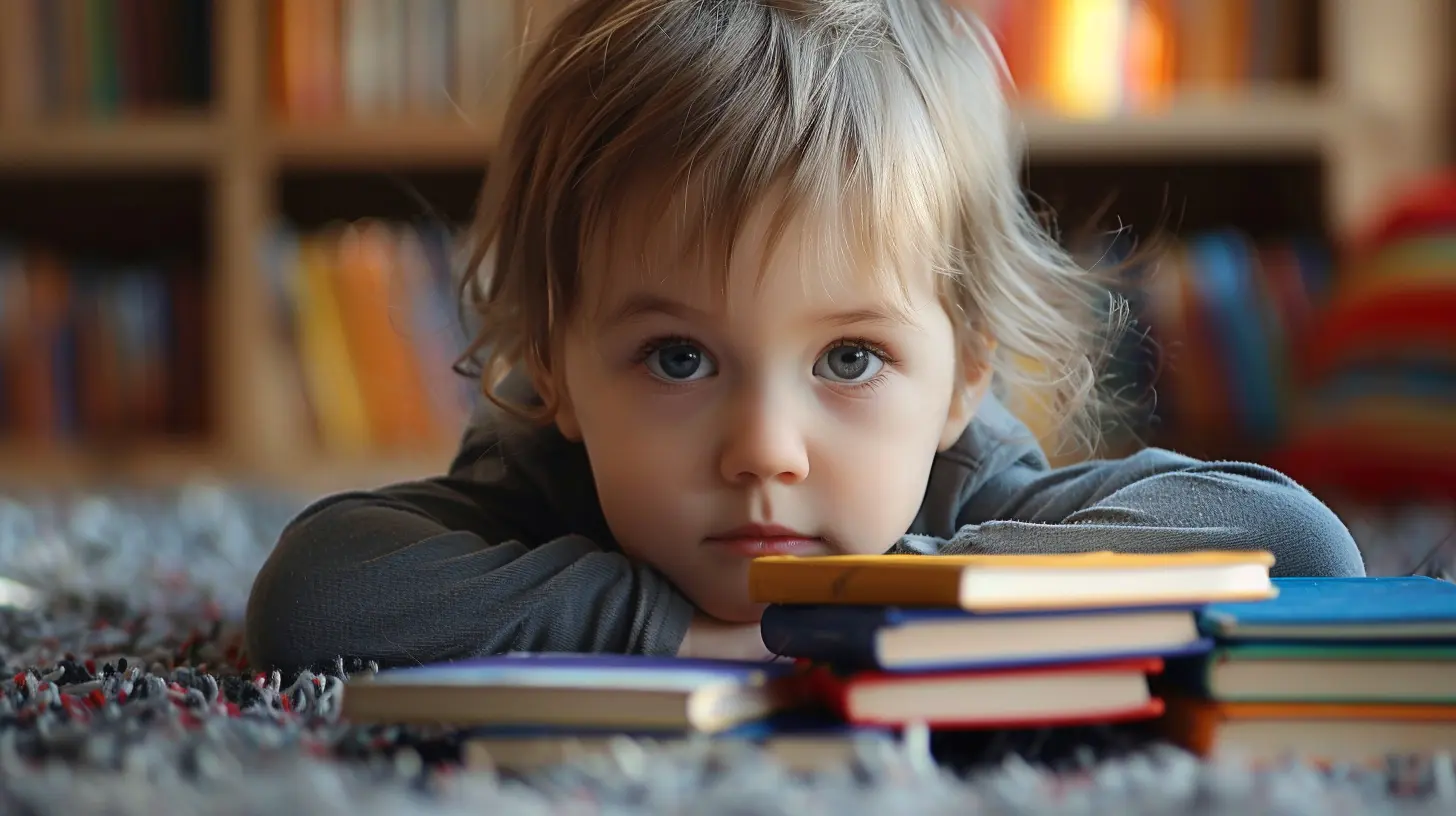
How Do You Teach Responsibility to Kids?
Now that we know why responsibility is important, let’s tackle the big question: How do you actually teach it to kids? Spoiler alert: It’s not by lecturing them or handing out endless chores. Instead, it’s about creating opportunities for them to learn through experience.Here are some tried-and-true methods to help your child embrace responsibility in a natural and positive way:
1. Start Small with Age-Appropriate Tasks
Don’t expect your 5-year-old to start balancing the household budget. Responsibility should be taught gradually, starting with simple tasks that match your child’s age and abilities. For example:- Toddlers can help put away toys or carry their own snack.
- Preschoolers can feed a pet or set the table for dinner.
- School-aged children can complete homework on time, make their bed, or help with laundry.
The key here is to give them tasks that they can handle without feeling overwhelmed. It’s like teaching them to ride a bike—you wouldn’t take off the training wheels before they’re ready!
2. Encourage Consistency and Routine
Children thrive on routine, and responsibility fits perfectly into that structure. When kids know what’s expected of them on a daily basis, they’re more likely to stick to it. Establishing routines—like making the bed every morning or packing their school bag the night before—helps children form good habits.Routines also make responsibility feel more manageable. Instead of asking your child to do something sporadically, they know it’s part of their regular schedule. And over time, what starts as a chore becomes a natural part of their day.
3. Lead by Example
The “do as I say, not as I do” approach doesn’t work when teaching responsibility. Kids are like little sponges—they absorb everything they see. If you want your child to take responsibility seriously, you need to model that behavior yourself.Are you completing your tasks on time? Do you admit when you’ve made a mistake and take steps to fix it? When children see adults taking responsibility, they’re more likely to mirror that behavior in their own lives.
4. Allow Them to Make Mistakes
Here’s a tough one for parents: Letting kids mess up. Yes, it’s tempting to swoop in and fix things when they go wrong, but making mistakes is a powerful learning tool. When children face the consequences of their actions (within reason, of course), they begin to understand the importance of responsibility.For example, if your child forgets their homework, resist the urge to run it to school for them. Instead, let them experience the natural consequence of not having it. This teaches them to be more accountable in the future.
5. Give Praise and Positive Reinforcement
Kids love to feel appreciated, and positive reinforcement goes a long way in teaching responsibility. When your child completes a task or takes ownership of a situation, acknowledge it with praise. But be specific in your praise—rather than just saying “good job,” try something like, “I’m really proud of how you finished your homework without being reminded.”This not only boosts their confidence but reinforces the idea that responsibility is something to be proud of.
6. Involve Them in Decision Making
When children are involved in making decisions, they feel more responsible for the outcome. Whether it’s choosing what to eat for dinner or selecting a family activity, giving your child a voice helps them practice decision-making skills.For older children, you can involve them in more significant decisions—like creating a budget for their allowance or planning a family vacation. This teaches them that responsibility isn’t just about completing tasks, but also about making thoughtful choices.
7. Use Stories and Examples
Children often learn best through stories. Whether it’s a bedtime story about a character who learns the value of responsibility or a real-life example from your own experience, stories help make abstract concepts more tangible.If you’re struggling to find the right words, use common metaphors. For example, you might explain responsibility as being like a garden—you have to take care of it every day to see it grow. These kinds of analogies help kids grasp the concept in a way that feels relatable.
8. Gradually Increase Responsibility
As your child grows, so should their responsibilities. Start small, and as they prove capable, increase the level of responsibility. This keeps them challenged and engaged, and they’ll feel a sense of accomplishment as they take on more significant tasks.For example, if your child is responsible for feeding the family pet, you can eventually add tasks like walking the dog or cleaning the pet’s cage. The goal is to help them gradually build their sense of responsibility over time.
Balancing Responsibility and Fun
One of the biggest challenges when teaching responsibility is making sure it doesn’t feel like a burden. After all, childhood is supposed to be fun! So, how do you strike the right balance between teaching responsibility and letting kids be kids?Make It a Game
You can turn almost any responsibility into a game or competition. For example, set a timer and challenge your child to clean up their room before it goes off. Or, create a reward system where they earn points for completing tasks, which they can redeem for a fun activity or treat.Use a Responsibility Chart
Consider creating a responsibility chart that tracks your child’s progress. This could be as simple as a checklist or a more elaborate chart with stickers. Visual progress can be motivating for kids and helps them see how responsibility fits into their daily routine.Offer Choices
Whenever possible, give your child a choice in how they complete their responsibilities. For instance, instead of telling them to clean their room, ask if they’d like to start by picking up toys or making the bed. Offering choices gives them a sense of control and makes the task feel less like a demand.
The Long-Term Benefits of Teaching Responsibility
Teaching children the value of responsibility isn’t just about getting them to do chores. It’s about shaping their character and preparing them for life’s challenges. When children understand responsibility:- They become more self-reliant and capable of managing their own lives.
- They develop a strong sense of accountability, which is crucial for building trust in relationships.
- They’re better equipped to handle failure and learn from their mistakes.
In the long run, responsible children grow into responsible adults—individuals who contribute positively to their communities, workplaces, and families. It’s a gift that keeps on giving.
Wrapping It Up: Responsibility Is a Lifelong Lesson
Teaching children the value of responsibility is a journey, not a destination. It’s something they’ll continue to learn and refine throughout their lives. As a parent or educator, your role is to guide them, provide opportunities for growth, and offer plenty of encouragement along the way.Remember, responsibility isn’t about perfection—it’s about progress. So, start small, be patient, and celebrate every step forward. With time and consistency, your child will develop the responsible habits that will benefit them for years to come.
all images in this post were generated using AI tools
Category:
Child DevelopmentAuthor:

Olivia Lewis
Discussion
rate this article
2 comments
Stephen Matthews
Great insights! Instilling responsibility in children is crucial for their personal development and success.
December 22, 2025 at 12:56 PM
Olivia Lewis
Thank you! I'm glad you found the insights valuable. Teaching responsibility indeed plays a vital role in children's growth and future success.
Camden Parker
How can we creatively engage children in understanding responsibility while making it fun and relatable in their daily lives?
December 14, 2025 at 9:07 PM
Olivia Lewis
Incorporate games and storytelling by creating fun scenarios where children earn "responsibility points" for completing tasks. Use relatable characters and situations to illustrate the importance of taking responsibility in their daily lives, making learning both enjoyable and impactful.