Teaching Students How to Set and Achieve Personal Goals
31 July 2026
Imagine trying to hit a target with your eyes closed. Pretty tough, right? That’s what life feels like when students go through school without setting clear personal goals. It's not just about getting good grades or finishing the semester. It's about understanding where you're headed and taking charge of your own journey. Teaching students how to set and achieve personal goals isn’t just helpful—it’s essential.
In this article, we’ll dive into why goal-setting matters, how educators can guide students through the process, and how reaching personal goals builds lifelong skills. Whether you're a teacher, a parent, or anyone who cares about a student’s future, this is for you.
Why Goal-Setting Matters for Students
Here’s the thing: goal-setting isn't just for adults or entrepreneurs. When students learn how to set goals early in life, they develop a sense of direction and internal drive. It’s like giving them a roadmap that helps them navigate academic challenges, peer pressure, and future career aspirations.Builds Motivation and Focus
Goals are like lighthouses. Even during tough times, students can stay on course if they’ve got a goal in sight. Instead of drifting through high school or college aimlessly, they anchor their choices to a bigger picture.Encourages Responsibility
When students set personal goals, they learn accountability. They start owning their decisions and working toward something meaningful—which, let’s be honest, is a huge step toward adulthood.Fosters Self-Confidence
Achieving even the smallest goal can be a powerful confidence boost. It reinforces the idea that they can control outcomes, not just react to them.
The Psychology Behind Goal-Setting
Let’s nerd out for a second. Psychologists have long studied how goal-setting affects human behavior. According to Edwin Locke’s Goal-Setting Theory, specific and challenging goals lead to higher performance than vague or easy ones. That means a student who says, "I want to improve my writing skills by the end of the semester," is more likely to grow than one who says, "I want to do better in English."And here’s why: goals give the brain a direction. They help filter distractions and channel energy. Sounds like a built-in GPS, right?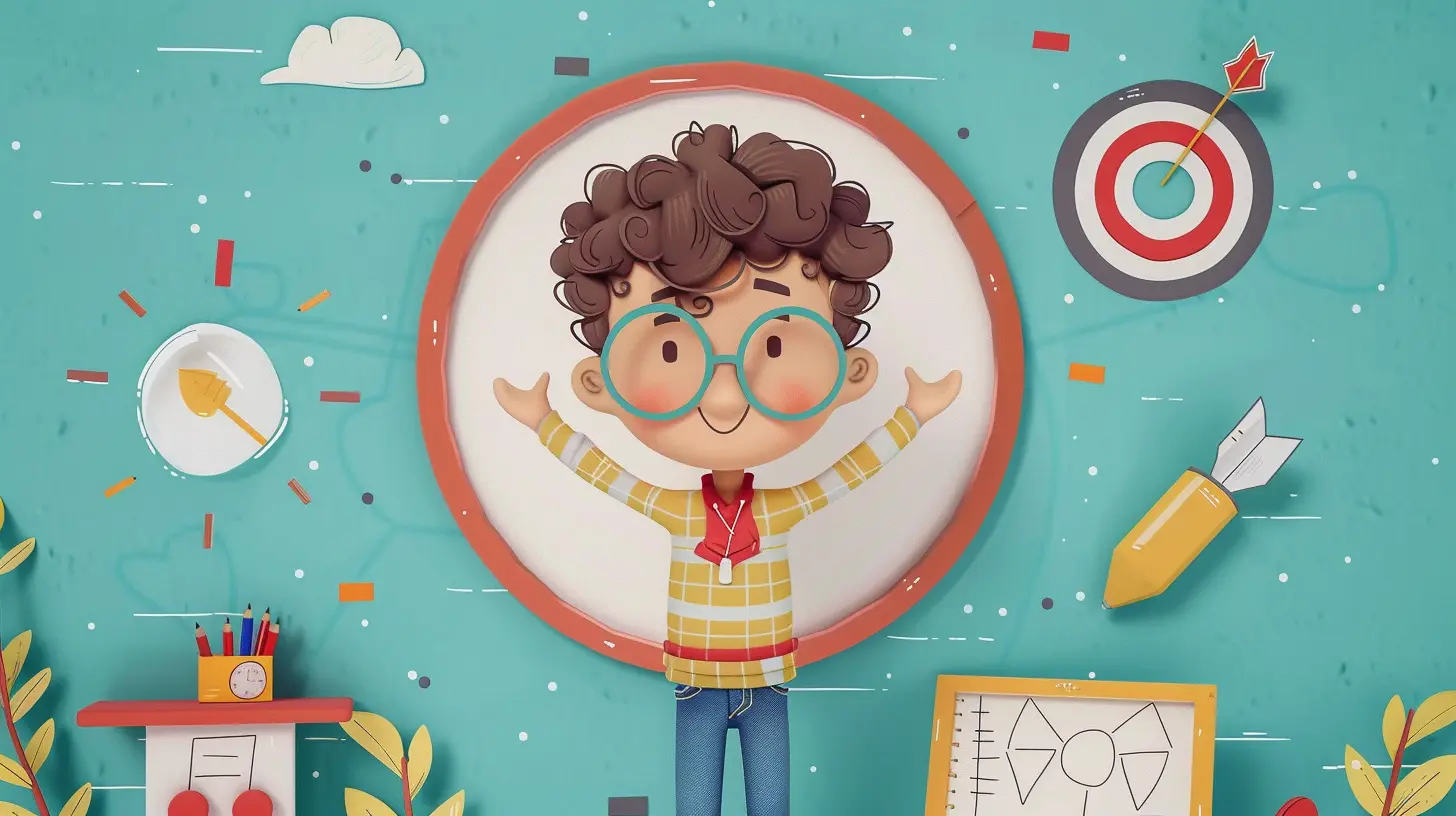
The Difference Between Long-Term and Short-Term Goals
Understanding the difference between long- and short-term goals is key for students.- Short-term goals: These are the quick wins. Things like reading one book a month, improving a quiz score, or organizing a study schedule.
- Long-term goals: These are the bigger dreams. Getting into a top university, launching a startup, or mastering a new language.
Teaching students how to break long-term goals into smaller steps makes the whole process less overwhelming—and a lot more achievable.
How to Teach Goal-Setting in the Classroom
So, how do we actually teach this stuff without sounding like another boring lecture? Glad you asked.1. Make It Relatable
Students tune out when they don’t see how a lesson applies to real life. Use examples they care about. Wanna become TikTok famous? Cool. Let’s build a content schedule. Want to make varsity? Let's talk training goals.2. Start with a Vision Board
Vision boards are more than just arts and crafts. They help students visualize what success looks like to them. Whether it's images of college campuses, dream jobs, or personal milestones, this visual reminder can serve as a daily motivation boost.3. Use the SMART Method
One of the most effective tools for goal-setting is the SMART method. Teach students to make goals that are:- Specific
- Measurable
- Achievable
- Relevant
- Time-bound
Let’s say a student wants to get better at math. A SMART version of that goal would be: “Raise my math grade from a C to a B+ by the end of the semester by practicing an extra 30 minutes each day.”
Way more focused, right?
4. Reflect and Adjust
Teach students that it’s totally okay if goals evolve. Maybe they bite off more than they can chew or realize their priorities have shifted. Reflecting on what’s working—and what’s not—is part of the process. Flexibility doesn’t mean failure; it means growth.5. Celebrate Milestones
Rewards work. Even adults love a good pat on the back. When students hit a milestone—even a small one—celebrate it! It could be praise, a sticker, or a short class party. It reinforces the value of effort and sticking with it.Goal-Setting Activities That Actually Work
Want your students to get genuinely excited about setting goals? Try some of these hands-on activities:Goal Journals
Have students maintain a personal goal journal. Each week, they write down what they’re working on, any roadblocks, and their progress. It’s like a private conversation with their future self.Goal-Setting Worksheets
Create worksheets that walk students through the SMART process. Include prompts like:- What do you want to achieve?
- Why does it matter to you?
- What steps will you take?
- How will you know you've succeeded?
Peer Check-ins
Pair students as accountability buddies. Have them check in with each other weekly to talk about their progress. It turns goal-setting into a social experience and adds a layer of responsibility.Role-Playing Scenarios
Use role-play to explore scenarios where goal-setting is critical. For instance, how do you stay on track when you're behind in school? What do you do when your motivation dips? These situations make the lessons real.Overcoming Common Challenges
Let’s be honest—setting goals is easy. Sticking with them? That’s where the real battle begins. Here are a few common hurdles students face—and how to help them jump over.Lack of Motivation
Solution: Tie goals to personal passions. A student who loves video games might set a goal to design their own level. Making it personal keeps the spark alive.Fear of Failure
Solution: Normalize mistakes. Share your own stories of failed goals and how you bounced back. It creates a safe space to try (and fail) without shame.Procrastination
Solution: Break goals into micro-tasks. Instead of writing a term paper, the first goal might be: “Write an outline by Tuesday.” Smaller steps = less overwhelm.From School to Life: The Bigger Picture
Here’s the kicker—personal goal-setting skills don’t end at graduation. They bleed into all areas of life: careers, relationships, health, finances. When students master the art of setting and chasing goals, they’re not just succeeding in school—they’re building a life compass.Think about it. Adults who struggle with direction often never learned how to set personal goals. By teaching students now, we’re giving them tools to navigate complexity, face adversity, and design lives they’re proud of.
Final Thoughts
Training students to set and achieve personal goals is about so much more than helping them pass tests. It's about building purpose, confidence, and resilience. It's teaching them they can design their own futures instead of waiting for one to show up.So let’s stop leaving their future to chance.
Whether it’s a dream college, a personal passion, or a simple habit like waking up on time, every goal, big or small, is a thread in the fabric of who they’re becoming. And who knows? That small goal they write down today might just be the first step toward changing the world.
all images in this post were generated using AI tools
Category:
Social Emotional LearningAuthor:

Olivia Lewis