The Benefits of Outdoor Learning for Kids
10 June 2026
When was the last time your child spent a full day outside, completely immersed in nature? With screens dominating our lives, outdoor learning has become more important than ever. Kids today spend more time indoors than ever before, but stepping outside can open up a world of benefits for their development.
Outdoor learning isn't just about letting kids run around—it's about using nature as a classroom. Whether it's a science experiment at the park, a history lesson at a historic site, or simple free play in the woods, outdoor education can be truly transformative. Let’s dive into why stepping outside the four walls of a classroom can make a world of difference for kids' learning and overall well-being. 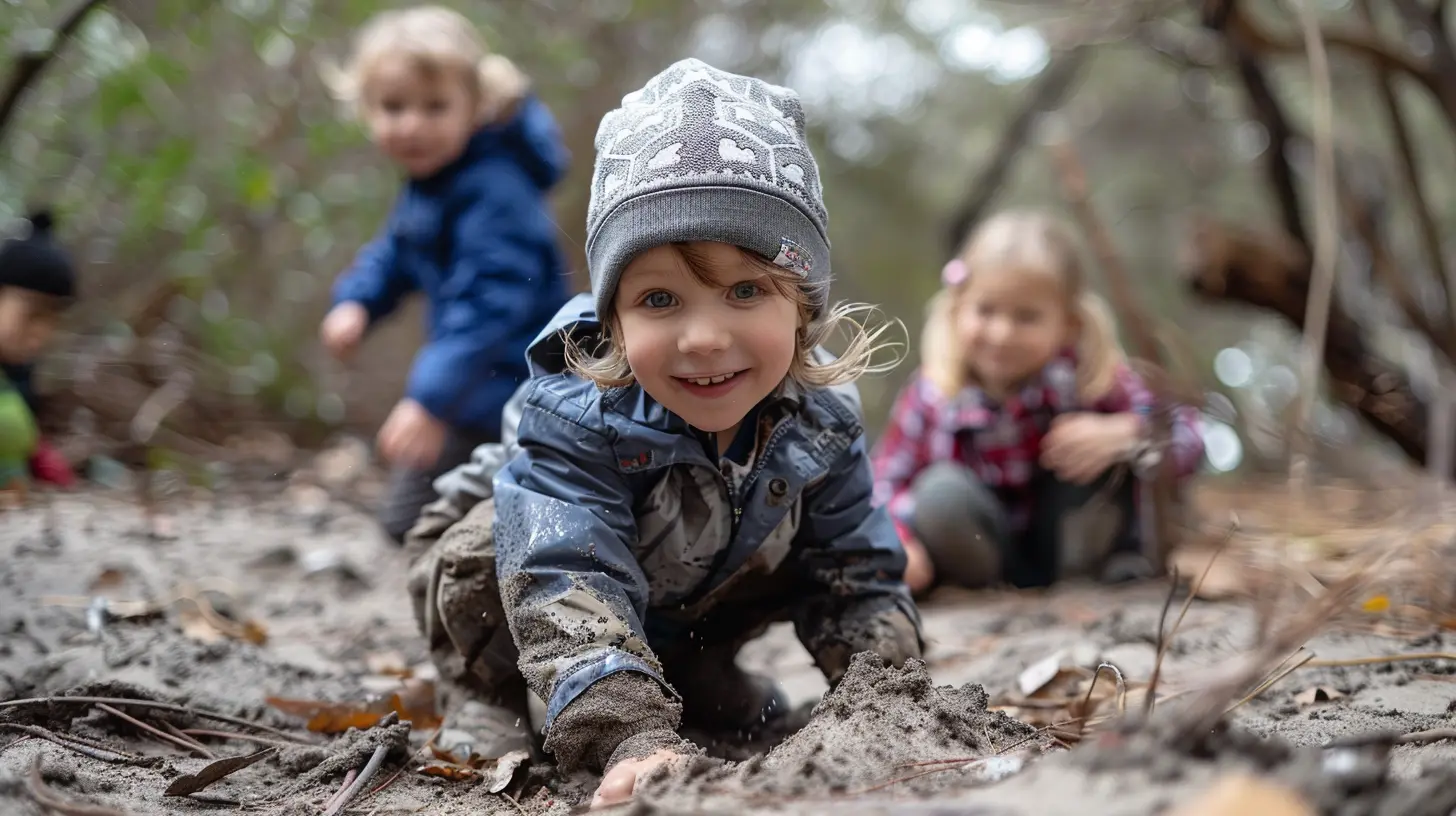
1. Boosts Physical Health
Let’s be honest—kids have a ton of energy. Keeping them cooped up inside for hours can feel like trying to bottle up a tornado! Outdoor learning gives them the freedom to move, run, jump, and explore, all of which contribute to better physical health.- Encourages Movement – Whether it’s hiking, climbing, or simply playing tag, outdoor activities get kids moving, improving their strength, coordination, and endurance.
- Enhances Immune System – Fresh air and exposure to natural elements help strengthen kids' immune systems, making them less prone to illness.
- Supports Vitamin D Intake – Sunlight is crucial for vitamin D, which supports bone health and immune function. Spending time outside helps ensure kids get the nutrients their growing bodies need. 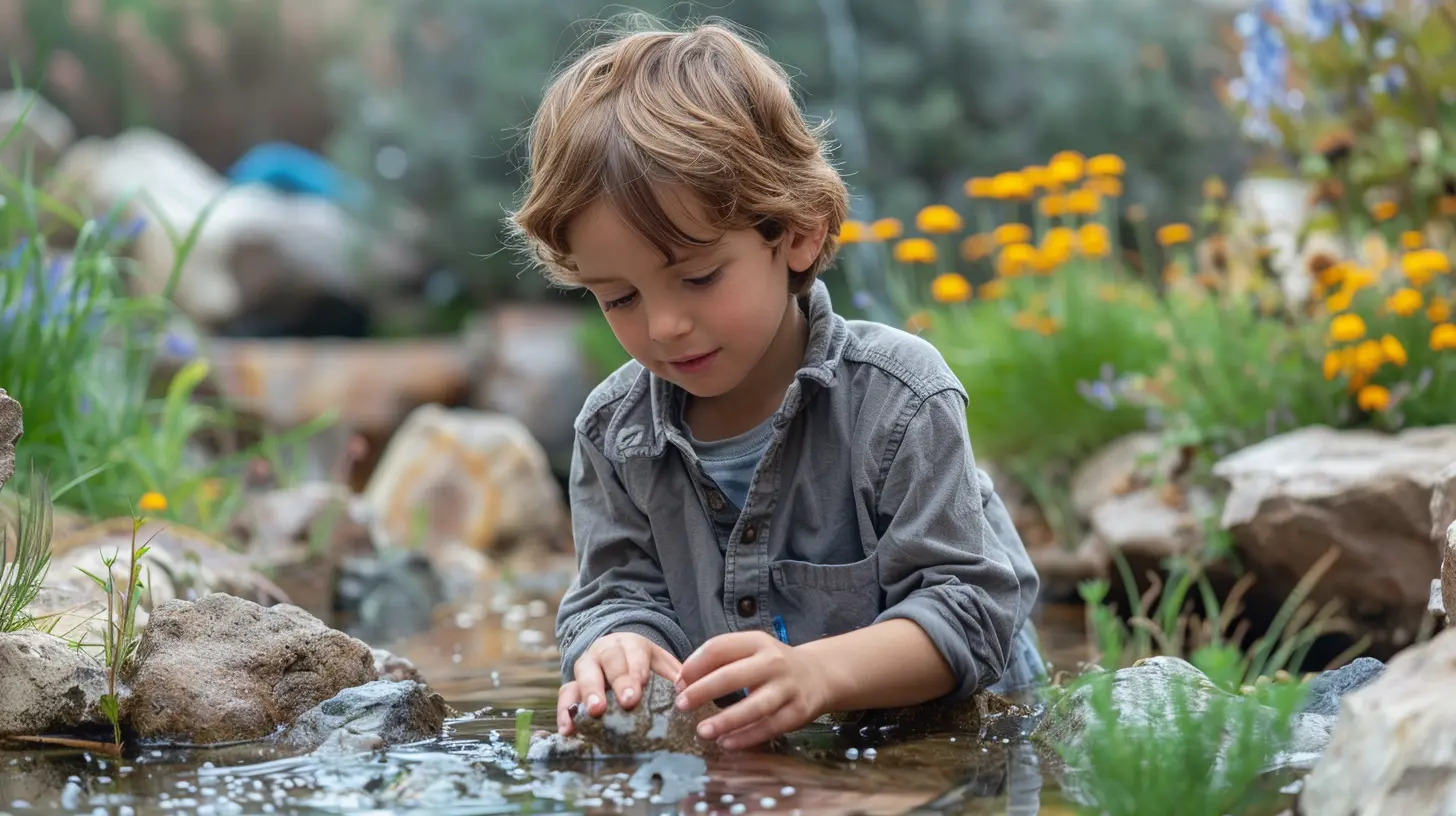
2. Improves Mental Well-Being
Ever noticed how a simple walk outside can lift your mood? The same applies to kids. Nature has a calming effect that helps reduce stress and anxiety.- Reduces Stress & Anxiety – Green spaces have been shown to lower cortisol levels (the stress hormone), helping kids feel more relaxed and focused.
- Boosts Mood – Sunlight triggers the release of serotonin, the "feel-good" hormone. A happier child makes for a better learning experience.
- Encourages Mindfulness – Being in nature helps kids stay in the moment, improving their ability to focus and be present.
Mental health is just as important as physical health, and outdoor learning gives kids the space they need to recharge emotionally. 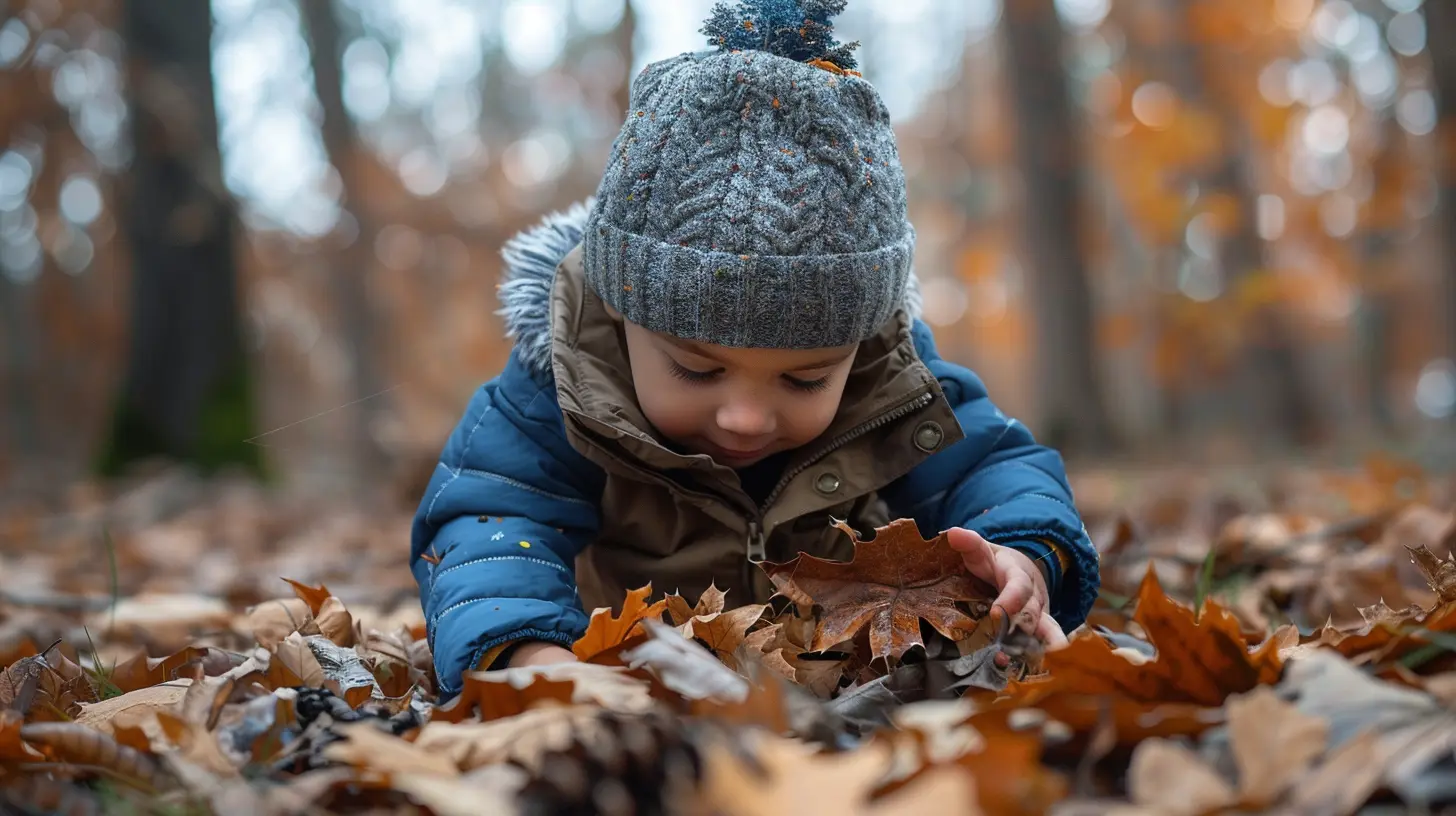
3. Enhances Social Skills
Let’s face it—teamwork and communication aren’t exactly skills kids develop while glued to a tablet. Outdoor learning naturally encourages social interaction.- Encourages Collaboration – Whether it’s building a fort, solving an outdoor scavenger hunt, or participating in team-based games, kids learn how to work together.
- Develops Communication Skills – Being in an open space encourages conversation, problem-solving, and storytelling.
- Teaches Conflict Resolution – When playing outdoors, kids inevitably run into disagreements. Learning how to resolve them on their own is a valuable life skill.
Unlike traditional classroom settings where interaction is often structured, the outdoors provide organic opportunities for kids to develop meaningful social skills. 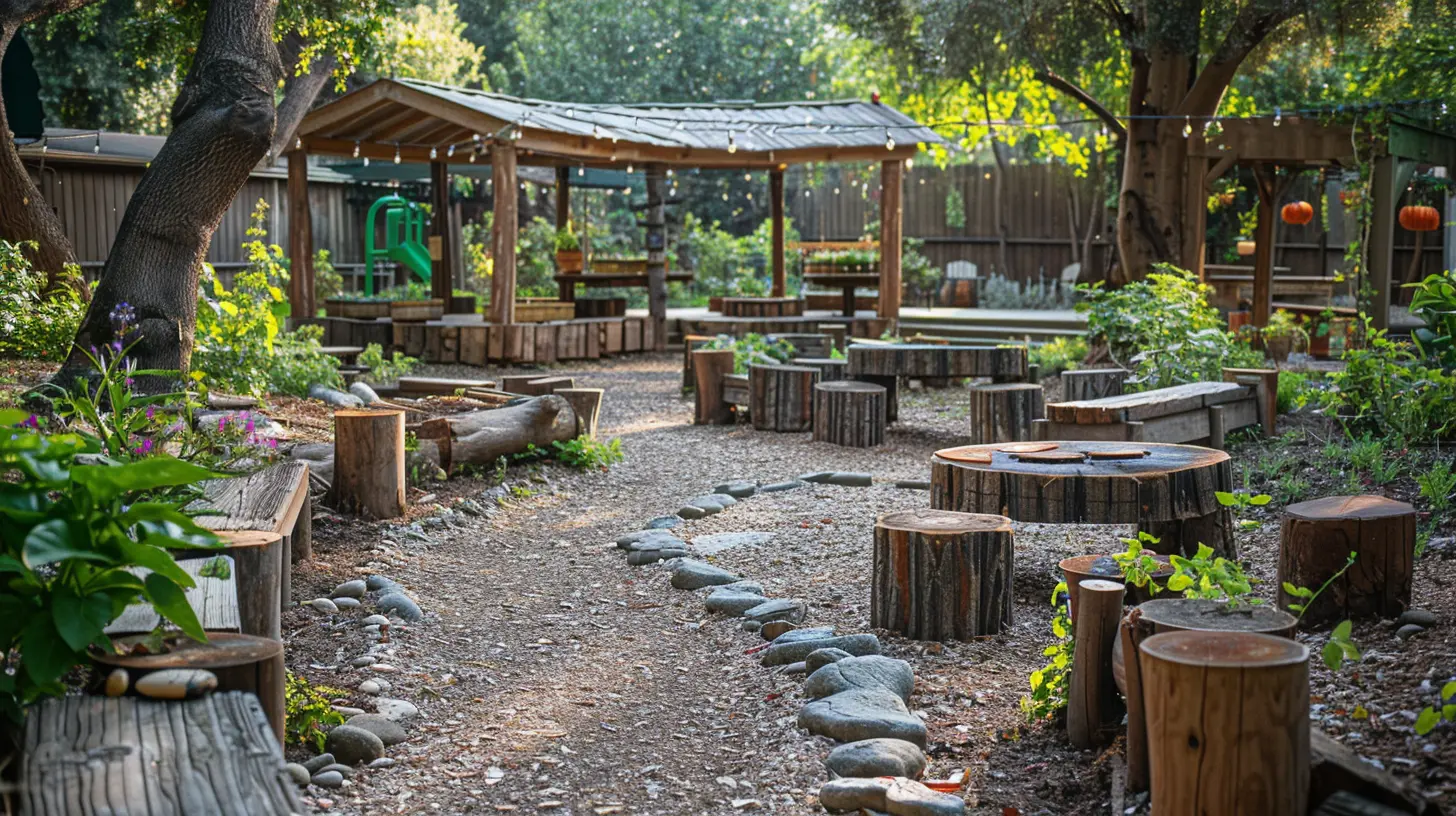
4. Sparks Creativity and Imagination
Give a child a stick and a pile of leaves, and suddenly they’re creating castles, swords, or secret hideouts. Outdoor learning fuels imagination like nothing else.- Encourages Open-Ended Play – Unlike structured indoor activities, nature allows for boundless creativity.
- Inspires Problem-Solving – Kids are constantly faced with little challenges—crossing a stream, climbing a tree, or figuring out how to build something. These experiences help them think critically and adapt.
- Stimulates Curiosity – Nature is full of wonders. A simple hike can lead to questions about plants, animals, and ecosystems, sparking a natural love for learning.
When kids are free to imagine and create, they build crucial cognitive skills that serve them for life.
5. Strengthens a Connection with Nature
With climate change and environmental issues becoming more pressing, it’s crucial for kids to develop an appreciation for nature early on.- Encourages Environmental Stewardship – When kids learn outdoors, they develop a deeper connection with the environment, making them more likely to care for it as they grow up.
- Teaches Responsibility – Gardening, taking care of plants, or cleaning up nature trails instills a sense of responsibility in young learners.
- Enhances Outdoor Appreciation – A child who spends time outdoors is more likely to grow into an adult who values the natural world.
A strong bond with nature can foster lifelong habits of sustainability and conservation.
6. Improves Focus and Concentration
Struggling to keep your child engaged in lessons? Taking learning outdoors might be the game-changer you need.- Reduces Distractions – While classrooms can become monotonous, outdoor settings are dynamic yet soothing, helping kids concentrate better.
- Encourages Hands-On Learning – Kids learn best when they can see, touch, and experience things firsthand.
- Increases Interest in Learning – A math lesson about measurements suddenly becomes exciting when it involves sticks and rocks instead of paper and pencil.
Studies have shown that kids who spend more time learning outdoors tend to perform better academically, thanks to improved focus and engagement.
7. Supports Emotional Development
Outdoor play isn't just about running around—it plays a huge role in emotional growth, too.- Builds Confidence – Overcoming outdoor challenges, like climbing a rock or navigating a hiking trail, boosts self-esteem.
- Fosters Independence – Kids learn how to explore and make decisions on their own, encouraging independence.
- Teaches Risk Assessment – Outdoor activities help kids understand dangers and make smart, safe choices.
Emotional intelligence is key to success in life, and outdoor learning provides plenty of opportunities for growth in this area.
8. Encourages a Love for Lifelong Learning
At its core, outdoor learning makes education feel less like a chore and more like an adventure.- Makes Learning Fun – Kids naturally enjoy being outside, so incorporating education into outdoor play keeps them engaged.
- Encourages Self-Directed Learning – When kids are curious about something they find in nature, they’re more likely to seek out answers independently.
- Fosters an Exploratory Mindset – Learning doesn’t just happen in classrooms or textbooks—it happens everywhere!
When kids associate learning with adventure and discovery, they develop a lifelong passion for education.
Final Thoughts
Outdoor learning isn't just a fun alternative to traditional schooling—it’s a powerful tool that benefits kids in countless ways. From boosting physical health and mental well-being to fostering creativity, independence, and social skills, letting kids learn in nature sets them up for success.So, the next time your child is glued to a screen, why not take the learning outside? Whether it's a simple walk in the park, a backyard science experiment, or a full-blown nature adventure, the benefits speak for themselves.
Ready to embrace outdoor learning? Lace up those sneakers, head outside, and let nature be the classroom!
all images in this post were generated using AI tools
Category:
Child DevelopmentAuthor:

Olivia Lewis
Discussion
rate this article
1 comments
Gemma Ross
Outdoor learning offers children invaluable experiences that enhance their creativity, social skills, and connection to nature. Engaging with the environment fosters curiosity and critical thinking, laying a strong foundation for lifelong learning.
June 19, 2026 at 4:09 AM
Olivia Lewis
I completely agree. Outdoor learning not only sparks creativity but also builds important social skills and a deep appreciation for nature. It's a powerful way to encourage curiosity and critical thinking in kids.