The Future of Education: Personalization Through Learning Styles
16 January 2026
Education is evolving faster than ever. With advancements in technology and new teaching methodologies, one-size-fits-all learning is becoming a thing of the past. Instead, personalized learning—tailored to individual students’ learning styles—is taking center stage.
But what does that mean for the future of education? How can schools and educators adapt to a system that recognizes each student’s unique way of learning? Let’s dive deep into this exciting transformation.
Understanding Learning Styles
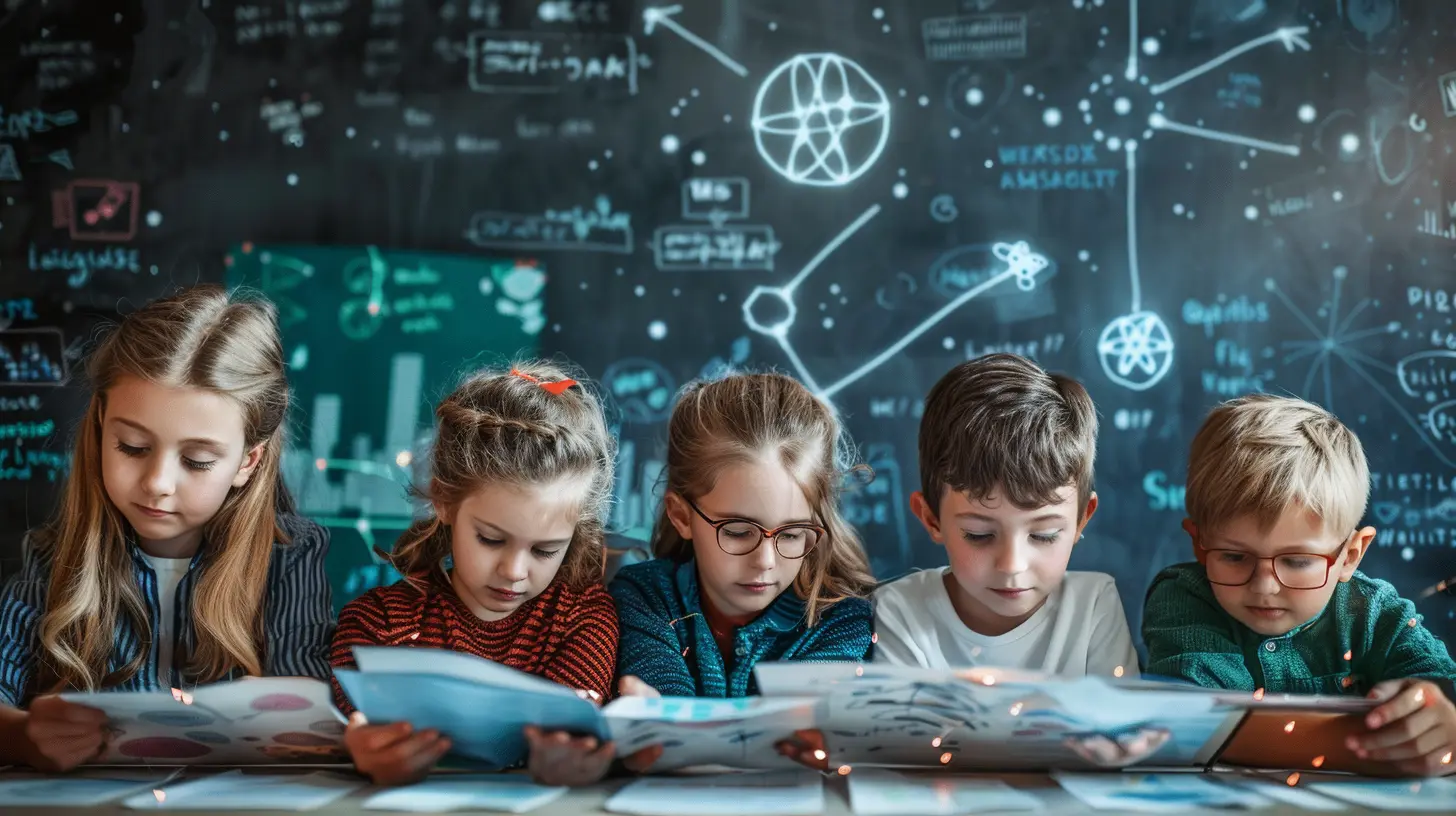
Before we explore the future, let's first break down learning styles—the foundation of personalized education.Every student absorbs and processes information differently. While some grasp concepts visually, others prefer listening, reading, or hands-on activities. The most commonly recognized learning styles include:
- Visual Learners – They learn best through images, charts, and diagrams. These students prefer seeing information rather than hearing it.
- Auditory Learners – They absorb knowledge through sound, lectures, and discussions. Podcasts and audiobooks are their best friends.
- Reading/Writing Learners – They thrive by engaging with written words, whether it’s through textbooks, notes, or essays.
- Kinesthetic Learners – These students learn best through hands-on experiences, experiments, and physical activities.
Understanding a student's preferred learning style can radically enhance their educational experience. Now, let’s look at how education is becoming more personalized.

The Shift Toward Personalized Learning
For years, traditional classrooms followed a one-size-fits-all approach—a single teaching method applied to all students. But let’s be honest, not everyone learns the same way. A lecture-based style might be great for auditory learners but ineffective for visual or kinesthetic learners.That’s where personalized learning comes in. Instead of forcing students to fit into the system, the education system is adapting to fit them.
How Technology Is Driving Personalization
Technology is playing a huge role in shaping personalized learning. With innovative tools and data-driven insights, educators can now tailor lessons based on a student’s strengths, weaknesses, and preferences.1. AI-Powered Learning Platforms
Artificial Intelligence (AI) is revolutionizing education. Platforms like Khan Academy, Duolingo, and Coursera use AI to analyze student performance and recommend personalized content. For example, if a student struggles with fractions, AI can suggest additional exercises or offer a different teaching method, like videos or interactive games.2. Adaptive Learning Software
Adaptive learning platforms, such as DreamBox and Smart Sparrow, adjust the difficulty of lessons based on how a student performs. If a learner is excelling, the software presents more challenging tasks. If they struggle, it goes back to the basics. This ensures students progress at their own pace, preventing frustration or boredom.3. Virtual and Augmented Reality (VR/AR)
Think about learning human anatomy by "walking through" a virtual human body in 3D. Sounds cool, right? VR and AR allow students to experience subjects in a way that textbooks never could. These technologies are especially helpful for visual and kinesthetic learners, making abstract concepts tangible and immersive.4. Gamification in Education
Who doesn’t love games? Gamification is making learning more engaging. Apps like Kahoot! and Quizizz turn lessons into competitions, rewarding students for progress. This approach caters to kinesthetic learners who prefer interactive and engaging ways to absorb information.The Role of Teachers in a Personalized Education System
While technology is transforming education, teachers remain irreplaceable. Their role is shifting from distributors of knowledge to facilitators and mentors.1. Data-Driven Teaching
With AI and analytics, teachers can track students' progress in real-time, identifying strengths and areas needing improvement. Instead of guessing, they can make informed decisions on how to guide each student.2. One-on-One Mentorship
Teachers are becoming more like coaches, offering personalized guidance instead of just delivering lectures. Small-group sessions and one-on-one tutoring sessions allow for deeper understanding and meaningful connections between educators and students.3. Project-Based Learning
In a personalized education system, hands-on projects tailored to students’ interests become the norm. Instead of memorizing formulas, students could design bridges, build apps, or create business plans—real-world applications of knowledge.
The Benefits of Personalized Learning
So, why is personalization the future of education? Here are some compelling benefits:1. Higher Engagement & Motivation
When lessons align with students’ natural learning styles, they become more engaged. If a student loves music, why not teach historical events through song lyrics? This keeps learning fun and meaningful.2. Reduced Stress & Anxiety
Ever felt overwhelmed by a complex topic? Personalized learning prevents students from feeling left behind. They can take their time mastering subjects without the pressure of keeping up with a rigid curriculum.3. Improved Academic Performance
Studies show that students perform better when lessons are tailored to their preferences. When they understand concepts in a way that makes sense to them, their retention and comprehension improve significantly.4. Encourages Independence & Self-Learning
Personalized education fosters a culture of independent learning. Instead of relying solely on teachers, students develop critical thinking and problem-solving skills, preparing them for real-world challenges.
Challenges & Considerations
While personalized education is promising, challenges still exist.1. Access to Technology
Not all schools have access to high-end ed-tech tools. Bridging the digital divide to ensure every student benefits remains a major hurdle.2. Teacher Training & Resistance to Change
Shifting to personalized learning requires teachers to adapt their teaching approaches. Some educators may resist change, requiring proper training and support.3. Privacy & Data Security
With technology collecting vast amounts of student data, ensuring privacy and security is crucial. Schools must implement strict measures to protect students' information.The Road Ahead: What’s Next for Personalized Learning?
The future of education is exciting and dynamic. As technology continues to advance, learning will become even more interactive, adaptive, and student-focused.Here’s what we can expect:
- AI-powered personal tutors capable of offering real-time feedback and guidance.
- Fully immersive VR classrooms, where students can "visit" historical events or explore outer space.
- A curriculum based on strengths and interests, rather than rigid grade levels.
- Greater emphasis on soft skills like creativity, emotional intelligence, and collaboration.
One thing is certain—education is no longer about memorization. It’s about fostering curiosity, creativity, and lifelong learning.
Final Thoughts
Traditional education may have worked for the past century, but the future demands something better—something personalized. By embracing learning styles, leveraging technology, and focusing on student strengths, we can create an education system that empowers every learner.The future of education isn’t standardized; it’s customized. And that’s a future worth striving for.
all images in this post were generated using AI tools
Category:
Learning StylesAuthor:

Olivia Lewis
Discussion
rate this article
2 comments
Kael Wheeler
Education is not a one-size-fits-all model. Embracing diverse learning styles is essential for unlocking every student's potential. We must challenge outdated methods and prioritize personalized learning approaches that empower individuals, fostering true engagement and growth. The future demands nothing less than innovation and adaptability.
January 30, 2026 at 4:19 AM
Olivia Lewis
Absolutely! Embracing diverse learning styles is crucial for unlocking each student's potential. Personalized approaches will drive innovation and engagement, paving the way for a more effective future in education.
Felix Simmons
This article beautifully emphasizes the power of personalized education! By recognizing and adapting to individual learning styles, we can unlock each student's potential, fostering a generation of curious, passionate learners. Let's embrace this transformative approach to shape a brighter future for education!
January 17, 2026 at 4:59 AM
Olivia Lewis
Thank you for your thoughtful comment! I completely agree—embracing personalized education is key to unlocking each student’s unique potential. Let’s continue to advocate for this transformative approach!