The Growing Importance of Biotechnology in STEM Education
17 December 2025
Biotechnology is no longer just a niche field for scientists in lab coats; it's becoming an essential part of STEM (Science, Technology, Engineering, and Mathematics) education. From medicine to agriculture, biotech is revolutionizing industries, and schools are catching on. As we step into an era driven by DNA sequencing, genetic engineering, and bioinformatics, educators are incorporating biotechnology into curricula to prepare students for the future.
But why is biotechnology so crucial in STEM education? Why should students—whether in high school or university—pay attention to this field? Let’s dive into the growing significance of biotechnology in STEM and how it’s shaping the next generation of innovators.
Understanding Biotechnology in STEM
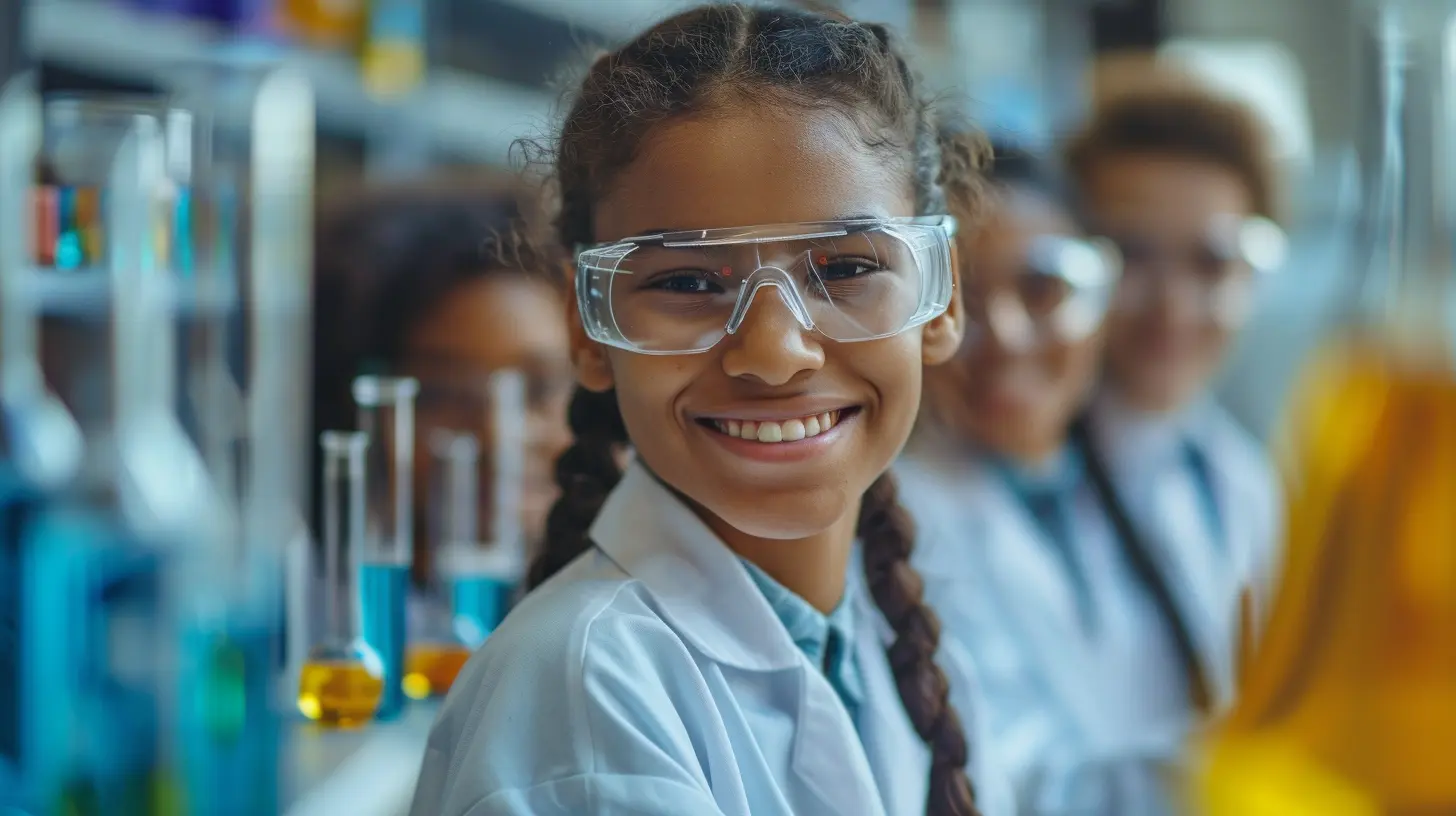
At its core, biotechnology involves using living organisms or biological systems to develop useful products, processes, or technologies. It's a vast field that includes everything from cloning and genetic modification to biofuel production and drug development.Traditionally, STEM education focused heavily on mathematics, physics, and computer science. While those areas remain essential, biotech introduces a new dimension—one that connects biology with innovation in ways we never imagined. Whether it’s developing sustainable food sources or engineering bacteria to break down plastic waste, biotechnology is making STEM more dynamic and relevant.
The Evolution of Biotechnology in Education
A decade ago, biotechnology was often limited to specialized college courses or postgraduate studies. Today, high schools and even middle schools are introducing basic biotech concepts. Why? Because the world is rapidly changing, and students need to be equipped with knowledge that prepares them for real-world applications.- Hands-on Learning: Schools now offer lab experiences where students can extract DNA, grow bacteria, or work with genetic sequences.
- Interdisciplinary Connections: Biotech merges with chemistry, physics, and computer science, offering a multifaceted learning experience.
- Career Preparation: The biotech industry is booming, and students trained in these skills will be at the forefront of innovation.
Why Biotechnology Matters in STEM Education
1. Bridging Science and Technology
Biotechnology is where biology meets technology, making it an exciting field for students interested in both. It brings the digital world into the life sciences, showing how data, algorithms, and AI can transform medicine, agriculture, and environmental science.Take bioinformatics, for example. It uses computational tools to understand biological data—like decoding entire human genomes. Without knowledge of both biology and tech, this wouldn’t be possible.
2. Addressing Global Challenges
We’re facing enormous global issues: climate change, food shortages, antibiotic resistance, and pandemics. Biotechnology provides solutions.- Agricultural Biotechnology: Scientists are engineering crops that resist pests and tolerate harsh climates.
- Medical Biotechnology: mRNA vaccines (like the COVID-19 vaccines) were developed using cutting-edge biotech.
- Environmental Biotechnology: Bacteria that consume pollution or biofuels that replace fossil fuels are saving the planet.
When students learn biotechnology, they’re not just studying science—they’re learning how to tackle real-world challenges.
3. Encouraging Critical Thinking and Problem-Solving
STEM is all about solving problems, and biotechnology teaches students to think critically and creatively. Biotech challenges students to ask tough questions:- How can we cure diseases without harming the environment?
- Can we develop lab-grown meat to reduce reliance on livestock farming?
- Is it ethical to modify human DNA to prevent diseases?
By engaging with these questions, students develop skills in ethical reasoning, scientific inquiry, and technological problem-solving.
4. Opening Doors to High-Demand Careers
The biotech industry is exploding. According to industry reports, the global biotechnology market is expected to reach $3.88 trillion by 2030. This growth means more jobs in:- Genetic engineering
- Biomedical research
- Agricultural science
- Pharmaceutical development
- Environmental biotech
For students interested in a stable, high-paying career, biotechnology is a goldmine.
5. Fostering Innovation and Entrepreneurship
Biotech isn’t just about working in a lab—it’s about creating the next big thing. Many biotechnology breakthroughs come from startups and young entrepreneurs. Companies like CRISPR Therapeutics and Beyond Meat were founded by innovators who saw biotech’s potential.STEM education infused with biotechnology encourages students to think beyond textbooks. They’re pushed to develop new ideas, test hypotheses, and even start their own biotech ventures.
How Schools Are Embracing Biotechnology
1. Incorporating Biotechnology into the Curriculum
Many schools are integrating biotechnology into their science programs. Some offer biotechnology electives, while others embed biotech lessons into biology, chemistry, and even computer science classes.For example:
- High schools are teaching CRISPR gene editing in AP Biology.
- Colleges are offering interdisciplinary biotech degrees.
- STEM programs are providing lab-based biotech research opportunities.
2. Hands-On Learning with Lab Activities
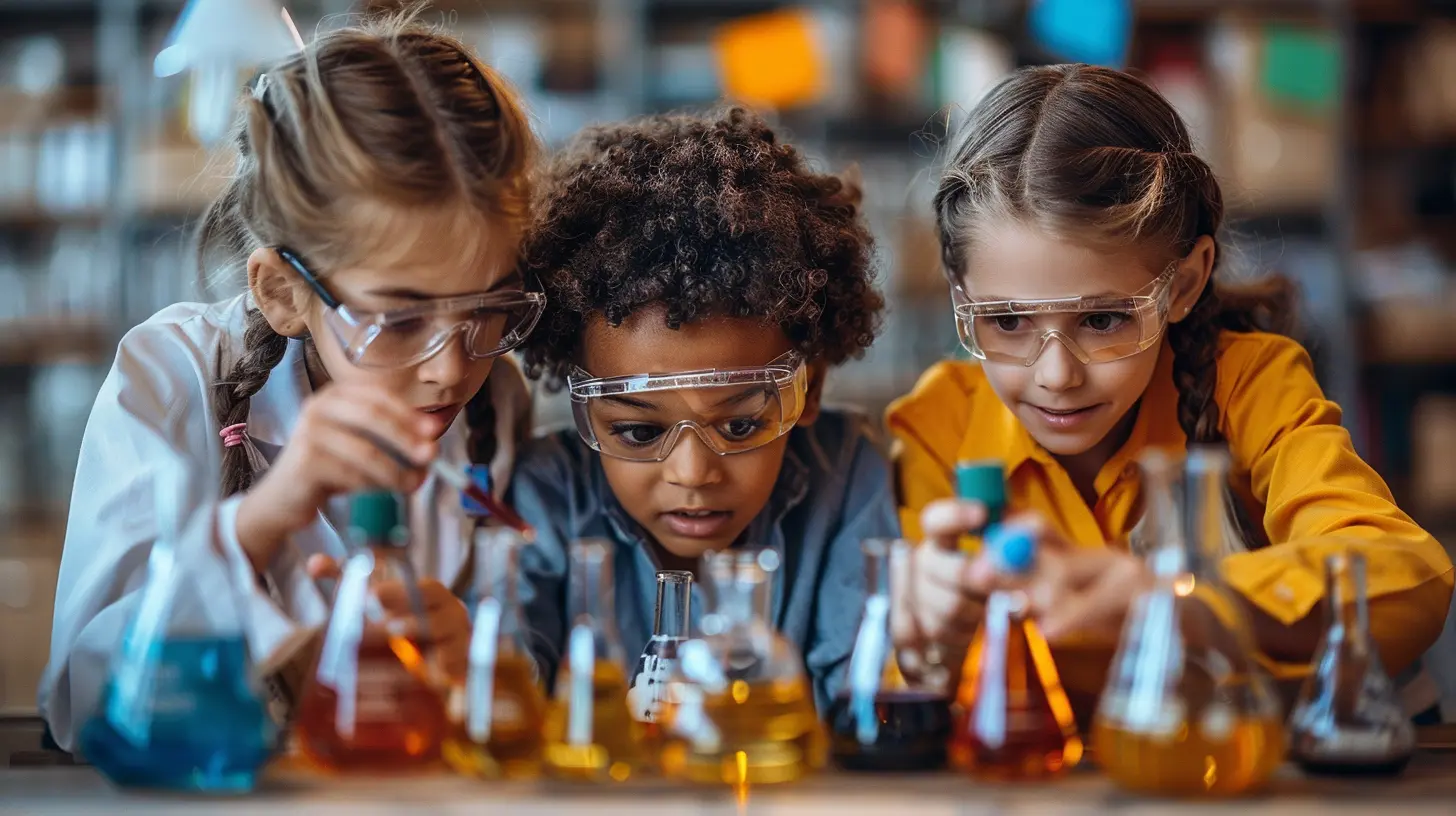
Biotechnology is best learned through hands-on experiences. Schools are investing in biotech labs, where students can:- Extract and analyze DNA
- Learn about polymerase chain reactions (PCR)
- Experiment with bacterial cultures
- Test bioremediation techniques
These experiences prepare students for real-world biotech careers and research.
3. Collaboration with Industry Leaders
Schools and universities are forming partnerships with biotech companies and research labs. These collaborations provide students with:- Internships and apprenticeships in biotech firms
- Workshops with industry professionals
- Research opportunities in cutting-edge fields
By connecting students with industry leaders, schools ensure that biotech education stays relevant and applicable.
4. Encouraging STEM Clubs and Competitions
Many schools support biotechnology clubs, where students can dive deeper into genetic engineering, synthetic biology, and medical research. Competitions like the iGEM (International Genetically Engineered Machine) competition challenge students to develop real-world biotech solutions.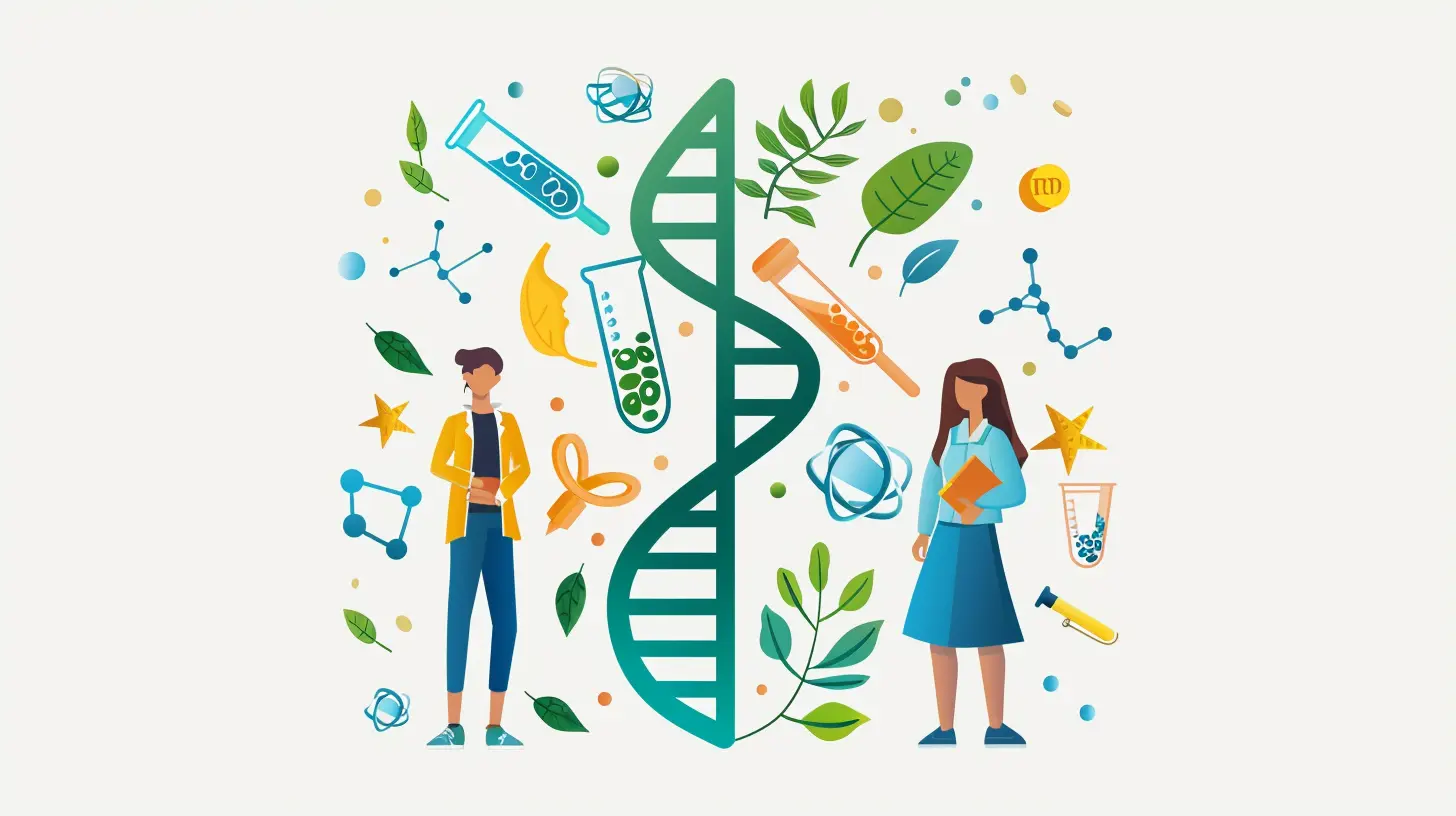
The Future of Biotechnology in STEM
The role of biotechnology in STEM education is only going to grow. As artificial intelligence, big data, and nanotechnology merge with biotech, new opportunities will emerge. Imagine a world where students use AI to design synthetic genes or where robotic labs conduct experiments remotely.To prepare for this future, educational institutions must continue to adapt, innovate, and invest in biotechnology education. The students learning biotech today will be the scientists, engineers, and entrepreneurs solving tomorrow's biggest problems.
Final Thoughts
Biotechnology is not just another subject in STEM education—it’s the future. As we face global challenges in medicine, agriculture, and the environment, biotech provides the tools to make meaningful change. By integrating biotechnology into classrooms, students gain the skills and knowledge needed to lead the next wave of innovation.So, whether you're a student considering a STEM career or an educator looking for ways to enhance your curriculum, biotechnology deserves your attention. The world is changing, and biotech is leading the charge. Will you be part of the revolution?
all images in this post were generated using AI tools
Category:
Stem EducationAuthor:

Olivia Lewis
Discussion
rate this article
2 comments
Norah Myers
This article effectively highlights the crucial role of biotechnology in STEM education. By integrating cutting-edge biotechnological practices into curricula, educators can inspire the next generation of innovators and problem solvers. Emphasizing biotechnology's relevance will undoubtedly enhance student engagement and prepare them for future challenges.
December 22, 2025 at 7:42 PM
Olivia Lewis
Thank you for your insightful comment! I completely agree that integrating biotechnology into STEM education is essential for inspiring future innovators and addressing upcoming challenges.
Reagan Richardson
Excellent insights on biotechnology's educational impact!
December 19, 2025 at 2:08 PM
Olivia Lewis
Thank you! I'm glad you found the insights valuable.