The Impact of 3D Printing on Student Creativity"
21 February 2026
Let’s face it—classroom learning has come a long way from chalkboards and overhead projectors, hasn’t it? In today’s tech-driven world, students are no longer limited to pen, paper, and textbooks. One revolutionary tool shaking up modern education is 3D printing, and let me tell you—it’s doing wonders for student creativity.
But what does 3D printing really mean for a student’s imagination? How exactly is it fueling creativity in ways traditional methods couldn’t dream of? Pull up a chair (or better yet, design one on a 3D printer), and let’s dive into how this technology is reshaping education from the inside out.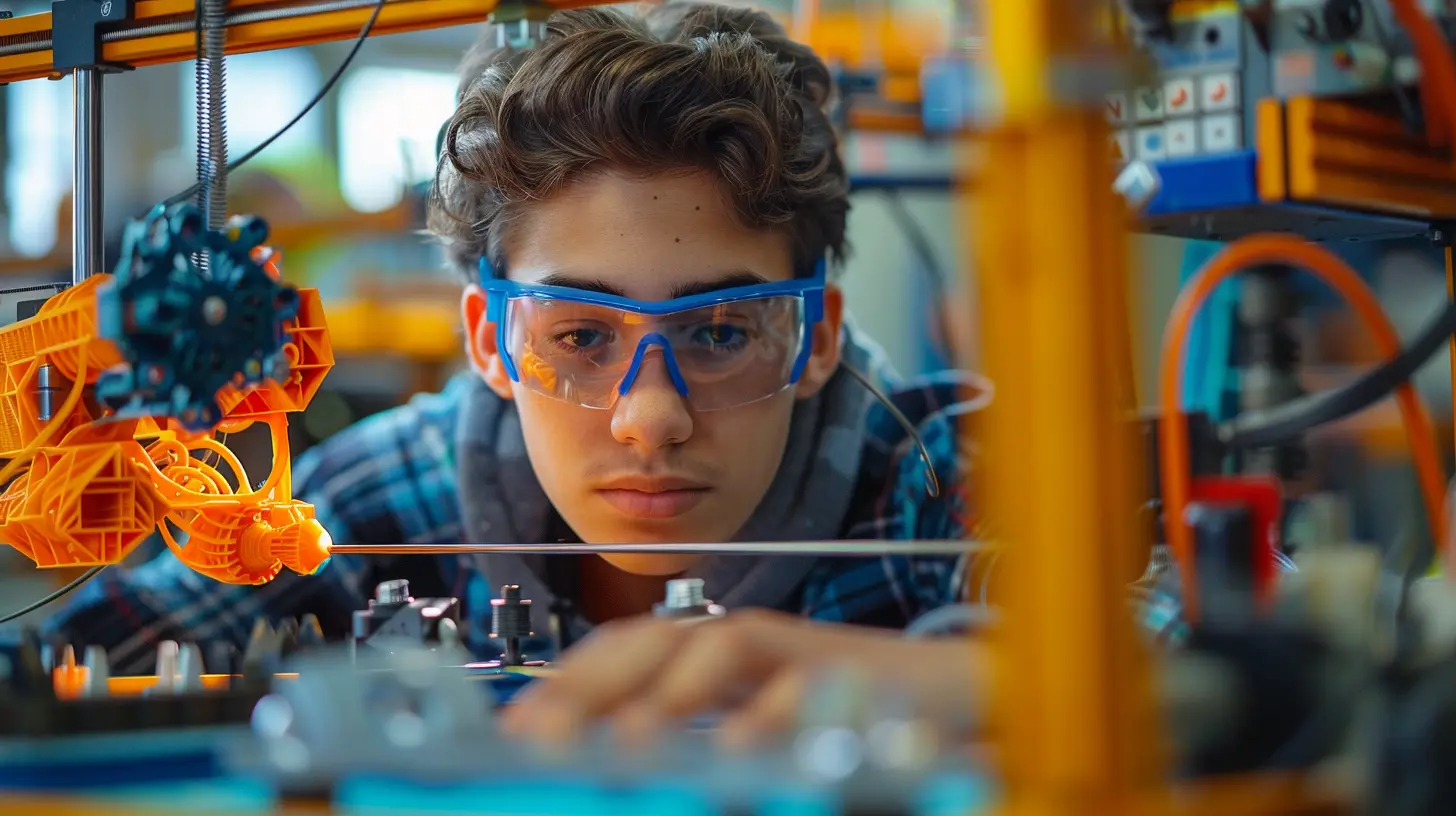
🎨 What is 3D Printing Anyway?
Before we go full throttle into its impact, let’s quickly break down what 3D printing is. Simply put, 3D printing—also known as additive manufacturing—is the process of creating three-dimensional objects from a digital file. Think of it as baking a cake layer by layer—but instead of frosting, it uses plastic or other materials to build something real you can touch, hold, and use.Now imagine handing that cupcake-sized printer to a student and telling them, “Go ahead, make anything you want.” The possibilities? Endless.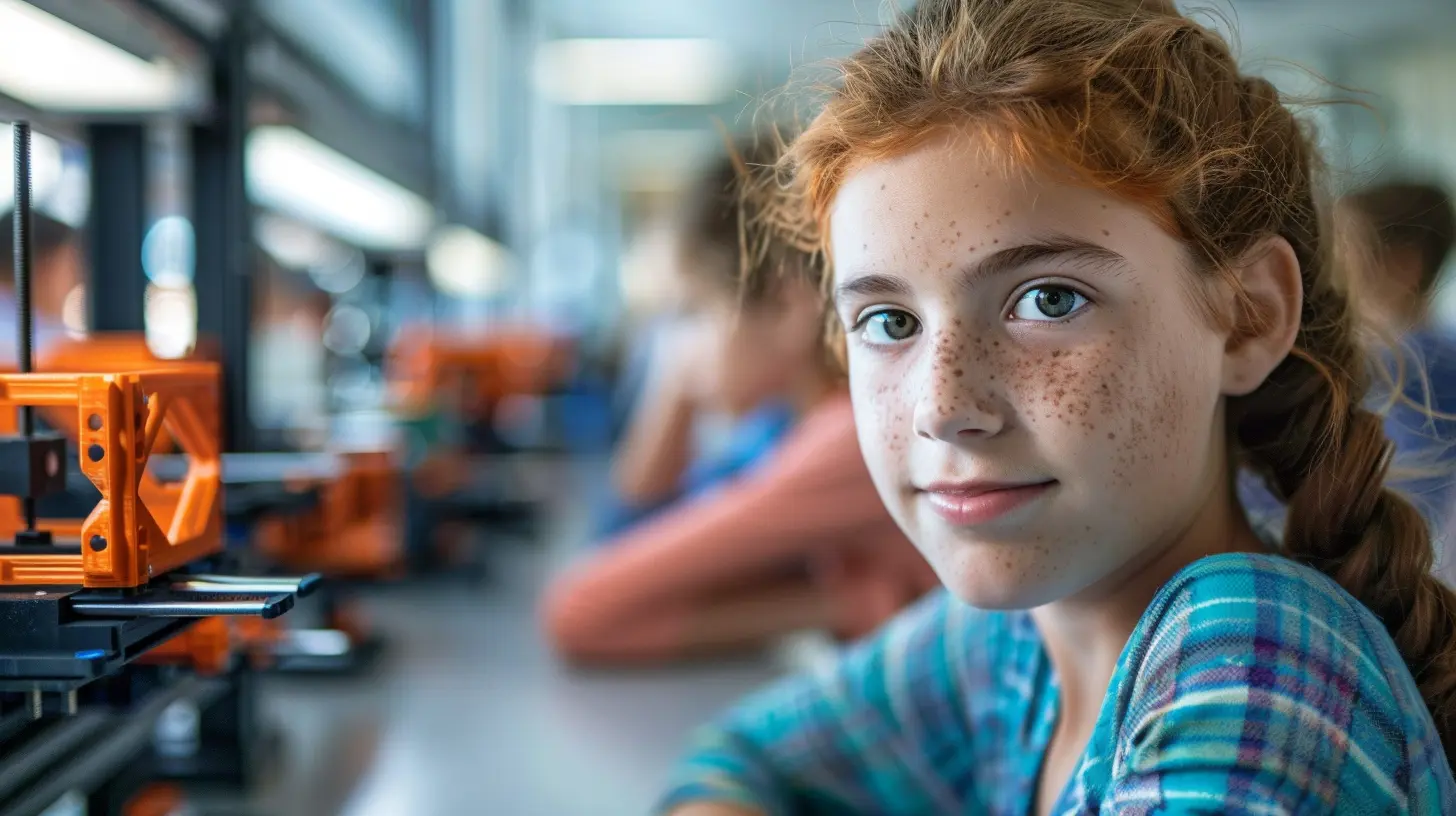
🧠 Creativity in the Classroom: Why It Matters
Now, let’s tackle the big question: why should we even care about student creativity?Creativity isn’t just about painting or doodling—it’s a crucial skill for problem solving, critical thinking, innovation, and even empathy. Whether a student dreams of becoming an engineer or an entrepreneur, the ability to think outside the box is essential. And yet, many traditional classrooms stick to rigid formats that don’t exactly scream “imagination station.”
That’s where 3D printing steps in like a superhero with a filament cape.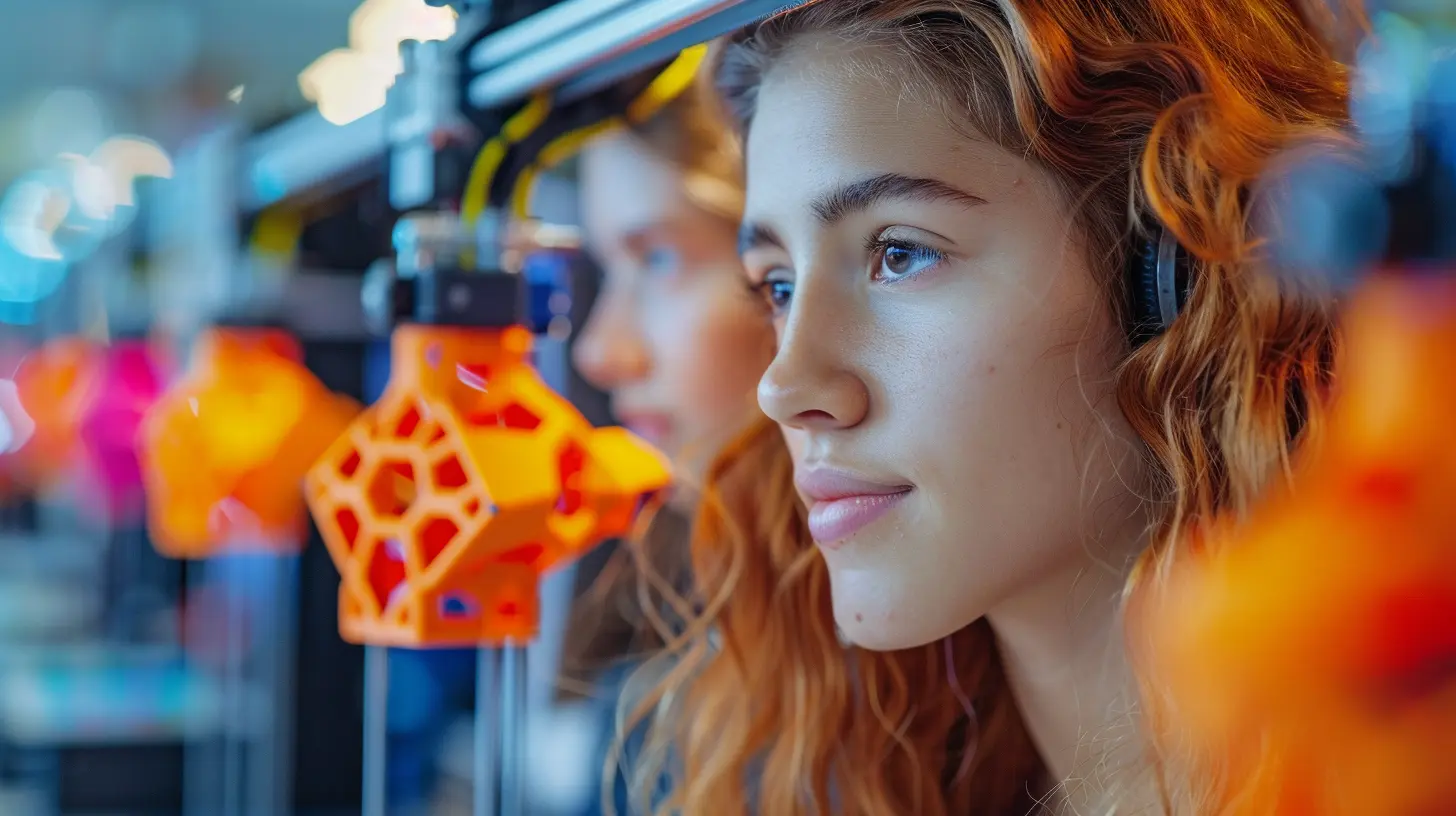
🛠️ 3D Printing as a Creativity Catalyst
Okay, so how exactly does 3D printing supercharge creativity in students?1. Turning Imagination Into Reality
When students design a 3D model, they’re not just dreaming—they’re creating. It’s the difference between imagining a spaceship and actually printing one right on your desk. This physical manifestation of imagination makes ideas tangible and boosts creative confidence.Students begin to realize, “If I can think it, I can make it.” That’s a game-changer.
2. Encouraging Trial and Error
Unlike a written essay that feels final once submitted, 3D printing is all about iteration. You try, you fail, you tweak, and you try again. This interactive process teaches resilience and fosters creative risk-taking.Ever tried printing a prototype that ended up looking like a melted jellybean? That’s okay! Each failed attempt is just another step toward an even better idea.
3. Interdisciplinary Learning
This is where things get spicy. 3D printing blends art, math, engineering, and science into one delicious learning soup. Want to design a model of a human heart? Biology meets design. Need to calculate weight distribution for a bridge? Enter physics and math.This blend exercises both the logical and artistic sides of the brain—talk about a creativity workout.
4. Collaboration and Communication
Here’s something we don’t talk about enough: great creativity often comes from collaboration. When students work on 3D printing projects together—whether it’s designing a model village or building a robot—they’re brainstorming, problem-solving, and sharing skills.Plus, they learn to communicate complex ideas more clearly, which is creativity’s best friend.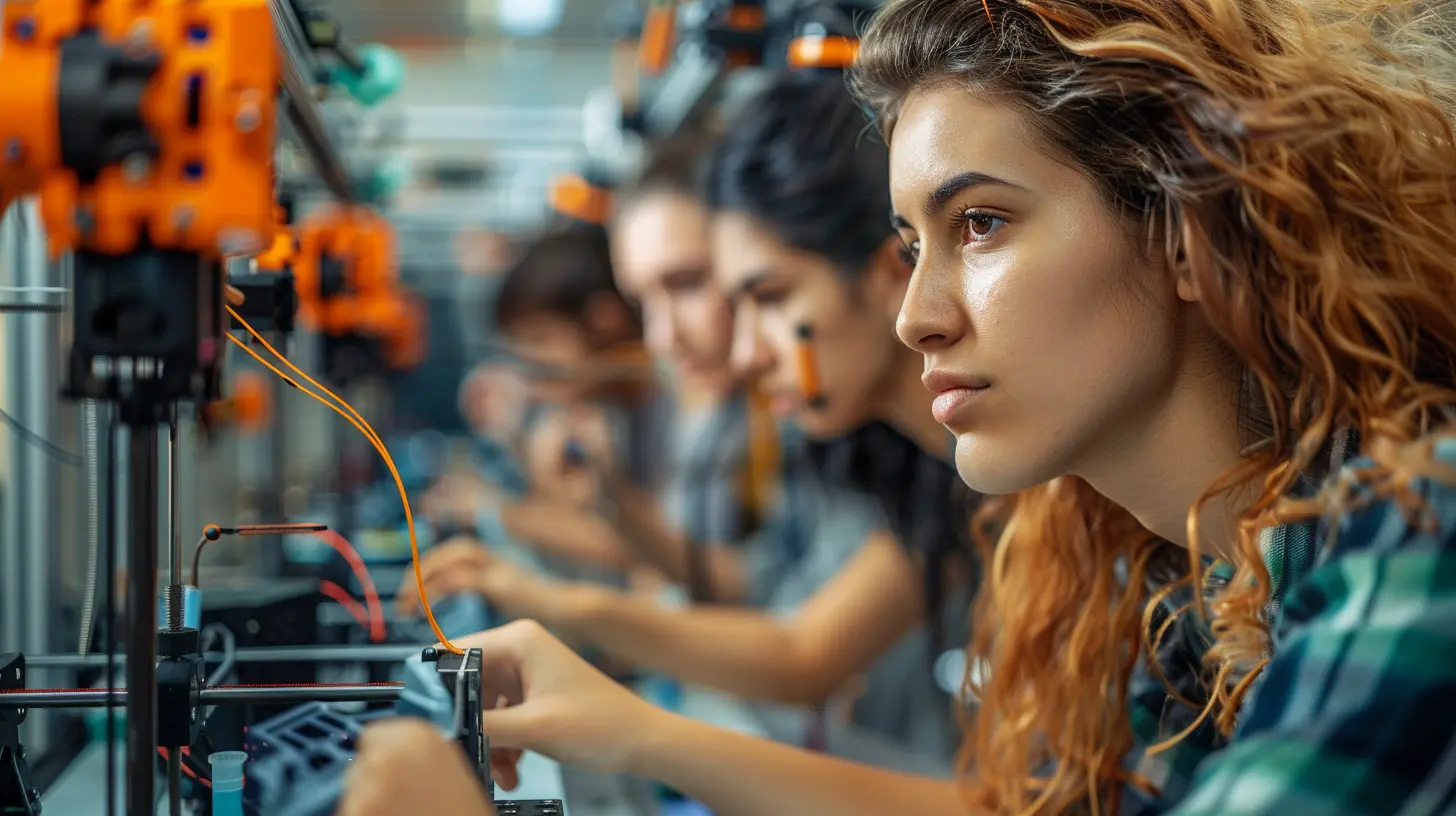
🧒 Real-Life Classroom Applications That Spark Creativity
Let’s bring it down to Earth. Here's how some schools and teachers are using 3D printing to unlock imagination in real, practical ways.🎭 1. Custom Educational Tools
Think tactile models of molecules, geometric shapes, or even ancient artifacts. Students are not just using these tools—they're creating them. That level of hands-on design cements knowledge in a way lectures never could.🦿 2. Assistive Devices and Social Impact
In some cases, students have used 3D printers to design prosthetics or custom tools for people in need. Talk about real-world problem-solving with heart! That’s creativity with a conscience.🚀 3. STEM Projects with Artistic Flair
Teachers are combining STEM with the arts (hello, STEAM!) by letting students design and print their own musical instruments, inventions, or even fashion accessories. It’s like having a tech lab and art studio rolled into one.🧩 4. History and Literature Projects
Students recreate historical artifacts, build models of ancient structures, or bring scenes from books to life—literally. It makes storytelling and history more immersive and sparks an emotional connection to learning.🧭 The Role of Teachers in Guiding Creative Exploration
You might be thinking, “This sounds awesome, but what about teachers? Are they just handing out printers and hoping for the best?”Far from it.
Teachers are the real MVPs here. They guide students on how to brainstorm, use software, iterate designs, and reflect on their creations. They help students link their ideas to real-world problems and encourage that “what if?” mindset that fuels creativity.
And guess what? Teachers don’t need to be 3D printing experts themselves. With user-friendly tools and online resources galore, many educators are diving into the world of 3D design right alongside their students. It’s learning together—and that’s powerful.
🧱 Breaking Down Creative Barriers
Let’s talk about students who usually struggle to express themselves in traditional ways. Not everyone is a whiz with words or aces every math quiz. For many students, 3D printing offers a new outlet—a visual and tactile path to discovery.Some students who are quiet in class blossom when they’re able to build something amazing. Suddenly, they’re leading group discussions, explaining design choices, and beaming with pride. That’s not just creativity. That’s empowerment.
⚖️ The Challenges: Not All Sunshine and Rainbows
Alright, let’s keep it real. 3D printing isn’t magic. There are hiccups.- Not every school has access to printers due to cost
- Technical issues can be frustrating for beginners
- It takes time to teach both students and teachers how to use them effectively
But here’s the upside: as technology evolves, printers are becoming more affordable and user-friendly. Grants, community partnerships, and open-source software are helping level the playing field. The future is looking brighter.
🔮 The Future of Creativity in Education
So, what’s next? Well, as 3D printing continues to grow in schools, we’re going to see even more innovative uses—from bioprinting models for medical students to architecture students creating complex structures in minutes.And as artificial intelligence and virtual reality join the education party, 3D printing is likely to play a key role in this digital transformation. Together, these tools won’t just teach students what to think—they’ll empower them to imagine what could be.
💡 Final Thoughts: Creativity Takes Shape
Here’s the thing: creativity isn’t a talent reserved for artists and inventors. It’s a mindset. A muscle we can all build. And 3D printing? It’s like a creative gym that’s open to every student, no matter their background or learning style.In the hands of curious minds, a 3D printer becomes more than a gadget—it becomes a gateway to infinite ideas. When students see their thoughts come to life layer by layer, they’re not just learning—they’re creating, innovating, and most importantly, believing in the power of their own imagination.
So the next time a student presses “Print” on their design, remember: they’re not just building a plastic model—they’re shaping the future.
all images in this post were generated using AI tools
Category:
Classroom TechnologyAuthor:

Olivia Lewis
Discussion
rate this article
2 comments
April Morrow
This article beautifully highlights how 3D printing fuels student creativity, empowering them to bring their ideas to life. Truly inspiring!
February 28, 2026 at 9:01 PM
Olivia Lewis
Thank you for your kind words! I'm glad the article resonated with you and showcased the transformative potential of 3D printing in education.
Finnian Parker
3D printing is a powerful tool that empowers students to unleash their creativity and turn ideas into reality. By fostering innovation and critical thinking, it equips the next generation to shape a brighter future. Let’s inspire imagination!
February 22, 2026 at 5:21 AM
Olivia Lewis
Absolutely! 3D printing indeed serves as a catalyst for creativity, enabling students to bring their innovative ideas to life and fostering crucial skills for the future. Let's keep inspiring!