The Impact of Screen Time on Childhood Development
27 July 2026
In today's fast-paced digital world, it’s nearly impossible to avoid screens. From smartphones to tablets, laptops to televisions, screens are everywhere! And while these devices have made our lives more convenient, they’ve also sparked some serious debates—especially when it comes to kids. You've probably heard people say, "Too much screen time is bad for children," but what does that really mean? How does it affect a child’s development?
Let’s dive into the world of screen time and its impact on childhood development. Buckle up!
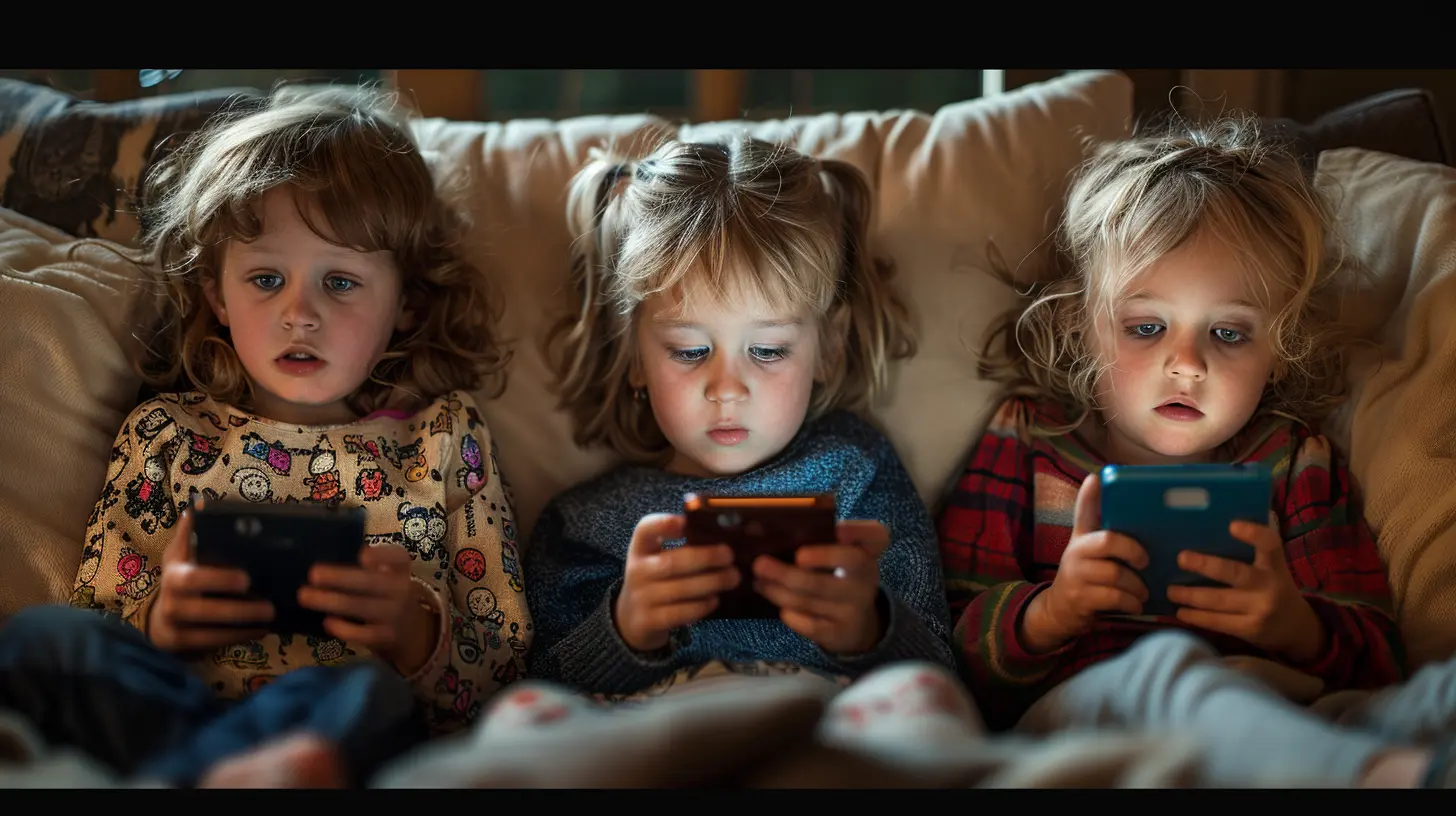
What is Screen Time?
Before jumping into its effects, let’s first clarify what we mean by "screen time." Simply put, screen time refers to the amount of time spent looking at digital screens, whether it's a phone, tablet, TV, or computer. It includes everything from playing video games to watching YouTube videos or even doing homework on a laptop.Not all screen time is equal, though. There’s a big difference between spending hours watching cartoons passively and playing an interactive educational game or engaging in a video call with family. But regardless of the activity, too much screen time can have consequences—especially for young, developing minds.

Why is Childhood Development So Important?
Childhood is a crucial time for cognitive, emotional, and social development. It's when kids learn to interact with their environment, gain language skills, develop motor abilities, and begin to understand the world around them. During these formative years, children's brains are like sponges, absorbing everything they experience. Any external influence, like screen time, can play a role in shaping how they grow.Now, the question becomes: Is screen time helping or hurting this process?
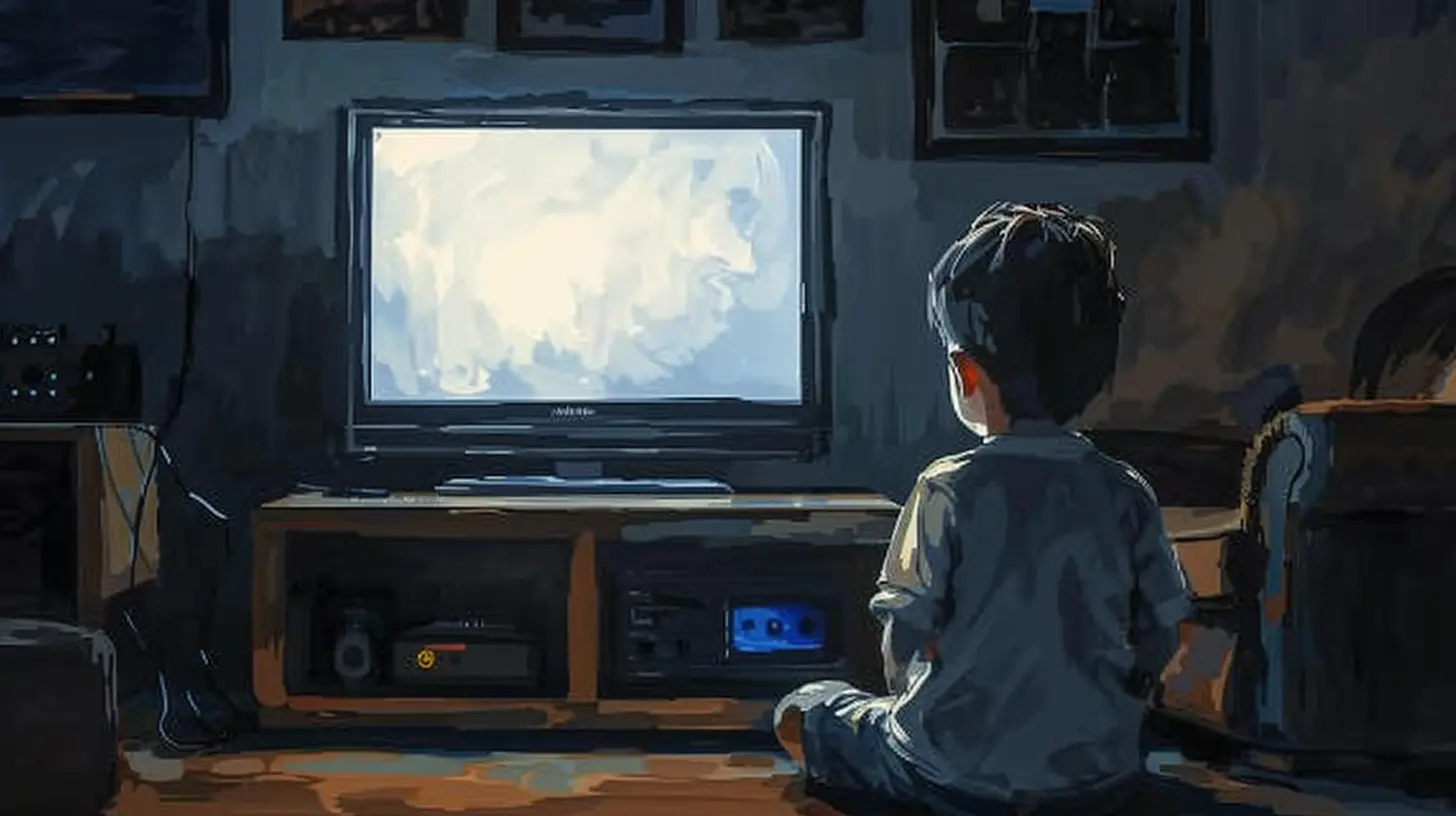
The Benefits of Screen Time (Yes, There Are Some!)
Before we jump into the concerns, let’s acknowledge that not all screen time is bad. In fact, there are some notable benefits when it comes to moderate and well-structured use of screens.1. Educational Content
The internet is overflowing with educational apps, shows, and games tailored specifically for children. Many of these tools can help kids develop literacy, numeracy, and problem-solving skills in an engaging and interactive way. Shows like Sesame Street or apps like Khan Academy Kids introduce children to foundational concepts in a fun and accessible manner.2. Social Connectivity
Especially in today’s world, technology can help kids stay connected with family and friends. Video calls, social media, and online games can provide a sense of community, especially for children who may be isolated or have limited social interaction in person.3. Creativity and Exploration
Some digital platforms encourage creativity. Apps like Toca Boca or Minecraft allow children to explore, build, and create in ways that might not be possible in the real world. These experiences can foster imaginative play and problem-solving skills.Now, while these benefits exist, it’s essential to strike the right balance. Because too much screen time—especially if it's unstructured or passive—can lead to a host of developmental issues.

The Negative Impacts of Excessive Screen Time
Alright, let’s get into it. Too much screen time can have a variety of negative effects on childhood development. And we're not just talking about eye strain or a stiff neck (though those are real, too!). Here’s a deeper look at the potential downsides.1. Delayed Cognitive Development
One of the most significant concerns with excessive screen time, especially during early childhood, is its potential to delay cognitive development. Studies have shown that children who spend a lot of passive time in front of screens—like watching TV or YouTube—may struggle with language development and critical thinking skills. Why? Because passive screen time doesn’t provide the feedback and engagement that young brains need to grow.Think of it this way: If a child spends hours mindlessly watching cartoons, they miss out on activities that stimulate cognitive growth—like reading, playing with physical toys, or engaging in face-to-face conversations. These interactions are crucial for developing language skills, problem-solving abilities, and creativity.
2. Impaired Social Skills
Kids learn a lot by observing and mimicking the people around them. When screen time replaces face-to-face interaction, children miss out on the chance to develop essential social skills. For instance, they might struggle with understanding body language, making eye contact, or engaging in healthy back-and-forth conversations.If a child is glued to a screen during family dinners, playdates, or even just daily routines, they lose opportunities to practice these social interactions. Over time, this can hinder their ability to form meaningful relationships and navigate social situations.
3. Sleep Disruption
Here’s something almost every parent can relate to: screens can seriously mess with a child’s sleep. The blue light emitted by screens can interfere with the body’s production of melatonin, the hormone that regulates sleep. This is especially problematic if children are using screens late into the evening or right before bed.Lack of sleep can then snowball into other developmental issues. Sleep is crucial for brain development, memory consolidation, and emotional regulation. Without adequate rest, children may struggle with attention, learning, and mood control.
4. Physical Health Concerns
We can’t forget about the physical impacts. Kids who spend too much time in front of screens are more likely to lead sedentary lifestyles. This can lead to weight gain, poor posture, and even an increased risk of childhood obesity.Children need physical activity for healthy growth and development. Running, jumping, climbing, and playing help develop strong muscles and bones, and they also improve coordination and motor skills. If screen time is cutting into active playtime, that’s a red flag.
5. Behavioral Issues
Ever noticed how kids sometimes get irritable or moody after too much screen time? You're not imagining it. Some research suggests that excessive use of screens can lead to increased irritability, hyperactivity, and attention difficulties. Children who are constantly overstimulated by fast-paced digital content may find it harder to focus on slower-paced activities like reading or listening to a teacher.Additionally, some content on screens—such as violent video games or TV shows—can lead to aggressive behavior or desensitization to violence. It’s essential for parents to monitor not just the amount of screen time, but also the type of content their children are consuming.
How Much is Too Much?
At this point, you might be wondering, "Okay, so how much screen time is too much?" Well, the American Academy of Pediatrics (AAP) has some guidelines that many experts recommend:- Under 18 months: Avoid screen time, except for video chatting.
- 18 to 24 months: Introduce high-quality content, but keep screen time minimal and always watch with your child.
- 2 to 5 years: Limit screen time to one hour per day of high-quality programming.
- 6 years and older: Set consistent limits to ensure screen time doesn’t interfere with sleep, physical activity, and other healthy behaviors.
Of course, these are just guidelines. Each family is different, and it’s important to find a balance that works for your child’s unique needs.
Tips for Healthy Screen Time Management
Now that we're aware of the potential risks, how can we ensure that screen time remains a positive part of our children’s lives? Here are a few practical tips:1. Set Time Limits
Establish clear rules about how much screen time is allowed each day. Use tools like timers or parental controls to help enforce these limits.2. Encourage Active Screen Time
Not all screen time is created equal. Encourage your child to engage with content that promotes creativity, learning, or physical activity. For example, instead of passively watching videos, try interactive apps that require problem-solving or physical movement.3. Create Screen-Free Zones
Designate specific areas of the house—like bedrooms or the dining room—as screen-free zones. This ensures that children have time for other activities like reading, playing, and socializing without the distraction of screens.4. Model Healthy Behavior
Kids often mirror what they see. If you’re constantly glued to your phone, they’ll likely follow suit. Be mindful of your own screen habits and model a balanced approach to technology.5. Prioritize Physical Activity
Encourage your child to spend time outdoors, play sports, or engage in other physical activities. Not only will this reduce their screen time, but it will also contribute to their overall health and well-being.Conclusion
Screens are a part of modern life, and they’re not going away anytime soon. While they offer undeniable benefits—like access to educational content and social connection—too much screen time can have negative effects on childhood development. The key is moderation. By setting limits, encouraging active engagement, and balancing screen time with other activities, we can help ensure that our children develop into healthy, well-rounded individuals.So, the next time your child reaches for the iPad, consider the balance at play. A little screen time? Sure. But let's not forget about the value of good old-fashioned playtime, too.
all images in this post were generated using AI tools
Category:
Child DevelopmentAuthor:

Olivia Lewis