The Impact of Social-Emotional Learning on Student Behavior
6 August 2026
Let’s be real—school is about way more than just grades and test scores. Sure, academics are important, but what about the stuff that makes us human? Emotions. Friendships. Conflict resolution. Empathy. That’s where Social-Emotional Learning (SEL) comes in.
If you’ve ever wondered why some classrooms feel like safe havens and others feel like battlegrounds, SEL might be the missing puzzle piece. In this article, we’ll peel back the layers of how social-emotional learning actually influences student behavior—and why it’s a game-changer in today’s education world.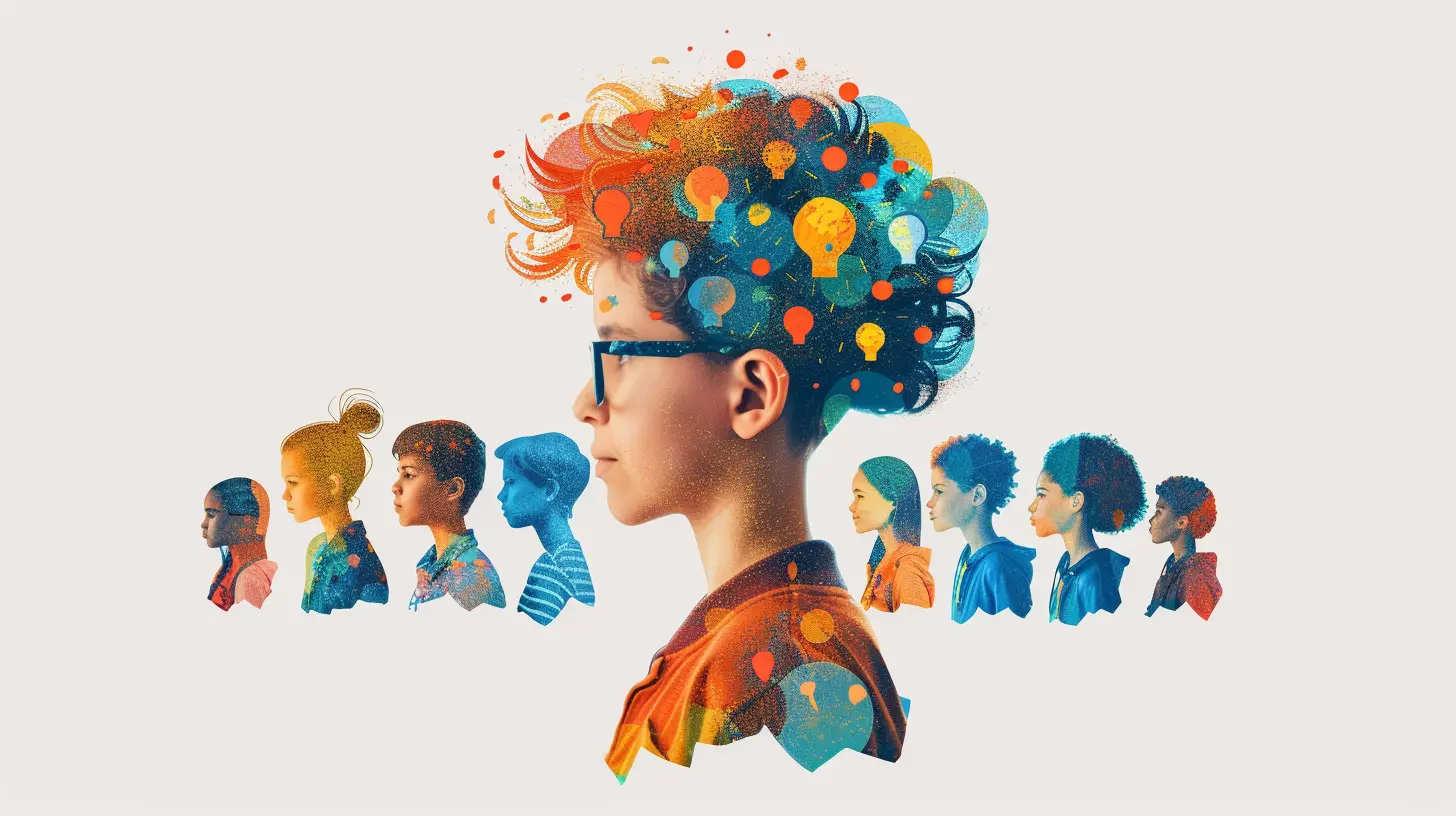
What Is Social-Emotional Learning (SEL), Anyway?
Before we dive deep, let’s get on the same page about what SEL actually is. Social-Emotional Learning refers to the process of developing core life skills that help students understand and manage their emotions, build positive relationships, show empathy, and make responsible decisions.In simpler terms, it’s teaching kids how to be good humans.
This framework typically focuses on five key competencies:
1. Self-awareness – recognizing your emotions and values
2. Self-management – handling stress and impulses
3. Social awareness – understanding others' perspectives
4. Relationship skills – communicating and working with others
5. Responsible decision-making – making ethical, constructive choices
Think of these as the emotional toolkit students carry into every interaction, challenge, and decision in their school lives—and beyond.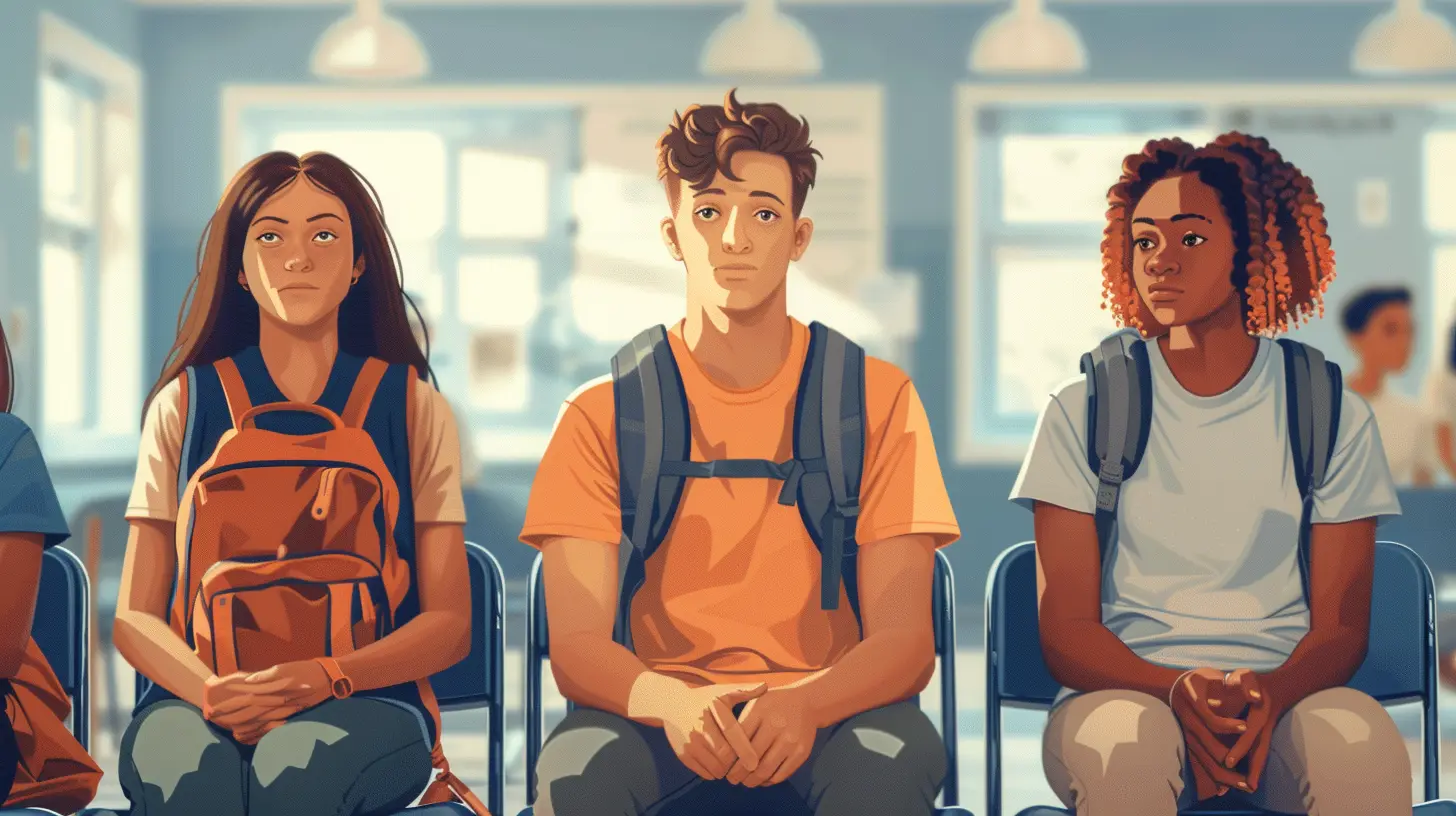
Why SEL Matters More Than Ever
Let's be honest: today’s classrooms aren’t just dealing with academic issues. They’re dealing with anxiety, bullying, absenteeism, lack of motivation, and behavior problems that didn’t exist at this scale a couple decades ago.So here’s the million-dollar question: how do we expect students to behave well and succeed if they’re dealing with emotional chaos inside?
That’s why SEL isn’t just a “nice to have”—it’s a must-have. Incorporating SEL into the school day equips students with the ability to:
- Navigate emotions instead of being ruled by them
- Communicate their needs effectively
- Resolve conflicts peacefully
- Stay focused and engaged
- Make better choices in and out of the classroom
In short, SEL teaches life skills no math equation or grammar lesson ever could.
Breaking the Behavior Code: How SEL Transforms Student Actions
1. Reduces Disruptive Behavior
Picture a typical school disruption: a student blurts out, throws a fit, or picks a fight. These behaviors often stem from not knowing how to handle emotions—anger, frustration, embarrassment, you name it.SEL helps students identify these feelings before they boil over. With self-regulation tools from SEL, students find ways to pause, reflect, and respond instead of react. The results? Fewer office referrals. A calmer classroom. Less time dealing with conflict, and more time learning.
2. Boosts Classroom Participation
Ever noticed how some students shut down or stay silent in class discussions? That’s often fear or insecurity talking. With strong SEL frameworks, students gain confidence and a sense of belonging. They stop worrying about being judged and start participating.When students feel emotionally safe, they’re way more likely to raise their hand, take academic risks, and engage meaningfully with the material—and with each other.
3. Improves Peer Relationships
We all remember those tricky middle school friendship dramas, right? Or those moments when someone was left out or picked on?SEL programs teach empathy, active listening, and cooperation. Students learn how to understand different viewpoints, manage group work, and support each other. Instead of cliques and bullying, you start seeing collaboration and kindness.
It’s like this: if classrooms are like ecosystems, SEL helps nurture a healthier environment for everyone to thrive.
4. Builds Teacher-Student Trust
Here’s something that doesn’t get talked about enough—SEL benefits teachers, too.When students are more emotionally aware and better behaved, teachers experience less burnout and more job satisfaction. Kids who’ve gone through SEL training are more likely to respect their teachers, follow instructions, and seek guidance when needed.
It creates a ripple effect: trust leads to safety, safety leads to openness, and openness leads to learning. Everyone wins.
Real-Life Success Stories Speak Volumes
Still skeptical about how SEL changes behavior? Let’s talk stats and stories.According to a meta-analysis by CASEL (Collaborative for Academic, Social, and Emotional Learning), students in SEL programs showed an 11% increase in academic achievement and significant improvements in attitudes and behaviors.
Some schools, especially those that have fully embedded SEL into their ethos—think morning check-ins, mindfulness moments, peer mentoring—see drops in suspension rates by nearly 50%.
One elementary school in Chicago integrated SEL into their curriculum and not only reduced behavioral incidents significantly, but also recorded higher attendance and test scores. Coincidence? Not likely.
The common thread in all these stories: when you care about how students feel, they start to care more about what they do.
SEL Isn’t a One-and-Done Deal
If you’re thinking of SEL as a box to check or a once-a-week lesson plan, think again.SEL works best when it’s woven into the fabric of the school culture. That means:
- Teachers modeling emotional intelligence
- Consistent routines that prioritize respectful communication
- Classrooms where student voice matters
- Discipline policies that are restorative instead of punitive
It’s kind of like working out. You can’t go to the gym once a month and expect six-pack abs. SEL is the same—it gets stronger with consistency.
How Parents Fit into the Picture
Let’s not forget the home front. SEL doesn’t start and end at the school door.Parents and caregivers play a massive role in reinforcing these lessons. By modeling calm conflict resolution, encouraging open conversations, and validating emotions, families can supercharge the impact of school-based SEL.
Want to know what really works? When SEL becomes a bridge between school and home. Imagine students practicing gratitude journals in class and continuing them at the dinner table. Or learning about emotional regulation at school and using those same tools during a sibling argument at home.
That kind of continuity makes the impact stick.
The Long-Term Ripple Effect
Okay, let’s zoom out a bit. What happens to kids who grow up with strong SEL skills?Studies show that they’re more likely to:
- Finish high school
- Avoid substance abuse
- Form healthier relationships
- Have better mental health
- Succeed in the workplace
In other words, SEL isn’t just about surviving school—it’s about thriving in life.
Imagine classrooms filled with future adults who know how to manage conflict, express empathy, and make thoughtful decisions. That’s not just a nice idea—it’s transformational.
Challenges to Watch Out For
Now, to be fair, implementing SEL isn’t always a walk in the park. There are some hurdles:- Lack of training: Not all teachers feel prepared to lead SEL discussions
- Time constraints: With standardized testing pressures, SEL sometimes gets sidelined
- Inconsistent application: SEL loses power if it’s not applied school-wide
- Cultural relevancy: Programs must be tailored to reflect students' diverse backgrounds
But here’s the thing—acknowledging these challenges is the first step toward overcoming them. When schools commit to meaningful training, inclusive materials, and consistent practices, SEL can thrive.
So, What’s the Takeaway?
Let’s bring it home. Social-Emotional Learning is a total game-changer when it comes to student behavior. It doesn’t just make kids “nicer”—it makes them more capable, more confident, and more connected.When students learn to navigate their emotions, relate to others, and make sound choices, behavior improves naturally—not because they’re scared of consequences, but because they’ve grown into more thoughtful individuals.
That’s the magic of SEL. It's not a quick fix. It’s a long-term investment. And the returns? Absolutely worth it.
In a world that can feel chaotic and disconnected, SEL offers a steady, guiding compass. And maybe, just maybe, that’s exactly what our students need most.
all images in this post were generated using AI tools
Category:
Social Emotional LearningAuthor:

Olivia Lewis