The Importance of Unstructured Play for Cognitive Growth
7 March 2026
In a world buzzing with schedules, deadlines, and screen time, it’s easy to overlook one of the most essential ingredients in a child’s cognitive development: unstructured play. Yep, that good old-fashioned running around, building pillow forts, digging in the dirt, or pretending a cardboard box is a spaceship. Unstructured play is more than just fun—it's the secret sauce for growing smarter, emotionally resilient, and socially aware kids.
Let’s dig into why unstructured play isn’t just important—it’s vital for cognitive growth.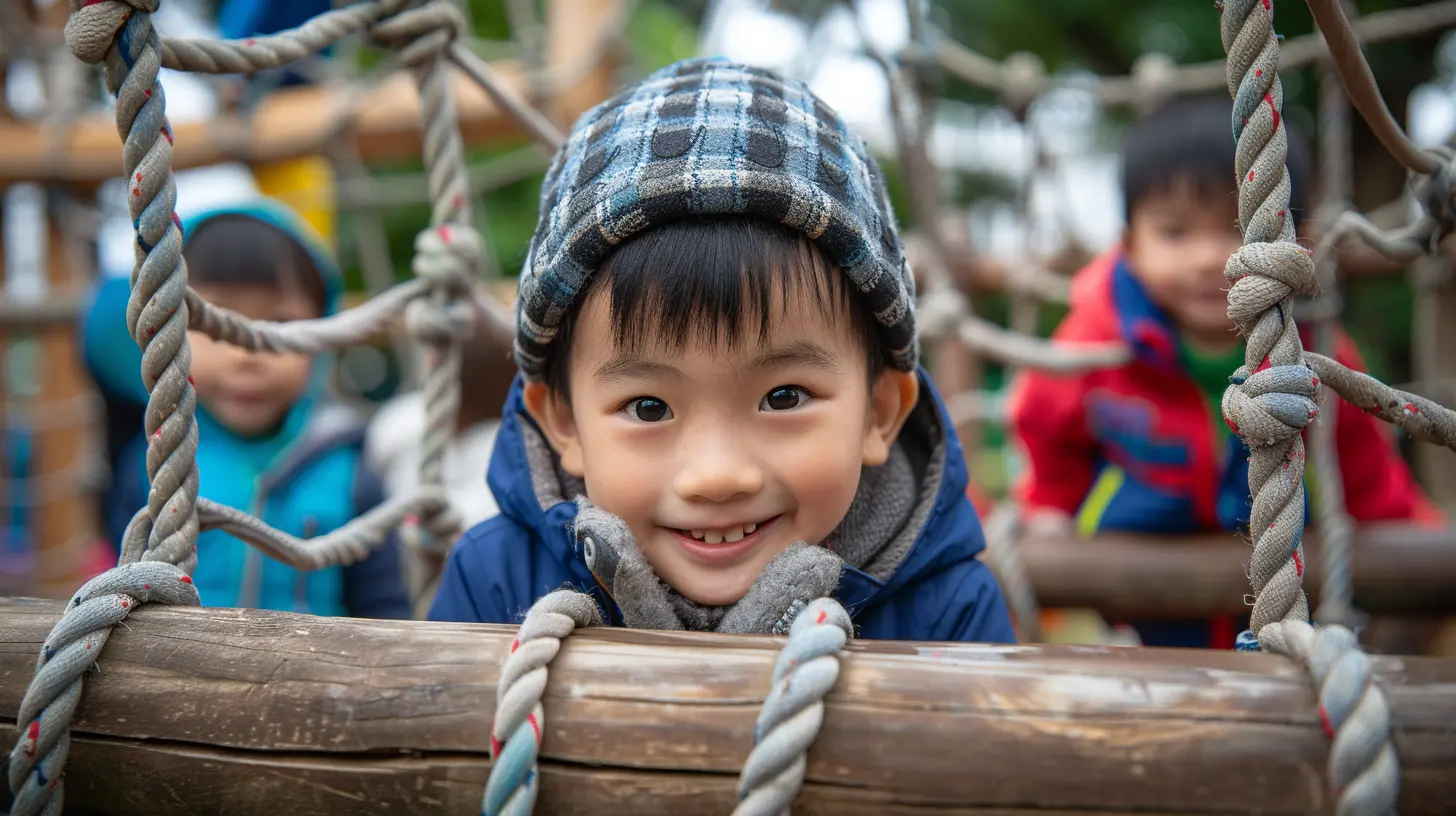
What Is Unstructured Play Anyway?
Before we dive into the brain stuff, let’s clarify what we mean by unstructured play. It’s play that isn’t directed by adults. No rules, no planned activities, no outcome-based goals. It’s when a child chooses what they want to do, how they want to do it, and when to stop. Think running through sprinklers, making up games, or turning household items into toys.This kind of play contrasts with structured play, like sports practice, piano lessons, or even guided crafts. While those have their place, they don’t offer the same level of autonomy.
So why is freedom in play so powerful for the brain?
Cognitive Development: The Mind in Motion
Cognitive development refers to how a child learns, thinks, reasons, solves problems, and processes information. This includes memory, attention span, language, and decision-making.When kids engage in unstructured play, they activate so many parts of their brain it’s like sending their neural connections to the gym. Without even realizing it, they are constantly:
- Making decisions
- Solving problems
- Imagining scenarios
- Testing limits
- Practicing focus
- Navigating social situations
In short, they’re doing exactly the stuff their developing brains need in order to grow.
The Brain Science Behind Free Play
So what does the research say? Neuroscientists have been studying how play impacts the brain, and the results are pretty mind-blowing.When children play freely:
- Prefrontal Cortex Activation: This part of the brain is responsible for decision-making, attention, and impulse control all gets a workout. It's like the brain’s executive office—and free play helps it sharpen its tools.
- Neuroplasticity: Children’s brains are extremely malleable. Unstructured play helps them forge new connections by "trying things out," learning through trial and error.
- Stress Reduction: Free play lowers cortisol levels (the stress hormone), which promotes better mental clarity, memory retention, and emotional control. A relaxed brain is a learning brain.
And that’s just scratching the surface.
Problem Solving: Lessons from the Playground
Have you ever watched a group of kids argue over the rules of a made-up game? It may look chaotic, but it’s actually gold for brain development.Every disagreement, every obstacle, every “that’s not fair” moment teaches kids how to negotiate, reason, and think critically. They learn to:
- Adapt rules on the fly
- Compromise
- Collaborate
- Think creatively to overcome challenges
These are the same problem-solving skills that adults need in school, at work, and in life. The simple act of deciding who gets the last swing might be laying the foundation for future leadership and teamwork.
Imagination: The Brain’s Playground
Unstructured play often involves pretending. Whether it’s superheroes, pirates, or running a pretend restaurant, imaginative play is like mental gymnastics.When kids pretend, they have to:
- Create stories
- Assign roles
- Make decisions for imaginary characters
- Navigate entire make-believe worlds
This kind of play doesn't just increase creativity—it also strengthens abstract thinking, linguistic development, and emotional understanding.
Remember when you were a kid and the floor was lava? That game wasn’t just fun—it was a cognitive workout.
Social Smarts: Learning to Human
Free play is often social, and that’s where the real magic happens. Kids learn how to read moods, pick up on subtle social cues, and understand other people's perspectives.When adults step back and let children figure things out, kids gain:
- Empathy
- Conflict resolution skills
- Turn-taking
- Cooperation
These aren’t just “soft skills.” They’re core aspects of cognitive development that tie directly into emotional intelligence and interpersonal awareness.
Risk-Taking and Confidence
In unstructured environments, children naturally test their boundaries. Climbing a taller tree, balancing on a log, or walking farther than usual—they’re not just being daring; they’re calculating risk, testing their bodies, and building self-confidence.And when things don’t go as planned? That’s an opportunity to learn resilience, problem-solve, and try again.
By taking small risks through play, kids prepare their brains for larger risks and decisions later in life. It’s like training wheels for independent thinking.
The Creativity Link
Cognitive flexibility—the ability to switch between thinking about different concepts or to think about multiple concepts simultaneously—is a major aspect of intelligence. Studies show that unstructured, imaginative play enhances this kind of flexible thinking.Kids who are encouraged to play freely often:
- Come up with more creative solutions in problem-solving tasks
- Have better storytelling ability
- Show stronger writing and artistic talents later in life
That box they turned into a rocket ship? One day it might be a business model or an innovative invention.
The Role of Boredom in Brain Development
Here’s a twist: boredom is actually great for kids.When children say, “I’m bored,” and don’t get immediate entertainment, they’re forced to create their own stimulation. This sparks innovation, resourcefulness, and patience. All are linked to long-term success in academic and professional settings.
So the next time your child looks bored and you’re tempted to hand over a tablet or suggest an activity, try waiting. Let their imagination fill the gap.
Digital Play vs. Real Play
Let’s face it, screens are everywhere. But while digital games and apps can be educational, they don’t replace free play.Screen time often follows a script or pattern. Kids aren't fully in charge of what happens next—they’re responding, not initiating. Most digital play lacks spontaneity, creativity, and physical movement.
Unstructured play, on the other hand, encourages kids to be the storyteller, the problem-solver, the builder, and the leader. That combination is what fuels deep cognitive growth.
The Long-Term Impact
We often focus on early childhood development, but unstructured play continues to matter well into adolescence.Teens still benefit from creative downtime. It helps them manage stress, explore new ideas, and stay mentally agile. In fact, some of the world’s most successful entrepreneurs credit their innovative thinking to unstructured childhood play.
When kids are given the space to explore and invent, they learn to adapt, evolve, and think on their feet—traits we need in a fast-changing world.
How Parents and Educators Can Encourage Unstructured Play
So how can we support this essential part of development?Here are a few simple ways:
- Limit Overscheduling: Leave room in the day that isn’t filled with lessons, sports, or screen time.
- Create Play-Friendly Spaces: These don’t need to be fancy. A yard, a sandbox, a corner with blocks and old clothes can spark hours of play.
- Say Yes to Mess: Play can be noisy, messy, and unpredictable—and that’s okay! Growth is rarely tidy.
- Be a Quiet Observer: Kids need adults to be nearby but not in charge. Try resisting the urge to suggest ideas or resolve conflicts right away.
- Value Play: Recognize that free play isn’t “just play." It's brain work in action.
Balancing Play with Modern Life
Yes, we live in a world that values productivity. But maybe it’s time to redefine what being “productive” looks like for kids. Pencil in that unscheduled time. Let them get bored. Let them run, climb, pretend, and build things that don’t make sense to anyone but them.Their brains will thank you.
Final Thoughts
Unstructured play isn’t an extra—it’s a necessity. It builds brains, shapes personalities, and lays the groundwork for lifelong learning and success. While structured learning and digital tools have their place, they should never replace the freedom that comes with open-ended play.So, let’s put away the planners now and then. Let’s give kids the space to explore, imagine, and just be. Because sometimes, the best learning happens when nothing is planned at all.
all images in this post were generated using AI tools
Category:
Child DevelopmentAuthor:

Olivia Lewis
Discussion
rate this article
2 comments
Andrew Weber
Who knew letting kids loose with a cardboard box and some glitter could unlock the secrets of the universe? Unstructured play is like rocket fuel for their brain cells—watch out, Einstein! Let's embrace the chaos and let imaginations run wild! 🚀✨ #PlayMagic
March 9, 2026 at 1:09 PM
Olivia Lewis
Absolutely! Unstructured play fosters creativity and cognitive development, allowing children to explore, imagine, and learn in ways that structured activities often can't. Embracing that chaos is key to nurturing innovative thinkers! 🚀✨
Beau McKee
Unstructured play is a vital catalyst for cognitive growth, sparking creativity and critical thinking in children. Embrace the chaos of playtime! Let kids explore, imagine, and learn through joyful experiences. Investing in their playful adventures today cultivates the innovators and problem-solvers of tomorrow. Play is the pathway to brilliance!
March 8, 2026 at 7:41 PM
Olivia Lewis
Thank you for your insightful comment! I completely agree—unstructured play is essential for fostering creativity and critical thinking in children, shaping the innovators of the future. Let's continue to champion play as a key driver of cognitive development!