The Power of Art in Social-Emotional Learning
26 February 2026
Ever wonder why a simple doodle can make you feel calm? Or how one song can say everything you're feeling in a way words never could? That, right there, is the magic of art—and when it crosses paths with education, specifically Social-Emotional Learning (SEL), things get really interesting.
This isn’t just about finger painting or making paper mache volcanoes. Nope. This is about how creative expression helps kids—and adults, honestly—understand themselves, connect with others, and navigate the rollercoaster of human emotion.
Sounds a bit mystical, right? Let’s crack it open together.
What the Heck Is Social-Emotional Learning Anyway?
Before we jump into the juicy stuff, let’s get clear on SEL. Social-Emotional Learning is the process through which people (especially young folks) develop the skills to manage emotions, build relationships, and make responsible decisions.Think of it as life’s user manual for your inner world.
It includes five core competencies:
- Self-awareness – Knowing your emotions and values
- Self-management – Regulating emotions and behaviors
- Social awareness – Understanding others' perspectives
- Relationship skills – Communicating effectively and empathizing
- Responsible decision-making – Making ethical and constructive choices
And here's where it gets fascinating: art is like a secret passageway to all these. Let’s dive into how.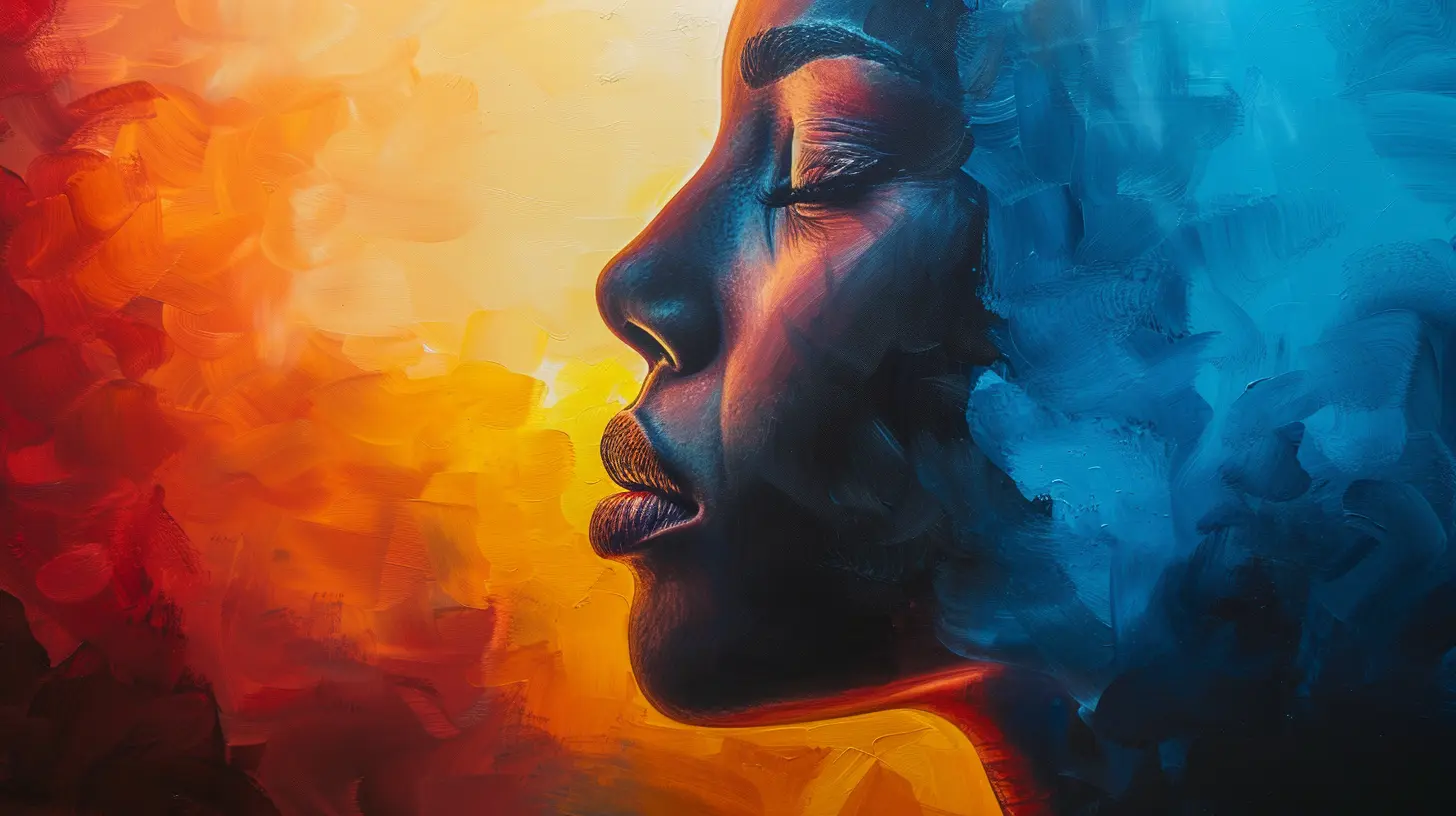
Art: The Silent Teacher of Feelings
Art doesn’t lecture. It doesn’t come with a textbook or a pop quiz. It just is. And yet, it has a weirdly powerful way of making us feel understood, right?Self-Awareness Through Self-Expression
When students draw, paint, or craft, they’re not just making something pretty—they’re revealing parts of themselves. A quiet child might draw a loud, colorful world. A stressed teen might sketch quick, jagged lines. These aren’t just random marks. They’re emotional fingerprints.Art lets kids say what they can’t put into words. It gives emotions a shape and color. That’s the foundation of self-awareness: recognizing what you're feeling and being able to express it—no matter the medium.
So, next time a student says, “I don’t know how I feel,” hand them a crayon instead of a question.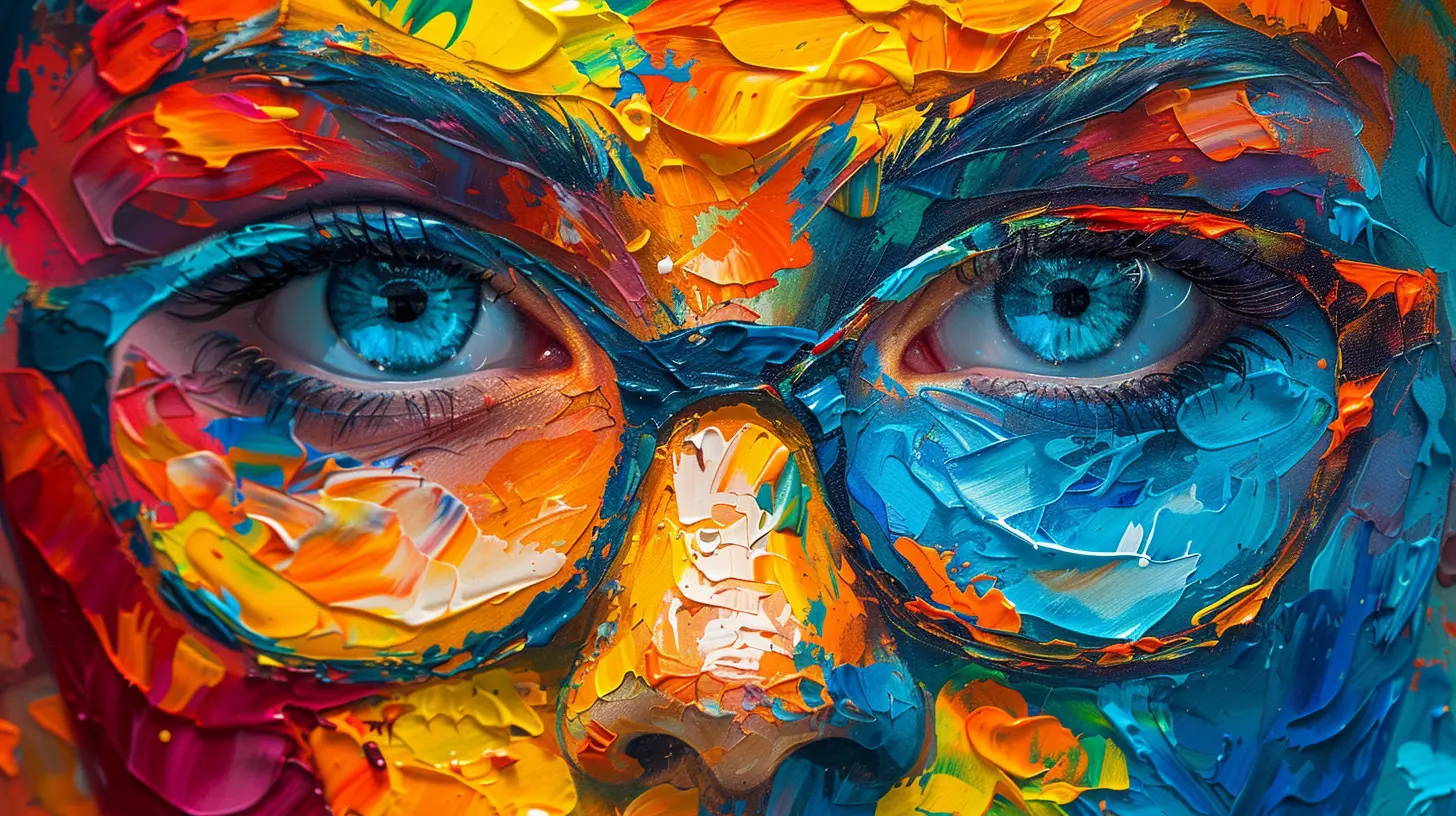
The Magic of Making Meaning
Art doesn’t just help people express feelings—it helps them understand them. Ever finished a drawing and realized, “Whoa… I didn’t know I felt that way until now”? That’s not coincidence. That’s insight.Through the process of creation, students can step outside of their emotions and look at them from a distance. The paper becomes a mirror.
And let’s be honest—sometimes, it’s easier to face your feelings when they’re in the form of a charcoal sketch than swirling around in your chest.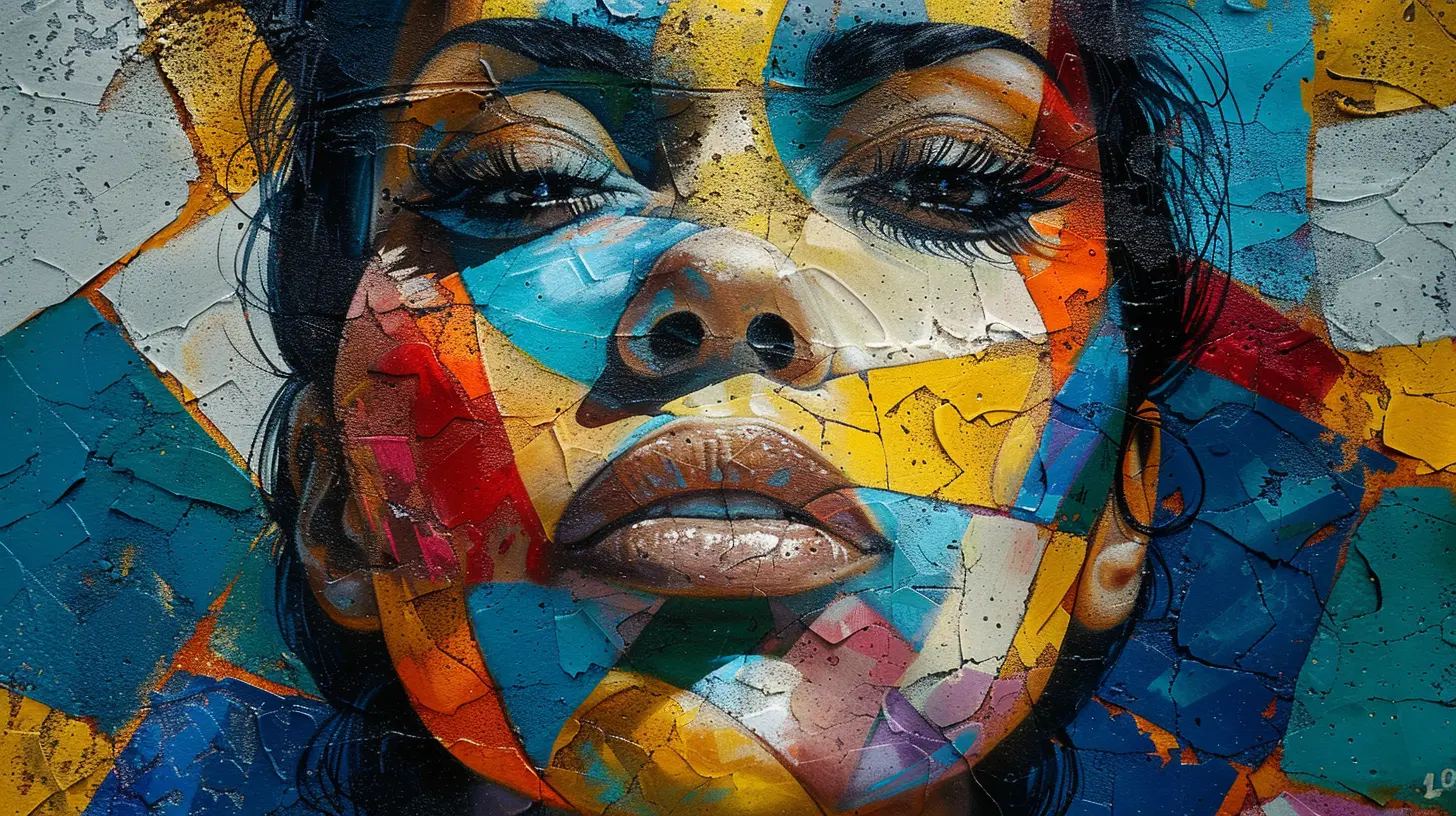
Emotional Regulation in the Studio
Ever watched someone completely zone out while painting or doodling in the margins of their notebook? That’s not just distraction—it’s a coping mechanism.Creating art can be incredibly soothing. Think of it like a meditation you can hang on your fridge.
Why? Because Art Slows You Down.
You can’t rush a watercolor. You can’t power through clay. These creative activities anchor you in the present moment. That’s mindfulness in motion.And when kids get to experience that kind of emotional "pause," they learn how to regulate their reactions in everyday life.
Instead of snapping at a classmate, maybe they’ll pick up a sketchpad. Instead of bottling up frustration, they might mold it into something real.
Building Bridges With Brushes: Social Awareness & Relationships
Here’s where art gets even cooler. It doesn’t just help kids connect with themselves—it helps them connect with others.Art as a Universal Language
Not everyone is great with words. Some kids don’t speak English fluently. Others are shy. But art? Art speaks to everyone.When students share their work, they’re not just showing off—they’re inviting others into their world.
This opens space for empathy. One student’s painting of a stormy sea might help another understand the anxiety they’re facing. Suddenly, their peer group isn’t just classmates—it’s a community.
And when you feel seen and heard, you start doing the same for others.
Collaboration: The Unlikely Team Builder
Group art projects can be awkward. Seriously, who holds the glue stick? Who decides the color scheme?But here’s the thing—those awkward moments are gold. They teach negotiation, communication, compromise—all the juicy interpersonal skills that SEL thrives on.
In art, success isn’t about being the loudest or smartest. It’s about syncing your creativity with others. That’s relationship-building 101.
Decision-Making in the Abstract
You might not think choosing between oil pastels and markers has anything to do with making real-life decisions. But surprise—it totally does.When students make choices in their artwork—what to create, how to fix a mistake, whether to start over—they practice decision-making in a low-stakes, creative way.
And over time, those small creative choices build the muscle for bigger life choices. Whether it's choosing how to react in a fight, or picking the right path after graduation, the decision-making skills built through art are surprisingly transferable.
Art in Action: Real-Life Classroom Examples
So all of this sounds great on paper (pun intended), but how does it actually look in a real classroom?The Art Journal Project
Some teachers have students keep daily or weekly art journals. No grading. No judgment. Just a space to draw or collage whatever they're feeling.Over time, those journals become emotional timelines. They show patterns, growth, and help students track their moods. It's like therapy... but with glitter glue.
Art & Emotion Charts
Ever done a mood check-in with colors? Students choose a color that matches their current feeling and make a piece of art with it. It’s incredibly telling—and often sparks great discussions about mental health in a safe, low-pressure way.Collaborative Murals
Schools that create murals together give students a sense of ownership and community. Everyone contributes, everyone’s style is celebrated, and the end result is a visual reminder: we’re all in this together.Digital Creativity Is Still Creativity
Let’s not forget—today’s students are digital natives. And guess what? TikTok dances, selfie collages, and digital murals count as art too.Using tech to make art doesn’t make it less emotional or authentic. If students are expressing themselves in pixels instead of paint, that’s just a new brush.
In fact, digital art can sometimes be even more accessible, especially for students with physical or learning disabilities.
Art Heals More Than You Think
There’s a reason art therapy exists. It works.Studies show that engaging in the arts reduces stress, lowers anxiety, and even improves memory and immune function. That’s not just helpful—it’s essential, especially for students dealing with trauma or adversity.
SEL isn’t just about knowing what emotion you're feeling—it's about knowing how to cope with it.
And sometimes, that coping looks like dancing it out, sketching late at night, or building a cardboard sculpture that represents your fears. That’s healing.
Why Every School Should Embrace the Art of SEL
You might be thinking, “Okay, this is all cool—but where does this fit in an already packed school day?”Here’s the wild thing: integrating art into SEL doesn’t have to be extra.
- You can embed creative prompts into morning meetings.
- Have students reflect with a quick sketch instead of a written response.
- Turn group projects into multimedia experiences.
It’s not about replacing academics—it’s about enhancing them. Emotionally healthy students don’t just do better in school. They do better in life.
What About Teachers?
Oh yes. Let’s talk about you, dear educators.Facilitating art-infused SEL doesn’t require you to be Picasso. It requires you to be open. Model your own self-expression. Share your own creative outlets. Let students see that vulnerability isn’t weakness—it’s connection.
And let’s be real—teachers need SEL too. Creating alongside your students can be as therapeutic for you as it is for them.
Use art as your emotional exhale.
A Note to the Skeptics
If you're still unsure, think about this:The world your students are growing into? It's unpredictable. Fast-paced. Emotionally charged.
They won’t just need to be smart—they’ll need to be self-aware, empathetic, and adaptable.
Art isn’t fluff. It’s the firestarter for those traits. It's not a luxury—it's a necessity.
Bringing It All Together
At its core, Social-Emotional Learning is about being more human. And what’s more human than art?Art strips away the noise and lets us say, “Here I am. This is what I feel. This is what I see.”
For students, that power is liberating. For educators, it’s a tool. And for our world?
It just might be the bridge we’ve been looking for.
all images in this post were generated using AI tools
Category:
Art EducationAuthor:

Olivia Lewis
Discussion
rate this article
2 comments
Odessa Gutierrez
Art whispers what words often conceal. In the realm of social-emotional learning, its brushstrokes illuminate hidden pathways, revealing truths about ourselves and connections that linger between the lines.
March 14, 2026 at 8:24 PM
Olivia Lewis
I couldn't agree more. Art truly has the power to unveil our inner truths and deepen our connections, making it an essential part of social-emotional learning.
Angie McGrath
Thank you for shedding light on the intersection of art and social-emotional learning. It’s inspiring to see how creative expression can foster emotional intelligence and connection among students. Your insights truly highlight the transformative power of art in building a compassionate learning environment.
March 2, 2026 at 4:37 AM
Olivia Lewis
Thank you for your thoughtful comment! I'm glad you found the connection between art and social-emotional learning inspiring. It truly highlights the importance of creativity in fostering empathy and connection.