The Power of Play in Child Development
18 December 2025
Play is often seen as just a way for kids to have fun, but did you know it’s actually one of the most crucial aspects of their development? From the moment children are born, they start exploring the world around them through play. Whether it's building blocks, pretending to be astronauts, or simply running around outside, play helps shape their cognitive, emotional, and social skills.
In this article, we’ll dive deep into the power of play in child development and why it should never be underestimated.
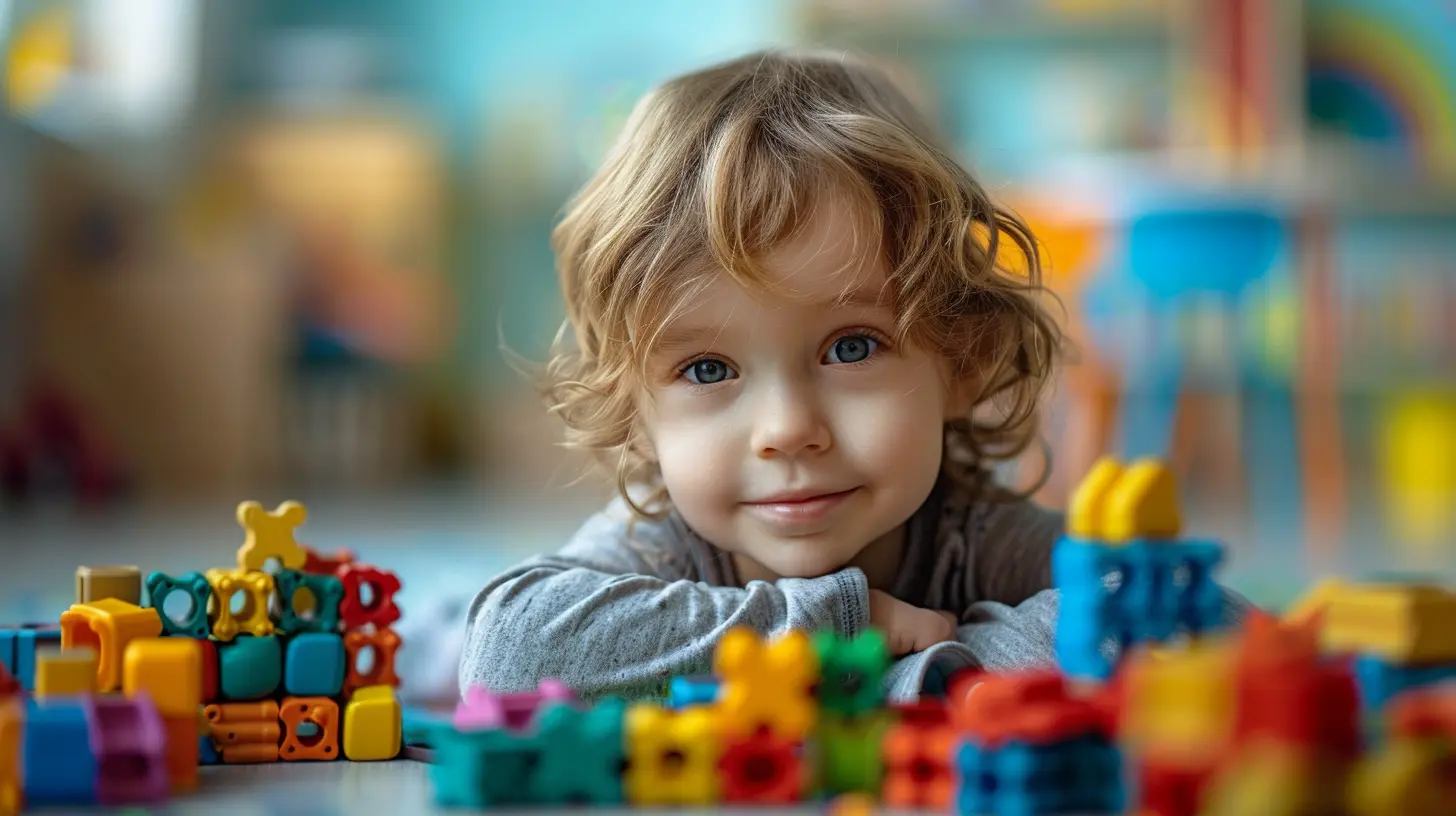
Why Is Play So Important for Kids?
Play isn't just about entertainment—it’s how kids learn about the world. Every game, every interaction, and every imaginative scenario teaches them something new. It builds their brains, strengthens their relationships, and even helps them develop problem-solving skills.When children play, they aren’t just wasting time. They’re practicing real-life skills that will help them as they grow. Through play, they improve their creativity, learn to work as a team, and even develop emotional resilience.
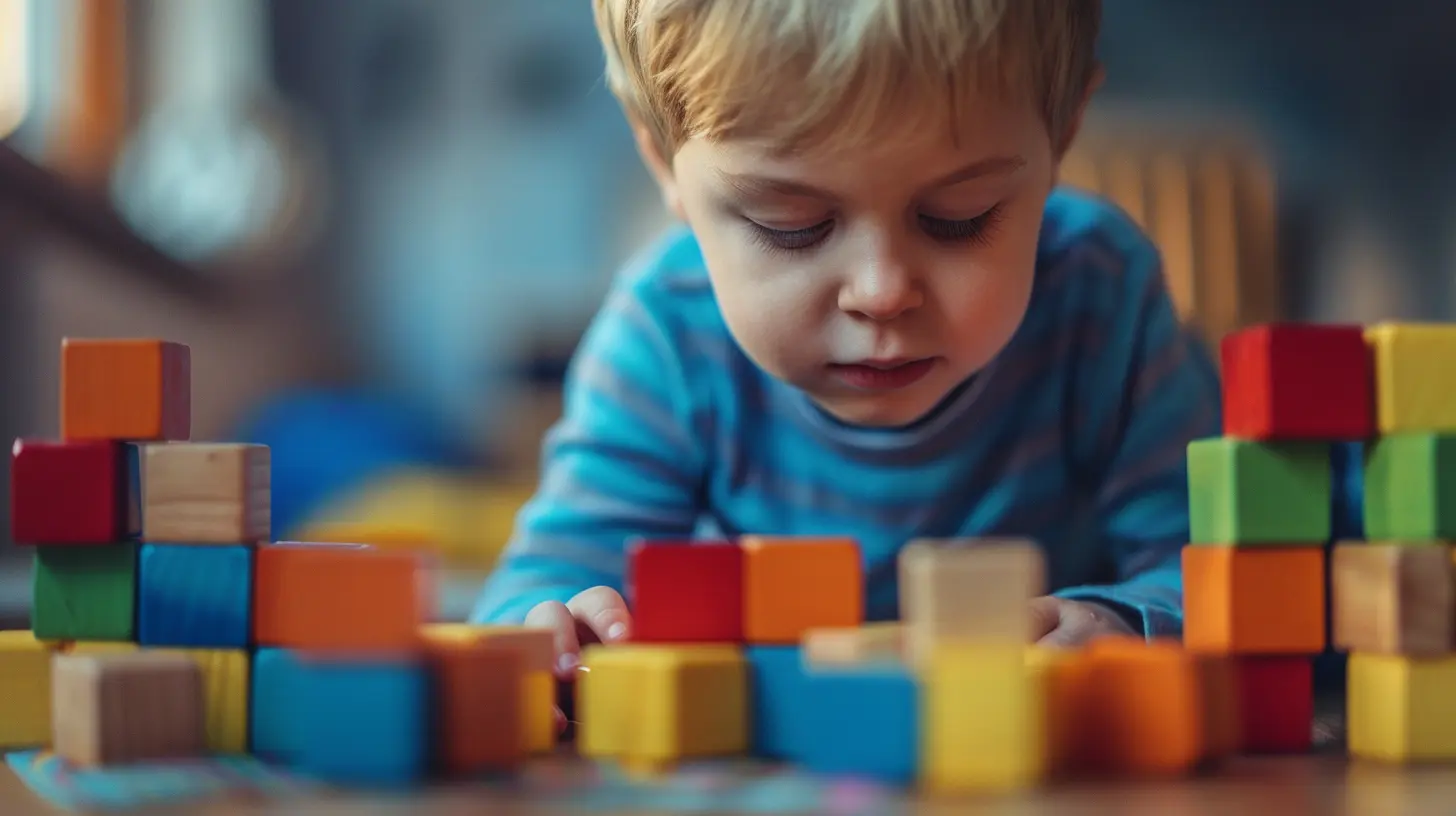
The Different Types of Play and Their Impact
Not all play is the same. Different types of play contribute to different aspects of child development. Let’s break it down:1. Physical Play
Think of running, jumping, climbing, or even a simple game of tag. This kind of play keeps kids active, builds their motor skills, and strengthens their overall physical health. With childhood obesity on the rise, physical play is more important than ever.But beyond fitness, physical play also encourages risk-taking and self-confidence. Climbing a jungle gym or balancing on a beam might seem like simple activities, but to a child, they’re learning limits, experimenting with their abilities, and gaining confidence in what they can do.
2. Social Play
Ever watched kids playing house or pretending to be superheroes together? That’s social play! It teaches them valuable skills like communication, collaboration, and conflict resolution. Kids learn how to share, take turns, negotiate, and understand different perspectives.Social play also helps children develop empathy. When they take on different roles in pretend play, they start to see the world through someone else’s eyes, which is a vital skill for emotional intelligence.
3. Constructive Play
Building blocks, puzzles, or LEGO sets—these activities fall under constructive play. This type of play helps children enhance their problem-solving skills, creativity, and coordination. They learn patience, perseverance, and how to think logically to achieve a goal.Ever noticed how a child reacts when their tower of blocks falls apart? They may get frustrated at first, but soon enough, they try again, adjusting their strategy. That’s resilience in action!
4. Imaginative and Pretend Play
Kids have incredible imaginations—give them a cardboard box, and suddenly it’s a spaceship. Pretend play is a crucial part of their learning journey. It encourages creativity, helps them express emotions, and allows them to experiment with different roles in life.Through role-playing, children explore social scenarios, develop language skills, and boost their confidence. It also allows them to process real-life situations and understand their emotions in a safe space.
5. Sensory Play
Squishing playdough, finger painting, or playing in a sandbox—these activities fall under sensory play. They help children develop fine motor skills, improve their focus, and stimulate their senses.Sensory play is also great for children with sensory processing challenges. It helps them regulate their sensations and become more comfortable with different textures, smells, and environments.
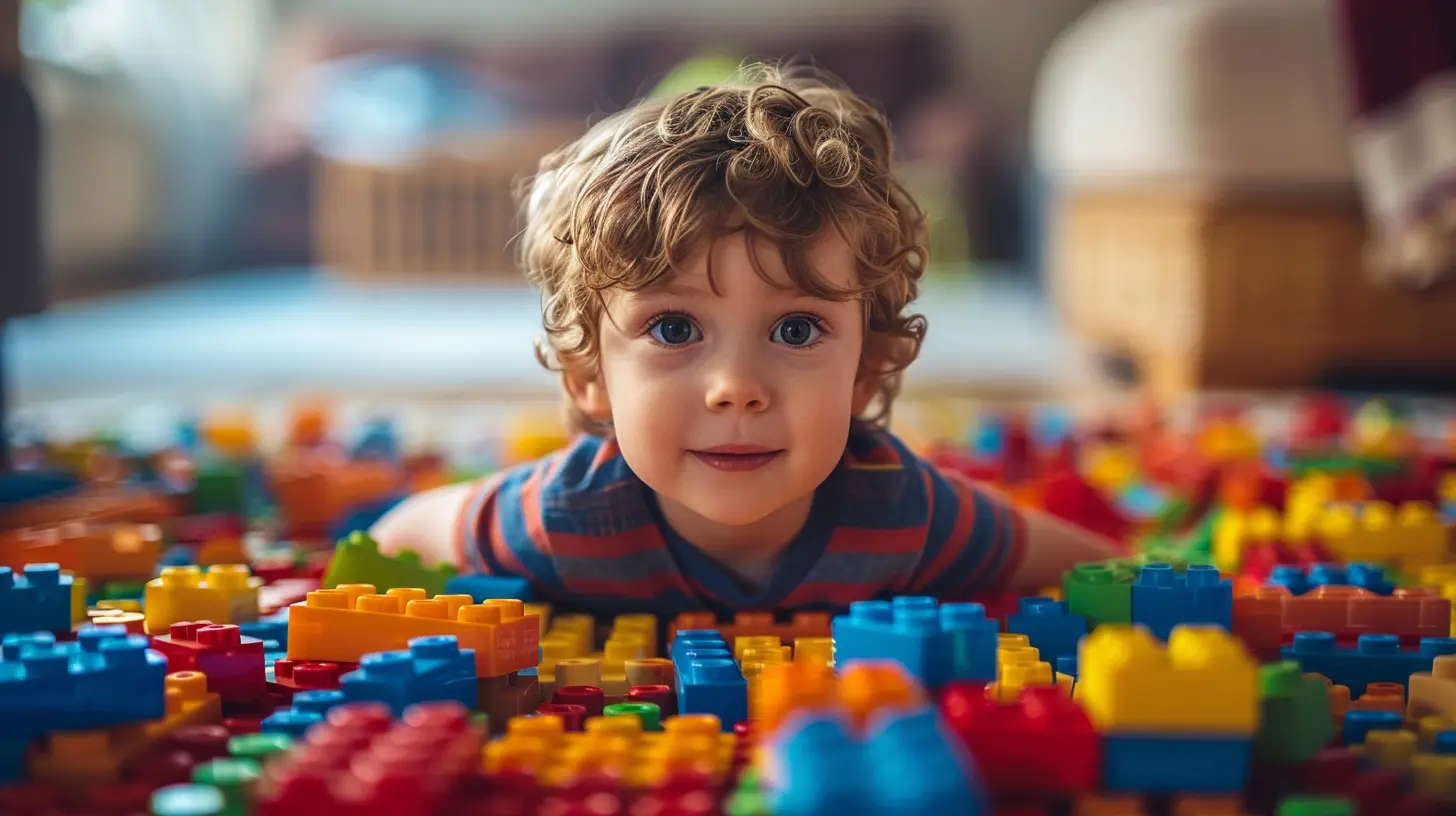
The Role of Play in Cognitive Development
Play isn't just about having a good time—it directly impacts brain development. When children play, they create new neural connections, strengthening their ability to think critically, solve problems, and retain information.For example, playing with puzzles helps children improve their spatial awareness and reasoning skills. Games with rules teach them to strategize and think ahead. Even simple activities like sorting shapes or colors build foundational math and logic skills.
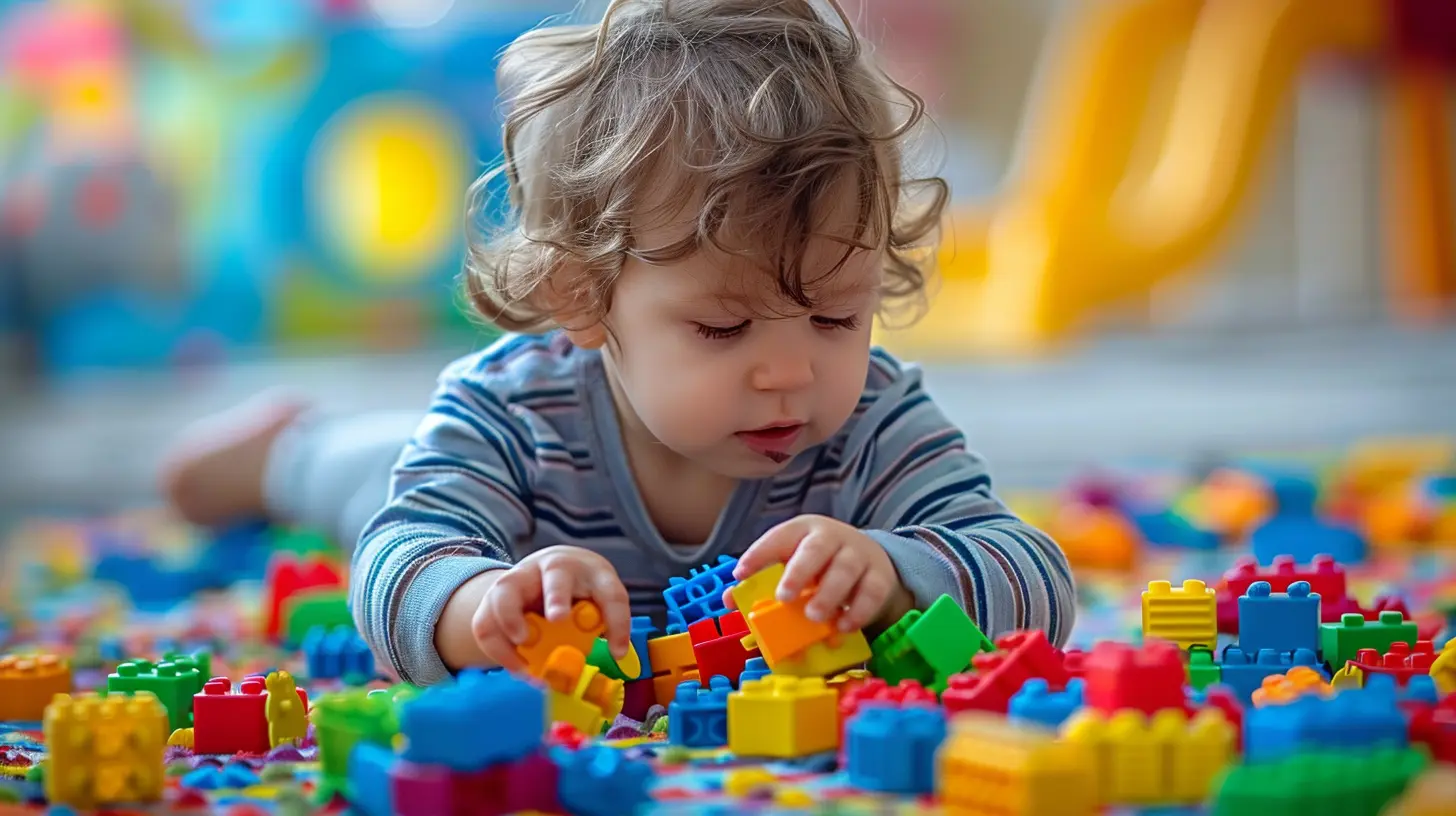
Emotional Benefits of Play
Ever noticed how a child might act out their feelings through play? Whether it's pretending to be a doctor fixing a broken teddy bear or drawing pictures to express emotions, play provides a healthy outlet for emotional expression.Through play, kids learn how to navigate their feelings, develop self-regulation skills, and build emotional resilience. It gives them a safe way to process experiences and gain confidence in themselves.
The Social Benefits of Play
Play is one of the first ways children engage with others. Through play, they learn important social skills like communication, empathy, and cooperation.When kids play with others, they learn to navigate relationships, handle disagreements, and work as a team. These are essential life skills that will help them form healthy relationships as they grow.
The Effects of Play on Mental Health
With increasing academic pressures and screen time replacing outdoor activities, many children today experience stress and anxiety at an early age. Play acts as a natural stress reliever.Engaging in play lowers cortisol (the stress hormone) and increases dopamine (the feel-good hormone), making kids happier and more relaxed. Unstructured playtime allows them to unwind, reset, and simply enjoy being kids.
How Parents and Educators Can Encourage Play
Now that we know the importance of play, the next question is: How can we ensure kids get enough of it?1. Prioritize Unstructured Playtime
Not every moment needs to be scheduled. Make sure kids have plenty of free playtime where they can use their imagination and explore without strict rules.2. Limit Screen Time
While technology has its benefits, excessive screen time can take away from physical and imaginative play. Set boundaries to encourage more hands-on activities.3. Create a Play-Friendly Environment
Provide a variety of toys, puzzles, and art supplies that encourage creativity and problem-solving. Even everyday household items like cardboard boxes and kitchen utensils can become great play resources.4. Join in the Fun
Children love when their parents and teachers engage in play with them. It strengthens bonds, builds trust, and makes learning more enjoyable.5. Encourage Outdoor Play
Nature provides endless opportunities for play. Whether it’s climbing trees, playing in the mud, or running around in a park, outdoor play is essential for physical and mental well-being.
Conclusion
Play is far more than just an activity—it’s a foundation for healthy child development. It shapes cognitive abilities, builds emotional intelligence, enhances social skills, and even supports mental health.Parents, educators, and caregivers should make play a priority. By encouraging different types of play, limiting screen time, and providing children with opportunities to explore, we can help them grow into well-rounded, resilient, and happy individuals.
So the next time you see a child playing, remember—they’re not just having fun; they’re learning, growing, and preparing for the future.
all images in this post were generated using AI tools
Category:
Child DevelopmentAuthor:

Olivia Lewis
Discussion
rate this article
2 comments
Bianca Rocha
Loved this article! It beautifully highlights how vital play is for children's growth. It's amazing how simple games can spark creativity and problem-solving skills. Let's cherish those playful moments—they're shaping the bright minds of tomorrow! Keep up the great work!
December 25, 2025 at 3:48 AM
Olivia Lewis
Thank you so much! I'm glad you appreciated the article and recognize the importance of play in child development. Your support means a lot!
Diesel Vance
This article beautifully highlights the essential role of play in child development. By fostering creativity, social skills, and problem-solving abilities, play is truly a foundation for lifelong learning. Encouraging diverse play experiences can significantly enhance a child's growth and well-being.
December 19, 2025 at 3:37 AM
Olivia Lewis
Thank you for your insightful comment! I completely agree that play is fundamental to a child's growth and development.