The Rise of Ethical Tech Education in Classrooms by 2027
15 April 2026
Remember when learning about technology in school meant memorizing the parts of a computer or, if you were lucky, coding a simple triangle in Logo? Those days are fading faster than a forgotten app notification. We’re standing at the edge of a seismic shift in education. By 2027, the conversation won’t just be about how to use technology, but about the much bigger, messier, and more critical question: how to use it wisely and well. This is the rise of Ethical Tech Education, and it’s about to become as fundamental as reading and math.
Think of it this way: we’ve spent the last two decades handing students incredibly powerful tools—smartphones, AI assistants, global connectivity—without the instruction manual for their conscience. It’s like giving someone the keys to a sports car without any driver’s ed. Sure, they might get from point A to point B, but the potential for harm is enormous. Ethical tech education is that essential driver’s training for the digital superhighway. It’s moving beyond the “click here” to ask, “Should we click there?”
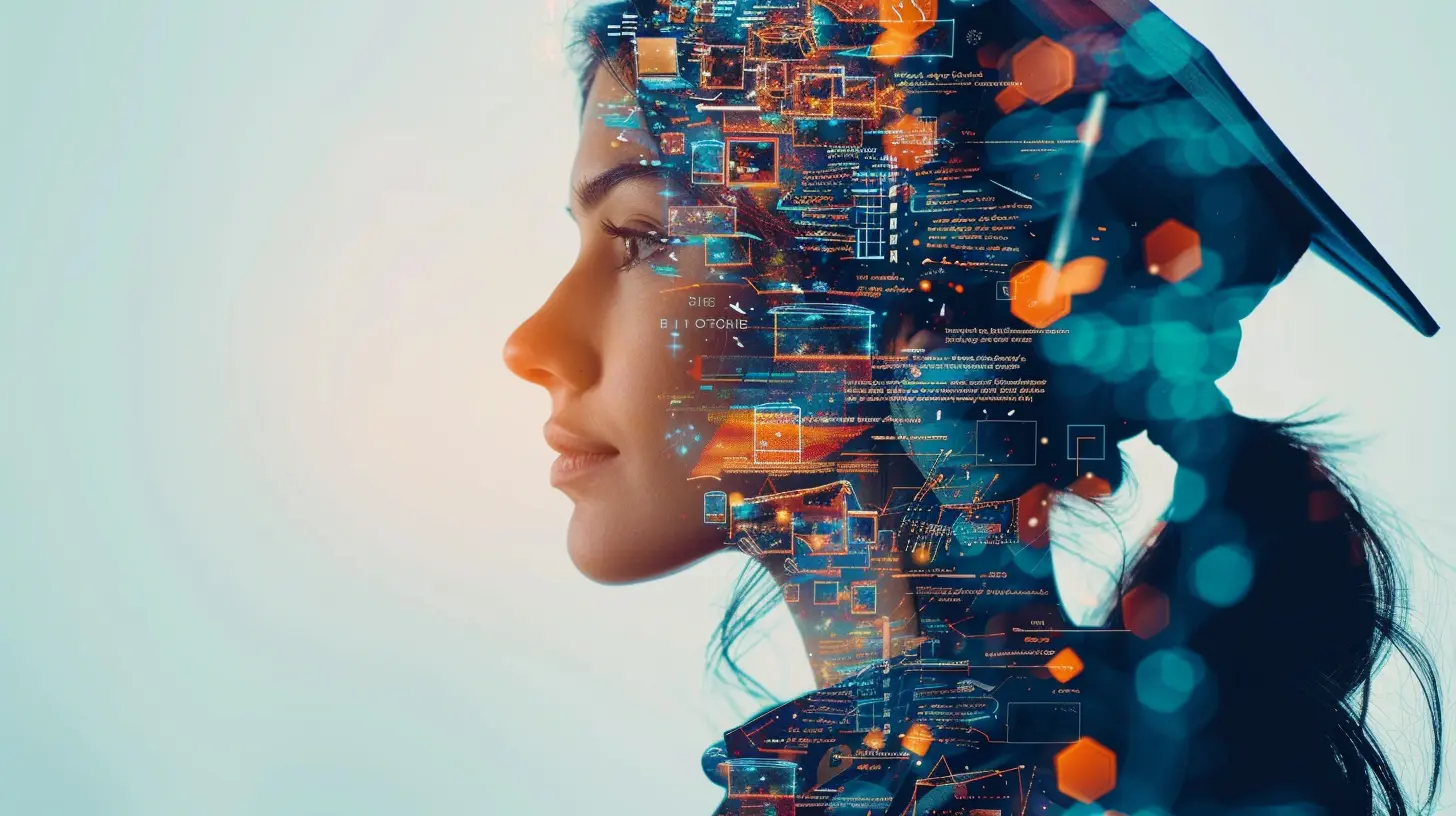
What Exactly Is Ethical Tech Education?
Let’s break it down, because it’s more than just a buzzword. Ethical tech education isn’t a single subject you’ll see on a report card. It’s a lens, a framework, woven into every interaction students have with technology.At its core, it’s about developing digital wisdom. It combines three key pillars:
1. Critical Thinking About Technology: Moving from passive consumption to active interrogation. Who made this app? What’s its business model? What data is it collecting from me, and what is it doing with that data? It’s teaching kids to see the architecture behind the interface.
2. Understanding Human Impact: Technology doesn’t exist in a vacuum. Every line of code, every algorithm, has real-world consequences. This pillar explores bias in artificial intelligence, the mental health effects of social media design, digital footprints, and the environmental cost of our cloud storage.
3. Empowered Creation & Responsibility: It’s not just about being a savvy user; it’s about being a principled creator. When students build a website, design a game, or train a simple machine learning model, they’re asked to consider accessibility, inclusivity, privacy, and potential misuse from the very first step.
In short, it’s transforming students from tech consumers into tech citizens.

Why 2027? The Perfect Storm Driving Change
You might wonder, why is this shift happening now, with a target like 2027 feeling so specific? It’s not a random date. We’re in the middle of a perfect storm that’s making this change not just ideal, but utterly non-negotiable.First, the students themselves are demanding it. Gen Z and the emerging Gen Alpha are digital natives, but they’re also witnesses. They’ve seen the fallout from data scandals, lived through pandemic-era learning that blurred digital and physical life, and are acutely aware of online bullying, misinformation, and the climate crisis. They’re asking “why?” and “at what cost?” They’re a generation seeking purpose, and they want their tech use to align with their values.
Second, the job market is screaming for it. Employers aren’t just looking for programmers who can write efficient code. They need engineers who can build fair AI, marketers who understand ethical data use, and leaders who can navigate the moral dilemmas of the digital workplace. A 2027 graduate without ethical tech literacy will be like a surgeon without knowledge of medical ethics—technically skilled but dangerously incomplete.
Third, the technology itself forces the issue. Artificial Intelligence, particularly generative AI like ChatGPT, is the ultimate catalyst. It’s a technology that perfectly encapsulates the ethical dilemma: a tool of immense potential for learning and creativity that also brings terrifying risks around plagiarism, deepfakes, and embedded bias. Schools can’t ban it; that’s like banning calculators. They must teach how to use it responsibly. AI is the final, undeniable proof that ethics can no longer be an afterthought.

The Classroom of 2027: A Glimpse Into the Future
So, what will this actually look like on a random Tuesday in 2027? Let’s peek into a hypothetical middle school classroom.In a History class, students aren’t just researching a topic online. They’re engaged in a “source autopsy,” tracing the origins of a website, identifying its funding, and comparing its narrative against other sources to understand algorithmic bias in their search results. The lesson is as much about media ecology as it is about historical facts.
Over in Computer Science, a group isn’t just coding a facial recognition program for a robotics project. They’re actively testing it with a diverse set of images to see if it performs equally well across different skin tones. When they discover a bias (and they likely will), their assignment shifts to diagnosing why the training data was flawed and how to fix it. The code’s efficiency is graded alongside its equity.
The English class is analyzing a novel, but also the persuasive design of a popular social media app. They’re mapping how infinite scroll and notification sounds are engineered to capture attention, writing their own critiques of these designs. They might even use an AI writing tool to draft an essay, but then their primary task is to fact-check, refine, and add their own unique human voice to the output.
The school’s policy itself reflects this ethos. Device usage agreements are co-created with students, focusing on digital wellness. Parent-teacher conferences include discussions about a student’s collaborative digital citizenship as much as their math grades. The library is a “Digital Ethics Hub.”

The Hurdles on the Track: Challenges to Overcome
This transition won’t be a smooth, automatic software update. There are significant roadblocks that educators and districts must navigate.The biggest is teacher preparedness. Many educators, already stretched thin, weren’t trained for this. They need professional development, resources, and time to integrate these complex concepts into existing curricula. We can’t expect them to be experts in algorithmic bias overnight.
Then there’s the curriculum crunch. School days are finite. Adding a new “layer” to every subject feels overwhelming. The solution isn’t adding more, but integrating differently. It requires a shift in mindset from every department.
Assessment is another thorny issue. How do you grade empathy or ethical reasoning? Traditional tests fall short. The classrooms of 2027 will rely more on project-based assessments, portfolios, and reflective discussions that evaluate a student’s decision-making process.
Finally, there’s the fear of the “political.” Discussions about bias, privacy, and corporate power can make administrators nervous. Framing this as non-partisan, foundational citizenship—like teaching the scientific method or the basics of democracy—is crucial. It’s about critical thinking, not ideology.
Planting the Seeds Today for the Harvest of 2027
The good news? We don’t have to wait until 2027 to start. The revolution is already seeding. Forward-thinking schools are implementing “Digital Wellness” courses. Organizations are creating open-source lesson plans on topics like data literacy. Universities are launching centers for ethics in technology.For parents and community members, the call to action is to ask questions. Ask your school board how they’re preparing for this shift. Support budgets for teacher training in this area. At home, move conversations from “How much screen time?” to “What did you create online today?” and “How did that app make you feel?”
For students, your curiosity is your greatest asset. Start asking the hard questions about the tech you use. You are not just the beneficiaries of this change; you are its most powerful drivers.
Conclusion: More Than Just a Trend
The rise of ethical tech education by 2027 isn’t a speculative trend; it’s an educational imperative. We are equipping a generation with the power to shape virtual worlds, influence global discourse with a tweet, and create AI that will make decisions for us. To hand over that power without the moral compass to guide it is a profound failure of our duty.This is about building a future where technology serves humanity, not the other way around. It’s about ensuring that the architects of our digital tomorrow are not just brilliant coders, but also compassionate, critical, and conscientious citizens. By 2027, the most important tech skill won’t be coding in Python or designing in Figma. It will be the wisdom to ask, “Just because we can, does it mean we should?” And that’s a lesson worth learning.
all images in this post were generated using AI tools
Category:
Education TrendsAuthor:

Olivia Lewis
Discussion
rate this article
2 comments
Evren Carrillo
This article beautifully captures the crucial shift towards ethical tech education. It’s inspiring to see future generations equipped with the knowledge to navigate technology responsibly. Thank you for highlighting this important movement!
April 19, 2026 at 4:21 AM
Olivia Lewis
Thank you for your kind words! I'm glad you found the article inspiring. It's an exciting time for ethical tech education in our classrooms.
Farrah McMahan
Embracing ethical tech education is crucial for preparing students to navigate a complex digital landscape. By fostering critical thinking and responsibility, we empower future innovators to prioritize ethics alongside innovation, ensuring technology serves humanity's best interests.
April 17, 2026 at 4:03 AM
Olivia Lewis
Thank you for highlighting the importance of ethical tech education! It's essential for equipping students with the skills to navigate and shape a responsible digital future.