The Role of Digital Storytelling in Education"
11 August 2026
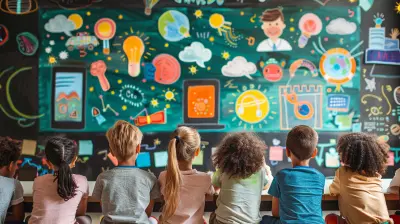
Imagine being in a classroom where learning feels more like watching a short film than reading a textbook. Sound more engaging? That’s essentially the magic of digital storytelling in education. It blends traditional storytelling with multimedia tools to create a learning experience that speaks directly to the hearts and minds of students.
In today’s tech-driven world, attention spans are short and distractions are everywhere. That’s why educators are turning to digital storytelling—it’s a way to make learning stick while sparking creativity and critical thinking. But what exactly is digital storytelling, and why is it making such waves in the education sector?
Let’s dive in.
What Is Digital Storytelling?
Let’s keep it simple: digital storytelling combines the art of telling stories with various forms of digital media. Think of it as storytelling 2.0. It uses images, video, audio, text, and animation to tell engaging and informative stories—usually with a purpose: to educate, inspire, or persuade.In the classroom, it can be a student project, a teacher’s lesson introduction, or even a group collaboration. It’s pretty flexible. Whether it’s a narrated slideshow or a short documentary, digital storytelling turns abstract concepts into vivid, memorable experiences.
Why Storytelling Even Matters in Education
Storytelling is one of the oldest forms of education. Before textbooks and chalkboards, knowledge was passed down through stories. They’re how we understand the world, remember information, and connect emotions to learning. Now, throw in some video, sound effects, and music—suddenly, that story becomes even more powerful.Stories tap into emotional memory. When students feel emotionally connected to content, they’re more likely to retain it. That’s not just feel-good fluff—it’s backed by neuroscience. Emotional engagement boosts memory retention and comprehension.
So, if we know storytelling works, why not supercharge it with digital tools?
How Digital Storytelling Transforms the Learning Experience
Here’s the thing—digital storytelling isn’t just some flashy tech trend. It actually transforms the way students learn and engage.1. Makes Learning Personal
When students create their own digital stories, they take ownership of the learning process. They’re not just passive consumers of information—they become content creators. That shift is huge. It builds confidence, encourages exploration, and personalizes learning.Think about it: would you remember a history lesson more if you read about the Civil War or if you created a short video diary of a fictional Civil War soldier? My bet’s on the latter.
2. Boosts Critical Thinking and Problem-Solving
Digital storytelling is like a puzzle. Students need to research, script, storyboard, find or create multimedia, and edit everything together. It’s not just about telling a story—it’s about figuring out how to tell it effectively.This process teaches more than content. It builds skills like:
- Information literacy
- Planning and organization
- Critical analysis
- Technical skills
- Presentation and communication
These skills are essential in today’s digital world, not just in school.
3. Encourages Collaboration
Group storytelling projects push students to work together. Some might handle the script, others the visuals, and some the editing. It mirrors real-world teamwork. And let’s be honest—students learn quite a bit from each other when they’re sharing ideas and managing creative decisions.4. Supports Diverse Learning Styles
Not every student thrives in a traditional lecture-style classroom. Some are visual learners. Others need to hear things. Some learn best by doing. Digital storytelling checks all those boxes. It blends audio, visuals, and hands-on creation.And for students with learning challenges or language barriers? Storytelling can make content more accessible and inclusive.
How Teachers Are Using Digital Storytelling in the Classroom
Good news—digital storytelling isn’t just for tech whizzes. Teachers across different subjects and grade levels are using it in really creative ways. Here's how they're pulling it off:Language Arts
Students write and produce their own short stories or poems, turning them into animated videos or slide presentations. It improves writing, grammar, and storytelling structure—all while building tech literacy.History & Social Studies
Kids step into historical figures’ shoes and narrate events from a personal point of view. This makes history come alive instead of staying trapped in dusty textbooks.Science
Instead of rote memorization, students can create documentaries explaining scientific concepts or experiments. Imagine explaining the life cycle of a butterfly using stop-motion animation. Way more fun than a quiz.Math
Yes, even math. Students can create how-to videos explaining math problems or real-life applications of formulas. Have them show how geometry is used in architecture—they might surprise you.Foreign Language
Students can narrate stories or dialogue in their target languages, enhancing pronunciation, vocabulary, and fluency.Tools for Digital Storytelling
Here’s where things get really fun. You don’t need a Hollywood budget or editing degree to get started. There are tons of user-friendly tools out there:- iMovie / Windows Movie Maker: Great for basic video editing.
- Canva: For designing stunning visuals and presentations.
- Adobe Spark / Adobe Express: Ideal for quick, high-quality web stories and videos.
- Book Creator: Lets students create interactive digital books.
- Animoto: Simple drag-and-drop video creation.
- Powtoon: Creates animated videos and explainer-type content.
- WeVideo: Cloud-based video editor perfect for school projects.
Most of these tools are intuitive. Students and teachers pick them up quickly, and many offer free versions or education discounts.
Tips for Implementing Digital Storytelling in the Classroom
Thinking about giving it a shot? Awesome. Here are some practical tips to help you hit the ground running:1. Start Small
Don’t feel like you need to create a Spielberg-level production on Day 1. Maybe start by having students record audio over a presentation. Add visuals later. Build up as everyone gets more comfortable.2. Focus on the Story First
It’s easy to get caught up in the tech. But remember, the story is the heart of the project. Make sure there’s a clear beginning, middle, and end—even if the visuals aren't perfect.3. Provide a Clear Framework
Students thrive with structure. Offer story templates, storyboard tools, or guiding questions. Let creativity flourish within boundaries.4. Encourage Peer Feedback
Let students review and critique each other’s work. It builds communication skills and helps them reflect on their own learning.5. Integrate Assessment Rubrics
Use rubrics that assess both content and creativity. Include categories like storytelling, technical quality, collaboration, and message clarity.Addressing Challenges and Roadblocks
Let’s be real. Digital storytelling isn’t without its hurdles. Here’s how to deal with a few common ones.Limited Tech Access
Not every classroom has the latest gadgets. Try low-tech options like audio storytelling or creating comic strips using online templates. Use smartphones if school equipment is limited—they’re more powerful than many think.Time Constraints
Yes, storytelling projects can take time. But you can break them into manageable chunks: research, scriptwriting, storyboarding, then production. It doesn’t all have to happen in one week.Skill Gaps
Some students (or teachers!) may feel intimidated by the tech. That’s okay. Provide tutorials, pair tech-savvy students with beginners, and let everyone learn together.The Long-Term Impact of Digital Storytelling
Digital storytelling isn’t just about making class more fun—it’s preparing students for the future.We’re living in a world where content creation, storytelling, and digital literacy are essential skills. Whether they become marketers, engineers, teachers, or entrepreneurs, students will use the ability to craft messages, tell stories, and engage audiences.
Plus, storytelling helps with one more key thing—empathy. When students share their own experiences or explore someone else’s through storytelling, it broadens their understanding. That kind of learning lasts longer than any test score.
Final Thoughts
So what’s the role of digital storytelling in education? It’s more than a tool—it’s a bridge. It connects content to curiosity, skills to creativity, and classrooms to the real world. Whether you're a teacher looking to spice up your lessons or a student eager to express yourself in new ways, digital storytelling opens the door to deeper, more meaningful learning.And you don’t have to be a tech wizard to start. Just a little imagination, a story worth telling, and a willingness to experiment. Before you know it, your classroom won’t just be talking about history, science, or literature—they’ll be living those stories, one digital frame at a time.
all images in this post were generated using AI tools
Category:
Classroom TechnologyAuthor:

Olivia Lewis