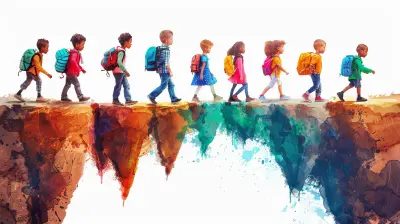
The Role of Play in Physical Education for Young Learners
14 February 2026
Ah, playtime. The sacred time when kids apparently "waste" precious learning moments running around like caffeinated squirrels. But hold on—what if I told you that play isn't just a chaotic free-for-all, but actually an essential part of physical education? Yes, you heard that right. Play isn’t just recess—it’s the secret sauce that makes kids healthier, smarter, and, dare I say, happier.
But, of course, some still believe the only way to educate kids is by keeping them glued to desks, forcing them to memorize facts they’ll probably forget by next Tuesday. Let’s break that myth, shall we?
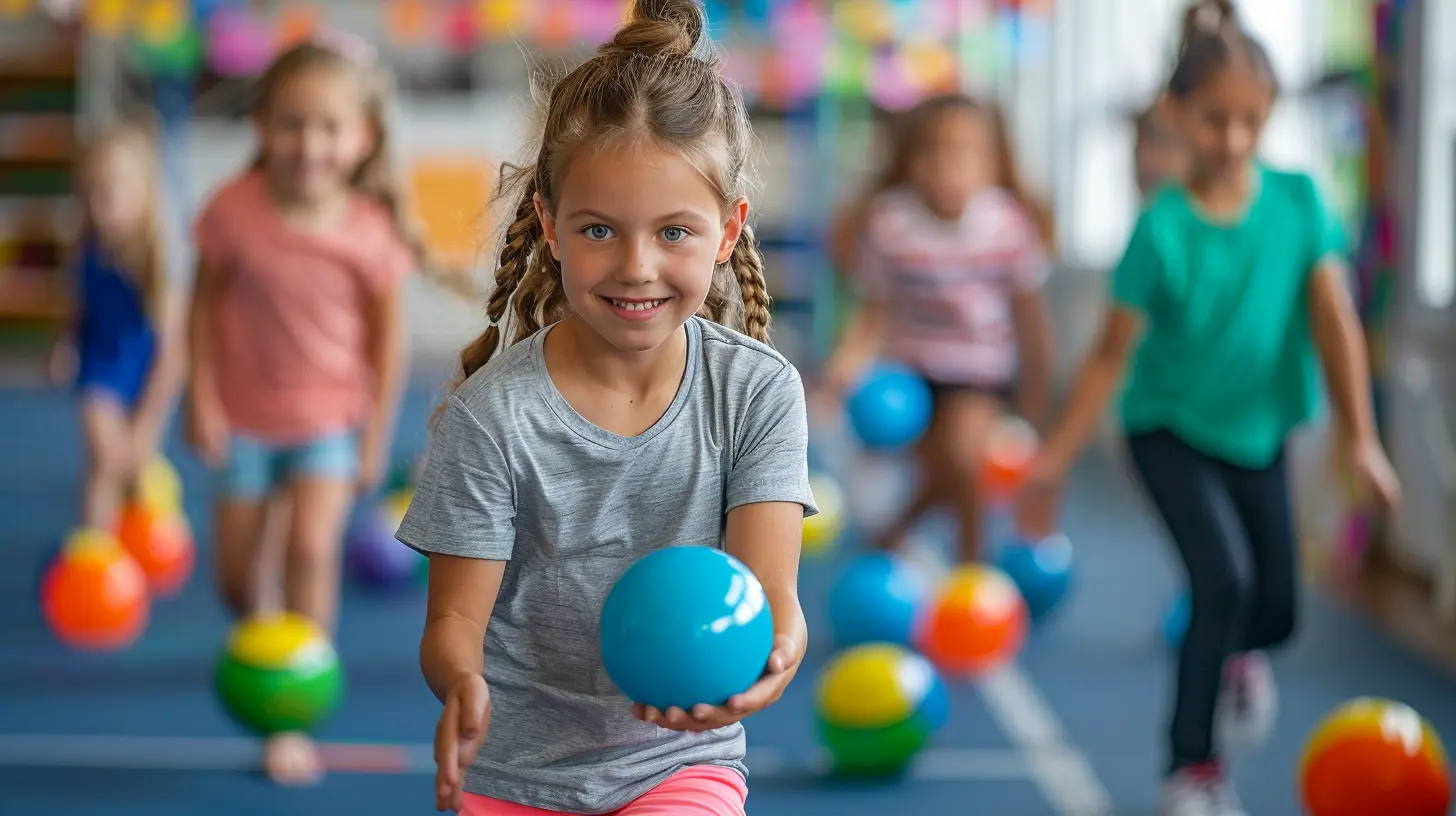
What Exactly Is Play? (And No, It's Not Just "Messing Around")
Before you start picturing children running in circles aimlessly, let’s define play—because yes, it has a definition. Play is any spontaneous or structured activity that’s engaging, voluntary, and, most importantly, fun. It’s how kids explore, learn, and develop critical physical and cognitive skills without even realizing it (sneaky, right?).In physical education (PE), play is more than just letting students run wild. It’s strategically designed activities that help kids develop motor skills, coordination, teamwork, and even problem-solving abilities—all while they think they’re just having fun. If only adults could multitask that well.
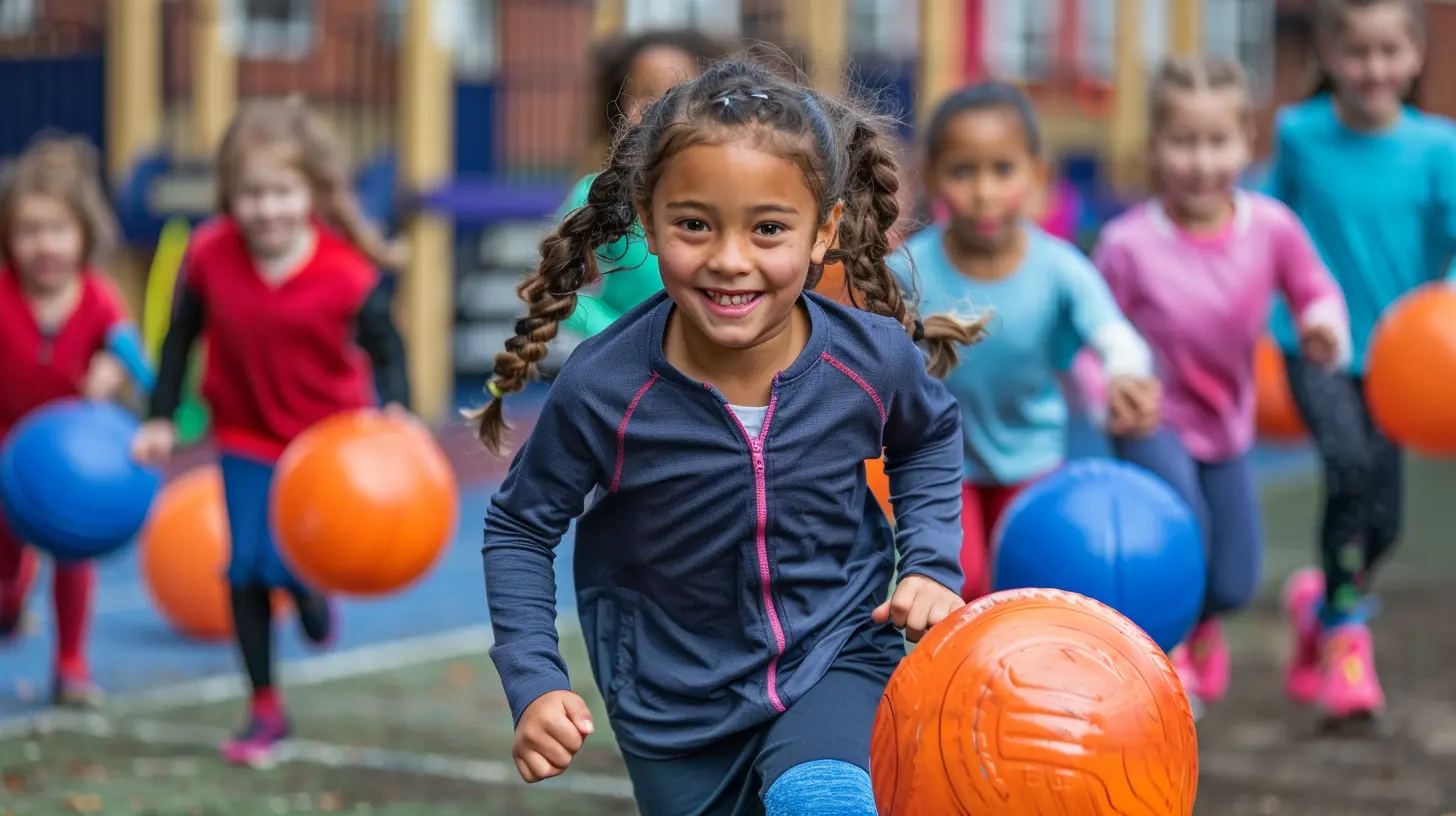
Why Play Is the MVP of Physical Education
Still not convinced that play is a big deal? Fine. Let’s break it down with some unmistakable benefits of integrating play into physical education.1. Physical Development: Because Sitting Still Isn't a Sport
Kids have an insane amount of energy. Ever seen a toddler after eating sugar? Exactly. Play gives them an outlet for all that pent-up energy while improving:- Motor skills – Running, jumping, climbing? These aren’t just ways to keep parents on edge; they actually help kids develop coordination and balance.
- Strength and endurance – Playing tag isn’t just about dodging "it." It’s basically a mini cardio workout, minus the boring treadmill.
- Flexibility and agility – Twisting, bending, and ducking? Sounds a lot like a yoga session, but way more entertaining.
2. Cognitive Benefits: Smarter Through Sweat
Who knew that running around could be a brain booster? Turns out, physical play can improve kids' cognitive function—meaning they’re not just getting stronger, but actually sharper.- Problem-solving – Figuring out how to escape tag without getting caught? That’s strategy, my friends.
- Decision-making – Should they shoot or pass? Block or dodge? Every game is a rapid-fire decision-making drill.
- Creativity – Ever watched kids come up with rules for a game on the spot? That’s a masterclass in innovation.
3. Social Skills: Because Life Isn’t a One-Person Game
Play teaches kids something that textbooks never will—how to interact without turning into mini-dictators. Through play, children learn:- Teamwork – Because passing the ball instead of hogging it isn’t just polite—it’s essential.
- Communication – Whether shouting “pass me the ball” or negotiating rules, play sharpens social interaction skills.
- Conflict resolution – Every game has disputes. Learning to handle them without a meltdown is an underrated life skill.
4. Mental and Emotional Well-being: Play = Less Stress, More Smiles
Let’s be real—kids have stress too. Tests, homework, and the intense pressure to color inside the lines (seriously, who made that a rule?). Physical play reduces anxiety, improves mood, and boosts self-esteem by:- Releasing endorphins – Aka the “happy hormones” that make kids (and adults) feel great.
- Building confidence – Scoring a goal or nailing a cartwheel feels like winning the lottery to a kid.
- Encouraging resilience – Losing isn’t fun, but play teaches kids how to handle setbacks without quitting altogether.
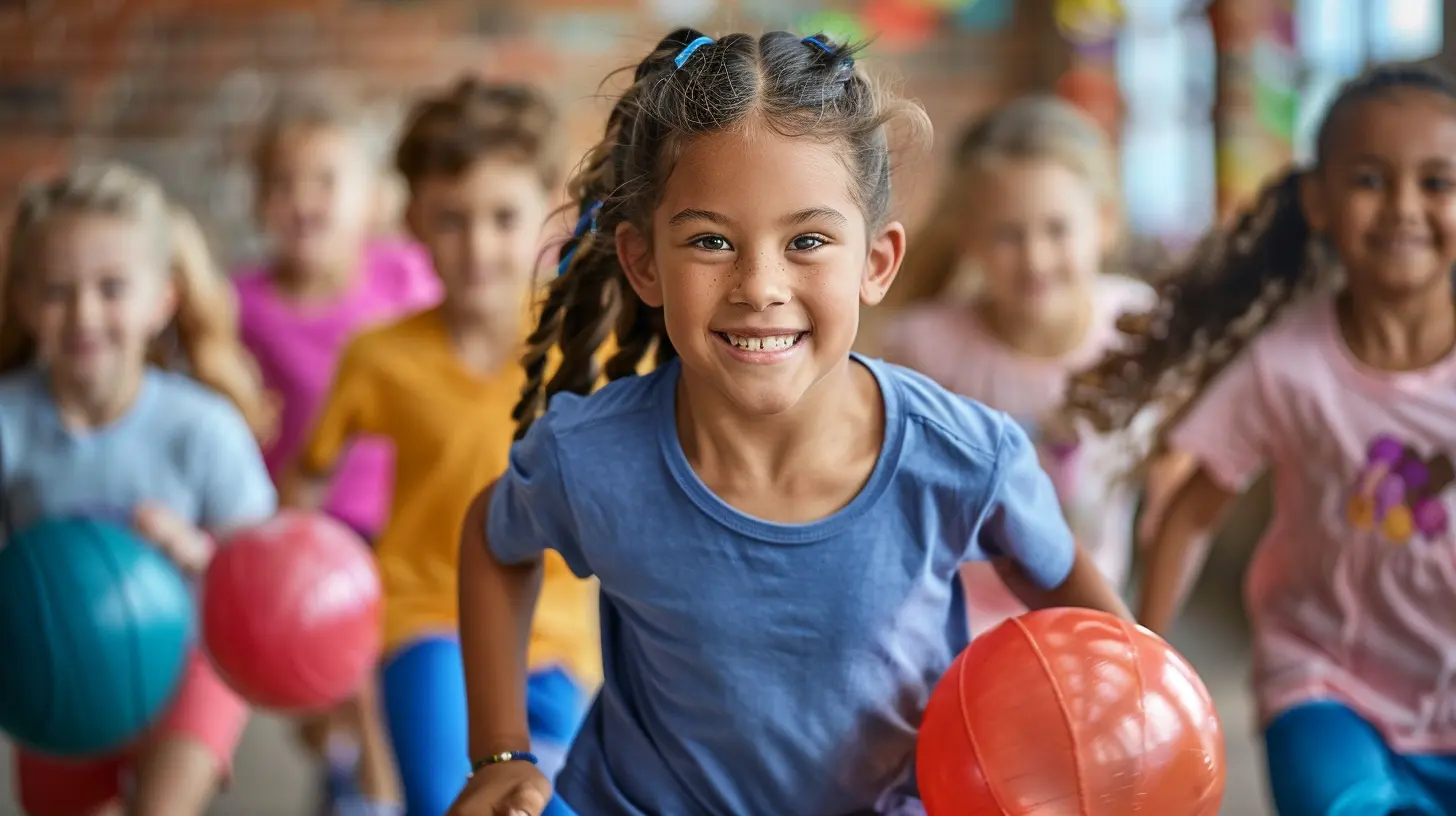
The “Structured vs. Unstructured Play” Debate: Which One Wins?
Ah, the age-old battle of structured vs. unstructured play—as if we have to choose just one. Spoiler alert: both are essential!Structured Play: The Guided Fun Zone
- Think organized sports, obstacle courses, and PE drills.- Helps teach discipline, teamwork, and skill-building in a controlled environment.
Unstructured Play: The Freestyle Playground
- No rigid rules, just kids inventing games, climbing trees, or turning anything into a “base.”- Encourages creativity, independence, and imaginative problem-solving.
The best PE programs blend both types so kids get the best of both worlds. Because let’s face it, no one wants a gym class that feels like military boot camp (except maybe some overenthusiastic PE teachers).
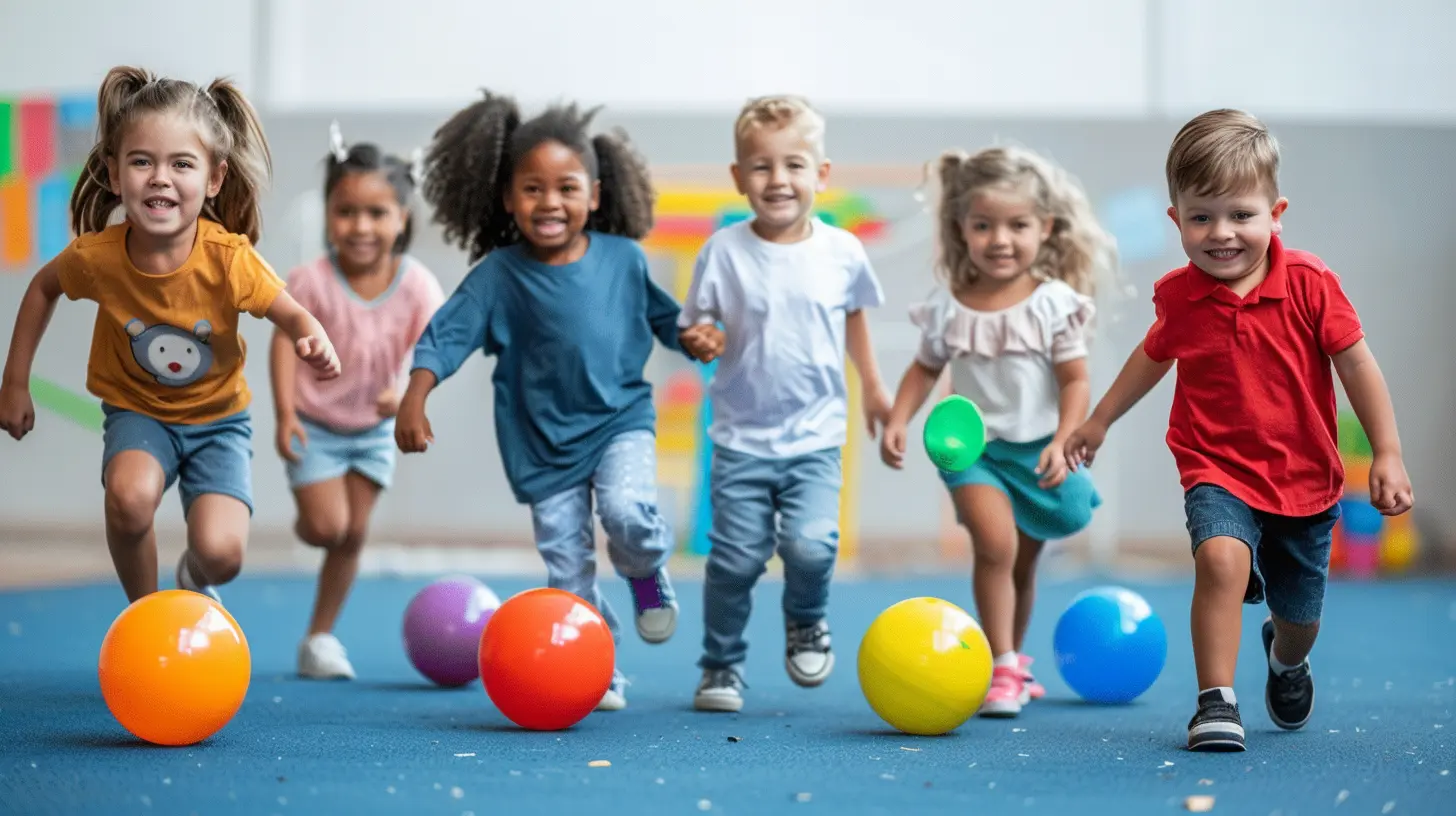
How to Make Play a Priority in Physical Education
If play is so crucial, why do some schools treat it like an afterthought? Good question. Here’s how we can make play an integral part of physical education instead of a “bonus” when there’s extra time (which, let’s be honest, there never is).1. Integrate Play-Based Learning
Not everything needs to feel like a “lesson.” Games like relay races, scavenger hunts, or modified dodgeball can teach just as much as a textbook (if not more).2. Encourage Movement in All Forms
Not every child loves traditional sports. Some kids prefer dance, yoga, obstacle courses, or even parkour-style challenges—and that’s okay! It’s about moving, not just following the standard PE template.3. Create a Safe and Inclusive Play Environment
Nobody enjoys a game where the same kids dominate while others sit out. It’s important to create activities where everyone participates and feels included, regardless of skill level.4. Stop Treating Play as a “Break” from Learning
Play IS learning. The faster we embrace that, the better off young learners will be.Wrapping Up: Play Isn’t Just Fun—It’s Fundamental
Let’s get one thing straight—play is NOT the enemy of education. In fact, it’s the superhero that makes learning stick, engage, and feel effortless. Physical education without play is like a sandwich without bread—technically possible, but incredibly sad.So, the next time someone suggests cutting playtime in favor of “more serious learning,” just remind them: Healthy, engaged, and happy kids learn better. And if that’s not the goal of education, then what is?
all images in this post were generated using AI tools
Category:
Physical EducationAuthor:
Olivia Lewis
Discussion
rate this article
2 comments
Lorelei McFarlane
This article effectively highlights the critical role of play in physical education for young learners. By emphasizing the importance of playful learning, it showcases how engaging children in fun activities not only enhances physical skills but also fosters social interaction, creativity, and a lifelong appreciation for health and fitness. Great insights!
March 1, 2026 at 1:45 PM
Olivia Lewis
Thank you for your thoughtful feedback! I'm glad you found the insights on playful learning valuable for enhancing children's physical, social, and creative development.
Phoenix McKellar
Play is essential in physical education, enhancing learning and engagement.
February 15, 2026 at 8:07 PM
Olivia Lewis
Thank you for your insightful comment! I completely agree that play is a crucial component in physical education, as it fosters both learning and engagement for young learners.