The Role of Reflection in Lifelong Learning
16 July 2026
Have you ever paused at the end of a busy day, replaying events in your head and thinking about what you did right—or what you could have done better? That simple habit of looking back, thinking critically, and trying to do things differently next time is at the heart of something pretty powerful: reflection.
Now, take that small moment and stretch it over an entire lifetime of learning. That’s right—reflection isn’t just for college students or someone journaling at night. It’s actually one of the cornerstones of lifelong learning. It helps you make sense of your experiences, grow from them, and apply what you've learned in meaningful ways.
In this article, we’re going to break down what reflection really means, why it’s so important in lifelong learning, how you can make it part of your personal or professional journey, and how it empowers growth at every stage of life. Ready? Let’s dig in.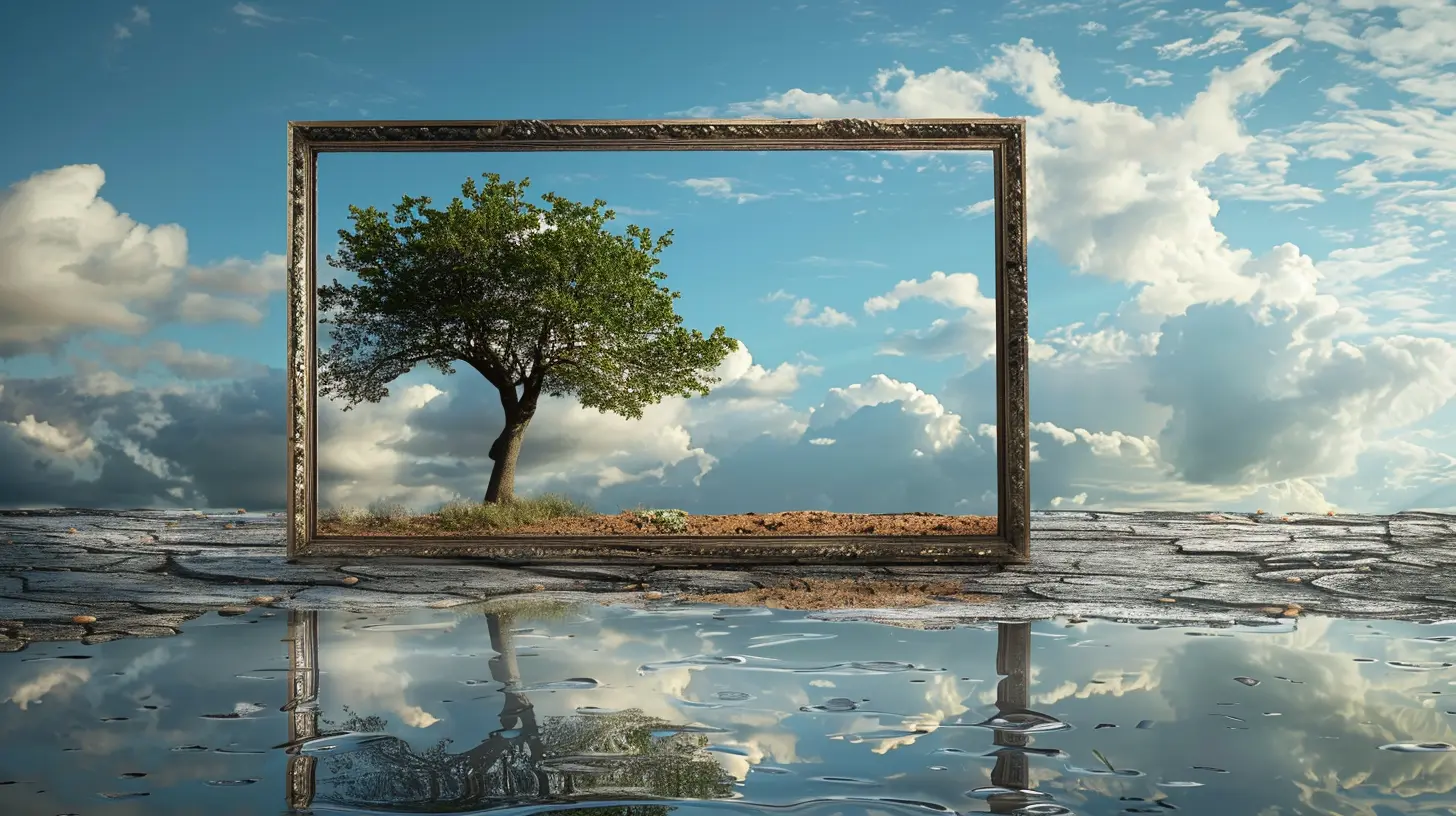
What is Reflection, Really?
Reflection isn't just about thinking deeply. It's about stepping back and asking: “What happened?”, “Why did it happen?”, and “What can I take away from this?”It’s like holding up a mirror to your thoughts, actions, and experiences. Sometimes it's messy. Sometimes it's uncomfortable. But it's always valuable. And the best part? You don't need any special tools or training—just a bit of time and honesty.
Types of Reflection
Not all reflection looks the same, and that’s a good thing. Here are a few common types:- Self-Reflection: This is the most personal kind. You assess your values, goals, behaviors, and feelings.
- Critical Reflection: This digs a little deeper. It involves questioning assumptions, exploring alternative viewpoints, and analyzing outcomes.
- Reflective Practice (Professional): Often used in education, healthcare, and business, this means reviewing your work and thinking critically about how to improve.
All of these forms contribute to lifelong learning by keeping you in a loop of continuous improvement.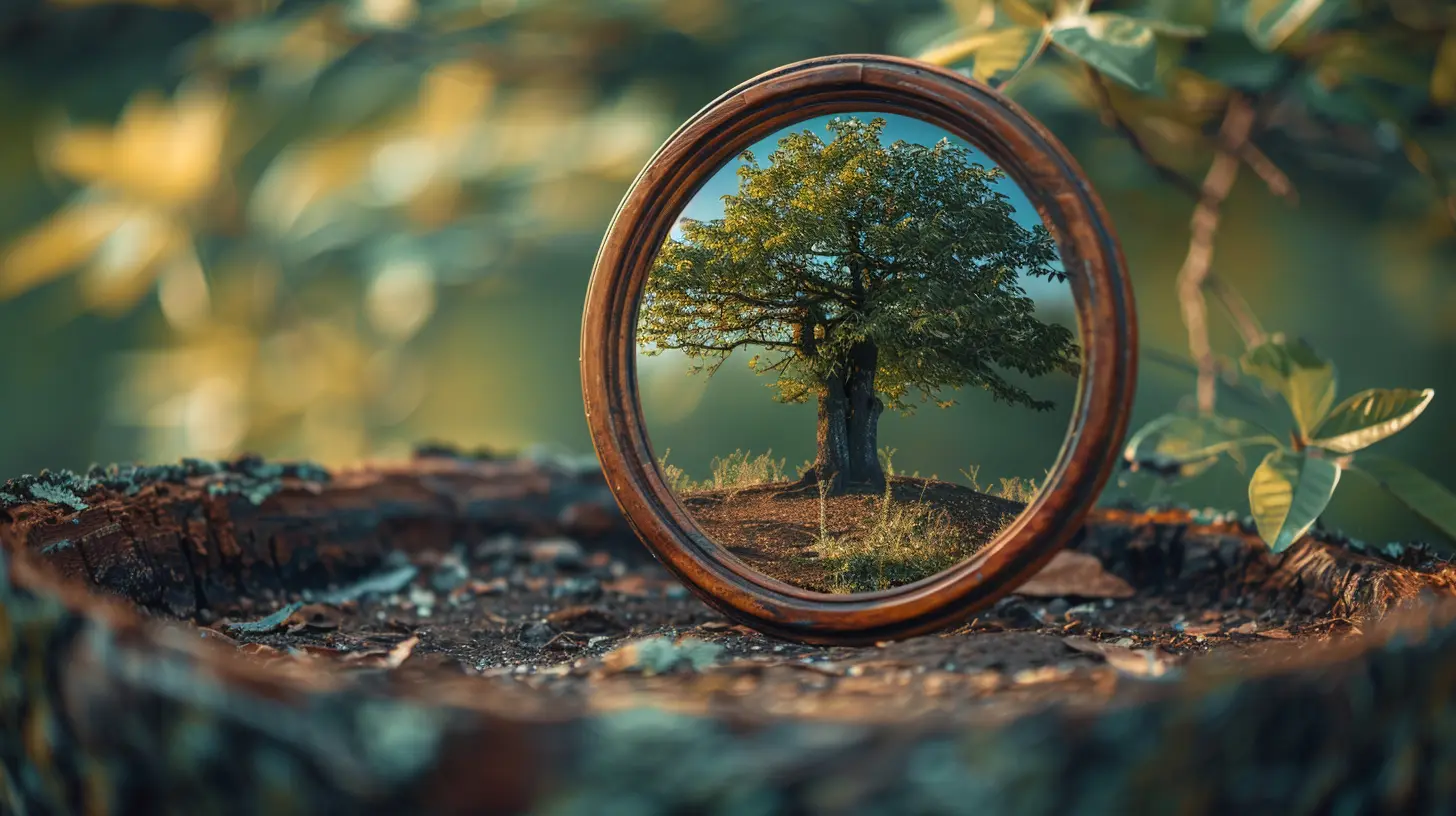
Why Reflection Matters in Lifelong Learning
We live in a world that's constantly changing. Technology evolves, industries shift, and new challenges crop up all the time. So how do you keep up? You become a lifelong learner. But here's the catch: learning isn’t just about soaking up more info—it’s about making that info stick, and apply. That’s where reflection comes in.1. Makes Learning Personal
Let’s be real—people learn differently. Reflection helps tailor the learning process to your specific needs, experiences, and goals. You’re not just taking in data; you’re making sense of it in your own context.2. Bridges Experience and Knowledge
Ever had a “lightbulb moment” where something finally made sense? That’s reflection at work. When you review and analyze past experiences, you connect the dots between what you know and what you've lived. It turns passive knowledge into active wisdom.3. Encourages Growth Mindset
A growth mindset is the belief that your abilities can develop through hard work, good strategies, and help from others. Reflecting on what went wrong—and what you can do better—naturally encourages this way of thinking. Instead of seeing failure as a dead end, you start seeing it as part of the process.4. Builds Emotional Intelligence
When you reflect, you get in touch with your emotions. You start to understand why something made you feel angry, inspired, or insecure. That emotional awareness is gold when it comes to communication, relationships, and leadership.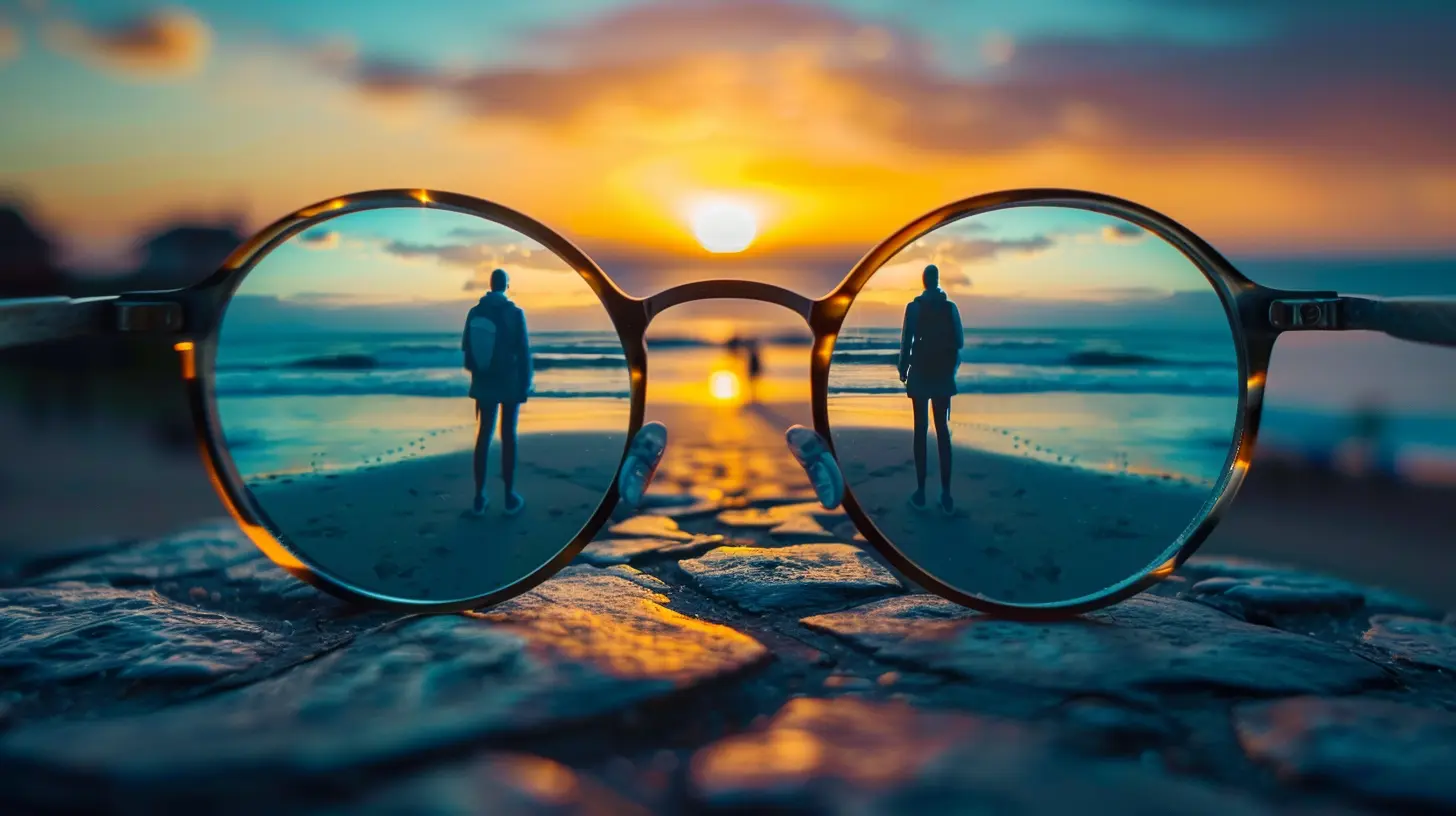
Reflection in Education: A Strong Foundation
Let’s zoom in on learning environments like schools and universities. Reflection is often built right into the curriculum—but it’s not just about writing journal entries after a group project.Encouraging Deep Learning
When students reflect on what they’ve learned, they’re more likely to understand the material deeply, instead of just memorizing it for a test. They start asking bigger questions, making broader connections, and seeing the “why” behind the “what.”Helping Teachers Improve
And it’s not just students who benefit. Teachers who reflect on their teaching practices can fine-tune their methods, become more empathetic, and adapt more effectively to the diverse needs of their students.From lesson design to classroom management, reflective practice supports growth on all sides of the learning equation.
Reflection in the Workplace: Learning Never Stops
Learning doesn’t end after graduation. In fact, most of the important stuff happens on the job. And guess what? That’s where reflection can truly shine.Supports Professional Development
Professionals who take the time to reflect on their successes—and their slip-ups—are better equipped to improve. Maybe a presentation didn’t go as planned. Instead of brushing it off, a reflective person might ask, “What could I have done differently?” That moment of honesty can spark huge improvements.Encourages Problem Solving and Innovation
By reviewing what worked and what didn’t, teams can identify trends, repeat successes, and avoid past mistakes. It’s like a playbook for ongoing innovation.Enhances Leadership
Great leaders continuously reflect. They think about how their decisions impact others, how they communicate, and where they can enhance team morale and productivity. In other words, reflective leaders don’t just lead—they grow.How to Build a Reflective Habit
So, how exactly do you become more reflective? No, you don’t need to sit cross-legged on a mountain top or write 10 pages in your diary every night.Here are some practical, simple ways to make reflection part of your routine:
Keep a Learning Journal
Jot down what you’ve learned each day or week. Focus on:- What went well?
- What didn’t?
- What would I do differently next time?
It doesn’t have to be perfect—it just has to be authentic.
Practice the "Three Whys"
When something new happens, ask:1. Why did that happen?
2. Why did I respond the way I did?
3. Why does it matter?
It sounds basic, but it really forces you to think below the surface.
Set Aside Dedicated Time
It could be five minutes at the end of the day or a quiet half-hour on Sunday. What matters is making time. Think of it as mental stretching—a way to keep your mind agile and ready for growth.Talk It Out
Don’t underestimate the power of conversation. Reflecting with peers, mentors, or even friends can offer valuable insights. Others might see things you missed.Challenges of Reflection (And How to Handle Them)
Let’s be honest—reflection isn’t always sunshine and wisdom. It can be tough, especially when you’re facing a stressful situation or revisiting a mistake.It Can Be Uncomfortable
Looking at our weaknesses or failures head-on? Yeah, that’s not easy. But it’s necessary. Growth rarely happens in the comfort zone.Tip: Start small. Reflect on one decision or event at a time. Be kind to yourself.
It Takes Time
Life is busy. Finding even ten minutes to think can be a challenge.Tip: Try habit-stacking. Link your reflection time with something you already do—like your morning coffee or daily commute.
It Requires Honesty
You’ve got to face your biases, assumptions, and actions with open eyes. That’s easier said than done.Tip: Ask yourself tough questions and don’t settle for easy answers. Growth starts where excuses end.
Final Thoughts: Reflection as a Lifelong Superpower
Reflection isn’t just a skill—it’s a mindset. It’s about being present, aware, and intentional with your learning. Whether you’re 18 or 80, reflection allows you to make the most out of your journey.It helps you become not just a smarter person, but a wiser one.
And here’s the best part—it’s always available to you. No fancy tools required. Just a few minutes, a curious mind, and a willingness to grow.
Ready to look within, learn, and move forward? Then you’re already on the path of lifelong learning—reflection is just your guide.
all images in this post were generated using AI tools
Category:
Lifelong LearningAuthor:

Olivia Lewis